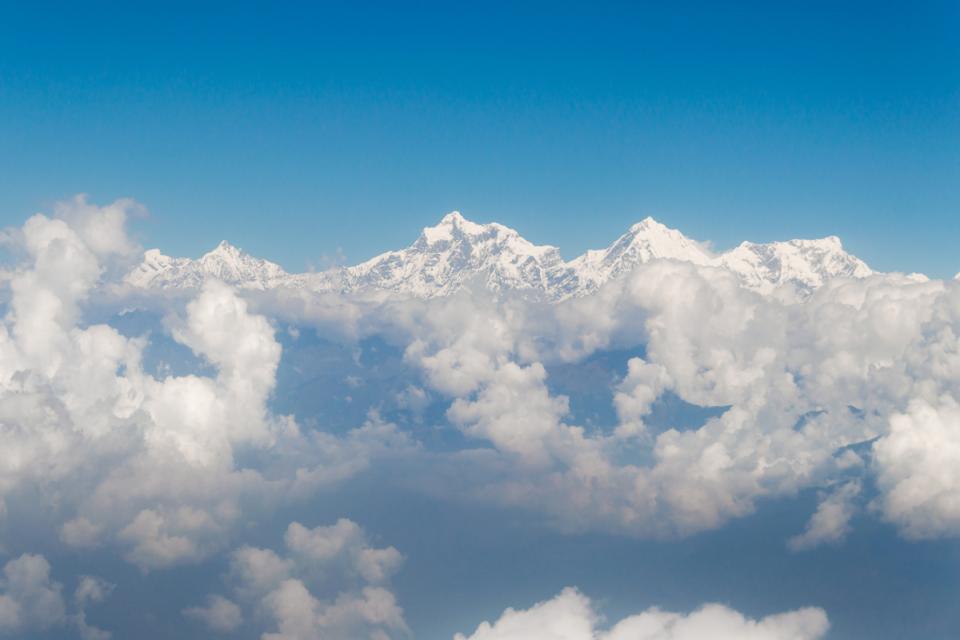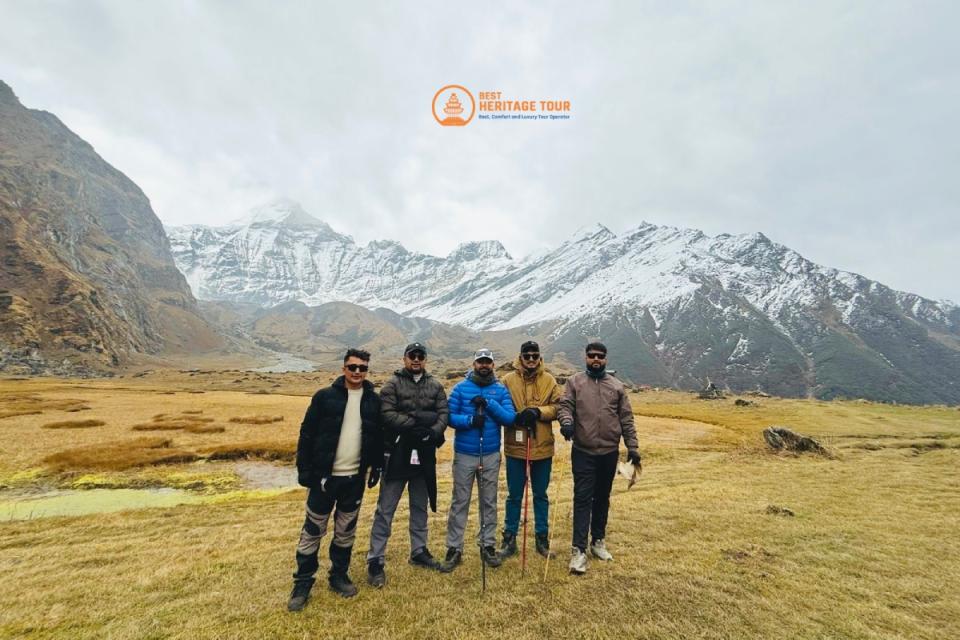
For many, the Everest Base Camp (EBC) or Annapurna Base Camp (ABC) treks represent the pinnacle of Himalayan adventure. But for the elite breed of adventure trekkers and those seeking the off the beaten path serenity of the wild, these popular trails have become a bit too "crowded."
At Best Heritage Tour, we’ve spent decades guiding explorers through Nepal's most storied landscapes and we often get a question like “Can you suggest me the crowd free base camp treks in Nepal?”. We’ve noticed a shift in 2026: true explorers are looking for something more raw, more punishing, and infinitely more rewarding. They are looking for the hardest Base Camp treks in Nepal.
These aren't just hikes; they are full-scale expeditions into the "Forbidden Himalayas." If you are ready to test your lungs, your legs, and your spirit, here are the five most challenging base camp treks that go far beyond EBC and ABC.
1. Makalu Base Camp Trek: The High-Altitude Isolation
The Makalu Base Camp Trek is often cited by our veteran guides as the ultimate test of endurance. While EBC sits at a busy 5,364 meters, Makalu Base Camp (4,870m) requires navigating the Barun Valley - a landscape so remote that it remains one of the last true wildernesses in the Himalayas.
-
Why it’s hard: The trail involves crossing the Shipton La (4,210m) and Keke La passes. The sheer verticality of the ascent from the Arun River (the world’s deepest valley) to the base of the world's fifth-highest mountain is staggering.
-
The Experience: You trade teahouse luxuries for basic stone huts or tents. The reward? An unrivaled view of the "Great Black" giant, Mt. Makalu (8,485m), and the rarely-seen eastern face of Everest.
2. Dhaulagiri Circuit Trek: The Glacial Odyssey
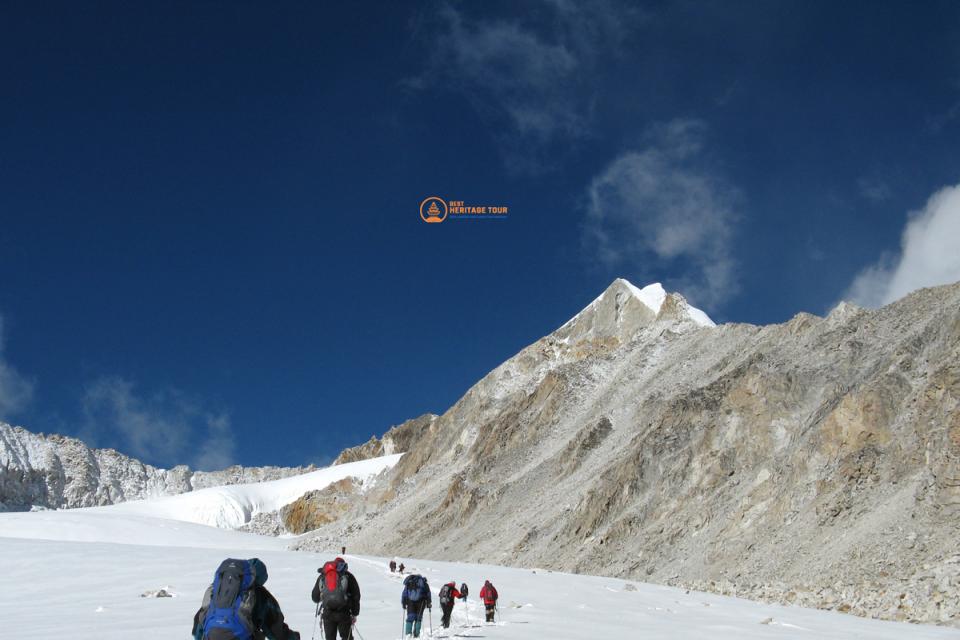
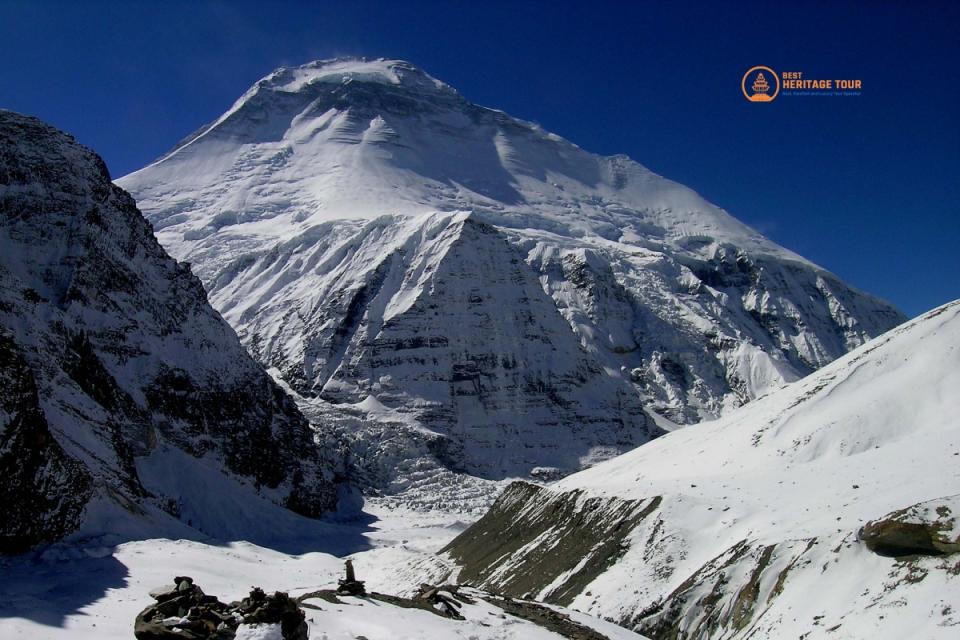
If there is a trek that scares even the seasoned locals, it’s the Dhaulagiri Circuit Trek. This is not a trek for the faint of heart; it is a high-alpine crossing that spends several days above 5,000 meters, often on moving glaciers.
-
The Challenge: You will cross the formidable French Pass (5,360m) and Dhampus Pass (5,250m). Unlike ABC, there are no permanent settlements here for days. You are entirely dependent on your team and your gear.
-
The Terrain: Walking on the White Peaks glacier requires careful footing and often, the use of crampons. The weather around Mt. Dhaulagiri (8,167m) is notoriously unpredictable.
-
Best Heritage Tip: We recommend this only for off the beaten path trekkers who have previously completed at least two 5,000m+ treks.
3. Kanchenjunga Circuit Trek (North & South): The Long Haul
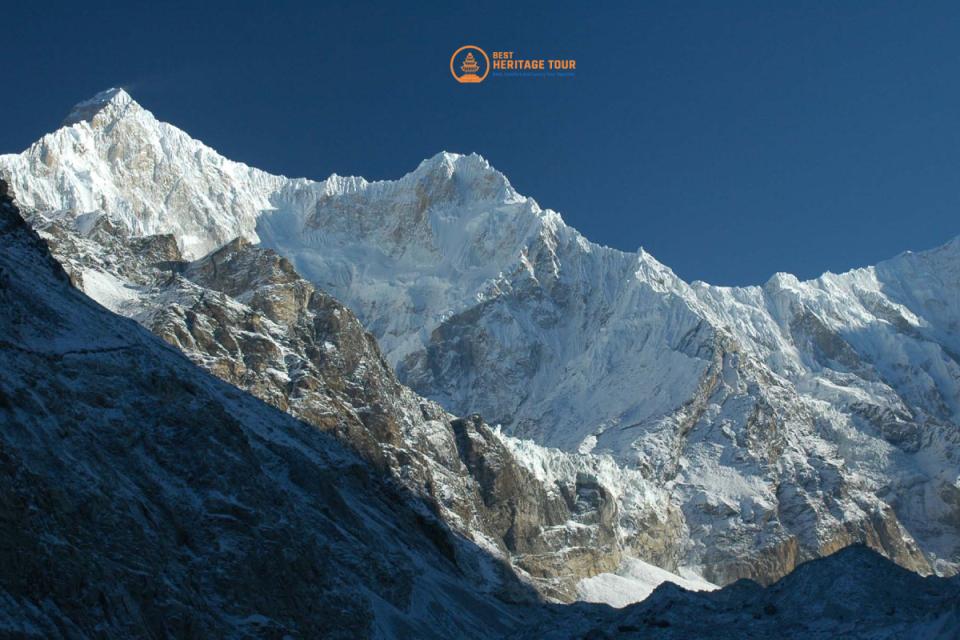
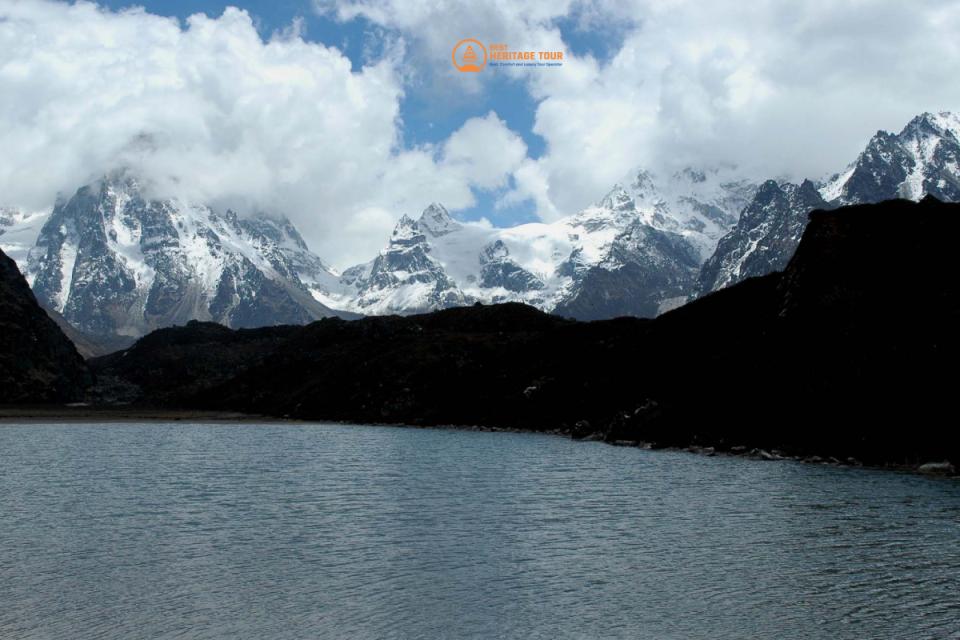
Mt. Kanchenjunga, the third highest peak in the world, sits on the far eastern border with India. The Kanchenjunga Circuit Trek is a marathon, typically taking 23 to 26 days to complete both the North Base Camp (Pangpema, 5,143m) and the South Base Camp (Oktang, 4,730m).
-
The Hardship: It’s the sheer length. Trekking for nearly a month in a remote region with limited infrastructure takes a psychological toll. You must cross the Mirgin La (4,663m) and several other high passes to link the two base camps.
-
Cultural Immersion: Because so few tourists visit, the Limbu and Rai villages you pass through remain authentic and untouched by commercialism.
4. Ganesh Himal Trek: The Hidden Ruby
Tucked between the popular Langtang and Manaslu regions, the Ganesh Himal Trek is a "hidden gem" that remains a ghost trail. Named after the elephant-headed Hindu God, this range offers some of the most rugged terrain in Central Nepal.
-
The Difficulty: This is primarily a camping trek. There are very few teahouses, meaning you must carry your entire "home" with you. The trails are narrow, steep, and often obscured by dense rhododendron forests or landslide-prone cliffs.
-
The Highlights: Reaching the Base Camp (approx. 4,200m) rewards you with a panoramic "wall" of peaks, including Ganesh I, II, III, and IV.
-
Why choose it: If you want a Beyond EBC and ABC Trek in Nepal that offers deep cultural interaction with the Tamang people without a single other trekker in sight, this is it.
5. Api Himal Base Camp Trek: The Untamed Far West
For those who truly want to go where no one else goes, the Api Himal Base Camp Trek in the Far-Western region is the final frontier. It is so remote that even most Nepalis have never seen these mountains.
-
The Logistics: Reaching the trailhead requires a long flight to Dhangadhi and a grueling two-day drive. Once on foot, you are in a land of ancient nomadic traditions and pristine nature.
-
The Trek: The ascent to the base camp of Mt. Api (7,132m) at 4,190m involves navigating through the Mahakali Valley. It is raw, undeveloped, and requires a high degree of self-sufficiency.
-
The Vibe: This is the definition of adventure trekking. You won't find menus or Wi-Fi; you'll find wild honey hunters, rare medicinal herbs, and a sense of discovery that has been lost in the Khumbu region.
Comparison Table: Nepal's Toughest Base Camps
|
Trek Name |
Max Altitude |
Duration |
Difficulty |
Best For |
|---|---|---|---|---|
|
Kanchenjunga Circuit |
5,143m |
24-26 Days |
Extreme |
Endurance Lovers |
|
Dhaulagiri Circuit |
5,360m |
18-20 Days |
Extreme |
Glacier Walkers |
|
Makalu Base Camp |
4,870m |
19-21 Days |
Strenuous |
Solitude Seekers |
|
Ganesh Himal |
4,200m |
14-16 Days |
Challenging |
Cultural Explorers |
|
Api Himal |
4,190m |
16-18 Days |
Strenuous |
Frontier Pioneers |
Why Take the Hard Road?
You might ask, "Why suffer through the Hardest Base Camp Trek in Nepal when I could go for easy one?"
The answer lies in the intent. These treks aren't just about reaching a coordinate; they are about the transformation that happens when you are forced to slow down, breathe thin air, and disconnect from the digital world. In these remote corners, the "Heritage" of Nepal isn't in a museum - it’s in the way a porter shares his salt tea, the way the stars look at 5,000 meters without light pollution, and the silence that only exists in the high Himalaya.
Essential Preparation for High-Difficulty Treks
Before you book your flight to Kathmandu, remember that these trails require:
-
Technical Fitness: You should be able to walk 7-9 hours a day with a 10kg pack.
-
Mental Resilience: Facilities are basic. Electricity and hot showers will be memories of the past.
-
Expert Guidance: In these remote zones, a local guide isn't just a luxury; they are your lifeline for navigation and emergency coordination.
Conclusion
Choosing to venture beyond EBC and ABC is a testament to your spirit as an adventure trekker. Whether you find yourself navigating the glacial moraines of the Dhaulagiri Circuit Trek, exploring the dual base camps of the Kanchenjunga Circuit, or standing in the untouched shadows of API Himal, these journeys offer something the popular trails cannot: a return to the raw, unfiltered essence of the Himalayas.
The hardest Base Camp treks in Nepal are not merely physical challenges; they are deep dives into the soul of the high mountains. They require respect, meticulous planning, and a passion for the off the beaten path experience. At Best Heritage Tour, we specialize in transforming these formidable logistics into seamless, life-changing expeditions. We don't just lead the way - we share the heritage, the stories, and the heart of our homeland with you.
The crowds have their icons, but the true peaks belong to those willing to work for them. Are you ready to leave the map behind?
Plan Your Elite Expedition with Best Heritage Tour
Phone / WhatsApp / Viber: +977-9851149197 / +977-9810043046
Email: info@bestheritagetour.com / bestheritagetour@gmail.com
Website: www.bestheritagetour.com
Office: Thamel Marg, Kathmandu, Nepal
Author: Best Heritage Tour
Date: 27th April, 2026