Trekking in the Himalayas is a dream for many, but the reality of high-altitude temperatures can be a chilling wake-up call. At Best Heritage Tour, we often get asked by our guests during briefing sessions: "Do I really need hand warmers for the treks in Nepal?"
The short answer is: While not strictly mandatory for every trek, they are one of the most underrated additions to a trekking gear list, especially for high-pass crossings and winter expeditions.
In this comprehensive guide, we will dive deep into the world of Himalayan microclimates, the science of keeping your extremities warm at 5,000 meters, and whether hand warmers for EBC trek or the Annapurna Circuit should earn a spot in your duffel bag.
Understanding the Himalayan Cold: Why Hands Freeze First
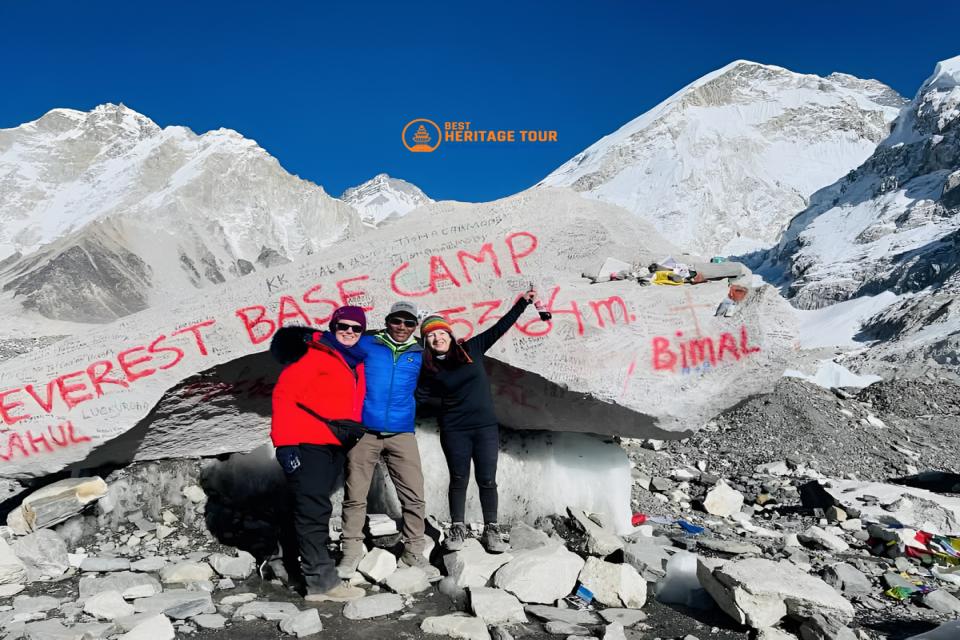
Before we discuss the gear, it is essential to understand why your hands are at risk. When you trek to altitudes like Everest Base Camp (5,364m) or cross the Thorong La Pass (5,416m), your body faces two major challenges: thin air and extreme temperature drops.
As the oxygen levels decrease, your heart works harder to pump blood to your vital organs (heart, lungs, and brain). To protect these organs, your body naturally restricts blood flow to your extremities - your hands and feet. This physiological response, combined with external temperatures that can plummet to -20°C (-4°F), makes "frozen fingers" a common complaint among trekkers.
The "Wind Chill" Factor
In regions like the Annapurna Circuit, the wind can be relentless. Even if the ambient temperature is 0°C, a sharp Himalayan wind can make it feel like -10°C. This is where hand warmers for the treks in Nepal become more than just a luxury; they become a functional tool for comfort and safety.
Hand Warmers for EBC Trek: A Necessity or Luxury?
The Everest Base Camp (EBC) trek is legendary for its dramatic landscapes, but it is equally known for the "Khumbu Cough" and the "Khumbu Cold."
The Temperature Reality at EBC
-
Spring (March-May): Daytime is pleasant, but nighttime temperatures at Gorak Shep can hit -10°C.
-
Autumn (September-November): Similar to spring, but with crisp, colder winds.
-
Winter (December-February): Temperatures can drop to -20°C or lower.
If you are planning an EBC trek, hand warmers are highly recommended for the final push from Gorak Shep to Base Camp and the early morning climb up Kala Patthar. Standing at 5,545m to watch the sunrise over Everest is a magical experience, but holding a camera or trekking poles with numb fingers can ruin the moment.
Hand Warmers for Annapurna Circuit Trek: Crossing Thorong La
The Annapurna Circuit offers an incredible diversity of climates, from subtropical forests to the high-altitude desert of Mustang. However, the crux of the trek is the Thorong La Pass.
Why Hand Warmers are Vital for Thorong La
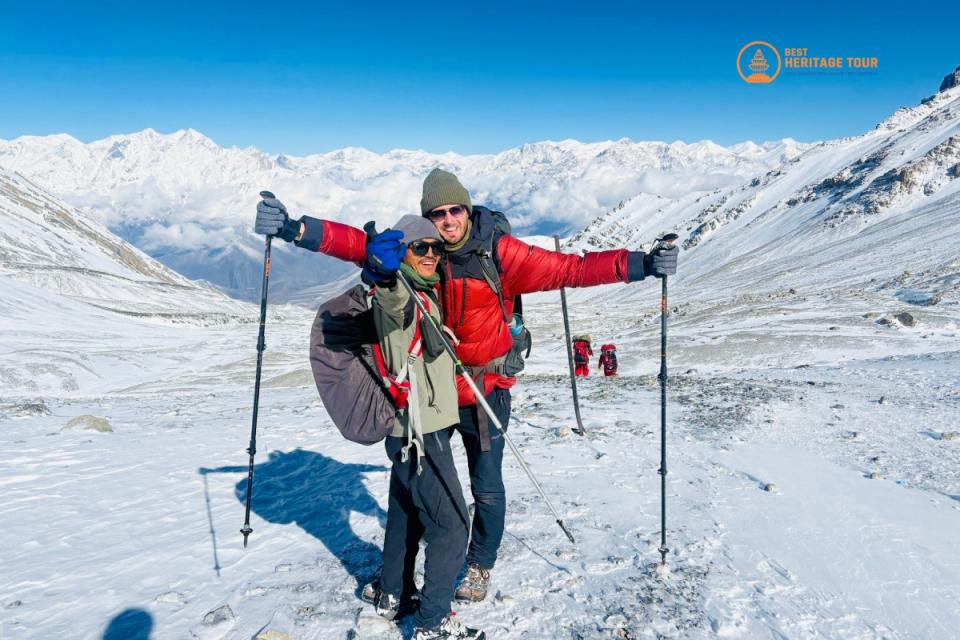
The ascent to the pass usually begins at 3:00 AM or 4:00 AM from Thorong Phedi or High Camp. At this hour, the temperatures are at their absolute lowest.
-
Early Morning Starts: You will be gripping trekking poles for 4-6 hours in sub-zero temperatures.
-
The Descent: After reaching the pass, the long descent to Muktinath involves significant wind exposure.
For hand warmers for Annapurna Circuit trek, we recommend having at least two pairs of disposable warmers or one reliable rechargeable unit specifically for this day.
Types of Hand Warmers: Which is Best for Nepal?
If you’ve decided that hand warmers are needed for treks in Nepal, the next step is choosing the right type. Not all warmers are created equal, especially when you are miles away from a power outlet.
1. Disposable (Air-Activated) Hand Warmers
These are the most popular among trekkers. They contain iron powder, salt, and activated charcoal that heats up when exposed to oxygen.
-
Pros: Lightweight, cheap, and no charging required.
-
Cons: Single-use (not eco-friendly) and takes about 20 minutes to reach peak heat.
-
Best For: Emergency backups and the "Summit Day" of your trek.
2. Rechargeable Electric Hand Warmers
Battery-operated devices that double as power banks.
-
Pros: Instant heat, adjustable settings, and eco-friendly.
-
Cons: Heavy and requires a power source to recharge (charging in teahouses can be expensive or unavailable).
-
Best For: Trekkers who already carry a large solar power bank.
3. Reusable (Crystallization) Warmers
These contain a sodium acetate solution and a metal disc. Clicking the disc triggers a chemical reaction that hardens the liquid and releases heat.
-
Pros: Reusable.
-
Cons: To "reset" them, you must boil them in water for 10-15 minutes. This is nearly impossible to do in a teahouse at 4,000m where fuel is scarce.
-
Best For: Short day hikes near Kathmandu, but not recommended for long-distance Himalayan treks.
The Verdict: Is Hand Warmers Needed for Treks in Nepal?
To give you the most accurate advice, we’ve broken it down by trekker profile:
|
Trekker Type |
Are Hand Warmers Needed? |
Recommended Quantity |
|---|---|---|
|
Peak Season Trekker (Oct/Nov & Mar/Apr) |
Recommended |
3-5 pairs of disposables |
|
Winter Trekker (Dec-Feb) |
Essential |
10+ pairs or Rechargeable |
|
Luxury Trekker |
Recommended |
Rechargeable Unit |
|
Budget/Minimalist |
Optional |
2 pairs for emergencies |
Better Alternatives: The Layering System
At Best Heritage Tour, we believe in the philosophy: "There is no such thing as bad weather, only bad gear." Hand warmers are a supplement, not a replacement for a good layering system.
To keep your hands warm without relying solely on chemicals or batteries:
-
Liner Gloves: A thin moisture-wicking layer (merino wool or synthetic).
-
Insulation Layer: Thick fleece or down-filled gloves.
-
Shell Layer: Waterproof and windproof mittens. Mittens are warmer than gloves because your fingers share body heat!
Frequently Asked Questions (FAQs)
Can I buy hand warmers in Kathmandu?
Yes! The shops in Thamel are well-stocked with both disposable and rechargeable hand warmers. You don't need to use up precious weight in your international luggage to bring them from home.
Do hand warmers work at high altitudes?
Chemical hand warmers require oxygen. At altitudes above 5,000m, where oxygen is 50% less than at sea level, they may not get as hot or may take longer to activate. However, they still provide significant relief.
Are toe warmers different?
Yes, toe warmers are designed with an adhesive side to stick to your socks and are formulated to work in the low-oxygen environment inside a boot. If you suffer from cold feet, these are even more effective than hand warmers.
Conclusion
In the grand scheme of your Nepal trekking gear, hand warmers are a small, inexpensive item that can make a massive difference in your comfort levels. Whether you are navigating the high passes of the Annapurna Circuit or standing at the base of the world's highest peak, keeping your hands functional and warm allows you to focus on the breathtaking scenery rather than the biting cold.
At Best Heritage Tour, we specialize in creating seamless, safe, and culturally immersive experiences. From providing expert local guides who know every turn of the trail to assisting you with the perfect packing list, we are here to ensure your Himalayan journey is nothing short of legendary.
Are you ready to witness the majesty of the Himalayas?
Phone / WhatsApp / Viber: +977-9851149197 / +977-9810043046
Email: info@bestheritagetour.com / bestheritagetour@gmail.com
Website: www.bestheritagetour.com
Office: Thamel Marg, Kathmandu, Nepal
Author: Best Heritage Tour
Date: 26th April, 2026