When you step into the heart of Kathmandu Durbar Square, the air changes. Amidst the scent of marigolds, incense, and the ancient red-brick architecture, there is a place that feels suspended in time: the Kumari Ghar.
For travelers, trekkers, and cultural explorers, the chance to catch a glimpse of the Living Goddess Kumari is often the highlight of their time in Nepal. But this isn't a museum or a standard tourist attraction - it is a living, breathing tradition that requires a deep level of respect and specific timing.
At Best Heritage Tour, we believe that travel is most meaningful when you understand the stories behind the stone. In this guide, we’ll walk you through the essential Kumari Ghar visiting hours, the history of the Basantapur Kumari Ghar, and the etiquette you need to follow for a respectful experience.
Who is the Living Goddess Kumari?
Before checking the clock, it is important to understand who you are visiting. The Kumari is a young girl, typically between the ages of 3 and 12, who is worshipped as the earthly manifestation of the Goddess Taleju (a form of Durga).
The tradition dates back to the 17th century during the Malla dynasty. Legend says that King Jaya Prakash Malla used to play dice with the Goddess Taleju herself. After a moment of disrespect from the King, the Goddess vanished, promising to return only in the form of a young girl from the Newar Shakya clan.
To this day, the "Royal Kumari" lives in near-seclusion within the Kumari Ghar Kathmandu Durbar Square, leaving only for major festivals like Indra Jatra. She remains a goddess until her first menstruation or a significant loss of blood from an injury, at which point the spirit of Taleju is said to leave her body, and a new search begins.
Kumari Ghar Visiting Hours: When Can You See Her?
One of the most frequent questions we get at Best Heritage Tour is: "What time does the Kumari come out?"
It is important to remember that the Kumari is a child who also has studies, rituals, and private time. She does not follow a strict, hourly "show" schedule. However, there are established windows where she traditionally appears at the ornate wooden window of the inner courtyard to bless those waiting below.
Standard Daily Viewing Windows
For 2026, the most reliable times to witness the Kumari are:
-
Morning Window: 11:00 AM - 12:00 PM
-
Afternoon Window: 3:30 PM - 4:30 PM
Note: These times can shift slightly depending on the day's religious rituals or the presence of official dignitaries. On some days, if the Kumari is unwell or if there is a private puja (worship) occurring, she may not appear at all.
The Best Time for a Quiet Experience
If you prefer a more spiritual and less crowded atmosphere, we recommend visiting on a Tuesday or Wednesday morning. The weekends (Saturday in Nepal) and Fridays often see larger crowds of local devotees.
Exploring the Basantapur Kumari Ghar (The Building)
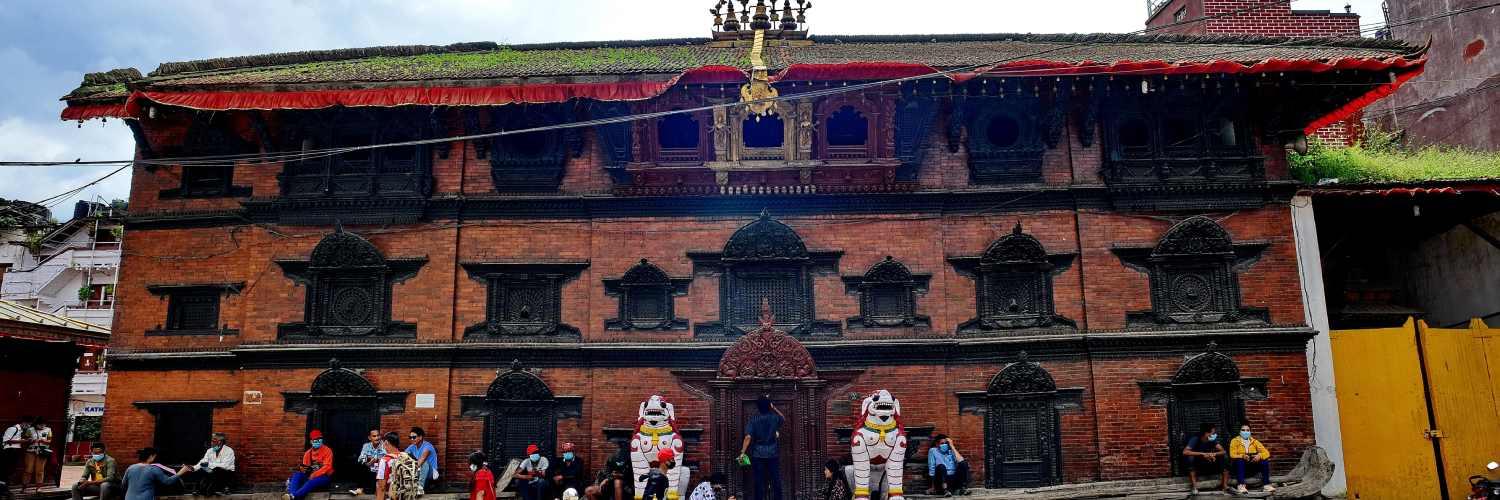
The Basantapur Kumari Ghar is an architectural masterpiece in its own right. Built in 1757 by King Jaya Prakash Malla, it is a three-story brick building known for its incredibly intricate woodcarvings.
As you enter through the low doorway (guarded by stone lions), you find yourself in a central courtyard. Look up at the windows. You will see carvings of deities, peacocks, and mythical creatures that represent the peak of Newari craftsmanship.
-
The Courtyard: This is as far as tourists and non-Hindus are allowed to go.
-
The Architecture: Notice the "Fire Eye" symbols and the dark, aged wood. Even if the Kumari doesn't appear during your visit, the energy of the courtyard is a powerful experience for any cultural explorer.
Essential Etiquette: Rules for a Respectful Visit
Visiting the Kumari Ghar Kathmandu Durbar Square is a religious experience for locals. To ensure you are a responsible traveler, please keep these four rules in mind:
1. Strictly No Photography of the Goddess
You are welcome to photograph the courtyard and the exterior of the building. However, taking a photo of the Kumari is strictly forbidden. When she appears at the window, all cameras and phones must be put away. It is considered a grave sign of disrespect to capture her image in her residence.
2. Maintain Absolute Silence
When the Goddess appears, the courtyard usually falls into a hush. Keep your voice to a whisper and avoid shouting or pointing. The encounter is brief - usually only 30 to 60 seconds - and the silence adds to the sacredness of the moment.
3. Dress Modestly
As with any sacred site in Nepal, ensure your shoulders and knees are covered. Avoid wearing overly revealing clothing. If you are a trekker coming straight from the trails, a light shawl or zip-off pants are great to have in your daypack.
4. Respect the Caretakers
The "Chitaidars" (caretakers) manage the flow of visitors. If they ask you to move or announce that a viewing is over, follow their instructions gracefully.
How to Get There
The Kumari Ghar is located on the southern side of Kathmandu Durbar Square (Basantapur).
-
From Thamel: It is a pleasant 15-20 minute walk through the bustling local markets of Ason and Indra Chowk.
-
Entry Fee: To enter the Durbar Square area, foreign nationals must pay an entry fee (currently around NPR 1,000). Keep your ticket with you, as it covers your access to the square where the Kumari Ghar is located.
Insider Tips from Best Heritage Tour
-
Arrive Early: Arrive about 15 minutes before the expected viewing time. This gives you a chance to find a good spot in the courtyard and appreciate the carvings without rushing.
-
Look for the Signs: If you see a tour guide or a caretaker asking people to stand back and clear the center of the courtyard, it’s a good sign that she is about to appear.
-
Visit Patan Too: While the Royal Kumari of Kathmandu is the most famous, there are other Kumaris in the valley. The Patan Kumari often has more flexible viewing times and allows for private blessings (tika) for a small donation.
-
Combine Your Visit: Plan your Kumari viewing alongside a visit to the Hanuman Dhoka Palace and the Kal Bhairav statue, all of which are within a 2-minute walk.
Conclusion: Witnessing the "Living Heritage"
In a world that is rapidly modernizing, the tradition of the Kumari reminds us that heritage isn't just about old buildings - it’s about the people and the beliefs that keep those buildings alive. Seeing the Kumari isn't just a "check-box" on a tourist itinerary; it is a moment of connection with the soul of the Kathmandu Valley.
At Best Heritage Tour, we specialize in guiding you through these sacred spaces with the sensitivity and local knowledge they deserve. Whether you are here for a day tour or preparing for a trek into the Himalayas, the cultural heart of Basantapur is where your journey truly begins.
Plan Your Nepal Journey with Best Heritage Tour
Ready to explore the hidden alleys of Kathmandu and the soaring peaks of the Himalayas? Let the experts at Best Heritage Tour craft your perfect itinerary. From cultural heritage walks to high-altitude trekking, we provide authentic experiences led by local experts.
Phone / WhatsApp / Viber: +977-9851149197 / +977-9810043046
Email: info@bestheritagetour.com / bestheritagetour@gmail.com
Website: www.bestheritagetour.com
Office: Thamel Marg, Kathmandu, Nepal
Author: Best Heritage Tour
Date: 22nd March, 2026