Embarking on a journey to the foot of the world’s tallest peak is a dream shared by many, yet the success of this adventure often hinges on a single, pivotal question: When should I go? At Best Heritage Tour, we have guided thousands of explorers through the Khumbu Valley. We’ve seen the mountains in their crystal-clear spring glory and their moody, mist-covered summer silence. While most guidebooks will give you a simple "go in the spring," the reality is more nuanced.
In this comprehensive guide, we dive deep into the Everest Base Camp Trek in Spring vs Summer to help you decide which season aligns with your spirit of adventure.
Everest Base Camp Trek in Spring vs Summer: Which is Better?
Choosing between the vibrant bloom of spring and the lush, quiet solitude of summer (the monsoon transition) is about more than just weather - it’s about the kind of story you want to tell.
The Spring Season (March to May): The Golden Window
Spring is widely considered the "King of Seasons" for the EBC Trek. As the winter snow begins to melt, the Everest region awakens in a burst of life.
The Weather and Climate
Spring offers the most stable weather of the year. From mid-March to May, the days are pleasantly warm, while the nights, though still cold at high altitudes, are nowhere near as brutal as in winter.
-
Lower Elevations (2,800m - 3,500m): 15℃ to 20℃ during the day.
-
Base Camp Altitudes (5,000m+): -5℃ to -10℃ at night.
Why Trekkers Love Spring
-
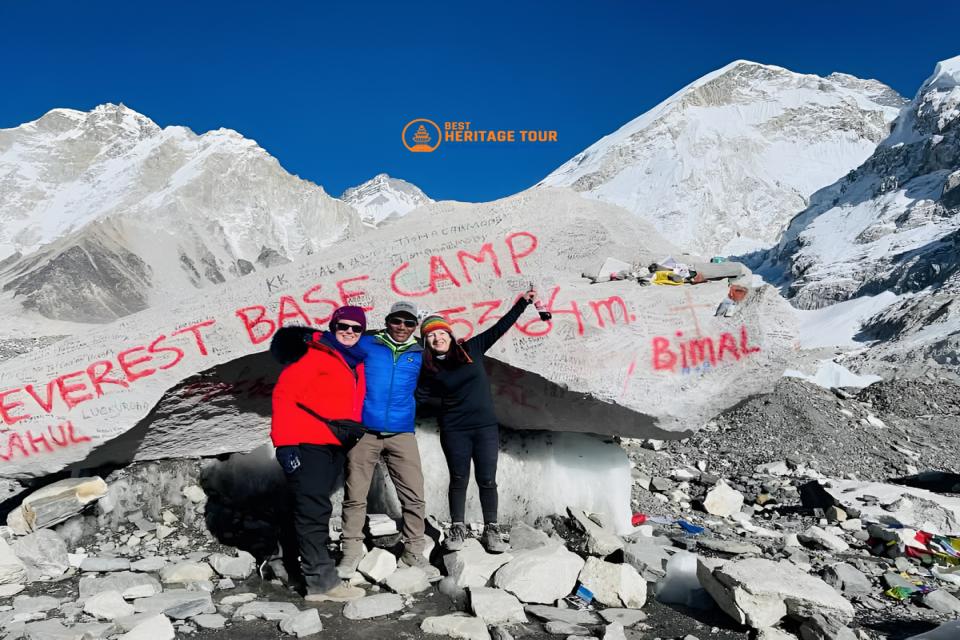
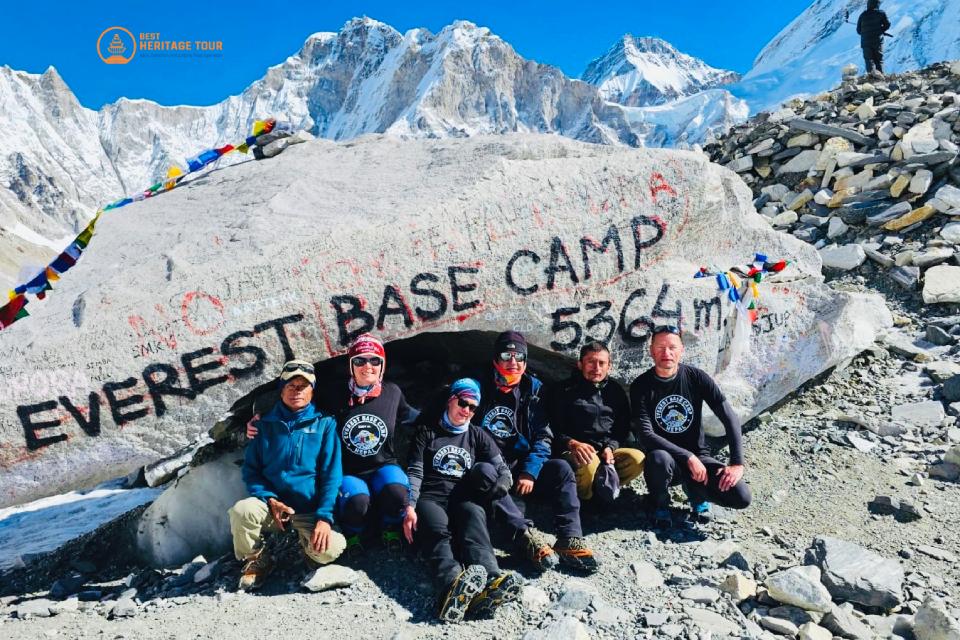
The "Climber’s Buzz": May is the primary summit window for Everest climbers. When you reach Base Camp in spring, you’ll see the iconic yellow tents of international expeditions. The energy is electric.
-
Rhododendron Blooms: The trails between Phakding and Tengboche transform into a fairytale of red, pink, and white blossoms.
-
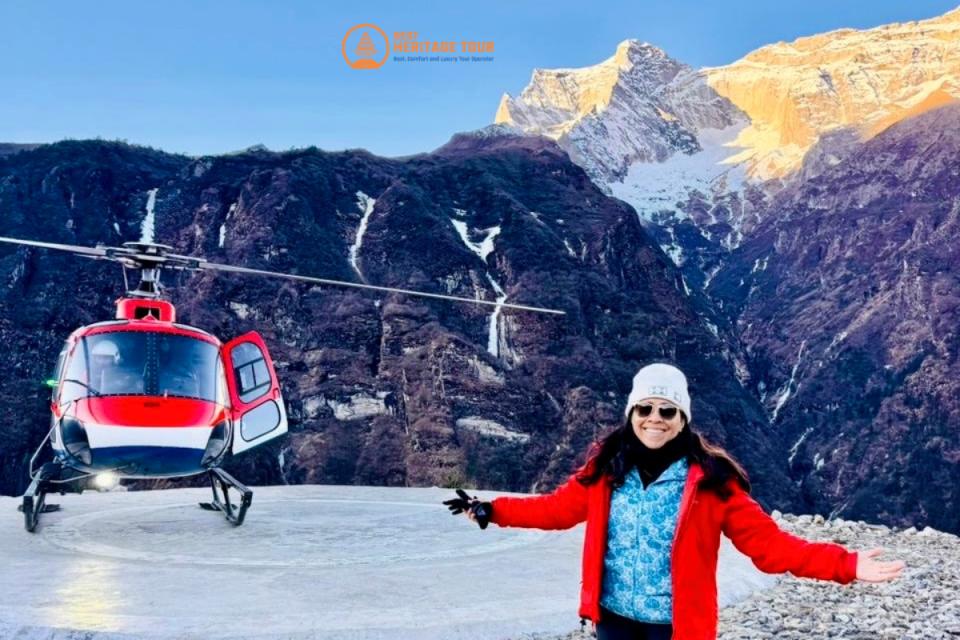
Visibility: You get the famous "deep blue" Himalayan skies. The peaks like Ama Dablam, Lhotse, and Everest are usually visible from dawn until mid-afternoon.
The Trade-off
Because it is the best time, it is also the busiest. You will share the trail with many others, and the most popular teahouses in Namche Bazaar and Dingboche fill up months in advance.
The Summer Season (June to August): The Path Less Traveled
In Nepal, "Summer" is synonymous with the Monsoon. While many agencies discourage trekking during this time, at Best Heritage Tour, we believe it offers a unique perspective for a specific type of traveler.
The Weather and Climate
The monsoon brings heavy rain, primarily in the afternoons and evenings. However, the mornings can often be surprisingly clear.
-
Humidity: The air is thick and moist, which can make the ascent feel more physically taxing.
-
Temperature: It is the warmest time of year, with daytime temperatures even at 4,000m staying above 10℃.
The Challenges of Summer (The Reality Check)
-
Leeches: In the lower forested areas (below 3,000m), damp conditions bring out leeches.
-
Flight Delays: Lukla is a "visual flight" airport. If the clouds are thick, flights won't take off. Summer sees the highest rate of cancellations.
-
Slippery Trails: Muddy paths require high-quality trekking poles and boots with excellent grip.
The Hidden Perks of Summer
-
Total Solitude: You might have the entire trail to yourself. For those seeking a meditative experience, the silence of the Khumbu in summer is unmatched.
-
Lush Landscapes: The dust of the dry season is gone. The valleys turn an emerald green so vivid it looks photoshopped.
-
Lower Costs: Many lodges offer discounts, and the service is more personalized as teahouse owners aren't overwhelmed by crowds.
Side-by-Side Comparison: Spring vs Summer
|
Feature |
EBC Trek in Spring (Mar - May) |
EBC Trek in Summer (Jun - Aug) |
|---|---|---|
|
Mountain Visibility |
Excellent, crisp, and clear |
Obscured by clouds/mist |
|
Crowd Level |
High (Social & Lively) |
Very Low (Quiet & Private) |
|
Trail Condition |
Dry and dusty |
Muddy and slippery |
|
Flora & Fauna |
Rhododendrons and wildflowers |
Lush greenery and waterfalls |
|
Flight Reliability |
High (mostly on time) |
Low (frequent cancellations) |
|
Base Camp Vibe |
Full of expedition tents |
Empty and desolate |
Essential Gear: What Changes?
Regardless of the season, your packing list remains 80% the same. However, the remaining 20% can make or break your trip.
For Spring:
-
Sun Protection: The sun is incredibly strong. High-SPF sunscreen and polarized sunglasses are non-negotiable.
-
Layering: You’ll be peeling off layers in the morning and piling them on at 4:00 PM.
For Summer:
-
Gaiters: These are essential to keep mud and leeches out of your boots.
-
Breathable Waterproofs: You need a high-quality hardshell (Gore-Tex) because cheap ponchos will make you sweat excessively in the humidity.
-
Dry Bags: Keep your sleeping bag and spare socks in waterproof dry bags inside your backpack.
Logistics: The Lukla Flight Factor
One of the biggest differences between an EBC Trek in Spring and an EBC Trek in Summer is the "Ramechhap vs. Kathmandu" flight situation.
In the peak Spring season, many flights to Lukla are diverted to Manthali Airport in Ramechhap (a 4-5 hour drive from Kathmandu) to manage air traffic. In Summer, flights usually depart directly from Kathmandu, but the risk of weather-related delays is much higher.
Best Heritage Tour Tip: Always build 2-3 "buffer days" into your itinerary if you choose to trek in the summer months.
Flora and Fauna: A Tale of Two Worlds
If you are a photographer or a nature lover, this might be your deciding factor.
-
Spring is about the Rhododendrons. Nepal’s national flower blankets the hillsides. You also have a higher chance of spotting the Himalayan Monal (Danphe), as they are active during the breeding season.
-
Summer is about the Waterfalls. The monsoon rains feed hundreds of temporary cascades that tumble down the vertical cliffs of the Khumbu. The alpine flowers (like the Blue Poppy) also peek through the mist in high-altitude meadows.
Health and Safety: Altitude vs. Elements
While the altitude doesn't change, the risks do.
-
In Spring: The biggest health risk is Dehydration and Sunstroke. The dry air wicks moisture from your body quickly.
-
In Summer: The risks are Slip-and-fall injuries on muddy trails and Skin infections from the constant dampness.
At Best Heritage Tour, our guides are trained in Wilderness First Aid for both seasons, ensuring that whether it's a blister from a wet boot or a headache from the altitude, you are in safe hands.
Final Verdict: Which is Better?
Choose Spring If: You want the classic Everest experience, clear mountain views, the social atmosphere of a bustling trail, and the chance to see the legendary Everest Base Camp in its full expeditionary glory.
Choose Summer If: You are an experienced trekker who values solitude, doesn't mind the rain, wants to see the "Green Himalayas," and has a flexible schedule to account for flight delays.
Conclusion
The Everest Base Camp Trek is more than just a hike; it’s a pilgrimage to the heights of human ambition. Whether you choose the vibrant, clear skies of Spring or the lush, misty solitude of Summer, the mountains will leave an indelible mark on your soul.
At Best Heritage Tour, we don't believe in "one size fits all" trekking. We specialize in tailoring your Himalayan adventure to your specific needs, ensuring safety, authenticity, and memories that last a lifetime.
Ready to Stand at the Foot of the World?
If you're still undecided or ready to book your 2026/2027 adventure, our expert team is here to help. From navigating Lukla flight schedules to choosing the best teahouses, we handle the logistics so you can focus on the view.
Phone / WhatsApp / Viber: +977-9851149197 / +977-9810043046
Email: info@bestheritagetour.com / bestheritagetour@gmail.com
Website: www.bestheritagetour.com
Office: Thamel Marg, Kathmandu, Nepal
Author: Best Heritage Tour
Date: 28th April, 2026