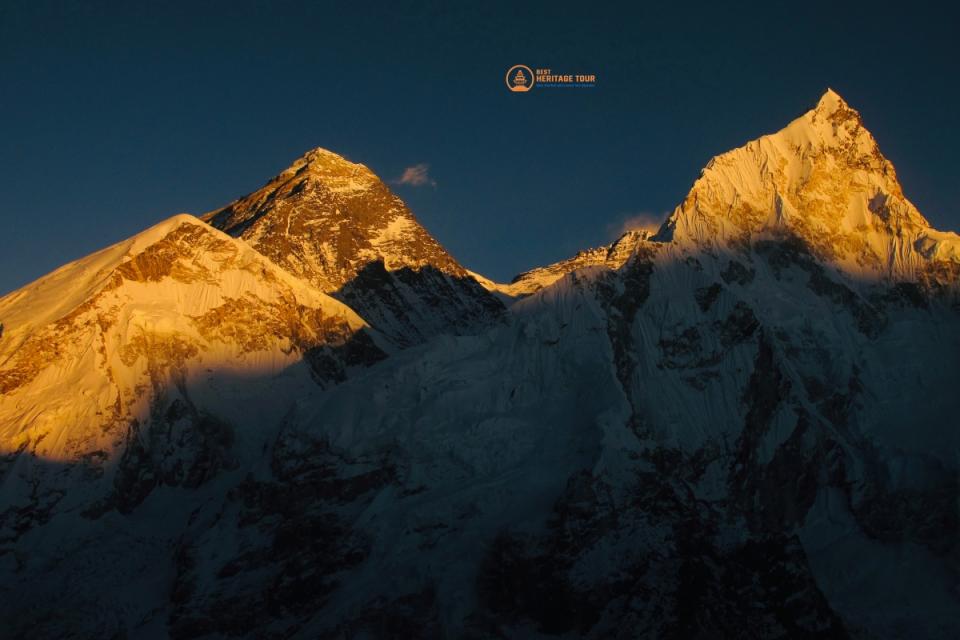
The dream of standing at the foot of Mount Everest (8,848.86m) is a rite of passage for every true adventurer. For many, the ultimate way to experience the Khumbu region is "solo" - just you, the rhythmic crunch of boots on glacial moraline, and the silent majesty of the Himalayas. There is an undeniable allure to the solitude of the high mountains, away from the chatter of large tour groups.
However, as we move through 2026, the landscape of trekking in Nepal has undergone a seismic shift. If you are planning a solo journey, you aren't just facing the physical challenges of Altitude Sickness (AMS) and freezing temperatures; you are also navigating a new era of mandatory safety regulations and digital permit systems.
The question on every traveler's mind is no longer just "Can I do it?" but rather, "Is solo trekking to Everest Base Camp safe and is it even still legal?"
At Best Heritage Tour, we have spent decades guiding explorers through the shadows of the world’s highest peaks. We know these trails not just as paths on a map, but as our home. In this comprehensive guide, we strip away the myths and provide you with the cold, hard facts about safety, the 2026 "No Guide, No Trek" policy, and how you can still achieve that "solo" spirit while ensuring you return home safely.
Whether you are a solo female traveler seeking empowerment or a seasoned hiker looking for peace, this guide is your essential roadmap to navigating the Everest region with confidence, compliance, and care.
The 2026 Reality: Is Solo Trekking to Everest Base Camp Even Legal?
Before we dive into safety, we must address the most critical update for 2026. As of late 2023 and strictly enforced through 2026, the Nepal Tourism Board and the Department of Immigration have implemented a "No Guide, No Trek" policy for all foreign trekkers in protected areas.
The New Mandatory Guide Policy
While the term "Solo Trekking" used to mean walking completely alone with a backpack, in 2026, "Independent Solo Trekking" (unaccompanied by a professional) is no longer permitted in the Sagarmatha National Park (Everest Region).
-
Current Regulation: All foreign trekkers must be accompanied by a government-licensed guide registered through a legitimate trekking agency like Best Heritage Tour.
-
The E-TIMS System: The old paper TIMS cards have been replaced by a digital E-TIMS registration, which can only be processed by authorized agencies.
-
Checkpoints: From Lukla to Namche Bazaar, checkpoints now strictly verify your licensed guide’s credentials. Without a guide, you will be denied entry and potentially fined.
The "New Solo": You can still trek "solo" in terms of spirit - meaning you don't have to join a large group of strangers. At Best Heritage Tour, we specialize in Private Solo Treks, where it is just you and your dedicated guide, allowing you to maintain your own pace while staying within the law.
Is Solo Trekking to Everest Base Camp Safe? (The Expert Verdict)
Strictly speaking, the Everest Base Camp (EBC) trail is a well-marked "highway" in the sky. However, "safe" is a relative term in the Himalayas. Even with the mandatory guide requirement, the risks of high-altitude trekking remain.
1. The Challenge of Altitude (AMS)
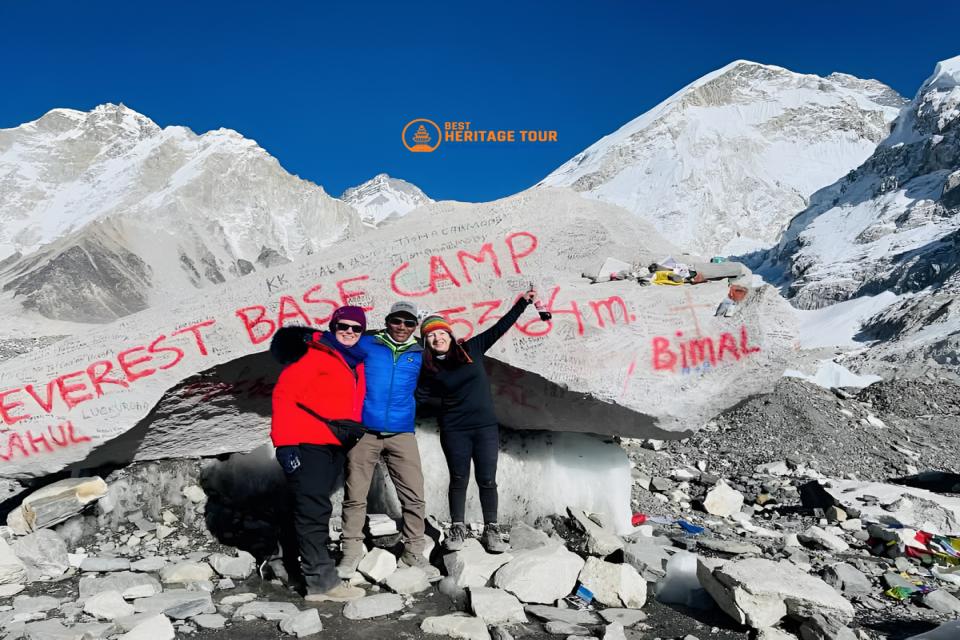
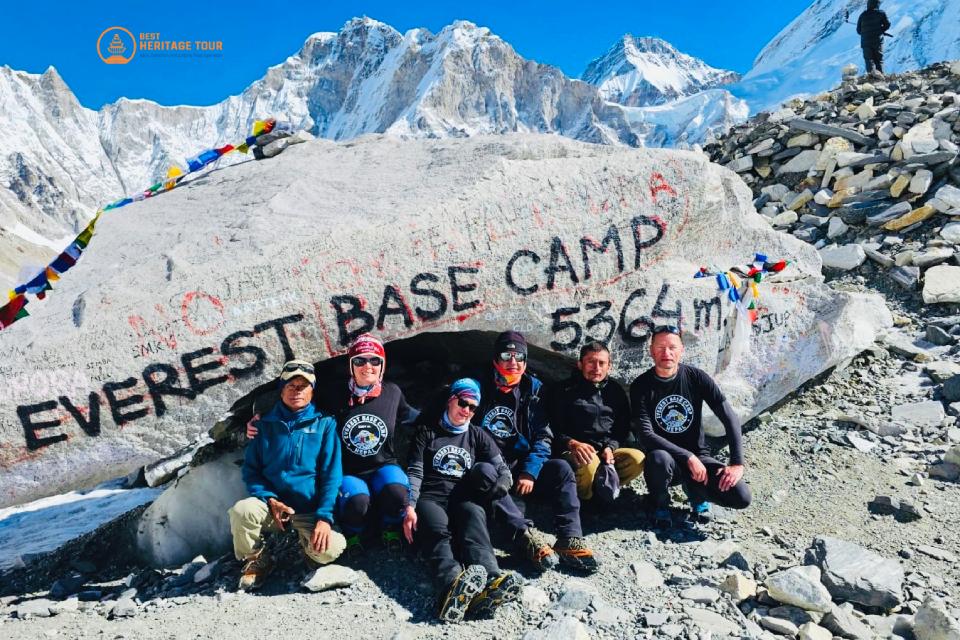
The trek starts at Lukla (2,860m) and reaches 5,364m at Base Camp and 5,545m at Kala Patthar. At these heights, oxygen levels are roughly 50% of what they are at sea level.
-
The Risk: Acute Mountain Sickness (AMS), HAPE, and HACE are non-discriminatory. They can hit the fittest athletes or the casual walker.
-
The Safety Net: A professional guide monitors your oxygen saturation levels daily using a pulse oximeter and recognizes the subtle "denial" phase of altitude sickness that trekkers often experience when they are alone.
2. Unpredictable Himalayan Weather
In the Khumbu region, a blue-bird morning can transform into a white-out blizzard in under an hour.
-
The Risk: Losing the trail or suffering from hypothermia.
-
The Safety Net: Local guides are trained to read cloud patterns and have direct radio or phone links to weather stations and tea house networks, ensuring you reach shelter before the storm hits.
3. Logistical Safety and Navigation
While the main trail is obvious, "shortcuts" or side trips (like the Cho La Pass) can be treacherous.
-
The Risk: Twisted ankles, falls, or getting lost on glacial moraines where the "path" changes every season due to ice movement.
-
The Safety Net: Having a companion ensures that if you slip, help is immediate. A guide also secures your room in advance - essential in 2026 as EBC has seen record-breaking visitor numbers, and solo travelers without bookings are often turned away from full tea houses.
How Safe is the Solo EBC Trek for Women?
This is one of the most frequent questions we receive at Best Heritage Tour. Nepal is widely regarded as one of the safest destinations in the world for solo female travelers due to the deeply ingrained culture of “Atithi Devo Bhava” (The Guest is God).
Safety and Respect
Female trekkers rarely face harassment on the trail. The trekking community is a global family, and the Sherpa people are famously respectful.
Why a Guided Solo Trek is Empowering for Women:
-
Personal Security: Having a vetted, professional guide from a reputable agency provides a layer of security, especially during early morning starts for sunrise views.
-
Health Advocacy: Sometimes, communicating feminine hygiene needs or specific health concerns can be daunting in a foreign culture. Our guides are trained to be professional, discreet, and supportive.
-
Social Connection: You get the solitude you want during the walk, but the guide acts as a cultural bridge, introducing you to local mothers and families in the tea houses, offering a deeper insight into the lives of Himalayan women.
Essential Safety Tips for Your 2026 EBC Journey
Regardless of your experience level, these "Golden Rules" from our senior guides will ensure your trek is memorable for the right reasons:
|
Category |
Safety Action Item |
|---|---|
|
Hydration |
Drink at least 3-4 liters of water daily. Avoid alcohol entirely above Namche Bazaar. |
|
Acclimatization |
Never skip the "rest" days in Namche (3,440m) and Dingboche (4,410m). Hike high, sleep low. |
|
Gear |
Invest in high-quality "broken-in" boots and a -20°C rated sleeping bag. |
|
Insurance |
Mandatory: Your insurance must cover helicopter evacuation up to 6,000m. |
|
Communication |
Purchase a local Ncell or NTC SIM card, but remember that satellite phones carried by guides are the only 100% reliable option. |
The Cost of "Going Alone" vs. Booking with Best Heritage Tour
In 2026, the hidden costs of attempting a solo trek (without an agency) can actually exceed the cost of a professional package.
-
Permit Hassles: Navigating the E-TIMS and Khumbu Pasang Lhamu Rural Municipality permits alone can take days of bureaucratic legwork in Kathmandu.
-
The "No Room" Risk: Independent trekkers are often given the least desirable "overflow" beds (or dining room benches) during peak season (March-May and Oct-Nov).
-
Emergency Costs: A solo helicopter evacuation can cost upwards of $5,000 USD if you don't have an agency on the ground to coordinate with your insurance and the heli-operators instantly.
At Best Heritage Tour, we handle every detail - from your Lukla flight (which are notoriously difficult to book) to your permits and medical monitoring. You focus on the mountains; we focus on the rest.
Conclusion
To answer the original question: Is solo trekking to Everest Base Camp safe? In the traditional sense of being completely alone - no. The risks of altitude and the new 2026 legal requirements make "pure solo" trekking both dangerous and prohibited.
However, a Private Solo Trek with Best Heritage Tour offers the perfect middle ground. You get the peace, the introspection, and the personal achievement of a solo journey, backed by the safety, legal compliance, and local expertise of Nepal’s premier heritage trekking company.
Ready to stand at the base of the world's highest peak? Don't leave your safety to chance in the unpredictable Himalayas. Let us craft a journey that respects the mountains and your personal goals.
Contact Best Heritage Tour Today
Phone / WhatsApp / Viber: +977-9851149197 / +977-9810043046
Email: info@bestheritagetour.com / bestheritagetour@gmail.com
Website: www.bestheritagetour.com
Office: Thamel Marg, Kathmandu, Nepal
Author: Best Heritage Tour
Date: 30th April, 2026