For many, the Everest Base Camp (EBC) Trek is the ultimate pilgrimage. It is a journey that transcends mere physical movement; it is an immersion into the high-altitude heart of the Himalayas, a walk through the ancient culture of the Sherpa people, and a test of personal resilience. However, before you lace up your boots and head to Lukla, one of the most practical questions every trekker asks is: How many miles is the Everest Base Camp Trek?
Understanding the EBC distance in KM and miles is crucial for your training, mental preparation, and physical pacing. At Best Heritage Tour, we believe that a well-informed trekker is a successful trekker. In this definitive guide, we break down the total distance, the daily mileage, and why the numbers on your GPS only tell half the story.
The Big Picture: Total Distance of the Everest Base Camp Trek
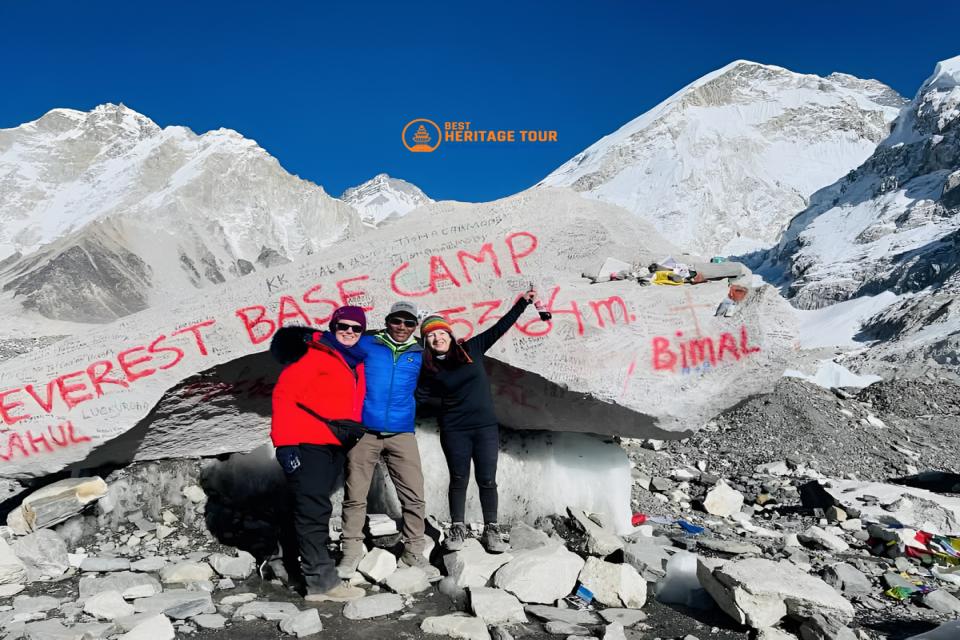
The standard round-trip journey from Lukla to Everest Base Camp and back is approximately 130 kilometers, which translates to roughly 80 miles.
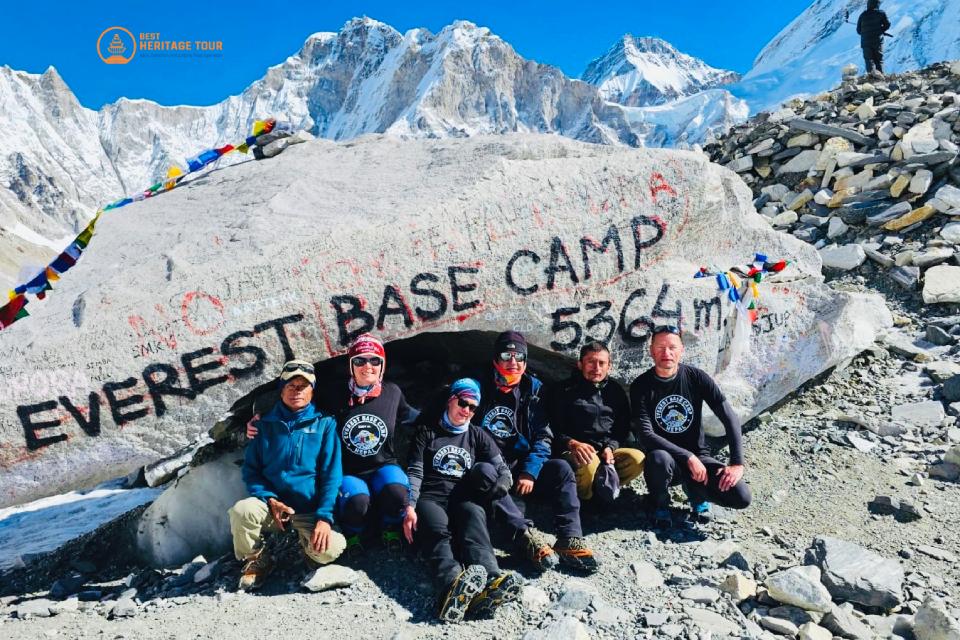
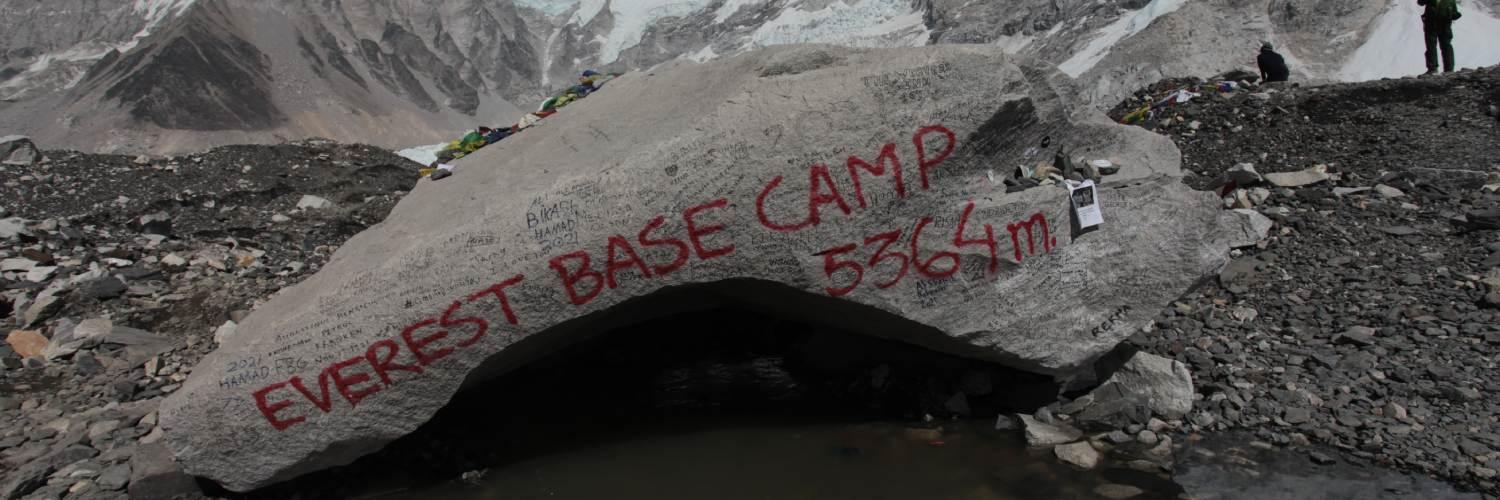
If you are looking at the one-way distance - from the Lukla airstrip to the edge of the Khumbu Icefall at Base Camp - you are covering about 65 kilometers (40 miles).
Why the Numbers Vary
While 130 km (80 miles) is the gold standard for the "Classic EBC Route," you might see different figures in various brochures. This isn't necessarily a mistake. Several factors influence the total distance covered:
-
Acclimatization Hikes: To safely reach 5,364 meters, you must take "rest days" in Namche Bazaar and Dingboche. These aren't actually days of sitting still; we take side hikes to higher elevations (like the Everest View Hotel or Nangkartshang Peak) to help our bodies adjust. These side trips can add 5 to 10 miles to your total journey.
-
The Kala Patthar Detour: Almost every trekker climbs Kala Patthar (5,545m) for the best view of Everest’s summit. This add-on adds roughly 2 to 3 miles of steep, rewarding trekking.
-
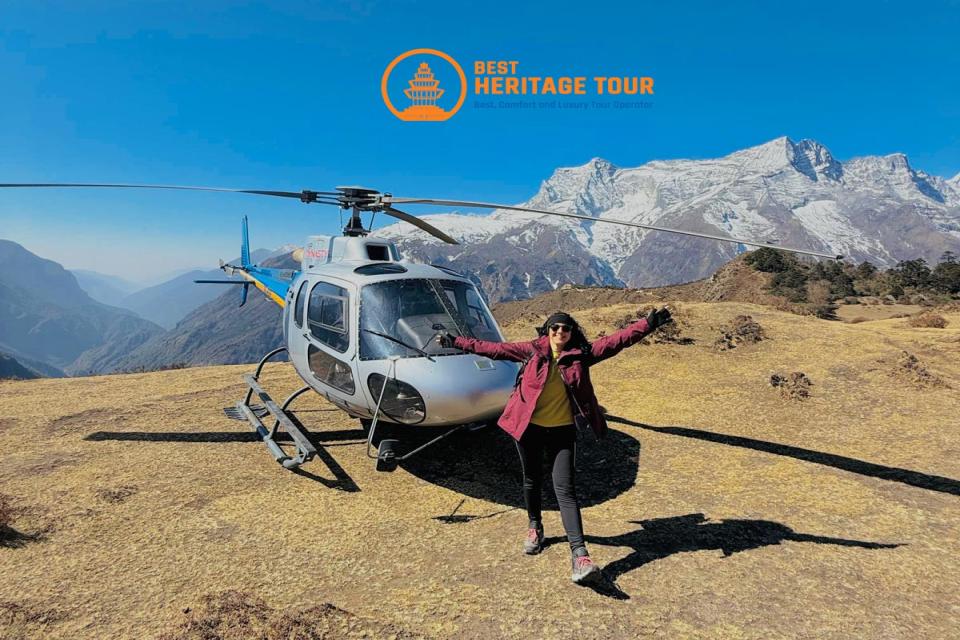
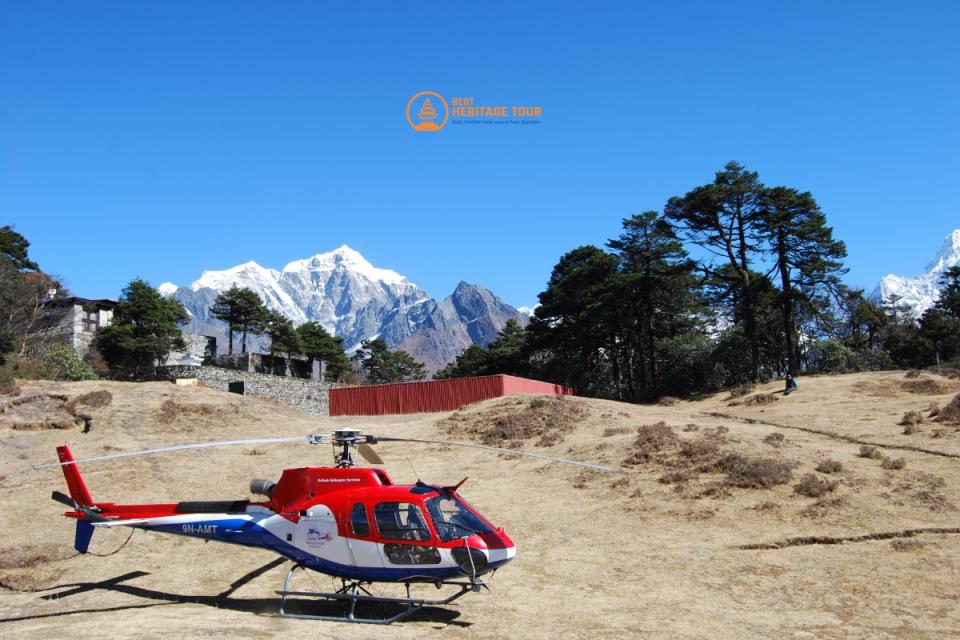
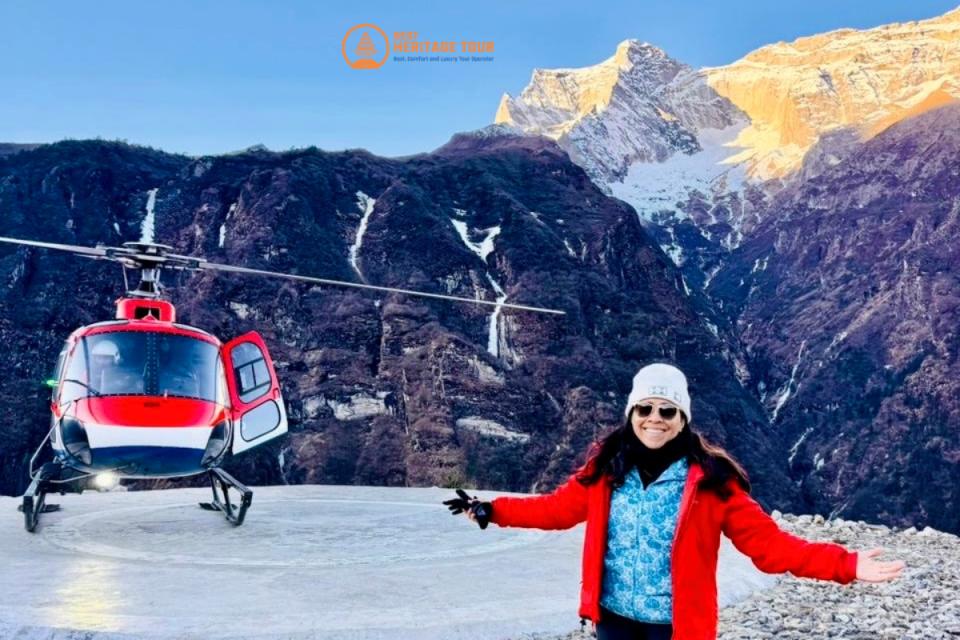
The "Fly-Back" Option: Some modern itineraries involve trekking to Base Camp and then taking a helicopter back to Lukla or Kathmandu. In this case, your trekking distance is cut in half to approximately 40 miles.
Day-by-Day Breakdown: Everest Base Camp Trek Kilometers and Miles
To help you visualize the journey, let’s look at a typical 12-day itinerary. Note how the distance covered per day often decreases as the altitude increases, reflecting the slower pace required in the "thin air."
|
Day |
Route |
Distance (KM) |
Distance (Miles) |
Approx. Hours |
|---|---|---|---|---|
|
01 |
Lukla to Phakding |
8 km |
5 miles |
3-4 hrs |
|
02 |
Phakding to Namche Bazaar |
11 km |
6.8 miles |
6-7 hrs |
|
03 |
Acclimatization in Namche |
4 km |
2.5 miles |
3-4 hrs |
|
04 |
Namche to Tengboche |
10 km |
6.2 miles |
5-6 hrs |
|
05 |
Tengboche to Dingboche |
11 km |
6.8 miles |
5-6 hrs |
|
06 |
Acclimatization in Dingboche |
5 km |
3.1 miles |
3-4 hrs |
|
07 |
Dingboche to Lobuche |
8 km |
5 miles |
5-6 hrs |
|
08 |
Lobuche to Gorak Shep & EBC |
15 km |
9.3 miles |
8-9 hrs |
|
09 |
Gorak Shep to Kala Patthar & Pheriche |
13 km |
8 miles |
7-8 hrs |
|
10 |
Pheriche to Namche Bazaar |
14 km |
8.7 miles |
6-7 hrs |
|
11 |
Namche to Lukla |
19 km |
11.8 miles |
7-8 hrs |
Total Cumulative Distance: ~118-130 km (Approx. 73-80 miles)
Why "Distance" is Deceptive in the Himalayas
When you see that you are only walking 5 to 9 miles a day, you might think, "I can do that before lunch at home!" However, trekking in the Khumbu region is vastly different from a weekend stroll in the countryside.
1. The Altitude Factor
At sea level, 9 miles is a comfortable walk. At 5,000 meters (over 16,000 feet), the effective oxygen level is nearly half of what it is at sea level. Your heart works harder, your breath comes shorter, and every kilometer feels like three. This is why we focus on "Bistari, Bistari" (slowly, slowly).
2. Vertical Displacement (Gain and Loss)
The EBC distance in KM measures horizontal progress, but it doesn't account for the massive "up and down" nature of the trail. You will cross deep river gorges on suspension bridges only to climb thousands of feet back up the other side. Over the course of the trek, you will gain a total of about 2,500 to 2,800 meters (8,200+ feet) in elevation.
3. The Terrain
The path is not a paved road. It consists of rocky stairs, dusty mule tracks, sandy moraines near the glacier, and potentially snow-covered passes. Navigating a boulder field near Gorak Shep takes much longer than walking the same distance on a flat forest path.
Preparing for the Distance: Training Tips
Knowing how many miles the Everest Base Camp Trek is allows you to tailor your training. Since the average day involves 5-8 hours of movement, your training should focus on endurance rather than speed.
-
Leg Strength: Focus on squats, lunges, and step-ups. Your quads and calves will bear the brunt of the descent.
-
Cardiovascular Base: Consistency is key. Long walks (3-5 hours) with a weighted backpack are the best way to simulate the trek.
-
Mental Fortitude: On Day 11, when you have to walk nearly 12 miles back to Lukla on tired legs, your mental "engine" is what keeps you moving.
Alternative Routes and Their Distances
For those who want to see more of the Everest region, there are several variations to the classic trek.
The Gokyo Lakes via Cho La Pass
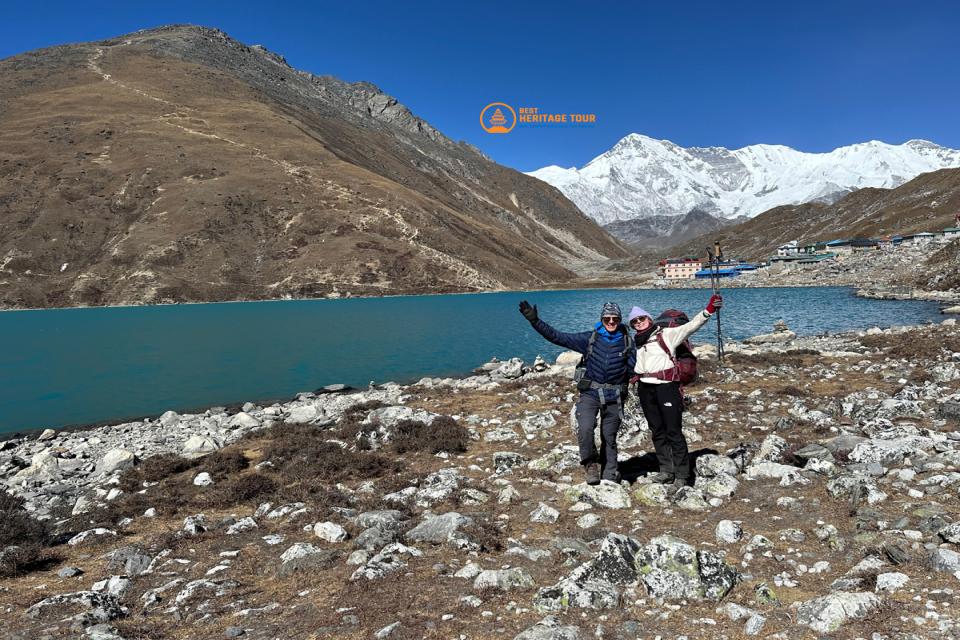
This is a stunning alternative that circles back to the main EBC trail. It adds significant distance and a high-mountain pass.
-
Total Distance: Approximately 150-160 km (93-100 miles).
-
Best for: Trekkers who want to avoid the "highway" feel of the main trail and see the emerald-green Gokyo Lakes.
Jiri to Everest Base Camp (The "Pioneer" Route)
Before the airport in Lukla was built, this was the only way to reach Everest. It involves a long bus ride and many extra days of trekking through the "middle hills" of Nepal.
-
Total Distance: Approximately 185+ km (115+ miles).
-
Best for: Those with plenty of time who want to follow in the footsteps of Sir Edmund Hillary and Tenzing Norgay.
Conclusion
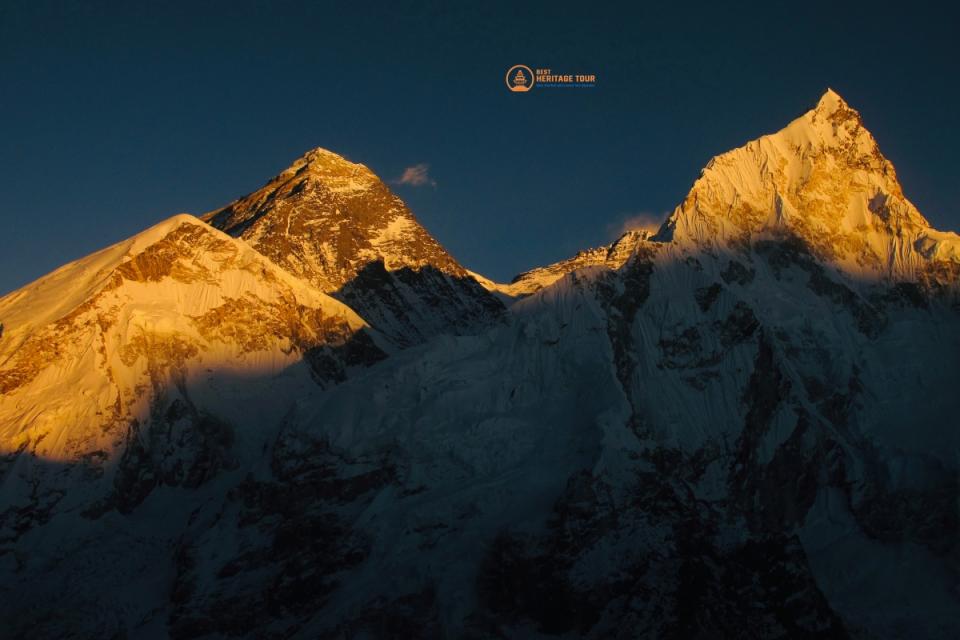
Whether you measure the journey in kilometers or miles, the real value of the Everest Base Camp trek isn't found in the numbers on a map. It is found in the moment the sun hits the summit of Nuptse, the sound of prayer wheels spinning in a remote monastery, and the shared tea with fellow travelers in a cozy lodge.
At Best Heritage Tour, we don't just guide you across the 80 miles to Everest; we ensure you experience the soul of Nepal along the way. From expert pacing to ensure proper acclimatization to providing deep cultural insights into the Sherpa way of life, our team is dedicated to making your Himalayan dream a reality.
Ready to Start Your Journey?
The trail is waiting. If you have more questions about how many kilometers is the Everest Base Camp Trek or if you're ready to book your 2026/2027 adventure, reach out to us today.
Phone / WhatsApp / Viber: +977-9851149197 / +977-9810043046
Email: info@bestheritagetour.com / bestheritagetour@gmail.com
Website: www.bestheritagetour.com
Office: Thamel Marg, Kathmandu, Nepal
Author: Best Heritage Tour
Date: 22nd March, 2026