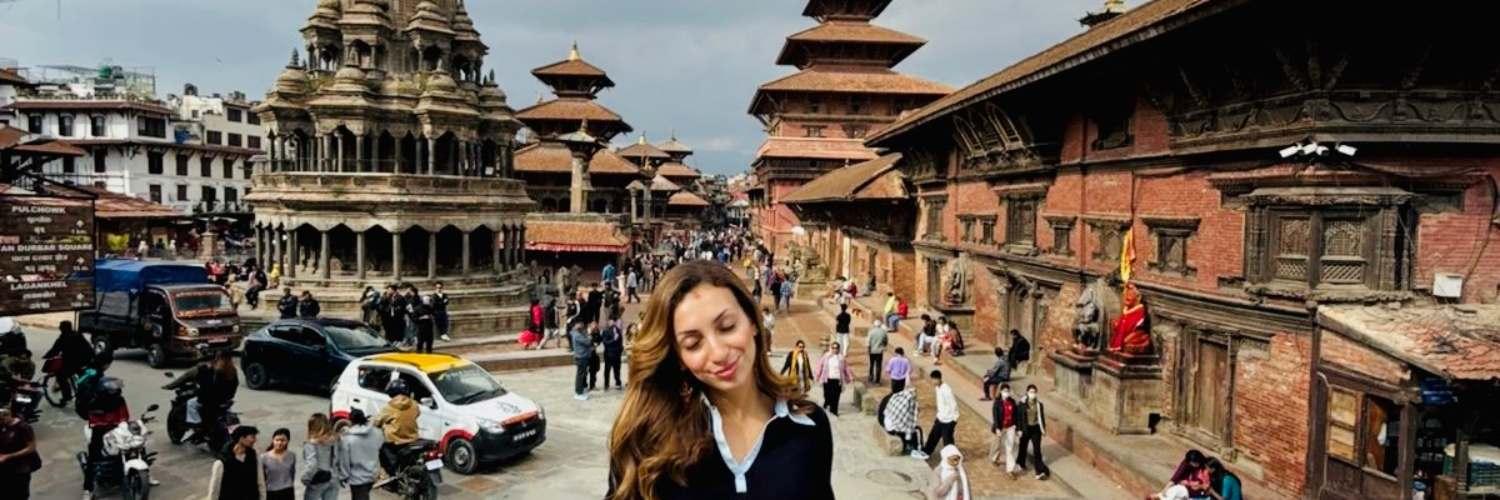
For many, the mention of Nepal conjures images of jagged white peaks and the grueling ascent toward Everest Base Camp. However, at Best Heritage Tour, we believe that the true essence of the Himalayas lies not just in the altitude, but in the heartbeat of the people who call these mountains home. To walk the trails of Nepal is to travel through time, passing ancient monasteries, vibrant ethnic villages, and sacred landscapes that have remained unchanged for centuries.
If you are looking for more than just a physical challenge - if you seek a journey that feeds the soul and expands your cultural horizon - finding a culturally rich trek in Nepal is the ultimate travel goal. In this comprehensive guide, we invite you to step beyond the postcard views and immerse yourself in the living heritage of our nation.
What Defines a Culturally Rich Trek in Nepal?
A culturally rich trek in Nepal is characterized by more than just scenery. It is a route where the human story is as prominent as the natural landscape. These treks typically offer:
-
Interaction with Ethnic Communities: Opportunities to stay in traditional homes (homestays) with the Tamang, Gurung, Sherpa, or Thakali people.
-
Religious Landmarks: Ancient Buddhist monasteries (Gompas), Hindu temples, and Mani walls (prayer stone walls) that line the trails.
-
Living Traditions: Witnessing daily rituals, seasonal harvests, and local festivals that have been preserved for generations.
-
Historical Trade Routes: Walking paths once used by salt traders and silk merchants connecting Nepal with Tibet.
At Best Heritage Tour, we specialize in curating these authentic experiences, ensuring that your presence supports local economies while providing you with an unfiltered look at Himalayan life.
Top Picks: Finding the Best Culturally Rich Trek in Nepal
While every trail in Nepal has its own story, certain regions stand out for their profound cultural depth. Depending on your interests and time, here are our top recommendations for 2026.
1. The Tamang Heritage Trail: An Immersive Village Experience
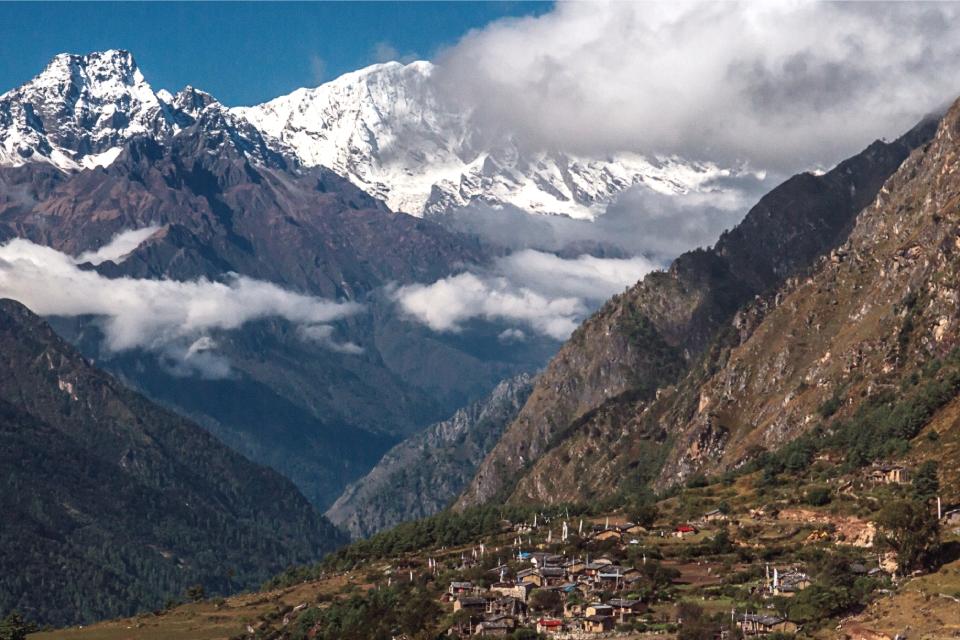
Located in the Langtang region, the Tamang Heritage Trail is arguably the best culturally rich trek in Nepal for those seeking intimate community interaction. Unlike the more commercialized routes, this trek was specifically designed to highlight the unique culture of the Tamang people, whose ancestors migrated from Tibet.
-
Cultural Highlights: The village of Gatlang with its traditional stone houses, and the healing natural hot springs of Tatopani.
-
The Experience: You will witness the intricate woodcarvings on local houses and the colorful traditional costumes of the Tamang women. Staying in local homestays allows you to taste authentic cuisine like Tsampa (roasted barley flour) and butter tea.
2. Tsum Valley: The Hidden "Beyul" of Happiness
Tsum Valley, often called the "Hidden Valley," is a sacred Buddhist pilgrimage site. It remained closed to foreigners until 2008, preserving its pristine Tibetan Buddhist culture.
-
Cultural Highlights: The Mu Gompa and Rachen Gompa, ancient monasteries where the philosophy of non-violence is strictly practiced - no animals are slaughtered in the valley.
-
The Experience: This is a trek of profound spirituality. The valley is dotted with "Chortens" (stupas) and "Kanis" (gateway arches) that reflect the deep-rooted faith of the Tsumbas.
3. Upper Mustang: The Forbidden Kingdom of Lo
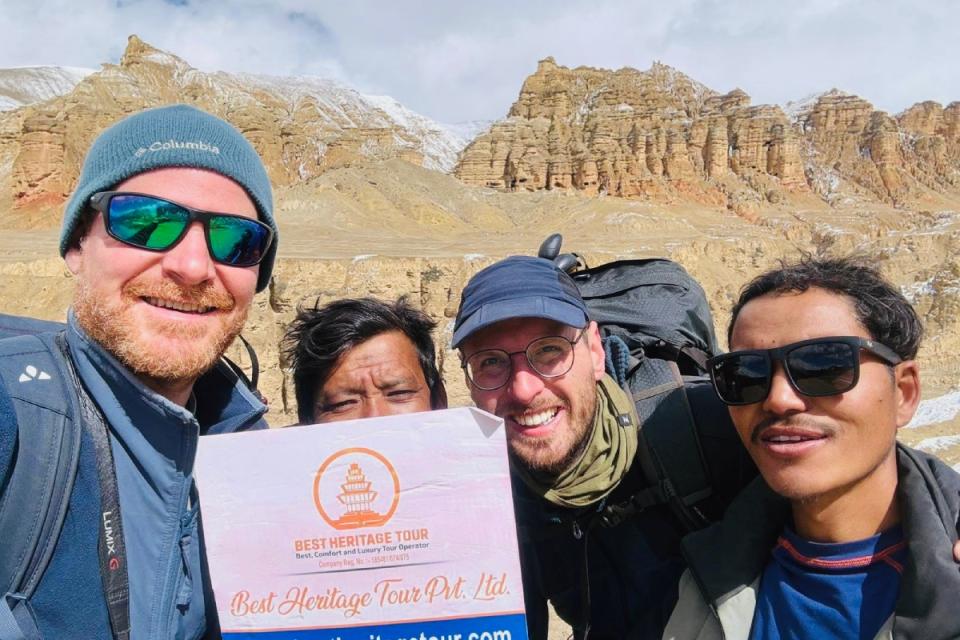
Trekking into Upper Mustang is like walking into a living museum. This arid, desert-like landscape was once an independent kingdom, and its capital, Lo Manthang, remains one of the last bastions of pure Tibetan culture in the world.
-
Cultural Highlights: The 15th-century monasteries of Lo Manthang and the mysterious "Sky Caves" carved into vertical cliffs.
-
The Experience: If you time your visit for May, you can witness the Tiji Festival, a three-day ritual celebrating the victory of good over evil. The vibrant masked dances and ancient costumes make this the pinnacle of cultural trekking.
4. The Helambu Trek: A Journey into Hyolmo Culture
If you are looking for a culturally rich trek in Nepal that is easily accessible from Kathmandu yet feels worlds away from the modern era, the Helambu Trek is an exceptional choice. This region is the ancestral home of the Hyolmo people, a unique ethnic group whose culture is a fascinating blend of indigenous mountain traditions and Tibetan Buddhism.
-
Cultural Highlights: The ancient, sprawling monasteries of Tarke Ghyang and Melamchi Ghaon, which serve as the spiritual hubs of the valley.
-
The Experience: This trek is often called the "Valley of Monasteries." Unlike the high-altitude glacial landscapes of Everest, Helambu offers lush forests and terraced hillsides. The Hyolmo culture is famous for its hospitality; you’ll find yourself welcomed into homes to learn about their distinct language, intricate dress, and the sacred Buddhist "hidden land" (Beyul) philosophy that defines their relationship with the environment. It is the perfect trek for those who want deep cultural immersion without the logistical intensity of high-altitude mountain passes.
Seasonal Insights: When to Experience Nepal’s Heritage
Choosing the right time for your culturally rich trek in Nepal can drastically change your experience, as the cultural calendar is tied to the lunar cycle and harvest seasons.
Spring (March to May)
Spring is not only about rhododendrons; it is a time of rebirth. In April, the Nepalese New Year (Bisket Jatra) brings vibrant chariot processions to the streets. It is also the best time for the Tiji Festival in Mustang.
Autumn (September to November)
This is the most popular trekking season, but it is also the season of Dashain and Tihar, Nepal's biggest festivals. If you are trekking through Gurung or Magar villages during this time, you will see homes decorated with marigolds and oil lamps, and you may even be invited to join a family feast.
Winter (December to February)
While high passes may be closed, lower-altitude cultural treks like the Thamel Heritage Tour or the Helambu trek are perfect. In late January or February, you can witness Lhosar (Tibetan New Year), where monasteries come alive with prayer flags and ceremonial dances.
Why Cultural Authenticity Matters
In an era of over-tourism, Best Heritage Tour remains committed to sustainable and responsible travel. A culturally rich trek is not a performance for tourists; it is an invitation into a way of life. When you choose an authentic route, you are:
-
Preserving Heritage: Your trekking permits and lodge stays provide the financial means for communities to maintain their monasteries and traditional homes.
-
Supporting Local Artisans: Buying a hand-woven dhaka shawl or a hand-carved mask directly from a village artisan ensures their craft survives.
-
Broadening Perspectives: Learning about the "Dharma" or the resilience of mountain communities changes how you view your own world.
Conclusion
Nepal is a land where the mountains touch the sky, but the culture touches the heart. A culturally rich trek in Nepal is more than a holiday; it is a transformative experience that stays with you long after the dust has settled on your hiking boots. Whether you are spinning a prayer wheel in Tsum Valley or sharing a meal in a Tamang kitchen, you are participating in a story that began thousands of years ago.
Ready to start your adventure?
Phone / WhatsApp / Viber: +977-9851149197 / +977-9810043046
Email: info@bestheritagetour.com / bestheritagetour@gmail.com
Website: www.bestheritagetour.com
Office: Thamel Marg, Kathmandu, Nepal
FAQs
Which are the Most Culturally Rich Treks in Nepal?
Some of the culturally rich treks in Nepal are Tamang Heritage Trail, Tsum Valley Trek, Upper Mustang Trek, Helambu Trek etc. Each treks introduce trekkers with different cultures and traditions.
How do cultural treks in Nepal differ from classic routes like Everest Base Camp?
While classic treks prioritize high altitudes and glacial views, cultural treks focus on local heritage, indigenous communities, and spiritual traditions. Travelers stay in local homestays, visit ancient monasteries, and walk historic trade routes rather than chasing high mountain peaks.
What cultural etiquette should travelers follow when trekking in Nepal?
-
Walk Clockwise: Always pass Buddhist stupas, monasteries, and Mani walls on your left (clockwise).
-
Remove Shoes: Take off footwear before entering homes, temples, and monasteries.
-
Dress Modestly: Cover shoulders and knees when visiting villages and sacred sites.
Author: Best Heritage Tour
Date: 23rd April, 2026