For many travelers, the dream of trekking in Nepal is painted with images of solitary paths, the rhythmic sound of a heartbeat against the silence of the Himalayas, and untouched landscapes. However, as the world rediscovers the magic of the Annapurna region in 2026, the classic "Tea House Trails" to Annapurna Base Camp (ABC) or the Thorong La Pass can sometimes feel more like a bustling highway than a mountain wilderness.
At Best Heritage Tour, we believe that the true essence of the Himalayas isn’t found in a queue of hikers waiting for a photo op. It is found in the hidden ridges, the community-run villages, and the high-altitude pastures where the only other tracks you’ll see belong to a Himalayan Monal or a grazing yak.
If you are craving the grandeur of the Annapurnas without the "mass-tourism" experience, this guide is for you. We are pulling back the curtain on the most pristine, crowd-free trekking routes in the Annapurna Conservation Area for 2026.
The Reality of Trekking in 2026: Why Go "Off the Beaten Path"?
The Annapurna region is a victim of its own beauty. The infrastructure has improved - better roads, faster Wi-Fi, and more comfortable lodges - but this accessibility has funneled thousands of trekkers onto the same three or four routes. In 2026, the "Big Three" (Annapurna Circuit, ABC, and Poon Hill) are seeing record numbers.
Choosing a less-traveled route isn't just about avoiding photobombs; it’s about Sustainable Tourism. By stepping off the main trail, you distribute your tourism dollars to smaller communities that rely on seasonal visitors. You get a more authentic cultural exchange, as the locals in these areas aren't overwhelmed by the constant flow of foreigners.
1. Khopra Ridge (Khopra Danda): The Ultimate ABC Alternative
If you want the panoramic views of the Annapurna South and Dhaulagiri massifs without the thousands of people at ABC, Khopra Ridge is our top recommendation.
The Route and Experience
Most trekkers follow the trail toward Poon Hill, but while the masses turn left toward Ghorepani, the Khopra Ridge trail strikes off into the clouds. This is a "Community Trek," meaning the lodges are owned and operated by the local villages to fund schools and health clinics.
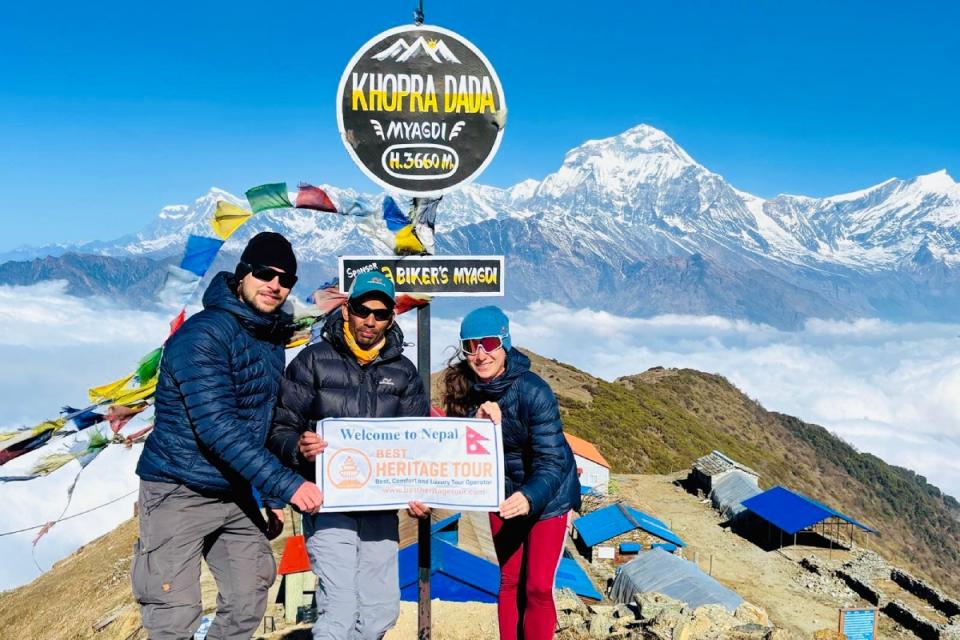
The highlight of this trek is the stay at the Khopra Community Lodge, perched on a narrow ridge at 3,660 meters. From your bedroom window, the 8,167-meter Dhaulagiri (the world’s seventh-highest mountain) feels close enough to touch.
The Hidden Gem: Khayer Lake
The true test of the Khopra trek is the day hike to Khayer Lake (4,660m). This is a sacred high-altitude lake sitting at the foot of Annapurna South. Very few westerners ever make it here. The trail is rugged, the air is thin, and the silence is absolute. It is a grueling day, but as a guide, I can tell you: standing at the edge of that turquoise water with nothing but the wind for company is a spiritual experience that no "Base Camp" can replicate.
-
Difficulty: Moderate to Challenging (due to the Khayer Lake day trip).
-
Best For: Photographers and those seeking deep cultural immersion.
-
Duration: 7 to 9 days.
2. Mardi Himal: The "Ridge of the Gods"
Though it has gained some popularity in recent years, Mardi Himal remains significantly quieter than its neighbor, Annapurna Base Camp. While ABC sits in a deep valley (the Sanctuary), Mardi Himal takes you along a high ridge, offering a "top-down" view of the entire range.
Why It’s Unique
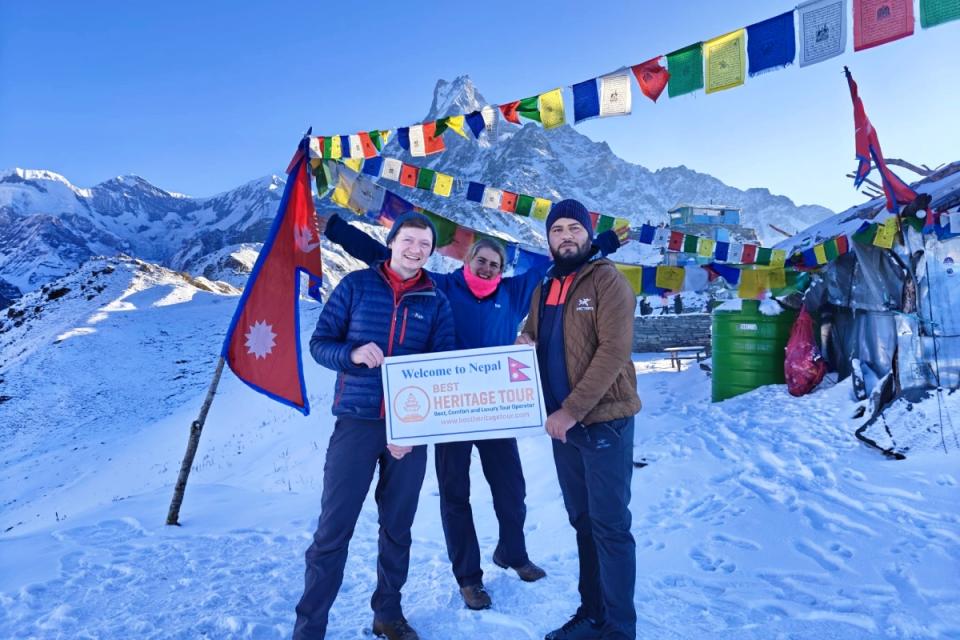
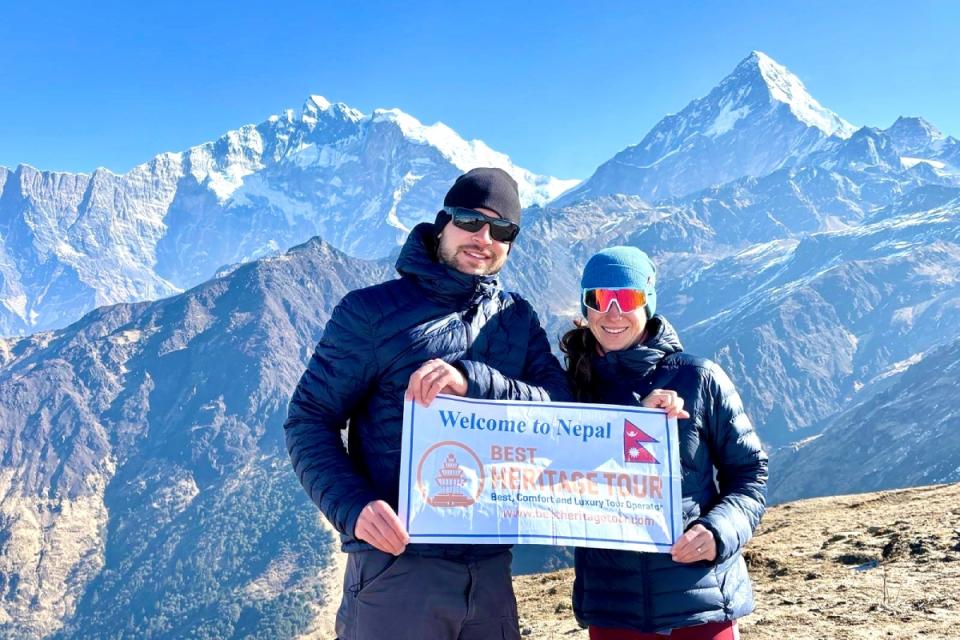
The trail stays on the ridgeline for almost the entire duration. To your left is the massive wall of the Annapurnas; to your right is the deep Pokhara valley. The star of the show here is Machhapuchhre (Fishtail). Since this mountain is sacred and off-limits for climbing, looking at its razor-sharp peak from the Mardi High Camp feels like peering into a forbidden world.
Beating the 2026 Crowds
To ensure a crowd-free experience on Mardi Himal, we recommend trekking in the Early Winter (December) or Late Spring (May). In 2026, the lodges at High Camp have been upgraded, but they still maintain that rustic, intimate feel that the larger tea houses on the Circuit have lost.
-
Difficulty: Moderate.
-
Best For: Travelers with limited time who still want "Big Mountain" views.
-
Duration: 5 to 6 days.
3. Nar Phu Valley: A Step Back in Time
For those who have the time and the stamina, the Nar Phu Valley Trek is the gold standard for "Off the Beaten Path" adventure. This is a restricted area, meaning you need a special permit and a registered guide (which Best Heritage Tour facilitates).
The "Forbidden" Villages
The trek branches off from the Annapurna Circuit at Koto. Within hours, the greenery disappears, replaced by a wild, narrow canyon. The villages of Nar and Phu are medieval stone settlements where the culture is more Tibetan than Nepali. In 2026, these villages remain largely unchanged by the outside world.
You will cross the Kang La Pass (5,320m), which offers arguably the most spectacular view of the Annapurna range from the north side. Unlike the Thorong La, where you might see 200 people crossing in a day, on the Kang La, you might be the only one.
-
Difficulty: Challenging.
-
Best For: Experienced trekkers looking for a "True Expedition" feel.
-
Duration: 12 to 14 days.
4. North Annapurna Base Camp (Narchyang)
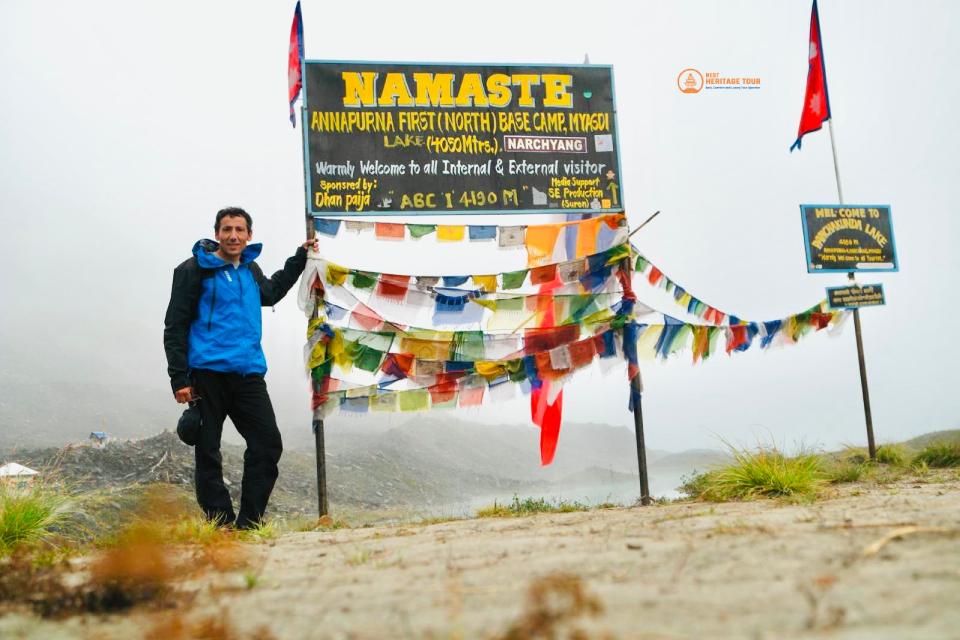
Did you know there is a second Base Camp? While 99% of trekkers go to the South Base Camp, the North Annapurna Base Camp (the actual site used by the 1950 French expedition) is a wilderness paradise.
The Untamed Trail
This route starts from the Kali Gandaki valley near Lete. There are no luxury teahouses here. In fact, in some sections, we still use tented camps or very basic homestays. The trail follows the Hum Khola through dense forests before opening up into a glacial amphitheater at the foot of Annapurna I’s North Face.
This is not a trek for the faint of heart. It requires a sense of adventure and a willingness to step away from the comforts of "apple pie" trekking. But the reward is a view of Annapurna I that is far more dramatic and raw than anything you see from the south.
-
Difficulty: Challenging / Wild.
-
Best For: True adventurers and history buffs.
-
Duration: 8 to 10 days.
5. Mohare Danda: The Eco-Friendly Alternative to Poon Hill
Everyone goes to Poon Hill for the sunrise. In peak season, there can be 500 people at the summit at 5:00 AM. If that sounds like a nightmare, Mohare Danda is your solution.
Sustainable & Serene
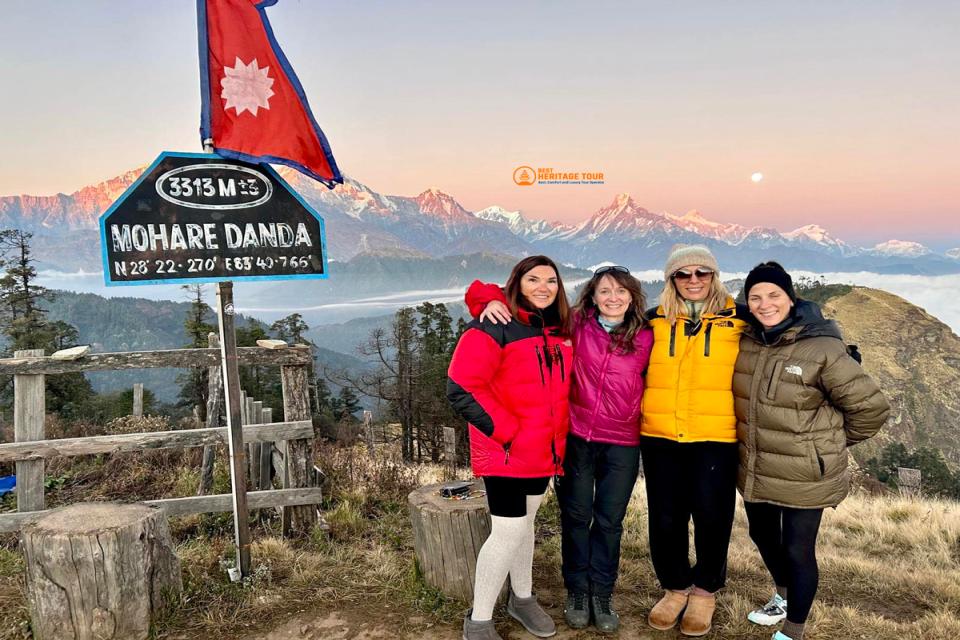
Mohare Danda sits at a similar altitude (3,300m) and offers a nearly identical view of Dhaulagiri and Annapurna. However, it is part of a community-based eco-trail. Instead of massive concrete hotels, you stay in small community lodges that emphasize organic food and local hospitality.
In 2026, we are seeing a shift toward "Slow Travel," and Mohare Danda is the heartbeat of this movement in the Annapurnas. It’s the perfect trek for families or those who want a gentle introduction to the Himalayas without the tourist circus.
-
Difficulty: Easy to Moderate.
-
Best For: Families, beginners, and eco-conscious travelers.
-
Duration: 4 to 5 days.
Strategic Planning: How to Avoid Crowds in 2026
Choosing the right trail is only half the battle. To truly experience a quiet Annapurna, you must also master the timing and logistics.
1. The "Shoulder Season" Secret
The busiest months are October and April. However, in 2026, climate patterns have made the Late February to Early March window incredible. The rhododendrons begin to bloom at lower elevations, the skies are crisp, and the trails are nearly empty. Similarly, Late November to Mid-December offers the clearest skies of the year with only a fraction of the October crowds.
2. The Early Bird Strategy
Even on busier trails, the crowds usually follow a predictable pattern. They wake up at 7:00 AM and start walking at 8:30 AM. As guides, we often start our clients at 6:00 AM. This 90-minute head start allows you to have the trail to yourself, reaching the next village just as the "bubble" of trekkers is arriving.
3. Take the "Old" Trails
Road construction has changed the Annapurna Circuit forever. Many trekkers simply take a jeep to Manang, skipping the lower sections. This is a mistake! The "NATT" (New Annapurna Trekking Trails) are marked trails that avoid the roads. These sections - like the walk from Chamje to Dharapani - are now quieter than they’ve been in decades because everyone else is in a jeep.
Essential Gear for Off-the-Beaten-Path Treks
When you leave the main trails, the infrastructure becomes more basic. You won't find a gear shop in Nar or a pharmacy on Khopra Ridge. Your packing list needs to be more robust:
-
Water Purification: Don't rely on bottled water. Use a UV purifier or high-quality filter to stay eco-friendly and self-sufficient.
-
Power Banks: Solar charging is common in 2026, but in remote areas, it can be unreliable. Carry a high-capacity power bank.
-
Offline Maps: While we always provide a guide, having a GPS-enabled map like Maps.me or Gaia GPS with offline Himalayan layers is a must for personal safety.
-
Personal Medkit: Include broad-spectrum antibiotics and altitude sickness medication (Diamox), as medical posts are sparse on these routes.
Final Thoughts
The Annapurna region is changing, but its soul remains intact - if you know where to look. Whether it’s the high-altitude silence of Khayer Lake or the medieval charm of the Nar Phu valley, there is still a version of the Himalayas that feels wild and undiscovered.
In 2026, don’t just follow the map. Follow the ridges. Follow the locals. Follow your sense of wonder.
Ready to plan your escape? The Annapurna mountains are waiting, and at Best Heritage Tour, we are ready to take you beyond the postcards and into the heart of the wild.
Phone / WhatsApp / Viber: +977-9851149197 / +977-9810043046
Email: info@bestheritagetour.com / bestheritagetour@gmail.com
Website: www.bestheritagetour.com
Office: Thamel Marg, Kathmandu, Nepal
Author: Best Heritage Tour
Date: 23rd March, 2026