Best Time to Visit Tibet Side Everest Base Camp
Everest - the name itself evokes awe and wonder, standing tall at 8,848 meters as the world’s highest peak. While most travelers are familiar with the classic Nepal side trekking routes, Tibet offers a unique perspective that is often less crowded, culturally rich, and spectacularly scenic. The Tibet side of Everest Base Camp (EBC) is perfect for travelers who may not want to undertake strenuous trekking but still wish to experience the grandeur of the Himalayas. If you’re planning your journey, understanding the best time to visit Tibet side Everest Base Camp is crucial to ensure an unforgettable adventure.
In this comprehensive guide, we’ll break down the optimal months to visit, climate considerations, sightseeing opportunities, travel tips, and cultural highlights - helping non-trekkers and tourists plan their dream trip with ease.
Overview of Tibet Side Everest Base Camp
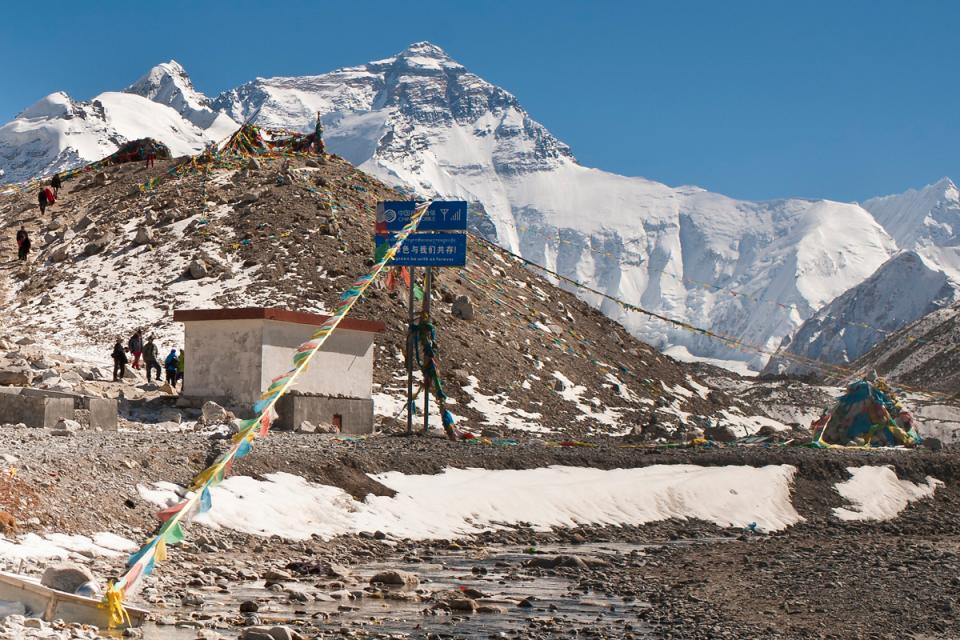
Located in the Qomolangma National Nature Preserve, Tibet’s Everest Base Camp is situated on the northern side of the mountain, compared to the more commonly visited Nepal side. The Tibetan EBC lies at approximately 5,150 meters (16,900 feet) above sea level and offers panoramic views of the north face of Mount Everest.
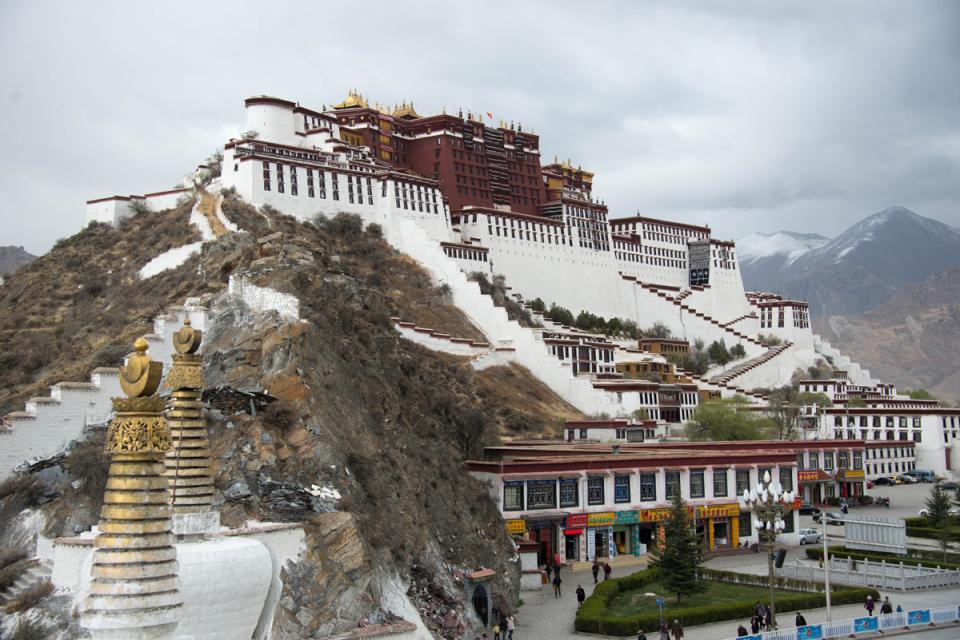
Unlike the Nepal side, which involves days of trekking, the Tibet side is more accessible by vehicle. Travelers can enjoy a scenic journey from Lhasa, Tibet’s capital, passing through rugged landscapes, high-altitude deserts, and traditional Tibetan villages. Along the way, you’ll encounter breathtaking mountain vistas, turquoise lakes, and cultural landmarks that offer a truly immersive experience.
The Tibet side is ideal for tourists seeking a less crowded, culturally enriched, and easily accessible Everest experience, making it perfect for non-trekkers and first-time visitors.
Climate and Seasons in Tibet
Tibet’s high-altitude environment significantly impacts the weather at Everest Base Camp. Understanding the seasonal climate is essential for planning your visit. The region experiences four distinct seasons:
Spring (March to May)
Spring is one of the best times to visit Tibet EBC. During these months, the weather begins to warm up, snow starts melting, and the skies are usually clear. Daytime temperatures range between 5°C to 15°C (41°F to 59°F), while nights remain chilly.
-
Pros: Clear views of Everest, blooming wildflowers, comfortable daytime temperatures.
-
Cons: Some areas may still have residual snow, and nights can be cold.
Summer/Monsoon (June to August)
Tibetan summers are warmer, with daytime temperatures reaching 15°C to 20°C (59°F to 68°F). Unlike Nepal, the monsoon impact is less severe on the Tibet side, but occasional rain or snowfall at higher altitudes may occur.
-
Pros: Green landscapes, lively Tibetan villages, fewer tourists than spring.
-
Cons: Slightly unpredictable weather, occasional road disruptions due to rain.
Autumn (September to November)
Autumn is considered the peak season for visiting Tibet EBC. Clear skies, stable weather, and crisp air make it ideal for photography and sightseeing. Temperatures during the day range from 5°C to 15°C (41°F to 59°F), while nights can drop below freezing.
-
Pros: Crystal-clear mountain views, pleasant weather, and excellent cultural festival opportunities.
-
Cons: Accommodation may be in higher demand due to peak tourism season.
Winter (December to February)
Winter in Tibet is harsh, with daytime temperatures often below 0°C (32°F) and nights plunging to -20°C (-4°F) at EBC. Snowfall is common, and roads can be icy, making travel more challenging.
-
Pros: Fewer tourists, serene landscapes, perfect for those seeking solitude.
-
Cons: Extreme cold, limited vehicle accessibility, and higher risk of altitude-related issues.
Best Time to Visit Tibet Side Everest Base Camp
Considering climate, accessibility, and sightseeing opportunities, the best time to visit Tibet side Everest Base Camp is during the spring (March to May) and autumn (September to November) seasons.
Why Spring is Ideal
Spring brings a combination of moderate temperatures and natural beauty. Snow from winter begins to melt, revealing green pastures and wildflowers along the route. The skies are often clear, offering unobstructed views of Mount Everest. Spring is especially suitable for non-trekkers who prefer a comfortable climate without harsh cold conditions.
Why Autumn is Ideal
Autumn offers the clearest skies and the most stable weather of the year. Photographers and nature enthusiasts will find the crisp air and panoramic vistas perfect for capturing the Everest scenery. Additionally, autumn coincides with several Tibetan cultural festivals, allowing travelers to witness traditional ceremonies, prayer rituals, and local celebrations.
Months to Avoid
-
June to August: While travel is possible, summer can bring occasional rain and less predictable weather.
-
December to February: Extreme cold and potential road closures make winter visits risky, particularly for non-trekkers or tourists unfamiliar with high-altitude conditions.
Activities for Non-Trekkers and Tourists
One of the advantages of visiting the Tibet side EBC is that you don’t need to trek to enjoy the experience. Here are some activities perfect for non-trekkers:
Scenic Drives and Viewpoints
The journey from Lhasa to Everest Base Camp is a visual feast. Key stops include:
-
Namtso Lake: A turquoise high-altitude lake surrounded by snow-capped peaks.
-
Gyirong Town: A quaint border town offering local Tibetan market experiences.
-
Rongbuk Monastery: The highest monastery in the world, offering spiritual and cultural insights alongside incredible mountain views.
Cultural Experiences
Tibet is rich in Buddhist culture and traditions. Non-trekkers can enjoy:
-
Visiting local monasteries and prayer halls.
-
Experiencing traditional Tibetan food, music, and dance.
-
Observing daily rituals of Tibetan villagers living in high-altitude regions.
Photography and Nature Exploration
With minimal crowds compared to the Nepal side, the Tibet EBC region offers:
-
Panoramic views of Mount Everest, Lhotse, and Makalu.
-
Opportunities to capture Tibetan wildlife such as yak herds and Himalayan blue sheep.
-
Stunning landscapes, including high-altitude deserts, glaciers, and rivers.
Short Hikes and Acclimatization-Friendly Options
Even if you’re not trekking, short walks around monasteries, villages, and viewpoints allow you to experience Everest Base Camp’s grandeur without strenuous activity. These hikes are perfect for acclimatization and photography.
Travel Tips for Visiting Tibet Side EBC
Planning a trip to Tibet requires attention to permits, health considerations, and cultural etiquette. Here are essential tips:
Permits and Regulations
-
All foreign travelers require a Tibet Travel Permit, obtainable through authorized travel agencies like Best Heritage Tour.
-
Additional permits may be needed for restricted areas near Everest Base Camp.
Health and Safety Tips
-
Altitude sickness: EBC is at high altitude; travelers should acclimatize gradually.
-
Vaccinations: Routine vaccines are recommended; consult a travel doctor.
-
Hydration and nutrition: Drink plenty of water and eat light, balanced meals.
Packing Essentials
-
Warm layers, including down jackets and thermal wear.
-
Sunglasses, sunscreen, and lip balm for high-altitude sun exposure.
-
Comfortable walking shoes and trekking poles for short hikes.
Local Customs and Etiquette
-
Respect Buddhist monasteries and prayer rituals.
-
Ask permission before photographing locals.
-
Remove shoes before entering religious buildings.
FAQs About Visiting Tibet Side Everest Base Camp
Is trekking required for non-trekkers?
No, the Tibet side is accessible by road, allowing tourists to reach viewpoints, monasteries, and the base camp area without strenuous trekking.
How long is the trip from Lhasa to EBC?
A typical road trip from Lhasa to Everest Base Camp takes 5-6 days, with overnight stops at Shigatse and Tingri for acclimatization.
What accommodation options are available?
Travelers can find guesthouses, hotels, and basic lodges in towns along the route. Near Rongbuk Monastery, simpler guesthouses allow a close-to-base-camp experience.
Conclusion
Visiting the Tibet side of Everest Base Camp is a remarkable journey combining natural splendor, cultural richness, and high-altitude adventure - perfect even for non-trekkers and casual travelers. The best time to plan your trip is during spring (March to May) or autumn (September to November), when weather conditions are favorable, skies are clear, and the journey is safe and enjoyable.
With careful planning, proper permits, and an experienced travel guide, your Tibet EBC experience can be smooth, memorable, and transformative. Whether it’s the breathtaking north face of Everest, the spiritual ambiance of Rongbuk Monastery, or the charm of Tibetan villages, this journey promises memories that last a lifetime.
For personalized itineraries, assistance with permits, and a hassle-free experience to Tibet Side Everest Base Camp, contact Best Heritage Tour today. Let our experienced team guide you through one of the most extraordinary adventures on Earth.
Phone / WhatsApp / Viber: +977-9851149197 / +977-9810043046
Email: info@bestheritagetour.com / bestheritagetour@gmail.com
Website: www.bestheritagetour.com
Office: Thamel Marg, Kathmandu, Nepal
Author: Best Heritage Tour
Date: 15th March, 2026