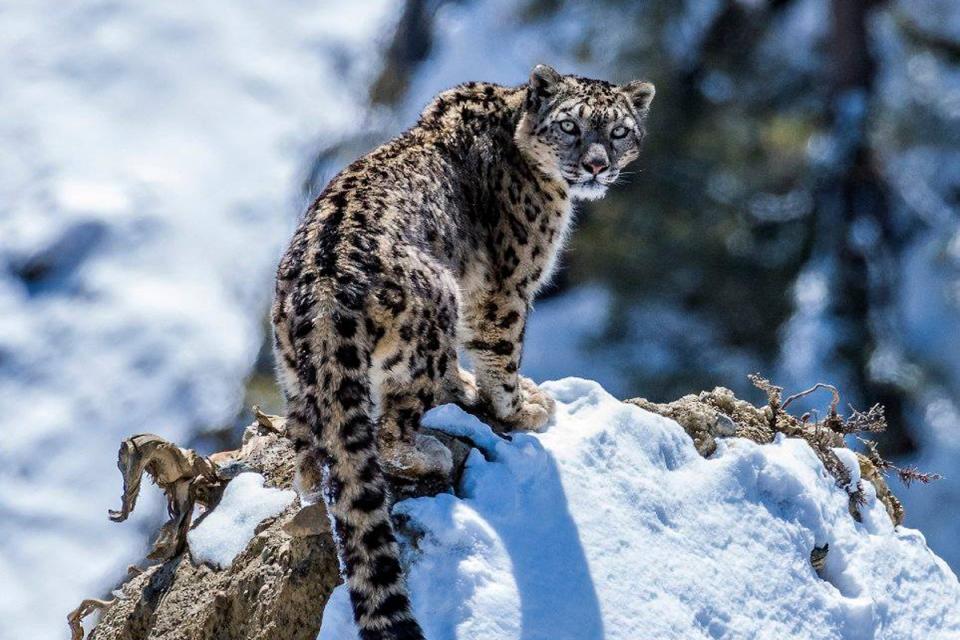
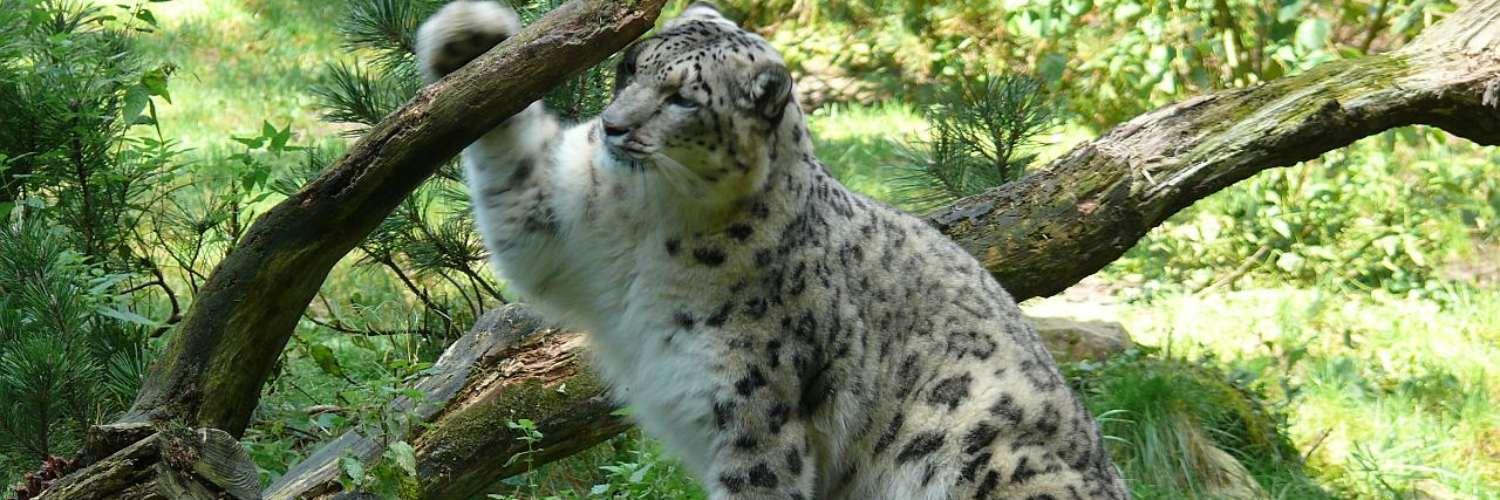
Tracking the elusive Snow Leopard affectionately known as the "Ghost of the Mountains" - is the ultimate pilgrimage for any serious wildlife photographer. Hidden among the jagged ridges and windswept plateaus of the Himalayas, these apex predators offer a photography challenge unlike any other on Earth.
At Best Heritage Tour, we have spent years guiding professional photographers and nature enthusiasts into the rugged terrains of the Manang Valley. In this comprehensive guide, we share our expert insights on the best time for snow leopard photography in Nepal, specifically focusing on the Manang region, and how you can capture the shot of a lifetime.
Why Manang is the Premier Destination for Snow Leopard Photography?
While snow leopards roam across the high-altitude ranges of 12 countries, Manang has emerged as one of the most reliable and accessible hotspots for Snow Leopard Photography in Nepal. Located within the Annapurna Conservation Area, Manang provides a unique combination of high-density leopard populations and logistical feasibility.
The Geography of the "Ghost"
Manang sits in the rain shadow of the Annapurna range. This creates a high-altitude cold desert environment - precisely the terrain where snow leopards thrive. The rocky cliffs, deep gorges, and alpine meadows around villages like Khangsar, Gunsang, and the trail toward Tilicho Lake serve as the perfect backdrop for dramatic wildlife portraits.
Prey Density: The Key to Sightings
A predator is only as visible as its prey. Manang is home to large herds of Blue Sheep (Bharal), the primary food source for the snow leopard. When the blue sheep descend to lower pastures, the snow leopard inevitably follows, bringing this "ghost" within the range of a 600mm lens.
The Golden Window: When to Visit Manang for the Best Shots
Timing is everything. If you are looking for Snow Leopard Photography in Manang, your calendar should be marked for the winter months.
1. The Prime Season: Late January to March
This is the "Golden Window" for photographers. There are three critical reasons why this period is unbeatable:
-
The Mating Season: From late January through February, snow leopards become significantly more active and vocal. During the mating season, they move across ridges to mark their territory and find partners, making them much easier to track and photograph.
-
Lower Altitudes: As heavy snow blankets the high peaks (above 5,000m), the Blue Sheep descend to the valley floors near Manang and Khangsar to find grazing land. The snow leopards follow their prey down to altitudes of 3,500m to 4,000m - well within reach for trekking photographers.
-
The Visual Contrast: For a photographer, there is nothing like the sight of a thick-furred leopard against a backdrop of pure, white snow. The contrast makes the animal "pop" in the frame, highlighting its incredible camouflage and piercing eyes.
2. The Shoulder Season: November to December
Early winter offers stable weather and crisp, clear Himalayan skies. While there may be less snow on the ground, the visibility is at its peak. This is an excellent time for wide-angle environmental portraits where you want to capture the leopard as a small part of a massive, epic landscape.
3. Why Avoid Summer and Monsoon?
During the summer (June-August), the mountains are shrouded in clouds, making photography nearly impossible. Furthermore, the leopards retreat to the highest, most inaccessible ridges to escape the heat and follow the sheep into high-summer pastures.
Where to See the Snow Leopard in Nepal: Key Spots in Manang
Manang is not just a single spot; it is a complex network of valleys and ridges. Through our decades of experience at Best Heritage Tour, we have identified specific "Hot Zones" for sightings:
Khangsar and the Tilicho Trail
The area around the village of Khangsar is legendary. The steep, crumbly cliffs above the Marsyangdi River are prime hunting grounds. Many of the most famous snow leopard photographs from Nepal were taken in the ridges between Khangsar and the Tilicho Base Camp.
The Gunsang Ridges
Located just a short trek above Manang village, Gunsang offers panoramic views and frequently recorded sightings. The "scoping" points here allow our trackers to scan 360 degrees of potential leopard habitat.
The "Snow Leopard Haven"
Dedicated tracking camps are often set up in the upper reaches of the Manang Valley. These areas are selected by local "Manangi" scouts - experts who have lived alongside these cats for generations and can spot a leopard's "scrape" or "pugmark" from a hundred yards away.
Technical Gear: Preparing for the Ultimate Shot
Snow Leopard Photography in Manang requires more than just a good eye; it requires specialized equipment capable of handling extreme cold and long distances.
The Lens Choice
-
Primary Lens: A 500mm or 600mm prime lens is the industry standard. Snow leopards are shy; you will often be shooting across a valley or up a steep ridge.
-
The Multiplier: We highly recommend a 1.4x or 2.0x teleconverter. In the vastness of the Himalayas, even 600mm can sometimes feel "short."
-
The Wide Angle: Don’t forget a 24-70mm lens. The landscapes in Manang are world-class, and a shot of a leopard track leading toward the Annapurna range is a powerful storytelling image.
Stability and Support
A sturdy tripod is non-negotiable. You will often spend hours in a single spot, waiting for a leopard to wake from a nap or begin a hunt. A gimbal head is preferred for tracking movement smoothly across the rocky terrain.
Protecting Your Gear
-
Extra Batteries: Lithium batteries drain rapidly in the Himalayan cold. Carry at least 4-5 spares and keep them close to your body (in an inside jacket pocket) to keep them warm.
-
Rain/Snow Covers: Even in winter, sudden flurries are common. Ensure your camera body and long lens have high-quality weather sealing or external covers.
A Day in the Life: The Expedition Experience
When you join a Best Heritage Tour photography expedition, your day is structured around the "crepuscular" nature of the cat - meaning they are most active at dawn and dusk.
-
05:00 AM: Wake up in a cozy tea house or high-altitude camp. Hot ginger tea is served as you prep your gear.
-
06:00 AM: Move to a pre-scouted "Observation Point." Our expert trackers use high-powered spotting scopes to scan the ridgelines for the slightest movement or the alarm calls of Blue Sheep.
-
10:00 AM - 02:00 PM: Snow leopards often sleep during the heat of the day. This is the time for landscape photography, scouting for pugmarks, or visiting local Manangi monasteries to capture the rich cultural heritage of the region.
-
03:00 PM: Return to the observation points. As the sun begins to dip and the shadows lengthen, the leopards begin to move again. This "Golden Hour" provides the most dramatic light for photography.
-
06:00 PM: Return to the warmth of the lodge for a hearty meal of Dal Bhat and a briefing on the next day’s strategy.
Cultural Authenticity: More Than Just Wildlife
While the snow leopard is the star, the Manang region offers a profound cultural experience. The Manangi people have a unique Tibetan-influenced culture.
We encourage our photographers to capture the "Human Element":
-
The ancient Bhraka Monastery, nestled into a cliffside.
-
The prayer flags (Lungta) snapping in the wind against a backdrop of 8,000m peaks.
-
The local herders whose lives are inextricably linked to the mountains and the predators that inhabit them.
Essential Travel Insights for Manang
Planning a trip for Snow Leopard Photography in Nepal requires careful logistical preparation.
Acclimatization is Mandatory
Manang sits at 3,519 meters (11,545 ft). Photography spots can often be at 4,000 meters or higher. At Best Heritage Tour, we build "acclimatization days" into every itinerary. Rushing the altitude is the quickest way to end an expedition early due to AMS (Acute Mountain Sickness).
Physical Fitness
While you don't need to be an elite athlete, you should be comfortable hiking on uneven, snowy terrain for 4-6 hours a day. The air is thin, and carrying a heavy camera bag adds to the challenge.
Permits and Regulations
You will need the Annapurna Conservation Area Project (ACAP) permit and a TIMS (Trekkers' Information Management System) card. If you are planning to use professional drone equipment for b-roll, special permits from the Civil Aviation Authority of Nepal and the Ministry of Home Affairs are required. We handle all these formalities for our clients.
Ethical Photography: Respecting the Ghost
At Best Heritage Tour, we strictly adhere to ethical wildlife photography guidelines.
-
Maintain Distance: We never flush or disturb an animal to get a better shot. A stressed leopard is an unpredictable one.
-
No Baiting: We rely on the skill of our trackers and the patience of our photographers, never on artificial lures.
-
Leave No Trace: The Manang ecosystem is fragile. We ensure all waste is carried back to Thamel for proper disposal.
Conclusion
The quest for the snow leopard is as much a journey of self-discovery as it is a photographic mission. It requires patience, resilience, and a deep respect for the wild. When you finally see that flick of a long, bushy tail against the grey stones of Manang, the cold and the long waits vanish, replaced by the adrenaline of capturing one of nature’s rarest sights.
Are you ready to track the "Queen of the Mountains"? Join the experts who know the terrain, the culture, and the cat.
Phone / WhatsApp / Viber: +977-9851149197 / +977-9810043046
Email: info@bestheritagetour.com / bestheritagetour@gmail.com
Website: www.bestheritagetour.com
Office: Thamel Marg, Kathmandu, Nepal
Author: Best Heritage Tour
Date: 24th April, 2026