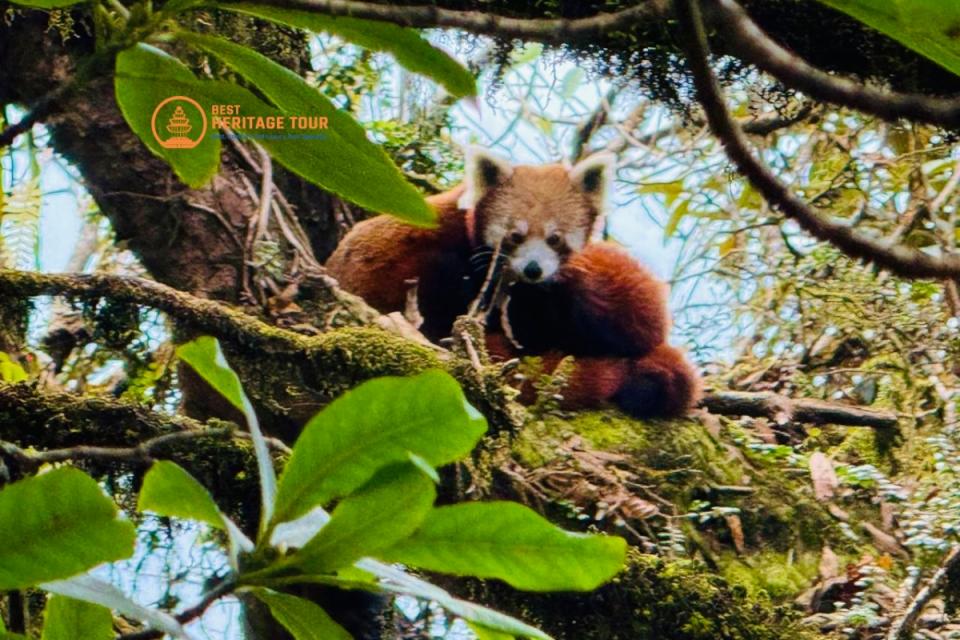
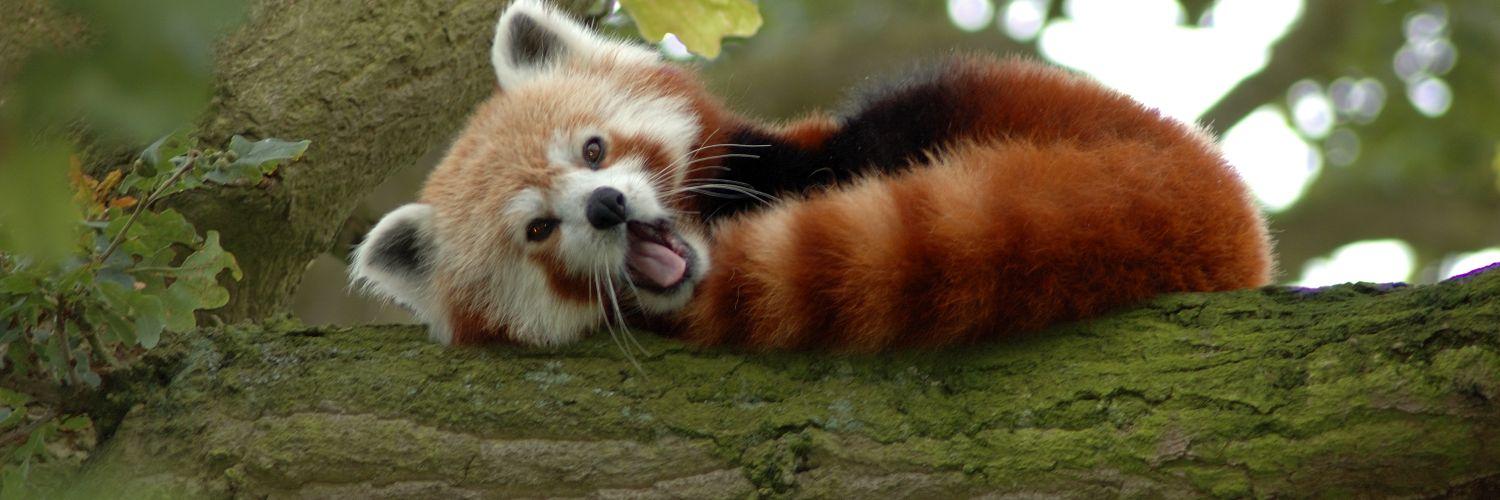
Hidden within the dense, emerald bamboo thickets of the Himalayas dwells a creature so elusive that many seasoned travelers call it the "Fire Fox" or the "Ghost of the Forest." For wildlife photographers, capturing the Red Panda in Nepal is more than just a task - it is a pilgrimage.
At Best Heritage Tour, we understand that a successful wildlife expedition requires more than just a camera and a plane ticket. It requires deep local knowledge, precise timing, and an intimate understanding of the delicate ecosystems in Langtang National Park and the mist-covered hills of Ilam. Whether you are a professional looking for that award-winning shot or a traveler seeking a rare encounter, this guide will walk you through everything you need to know about Red Panda Photography in Nepal.
Why Nepal is the Premier Destination for Red Panda Photography
Nepal is home to approximately 2% of the global Red Panda population. These arboreal mammals (Ailurus fulgens) are primarily found in the temperate forests of the Himalayas, where bamboo - their primary food source - grows in abundance.
While sightings are never "guaranteed" in the wild, Nepal offers two distinct terrains for photographers: the rugged, high-altitude landscapes of Langtang and the lush, community-managed cloud forests of Ilam. Choosing between them depends on your physical fitness, the aesthetic you want for your portfolio, and the time of year you plan to visit.
Best Time for Red Panda Photography in Nepal
Timing is the most critical factor for a successful shoot. Because Red Pandas are sensitive to heat and are largely crepuscular (most active at dawn and dusk), your window for the perfect shot is dictated by the seasons.
1. The Spring Window (March to May) - Peak Season
Spring is arguably the best time for Red Panda Photography in Nepal. As the winter snow melts, the forests come alive with vibrant rhododendron blooms.
-
Visibility: The pandas are active as they forage for fresh bamboo shoots and berries.
-
The Backdrop: For photographers, the contrast of the Red Panda’s rusty fur against the blooming pink and red rhododendrons creates a stunning, naturally saturated composition.
-
Weather: Days are clear, providing excellent light for high-shutter-speed photography.
2. The Autumn Window (October to November) - The Clarity Season
After the monsoon rains wash the dust from the air, autumn provides the sharpest visibility.
-
Activity: This is a period of high activity as the pandas prepare for the colder winter months.
-
Family Shots: You have a higher chance of spotting mothers with their cubs during these months, offering a rare opportunity for behavioral photography.
-
Light: The "Golden Hour" in the Himalayas during autumn is legendary, providing soft, warm light that highlights the texture of the panda’s thick fur.
3. The Winter Considerations (December to February)
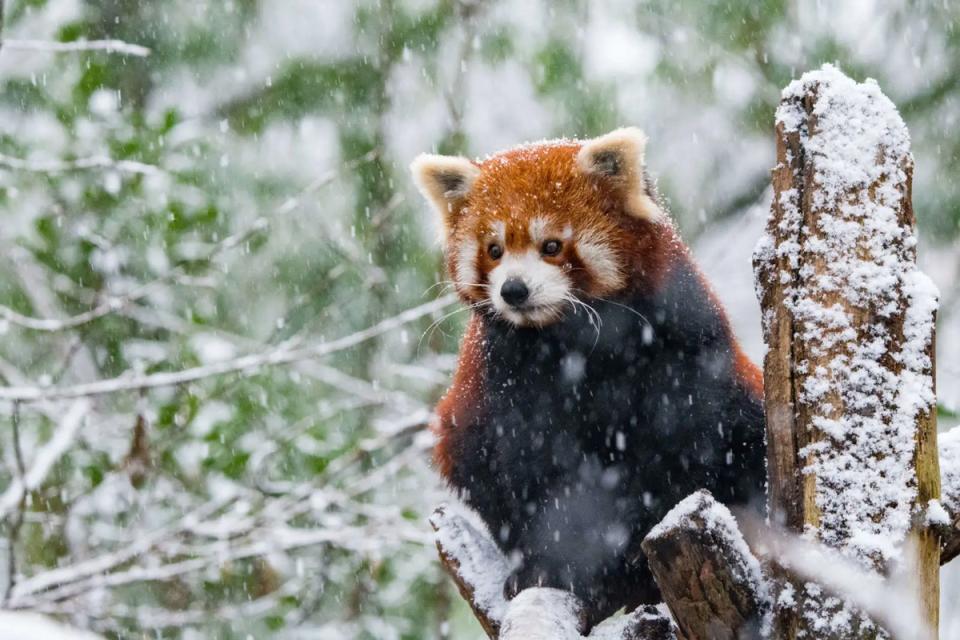
While winter offers the chance to photograph a Red Panda against a backdrop of white snow, it is a challenging time. The animals are less active to conserve energy, and many high-altitude trails in Langtang may be blocked. However, in lower-altitude Ilam, winter photography is still very productive.
Where to See the Red Panda in Nepal: Two Iconic Regions
At Best Heritage Tour, we specialize in two primary corridors that offer the highest sighting probabilities. Each provides a completely different photographic "vibe."
1. Red Panda Photography in Ilam (Eastern Nepal)
Ilam, the "Tea Capital of Nepal," is a hidden gem for wildlife enthusiasts. Unlike the steep mountain treks of the north, Ilam offers rolling hills and dense cloud forests.
-
Key Spot: Dobato and the Singalila Ridge: This area is famous for its "Forest Guardians" - local community members who monitor the pandas daily. Their expertise is the secret weapon for any photographer.
-
The Experience: You will stay in authentic community homestays. The forests here are often shrouded in mist, giving your photos an ethereal, moody, and atmospheric quality.
-
Why Choose Ilam? It is generally considered the most reliable place for sightings due to the established tracking infrastructure. If your primary goal is the animal itself rather than the mountain scenery, Red Panda Photography in Ilam is your best bet.
2. Red Panda Photography in Langtang (Central Himalayas)
For those who want to combine a classic Himalayan trek with wildlife photography, Langtang National Park is the ultimate destination.
-
Key Spots: Ghyangphedi, Polman, and Cholangpati: These areas contain dense bamboo groves where the pandas reside.
-
The Backdrop: Here, you aren't just photographing a panda; you are photographing a panda with the backdrop of 7,000-meter peaks like Langtang Lirung. The terrain is more rugged, and the images reflect a true high-altitude wilderness.
-
Why Choose Langtang? It is more accessible from Kathmandu (a day’s drive). Red Panda Photography in Langtang is perfect for those who enjoy trekking and want a diverse portfolio that includes mountain landscapes, local Tamang culture, and rare wildlife.
Technical Tips for Capturing the "Fire Fox"
Photographing a Red Panda is a test of patience. They spend much of their time sleeping in high canopies or hidden in thick bamboo.
-
Lens Choice: A telephoto lens is non-negotiable. We recommend at least a 400mm or 600mm equivalent. Red Pandas are small, and you must maintain an ethical distance.
-
Low Light Performance: Because you will often be shooting under a dense forest canopy at dawn, a camera with good ISO performance is vital.
-
Silent Shutter: Red Pandas have incredibly sensitive hearing. If your camera has a silent electronic shutter mode, use it to avoid startling the animal.
-
Tripod vs. Monopod: In the steep terrain of Langtang, a lightweight monopod is often more practical than a bulky tripod.
Essential Gear List for Your Expedition
Beyond your camera gear, the Himalayan terrain requires specific preparation:
-
Clothing: Earth-toned, neutral colors (olive, brown, or grey) to blend into the forest.
-
Footwear: Waterproof trekking boots with excellent grip for damp forest floors.
-
Power: Extra batteries and a high-capacity power bank (cold weather drains batteries faster).
-
Health: High-altitude gear for Langtang and insect repellent for the humid forests of Ilam.
Why Book Your Red Panda Tour with Best Heritage Tour?
Navigating the permit systems and finding the specific trees where these animals sleep requires years of experience. At Best Heritage Tour, we don't just book a trip; we curate an expedition.
-
Expert Trackers: We work exclusively with local "Forest Guardians" who know the individual pandas in their territory.
-
Tailored Itineraries: Whether you want to spend 7 days in the bamboo forests of Langtang or 10 days in the mists of Ilam, we customize the pace for photographers.
-
Cultural Authenticity: Between shoots, we immerse you in the local Sherpa, Tamang, or Limbu cultures, providing a holistic Himalayan experience.
Conclusion
Red Panda Photography in Nepal is more than a wildlife tour - it is a lesson in stillness and a deep dive into one of the world's most fragile habitats. By choosing the right season and the right region, you give yourself the best chance to witness one of nature's most beautiful spectacles.
Are you ready to track the Red Panda through the bamboo forests of the Himalayas? Let Best Heritage Tour be your guide to the shot of a lifetime.
Contact Best Heritage Tour
Phone / WhatsApp / Viber: +977-9851149197 / +977-9810043046
Email: info@bestheritagetour.com / bestheritagetour@gmail.com
Website: www.bestheritagetour.com
Office: Thamel Marg, Kathmandu, Nepal
Author: Best Heritage Tour
Date: 24th April, 2026