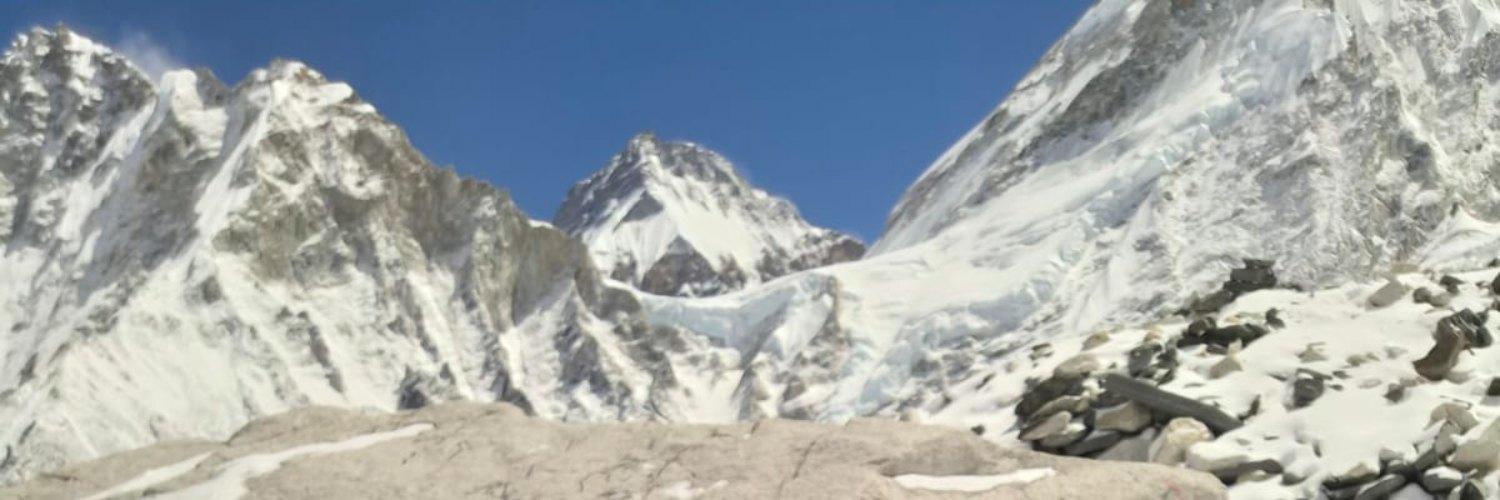
Welcome to the land of the Himalayas! At Best Heritage Tour, we believe that the best way to experience Nepal isn't just through its breathtaking landscapes, but through its heartbeat - the people. While many Nepalis in urban centers and trekking hubs like Kathmandu and Pokhara speak English, the magic truly happens when you bridge the cultural gap with a few local words.
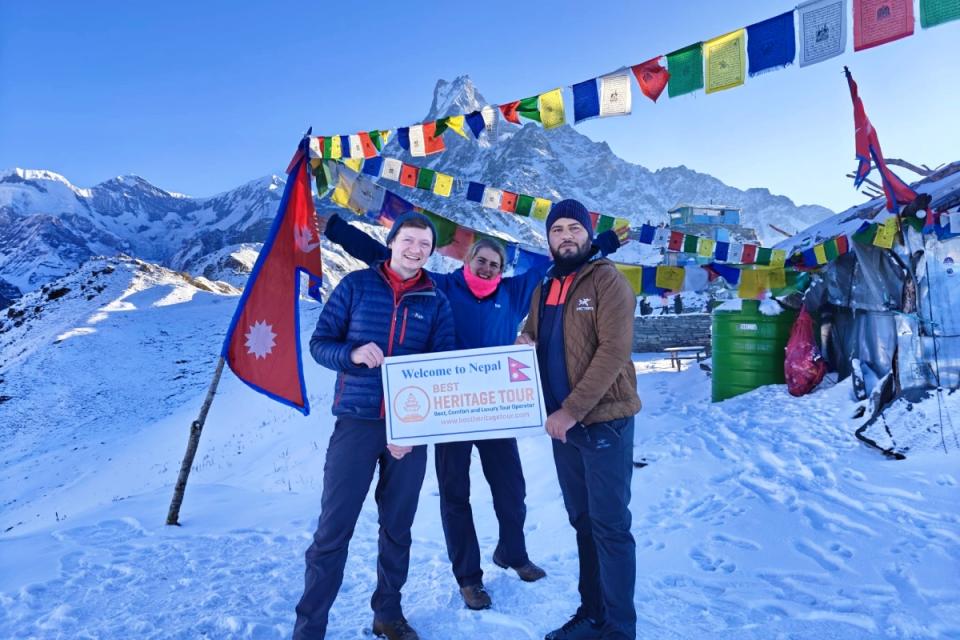
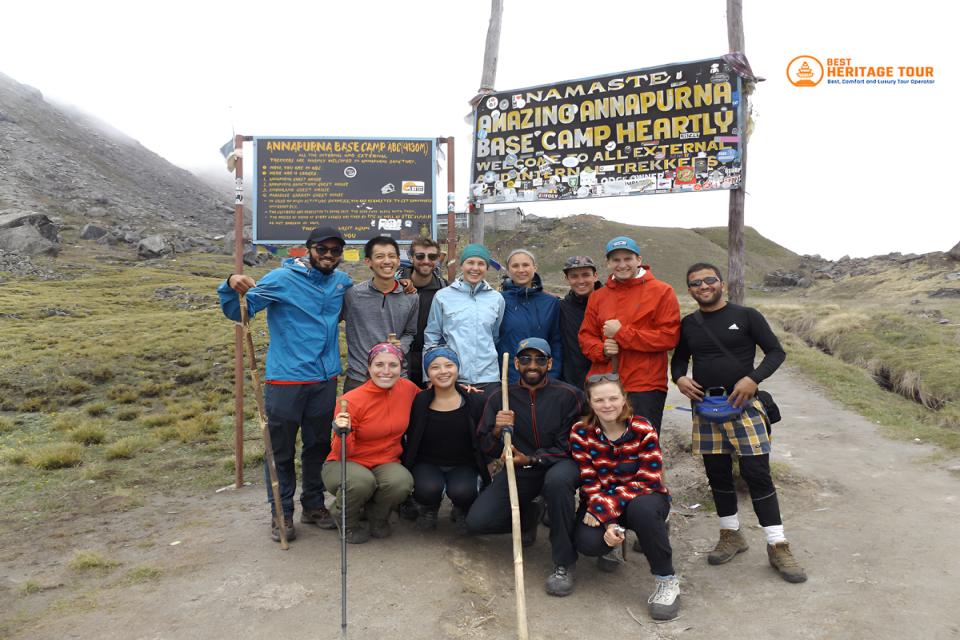
Imagine trekking through the Annapurna region and being greeted by a local farmer. Instead of a simple "Hello," you offer a warm "Namaste" with joined palms. The smile you receive in return is the start of a genuine connection.
This guide is curated by our senior travel experts to provide you with the most essential, high-impact Nepali phrases. Whether you are bargaining in a Thamel market or navigating a steep Ukaalo (uphill) trail, these words will be your best companions.
1. The Essentials: Greetings and Etiquette
In Nepal, respect is woven into the language. Starting a conversation with the right tone sets a positive mood for your entire interaction.
|
English |
Nepali |
Context/Usage |
|---|---|---|
|
Hello / Goodbye |
Namaskar/Namaste |
The most universal greeting. Join palms at your chest. |
|
Thank You |
Dhanyabad |
Use this for service, gifts, or kindness. |
|
Excuse Me / I'm Sorry |
Maaf garnus |
To get someone's attention or apologize. |
|
Please |
Kripaya |
Used to make requests polite. |
|
Yes |
Ho / Hajur |
Hajur is a respectful way to say "Yes" or "I'm listening." |
|
No |
Hoina |
Used for disagreement or saying something isn't correct. |
|
Okay / It’s done |
Bhayo |
Very useful when you’ve had enough food or the task is finished. |
Pro Tip from Best Heritage Tour: When saying Namaste, a slight bow of the head adds an extra layer of respect that locals deeply appreciate.
2. On the Trail: Essential Trekking Vocabulary
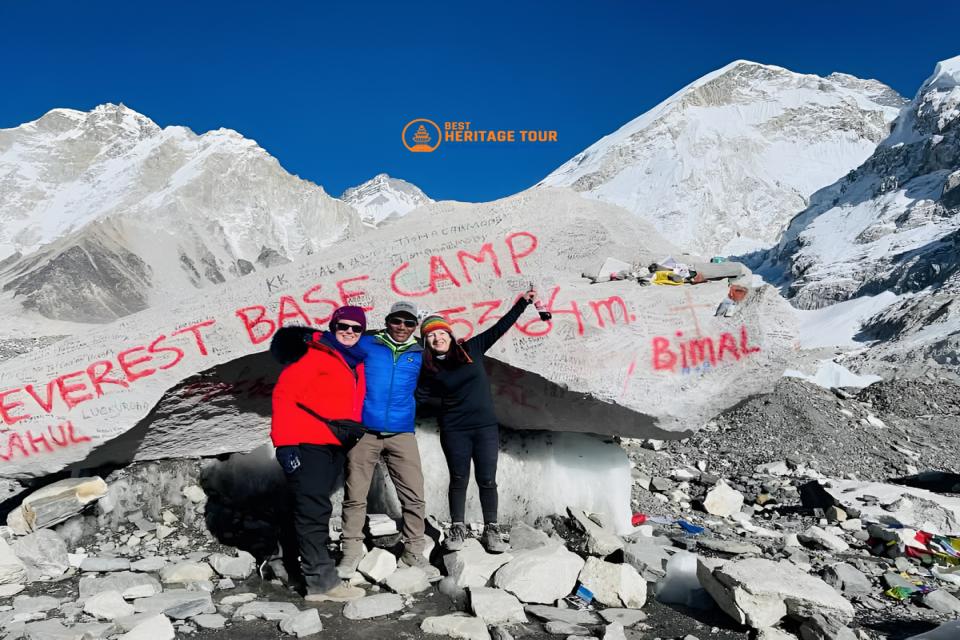
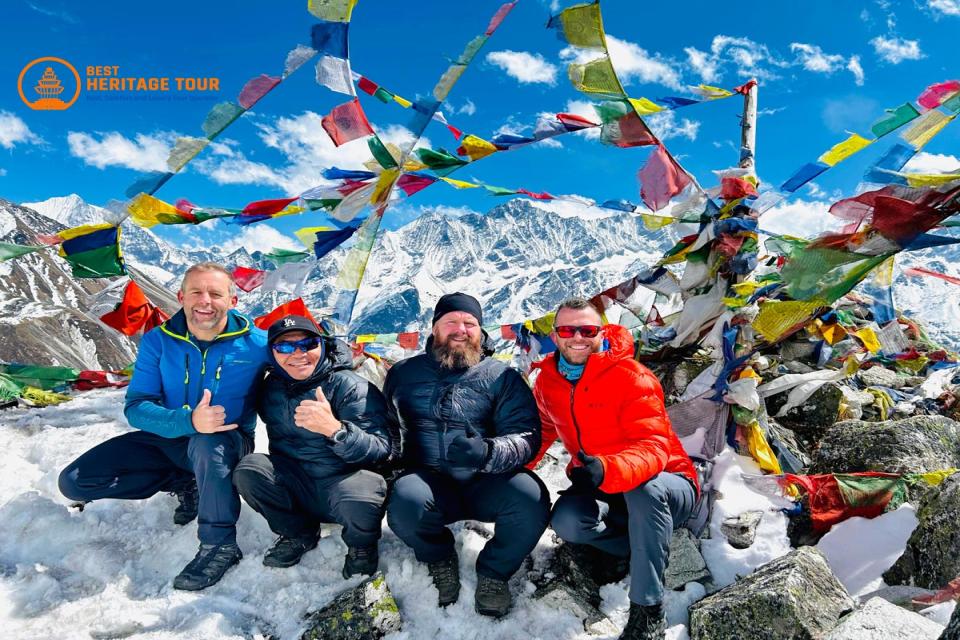
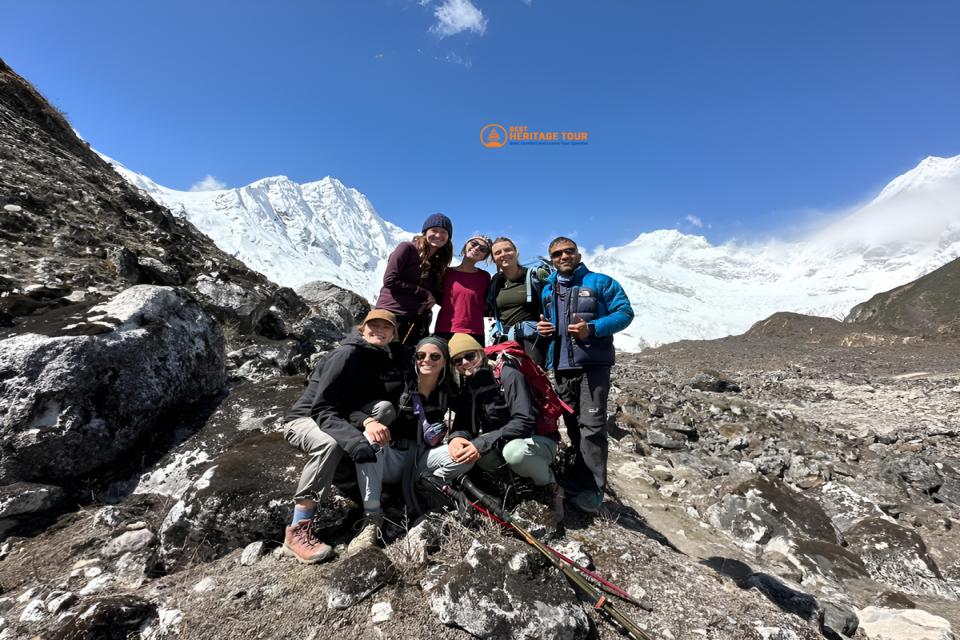
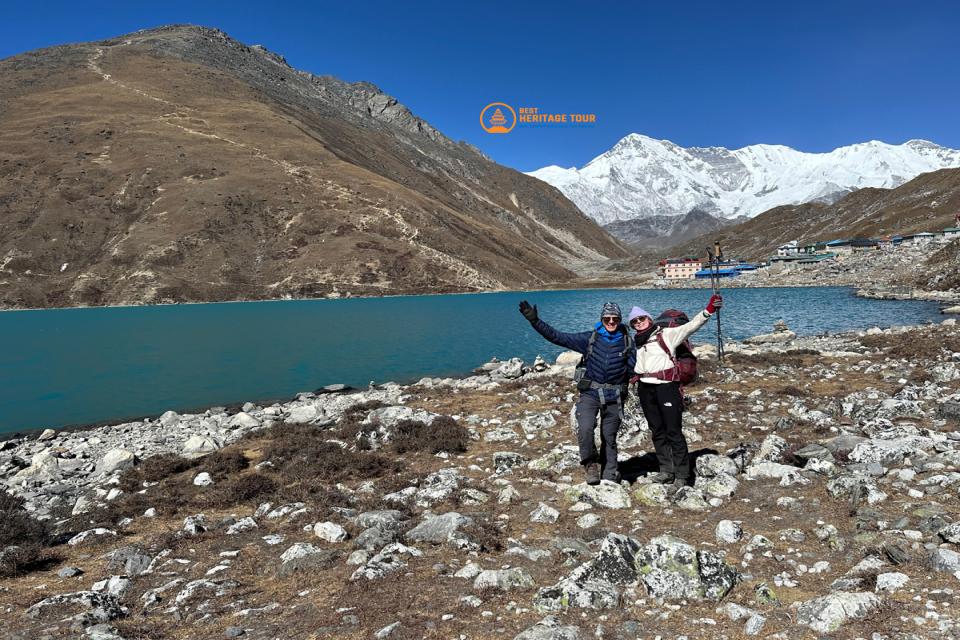
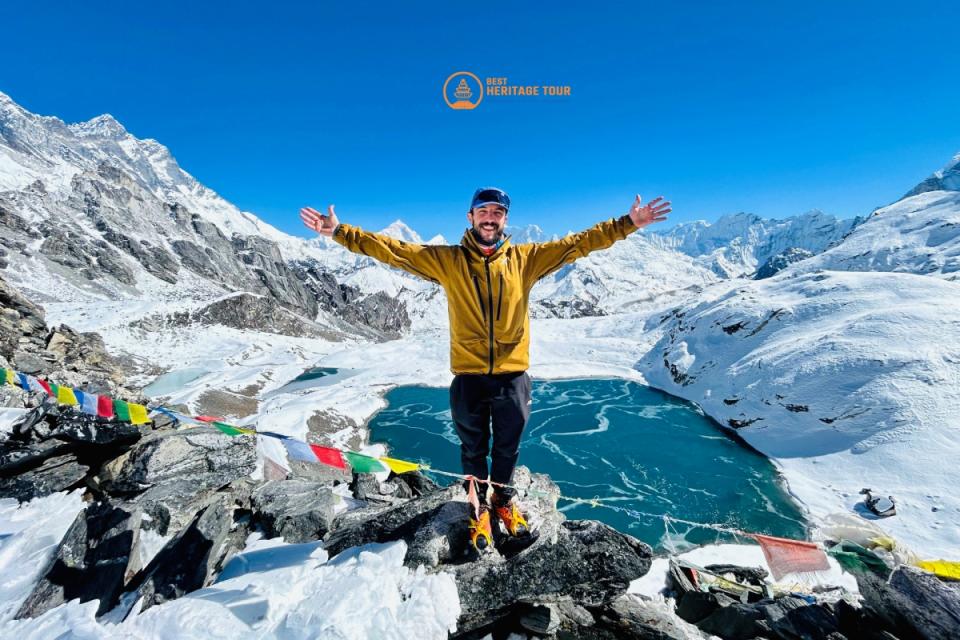
If you’re heading to Everest Base Camp, Langtang, or the Manaslu Circuit, these words will help you understand your guide and communicate with tea house owners.
-
Ukaalo: Uphill. You will hear this a lot!
-
Oraalo: Downhill.
-
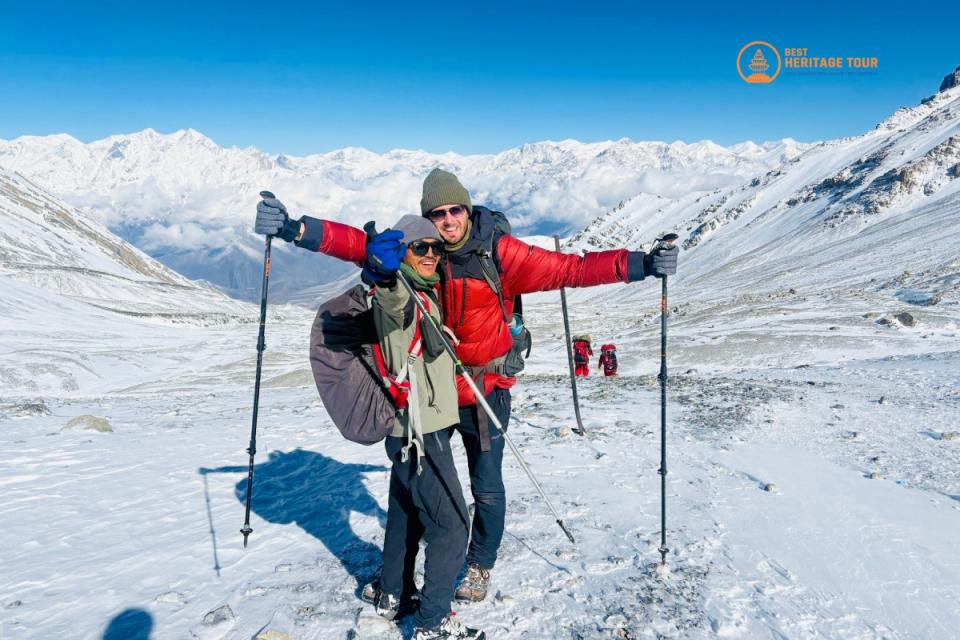
Bistarai, Bistarai: Slowly, slowly. This is the golden rule of trekking in Nepal to avoid altitude sickness.
-
Jam Jam: Let’s go! You’ll hear your guide say this when it's time to start moving.
-
Baato: Road or trail.
-
Thakai Lagyo: I am tired. (Useful if you need a break).
-
Lek Lagyo: Altitude sickness. If you feel dizzy or nauseous, tell your guide immediately using this term.
-
Pani: Water.
-
Tato Pani: Hot water (essential for those cold Himalayan nights).
3. Dining and Ordering Food
Food is a central part of Nepali culture. Whether you’re eating the legendary Dal Bhat or trying local Momo, use these phrases to navigate the menu.
-
Khana Khane?: Want to eat? (Or Khana Khanu Bhayo? - Have you eaten?)
-
Mitho Cha: It is delicious.
-
Piro: Spicy. If you don't want it spicy, say "Piro Nahalnuhos" (Don't put chili).
-
Chiya: Tea. Usually served as milk tea with spices.
-
Kati Ho?: How much is it?
-
Chini: Sugar.
-
Nun: Salt.
4. Navigating and Directions
Getting lost is part of the adventure, but finding your way back is even better.
-
Kata?: Where?
-
Yaha: Here.
-
Tyaha: There.
-
Daya: Right.
-
Baya: Left.
-
Sidha: Straight.
-
Todal / Toilet Kaha Cha?: Where is the toilet?
5. Making Friends: Addressing the Locals
Nepalis rarely use "Sir" or "Madam" in casual settings. Instead, we use kinship terms that treat everyone like family. This is the secret to winning hearts in Nepal.
-
Dai: Older brother (Use this for men older than you or of similar age).
-
Bhai: Younger brother.
-
Didi: Older sister (Use this for women older than you or of similar age).
-
Bahini: Younger sister.
-
Buwa / Aama: Father / Mother (Respectful terms for the elderly).
6. Emergency Phrases
While we hope you never need them, it’s always better to be prepared.
-
Ma Haraye: I am lost.
-
Hospital Kaha Cha?: Where is the hospital?
-
Malai Sancho Chaina: I don't feel well.
-
Police Lai Bolaunus: Please call the police.
7. Cultural Etiquette: Beyond the Words
Knowing the words is great, but knowing the "Unspoken Rules" makes you a savvy traveler.
-
The "Jutho" Rule: Avoid touching your lips to a shared water bottle or offering food that you have already bitten. This is considered "impure" (Jutho).
-
Right Hand Only: Always use your right hand to give or receive items, especially money or food. The left hand is traditionally considered "unclean."
-
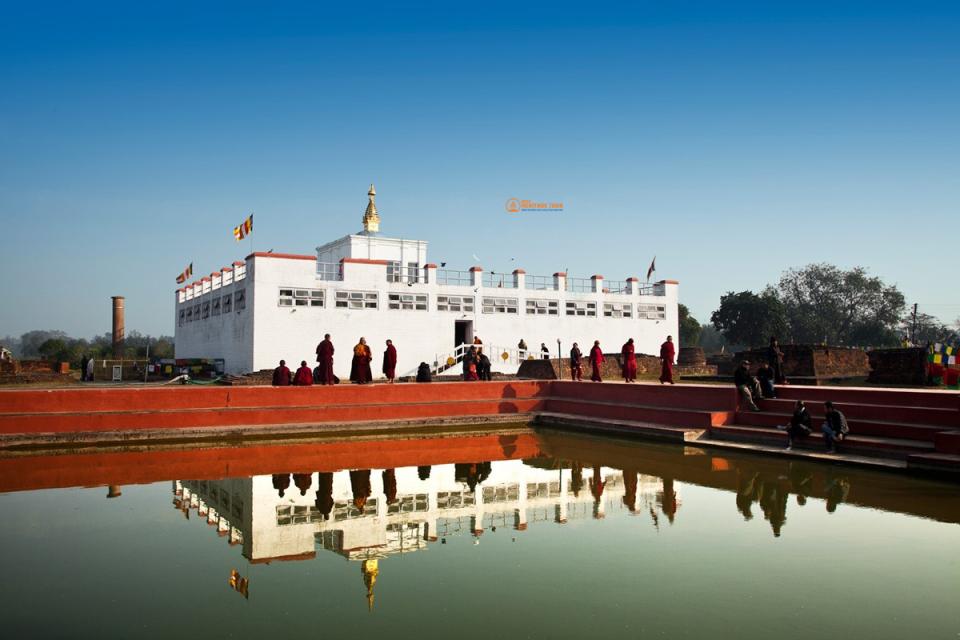
Clockwise is Key: When walking around a Stupa (like Boudhanath) or a temple, always walk in a clockwise direction.
-
Remove Your Shoes: Before entering someone’s home or a temple, always check if you should remove your shoes.
Why Small Words Make a Big Difference
At Best Heritage Tour, we’ve seen thousands of travelers pass through our beautiful country. The ones who have the most profound experiences are almost always the ones who try to speak the local tongue.
By saying "Mitho Cha" to a tea house cook or "Bistarai" to a fellow trekker, you aren't just communicating - you’re showing respect for a culture that has existed for centuries. You transition from being a "tourist" to being a "guest."
Conclusion
Nepal is more than just a destination; it’s a feeling. We hope this guide empowers you to step off the beaten path and engage with the beautiful souls of the Himalayas.
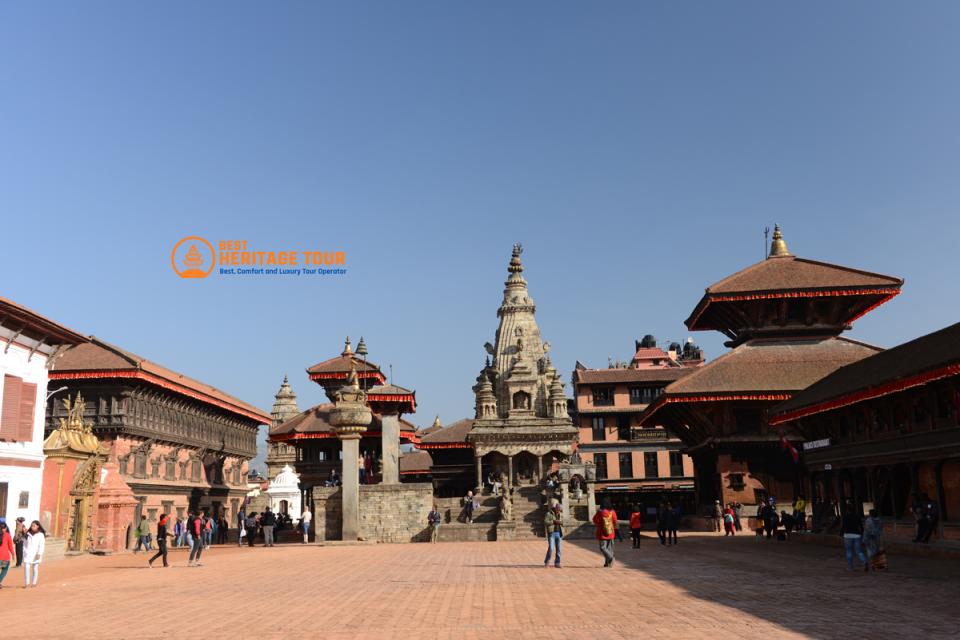
Whether you are looking for a spiritual cultural tour through the UNESCO World Heritage sites of Kathmandu or a challenging trek to the world's highest peaks, Best Heritage Tour is here to ensure your journey is seamless, authentic, and unforgettable.
Ready to start your Nepali adventure?
Let us handle the logistics while you practice your Namaste.
Phone / WhatsApp / Viber: +977-9851149197 / +977-9810043046
Email: info@bestheritagetour.com / bestheritagetour@gmail.com
Website: www.bestheritagetour.com
Office: Thamel Marg, Kathmandu, Nepal
Author: Best Heritage Tour
Date: 29th April, 2026