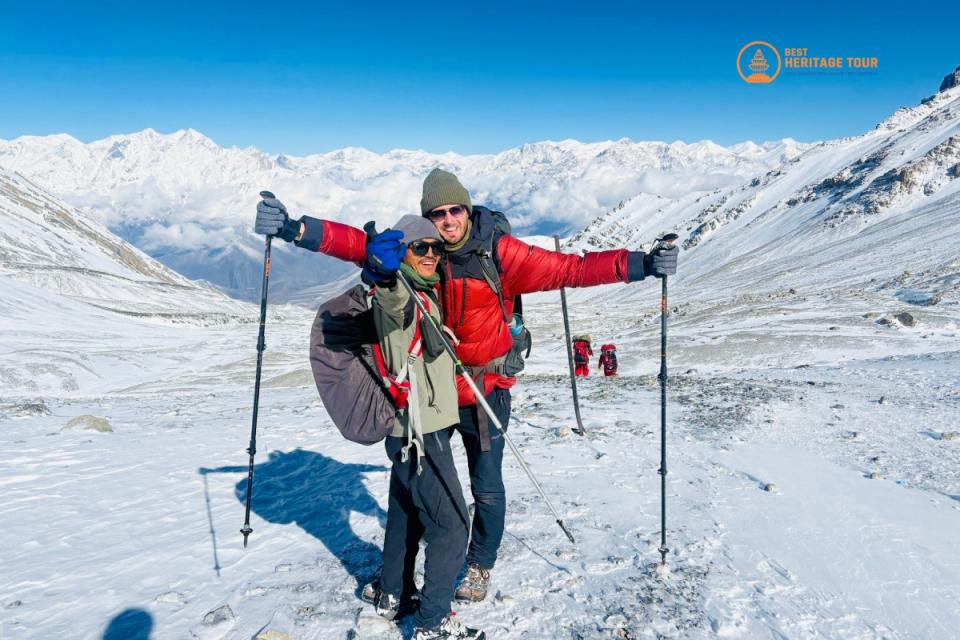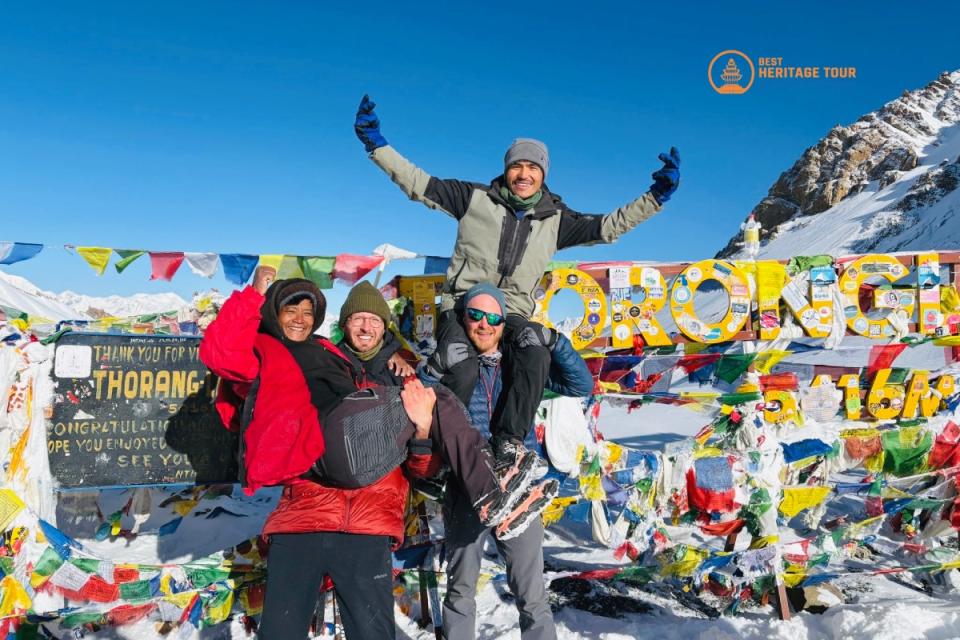
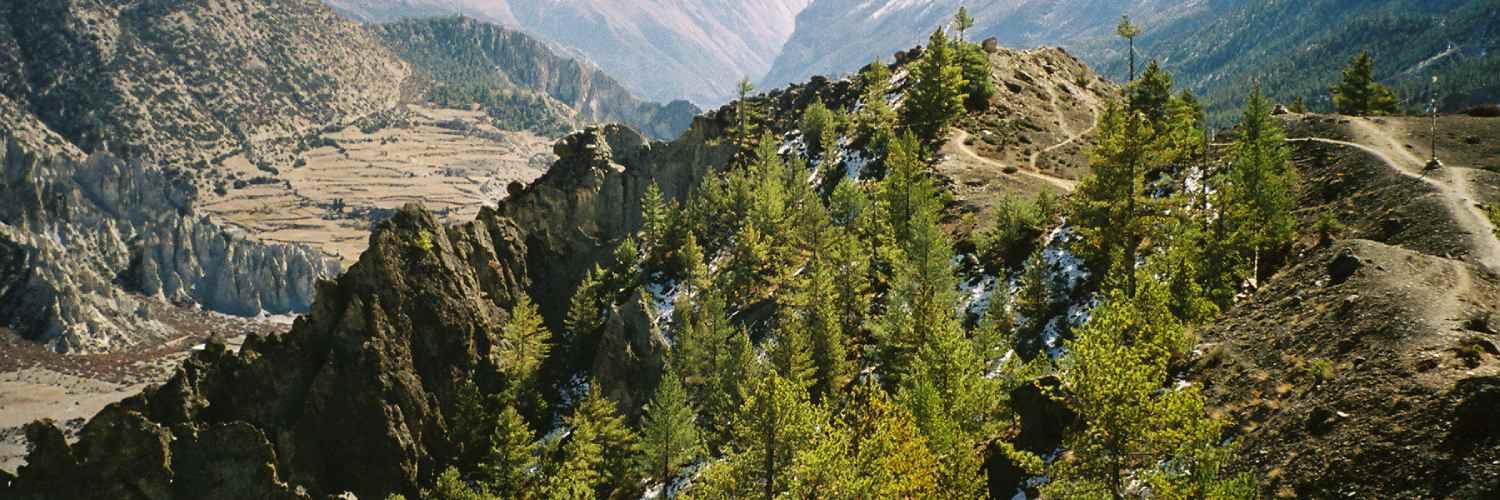
In the heart of the Annapurna Circuit, where the rugged alpine desert meets the towering ramparts of the Annapurna Massif, lies Manang (3,540m). For any trekker, Manang is not just a village; it is a critical milestone. It is the place where the thin air of the high Himalayas begins to demand respect.
At Best Heritage Tour, we have guided hundreds of expeditions through these trails. We know that the difference between a successful crossing of the Thorong La Pass (5,416m) and a premature descent often comes down to how you spend your time in Manang. The "rest day" here is a misnomer - it is an acclimatization day, a strategic pause designed to help your red blood cells catch up with your ambition.
In this comprehensive guide, we’ll dive into the best things to do in Manang for acclimatization, from high-altitude hikes to cultural immersions that will enrich your Himalayan journey.
Why Manang is Essential for Acclimatization
Before we lace up our boots for the day's activities, it’s important to understand the science. Manang sits at an elevation where oxygen levels are approximately 35% lower than at sea level.
The golden rule of high-altitude trekking is: "Climb High, Sleep Low." By pushing your body to a higher elevation during the day and returning to the lower altitude of Manang to sleep, you stimulate the production of EPO (erythropoietin), which increases your blood's oxygen-carrying capacity.
Manang is the perfect "base camp" for this process because it offers a variety of trails that cater to different fitness levels and acclimatization needs.
1. The Challenge: Hike to Ice Lake (Kicho Tal) - 4,620m
If you are feeling strong and want the absolute best preparation for the Thorong La Pass, the trek to Ice Lake (Kicho Tal) is the gold standard.
-
Distance: Approx. 14km (Round trip)
-
Time: 6 to 8 hours
-
Elevation Gain: ~1,100 meters
-
Difficulty: Challenging
The Experience:
The trail starts with a steep ascent from the neighboring village of Bhraka. As you zigzag up the northern slopes, the Manang Valley unfolds beneath you like a topographic map. The views of Annapurna II, III, IV, Gangapurna, and Tilicho Peak are unparalleled.
Reaching the lake at 4,620m is a psychological and physical victory. The lake itself is often frozen or crystalline blue, surrounded by prayer flags that snap in the high-altitude wind. Spending an hour here before descending back to Manang (3,540m) is the most effective way to "prime" your lungs for the 5,000m+ heights to come.
2. The Classic: Gangapurna Lake and Glacier Viewpoint
For those who prefer a moderate outing that still offers dramatic glacial views, the hike to Gangapurna Lake is a must.
-
Time: 2 to 3 hours (Round trip)
-
Difficulty: Easy to Moderate
The Experience:
Just a short walk from the Manang town center, you’ll cross the Marsyangdi River to reach the turquoise waters of Gangapurna Lake. This glacial lake is fed directly by the Gangapurna Glacier.
For a better acclimatization effect, don’t just stop at the lake. Follow the trail upward to the Chongkor Viewpoint. From here, you get a front-row seat to the icefall and the staggering "Great Barrier" ridge. It’s a spectacular spot for photography and a gentle way to test your breathing.
3. The Spiritual Path: Praken Gompa (The 100 Lama Cave)
If you want to combine physical exertion with Himalayan spirituality, the hike to Praken Gompa is a hidden gem.
-
Elevation: 3,945m
-
Time: 3 hours (Round trip)
-
Difficulty: Moderate
The Experience:
This small monastery is tucked into a cliffside overlooking Manang. It is famously home to an elderly monk who has lived there for decades. Legend has it that receiving a blessing here ensures a safe passage over the Thorong La. The trail is a steady uphill climb through juniper bushes, offering a peaceful atmosphere far from the busier trekking trails.
4. Cultural Deep-Dive: Exploring Old Manang and Bhraka
Not every acclimatization activity needs to be a "summit." Understanding the heritage of the Manangi people is just as vital to the experience.
-
Bhraka (Braga) Monastery: Located 30 minutes before Manang, this 500-year-old gompa is one of the oldest in the region. It houses hundreds of ancient statues and offers a somber, ancient atmosphere that connects you to the Tibetan Buddhist roots of the valley.
-
The Old Quarter: Wander through the narrow, stone-paved alleys of Old Manang. Observe the flat-roofed houses where locals dry wood and grain, and watch the yaks being driven through the village.
5. Educational Stop: The Himalayan Rescue Association (HRA) Talk
At Best Heritage Tour, safety is our cornerstone. We highly recommend every trekker attend the daily altitude awareness talk at the HRA Clinic in Manang.
-
When: Every afternoon (usually 3:00 PM) during peak season.
-
Why: Volunteer doctors explain the symptoms of Acute Mountain Sickness (AMS), HAPE, and HACE. They offer pulse oximeter checks to measure your oxygen saturation. Understanding the "red flags" can literally save your life or the life of a fellow trekker.
6. The "Manang Movie" Experience
It might sound strange to go to the cinema at 3,500 meters, but Manang’s local "movie halls" are legendary. They often play mountain-themed classics like Seven Years in Tibet, Into Thin Air, or Caravan.
Sitting in a rustic room with a wood-burning stove, sipping sea buckthorn juice, and watching a film while the wind howls outside is a quintessential Manang experience. It’s the perfect way to let your body rest after a morning hike to Ice Lake.
Top Tips for Your Manang Rest Day
As your expert guides, here are a few "pro tips" for making the most of your stay:
-
Hydrate Like a Pro: Aim for 3-4 liters of water. Garlic soup is a local favorite believed to help with blood flow at altitude - give it a try!
-
Avoid Alcohol: Save the celebratory beers for Muktinath or Jomsom. Alcohol dehydrates you and can mask the symptoms of AMS.
-
Eat Local: Try the Manang Paa (a local bread) or fresh apple products from the nearby orchards in Bhratang.
-
Listen to Your Body: If you have a persistent headache or feel nauseous, do not hike to Ice Lake. A shorter walk to the lake or a rest in the village is a smarter tactical move.
Conclusion
Manang is a place of transition - where the greenery of the lower valleys gives way to the high-altitude wilderness. Your time in Manang is the foundation of your success on the Annapurna Circuit. By choosing the right acclimatization hikes and respecting the local culture, you transform a challenging trek into a life-changing journey.
At Best Heritage Tour, we specialize in crafting itineraries that prioritize your safety and cultural connection. Whether you are aiming for the classic Annapurna Circuit or a technical peak climbing expedition, our experienced guides ensure you are never just a tourist, but a guest of the Himalayas.
Planning Your Himalayan Adventure?
Phone / WhatsApp / Viber: +977-9851149197 / +977-9810043046
Email: info@bestheritagetour.com / bestheritagetour@gmail.com
Website: www.bestheritagetour.com
Office: Thamel Marg, Kathmandu, Nepal
Author: Best Heritage Tour
Date: 9th April, 2026