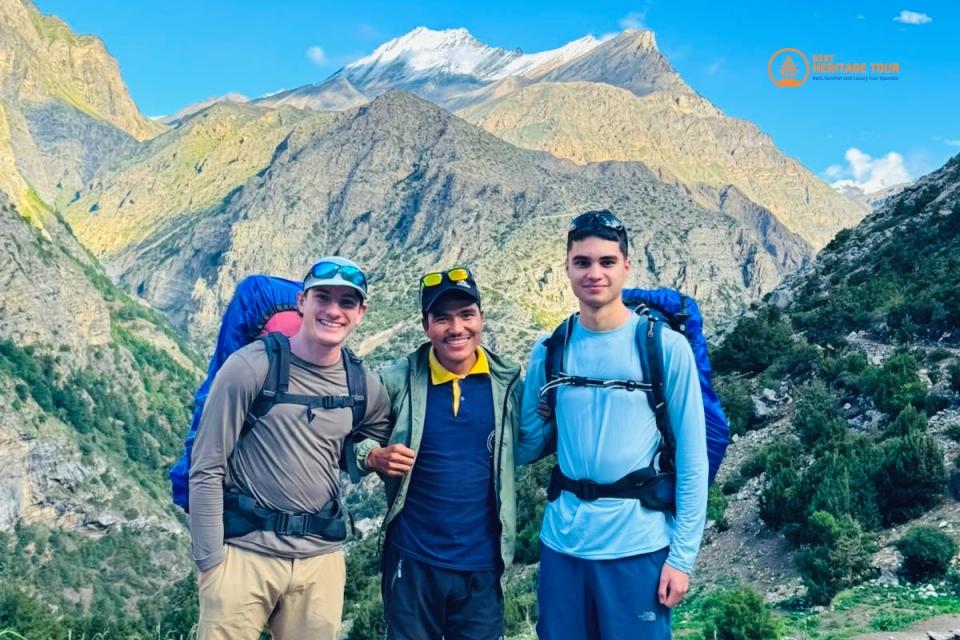
For those who find the classic trails of Nepal a bit too "traveled," the Nar Phu Valley Trek stands as a beacon of raw, untamed Himalayan beauty. Nestled between the giants of the Annapurna and Manaslu ranges, this restricted region offers a journey back in time. But with its "hidden gem" status comes a reputation for being a formidable challenge.
At Best Heritage Tour, we often hear the same question from eager adventurers: "How difficult is the Nar Phu Valley Trek, really?"
As a company rooted in the heritage and high peaks of Nepal, we believe that understanding the terrain is the first step toward a successful expedition. In this comprehensive guide, we will break down the Nar Phu Valley Trek difficulty, explore the Nar Phu Valley max altitude, and provide the insider insights you need to conquer this off-the-beaten-path masterpiece.
The Reality of Nar Phu: A Step Beyond the Ordinary
To understand the difficulty of Nar Phu, one must first understand its geography. This isn't your standard teahouse trek. Until 2003, these valleys were entirely closed to foreigners, and even today, they require a Restricted Area Permit (RAP) and a mandatory licensed guide.
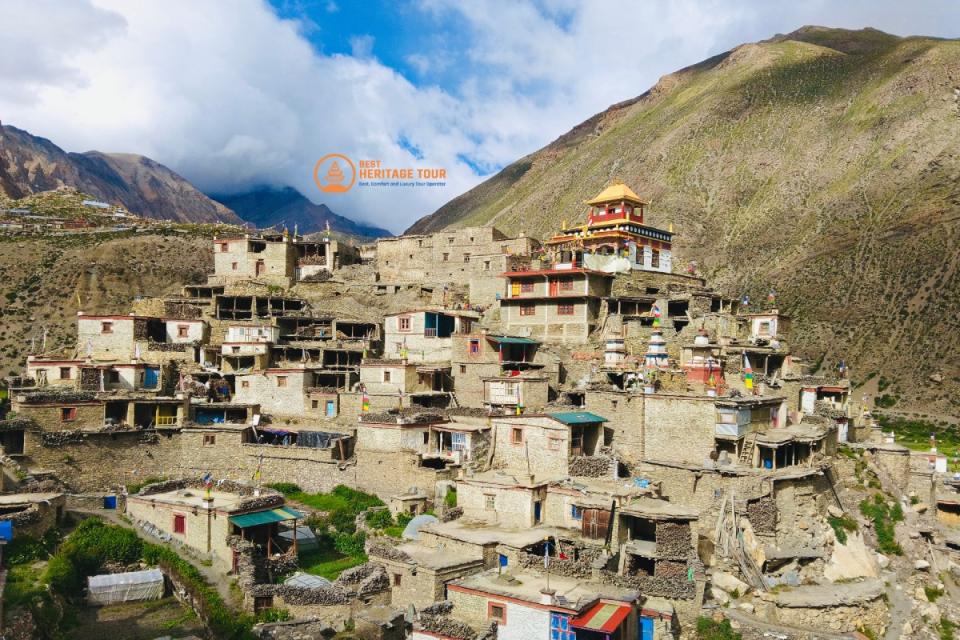
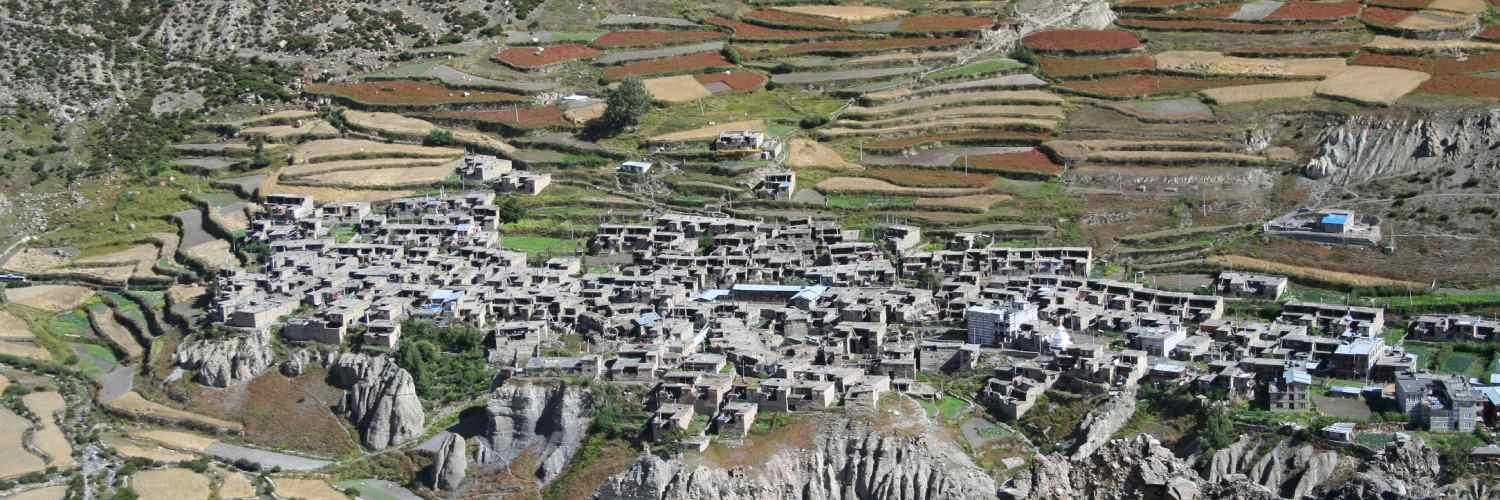
While the neighboring Annapurna Circuit has seen the development of roads and luxury lodges, Nar Phu remains remarkably "wild." The trails are narrower, the ascents are steeper, and the infrastructure is decidedly more "heritage" than "high-end."
At a Glance: Key Difficulty Metrics
-
Official Rating: Strenuous / Challenging
-
Nar Phu Valley Max Altitude: 5,320 meters (17,454 feet) at Kang La Pass
-
Daily Walking Hours: 6 to 8 hours
-
Terrain: Rocky scree, narrow cliffside paths, and high-altitude glacial moraines
-
Total Duration: 12 to 18 days (depending on the itinerary)
1. The Altitude Factor: Reaching the Nar Phu Valley Max Altitude
The single greatest contributor to the Nar Phu Valley Trek difficulty is altitude. In the Himalayas, the air doesn't just get thinner; it changes the way your body functions.
The Ascent Profile
The trek typically begins at lower elevations around Koto (2,600m), but it doesn't stay there for long. Unlike the gradual climb of the Everest Base Camp trek, the path to Nar and Phu villages involves significant "vertical jumps."
-
Phu Village (4,080m): Spending a night at over 4,000 meters is the first major test. At this height, oxygen levels are approximately 60% of what they are at sea level.
-
Nar Village (4,110m): A stunning stone-walled village that serves as the final staging ground before the big pass.
-
Kang La Pass (5,320m): This is the Nar Phu Valley max altitude. Standing atop Kang La provides a 360-degree view of the Annapurna massif, but reaching it requires a grueling climb through loose scree and, often, deep snow.
Managing Altitude Sickness (AMS)
At Best Heritage Tour, our guides are trained to monitor for Acute Mountain Sickness (AMS). Because the Nar Phu route is remote, "going high and sleeping low" is harder to manage due to the fixed locations of the villages. We emphasize a "Pole-Pole" (slowly, slowly) approach. Physical fitness helps, but altitude is a physiological equalizer - it doesn't care how many marathons you’ve run.
2. Terrain and Trail Conditions: The Raw Himalayan Experience
If you are looking for manicured paths, you won't find them here. The Nar Phu Valley Trek difficulty is largely defined by the "unrefined" nature of the trails.
The Canyons of Nar Khola
The initial days leading away from the Annapurna Circuit and into the hidden valley involve trekking through deep, narrow canyons. The trail is often carved directly into the rock face. While exhilarating, it can be intimidating for those with a fear of heights.
The Scree Slopes of Kang La
Crossing the Kang La Pass is the technical crux of the trek. The ascent from the Nar side is a relentless zigzag over loose rocks (scree). For every two steps forward, you might feel like you’re sliding one step back. On the descent toward Ngawal, the path is incredibly steep, putting significant strain on the knees.
3. Remoteness and Infrastructure: The "Off the Beaten Path" Tax
Part of what makes this trek "difficult" is the lack of modern comforts. In the Everest or Annapurna regions, you can find Wi-Fi, hot showers, and espresso machines. In Nar and Phu, life is much simpler.
-
Accommodation: Teahouses are basic. Rooms are often unheated, and "toilets" may be a simple squat-style setup outside the main building.
-
Food: While nutritious and fresh, the menu is limited to local staples like Dal Bhat, Thukpa, and Tsampa.
-
Connectivity: Once you leave Koto, say goodbye to the digital world. There is little to no mobile signal and virtually no Wi-Fi. This mental "disconnect" is a challenge for some, but a highlight for others.
4. Weather: The Unpredictable Element
The Nar Phu Valley lies in a rain-shadow area, similar to Mustang, making it a viable option even during the early monsoon. However, the high passes are a different story.
-
Spring (March- May): Stable weather, but Kang La Pass can still be blocked by heavy winter snow until late April.
-
Autumn (September- November): The "Goldilocks" season. Clear skies and dry trails, but temperatures at the Nar Phu Valley max altitude can drop to -15°C (5°F) at night.
-
Winter (December- February): Not recommended for most. The villages are often largely evacuated as locals move to lower elevations, and the passes become impassable without technical climbing gear.
5. Physical and Mental Preparation: Are You Ready?
To enjoy (rather than just endure) the Nar Phu Valley Trek, your preparation needs to be twofold.
Physical Conditioning
You don't need to be an elite athlete, but you should have a high level of cardiovascular endurance. We recommend:
-
Stair Climbing: There is no better way to prep for Himalayan "up" than stairs. Carry a 10kg pack to simulate trek conditions.
-
Strength Training: Focus on your core and legs (quads and glutes) to handle the steep descents.
-
Flexibility: Yoga or stretching is vital for preventing injuries on uneven terrain.
Mental Resilience
The Nar Phu Valley Trek is as much a mental game as a physical one. You will be tired, cold, and far from home. You will be eating the same food for days. The ability to find joy in the "struggle" and appreciate the silence of the mountains is what separates a tourist from a trekker.
Comparison: Nar Phu vs. Annapurna Circuit
To give you a better perspective on difficulty, let’s compare Nar Phu to its famous neighbor:
|
Feature |
Annapurna Circuit |
Nar Phu Valley Trek |
|---|---|---|
|
Crowd Level |
High |
Very Low |
|
Max Altitude |
5,416m (Thorong La) |
5,320m (Kang La) |
|
Trail Quality |
Well-marked, wide |
Rugged, narrow, rocky |
|
Infrastructure |
Luxury lodges, Wi-Fi |
Basic teahouses, no Wi-Fi |
|
Permits |
ACAP & TIMS |
RAP & ACAP |
|
Mandatory Guide |
Recommended |
Legally Required |
While Thorong La is slightly higher, the approach to Kang La is considered more "strenuous" because of the steeper gradient and the isolation of the surrounding valley.
Expert Tips for a Successful Nar Phu Expedition
Having led countless groups through these "lost valleys," our team at Best Heritage Tour has compiled a few "insider" tips to help you manage the difficulty:
-
Invest in Trekking Poles: Your knees will thank you on the 1,700-meter descent from Kang La to Ngawal.
-
Break in Your Boots: This is not the trail for brand-new shoes. Ensure your footwear has been tested on multi-hour hikes before arriving in Kathmandu.
-
Hydration is Key: Drink 3- 4 liters of water daily. It is the most effective way to help your blood carry oxygen at high altitudes.
-
Embrace the Culture: The difficulty of the trail is softened by the warmth of the people. Take the time to visit the Tashi Lhakhang Monastery in Phu - it is one of the oldest in the region.
-
Choose the Right Partner: Because this is a restricted area, your agency’s logistics (permits, emergency protocols, and guide experience) can make or break the trip.
Conclusion
The Nar Phu Valley Trek difficulty is undeniable. It will test your lungs at the Nar Phu Valley max altitude, challenge your balance on rocky ridges, and push your comfort zone with its rustic lifestyle.
However, for those who persevere, the rewards are unparalleled. You will walk through ancient stone "Kani" gates, witness blue sheep grazing on vertical cliffs, and stand in villages that look exactly as they did five centuries ago. You aren't just trekking; you are witnessing a living museum of Tibetan-Buddhist heritage.
At Best Heritage Tour, we don't just provide guides; we provide companions who understand the rhythm of the mountains. We handle the complex permits, the safety logistics, and the cultural nuances, allowing you to focus on the horizon.
Ready to Explore the Hidden Valleys of Nepal?
If you are an "off the beaten trek" lover looking for your next great challenge, the Nar Phu Valley is waiting. Let us help you navigate the heights and heritage of this incredible region.
Phone / WhatsApp / Viber: +977-9851149197 / +977-9810043046
Email: info@bestheritagetour.com / bestheritagetour@gmail.com
Website: www.bestheritagetour.com
Office: Thamel Marg, Kathmandu, Nepal
Author: Best Heritage Tour
Date: 9th April, 2026