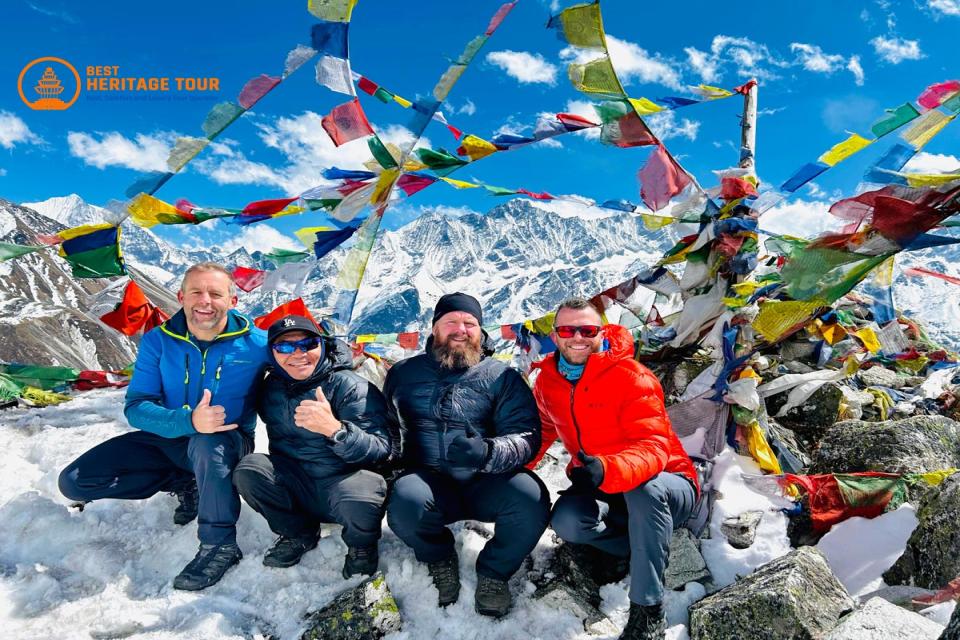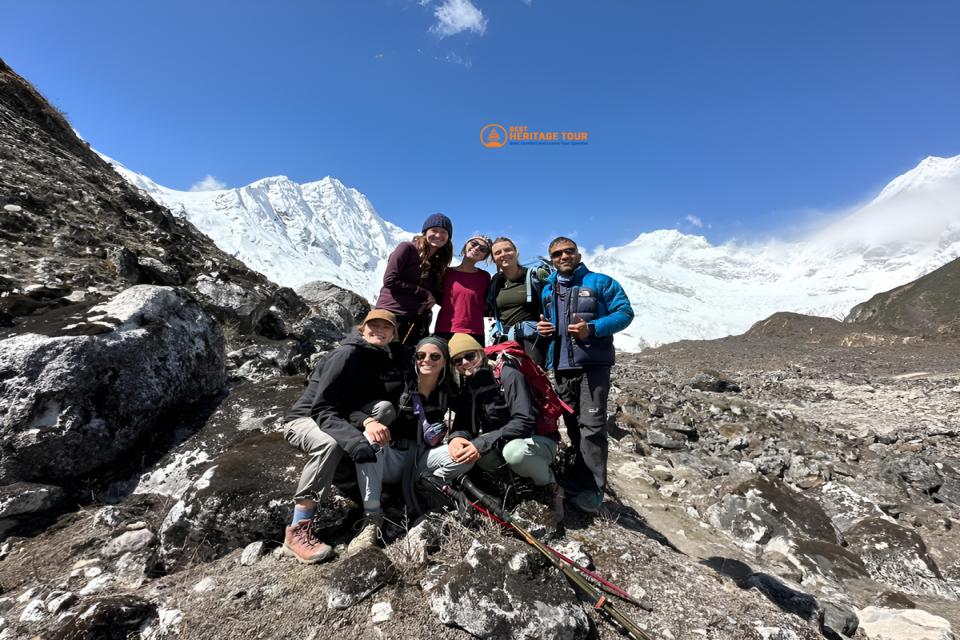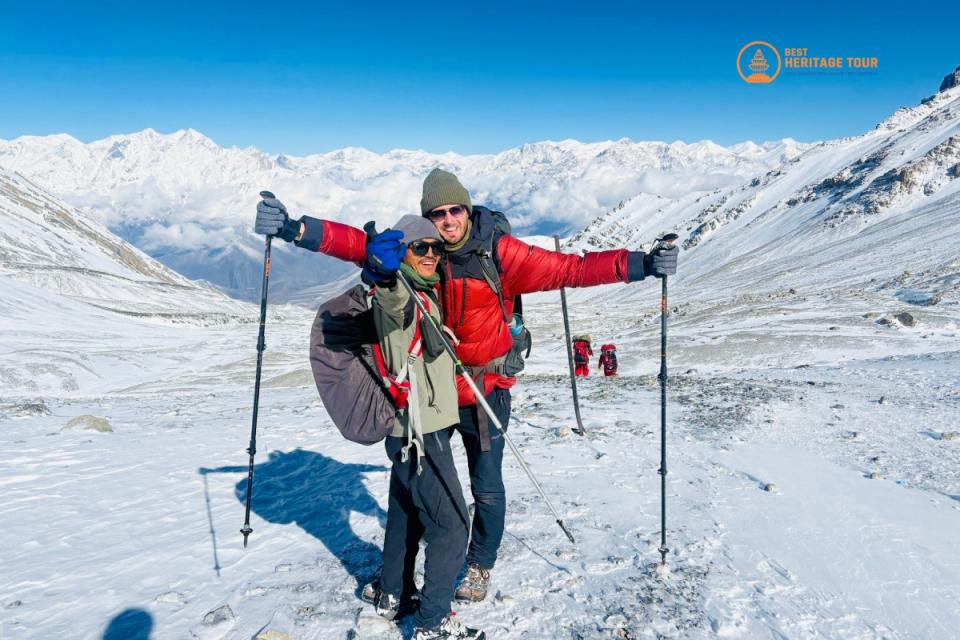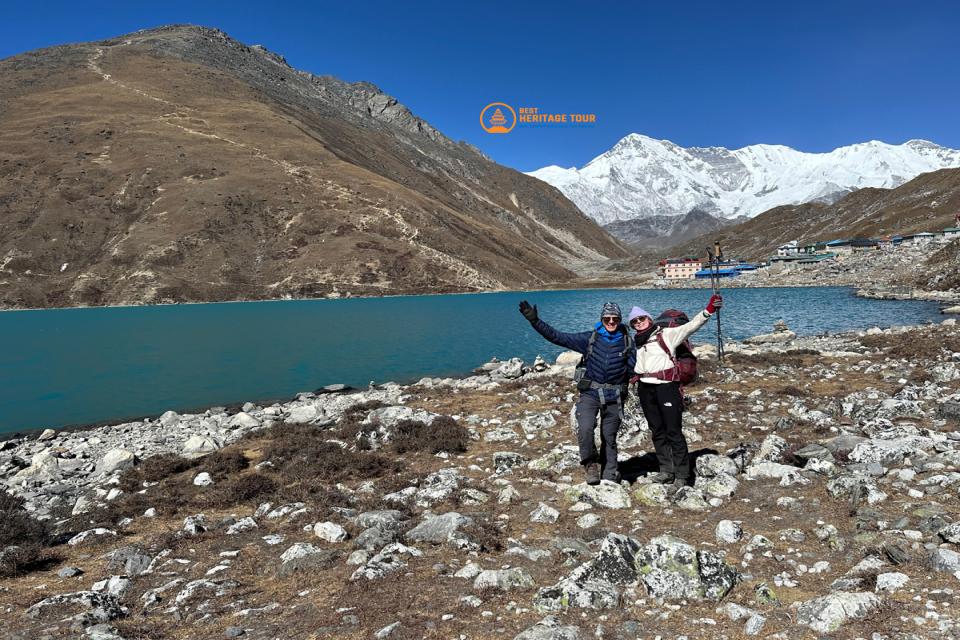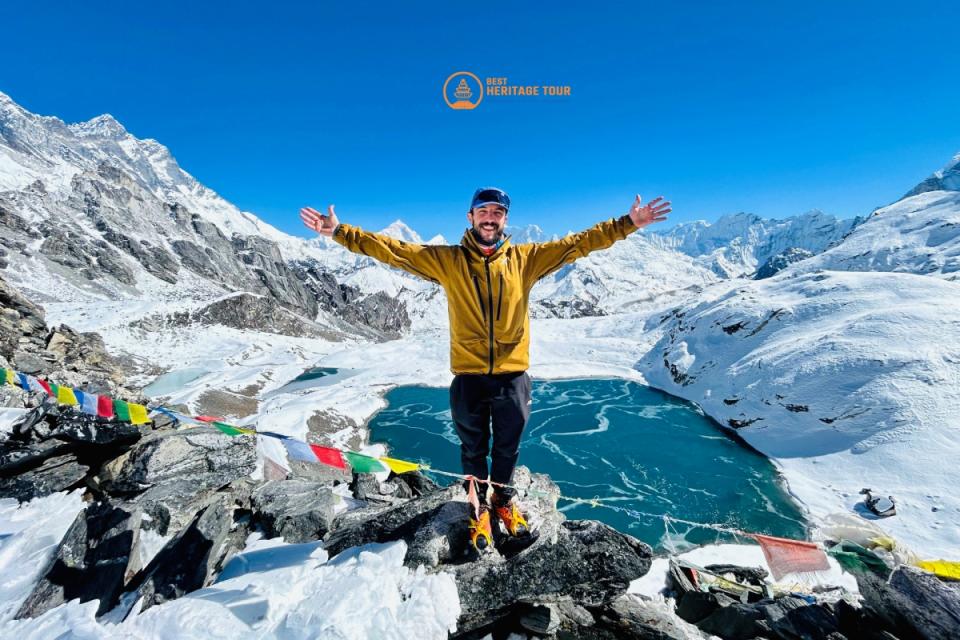
Navigating the Himalayas is as much about managing expectations as it is about managing elevation. At Best Heritage Tour, we’ve guided thousands of adventurers through the rugged trails of the Khumbu, the lush valleys of Annapurna, and the restricted mystical lands of Upper Mustang. One question consistently echoes in our Kathmandu office: "Should I go for a budget trek or a luxury experience?"
The truth is, the mountains don't change based on your wallet - Everest is just as tall and the Kali Gandaki just as deep. However, how you experience those mountains changes drastically. In this comprehensive guide, we’ll break down the nuances of Budget vs. Luxury trekking in Nepal for 2026 to help you decide which path aligns with your soul (and your bank account).
The Evolution of Himalayan Trekking: 2026 Perspective
A decade ago, "luxury" in the mountains meant a thick mattress and a western-style toilet. Today, the landscape has shifted. With the rise of boutique mountain lodges and helicopter-shuttle options, the gap between a standard teahouse trek and a high-end expedition has widened.
Whether you are a solo backpacker looking for the "authentic" grit or a traveler seeking comfort after a 6-hour hike, Nepal offers a spectrum of services. As a leading local agency, Best Heritage Tour prides itself on tailoring both ends of this spectrum with safety and cultural integrity at the forefront.
1. Accommodation: Sleeping Under the Stars vs. Five-Star Lodges
The most significant difference between budget and luxury trekking lies in where you rest your head.
Budget Trekking: The Classic Teahouse Experience
Budget trekking revolves around the traditional "Teahouse." These are small, family-run inns that provide basic amenities.
-
The Room: Expect two twin beds with thin mattresses and a shared wooden wall. Insulation is minimal; your sleeping bag is your best friend here.
-
Bathrooms: Most budget options offer shared bathrooms. Above 4,000 meters, these are often "squat" toilets, and hot water for showers usually comes at an extra cost (approx. $3-$5 per shower).
-
Vibe: Social and communal. You’ll spend your evenings huddled around a central yak-dung heater in the dining hall, swapping stories with trekkers from across the globe.
Luxury Trekking: Mountain Boutique & Comfort
Luxury trekking utilizes premium lodges like Everest Summit Lodges or Yeti Mountain Homes.
-
The Room: Spacious, heated rooms with high-quality linens and electric blankets.
-
Bathrooms: Private, en-suite bathrooms with 24/7 hot running water - a true miracle at 3,800 meters.
-
Vibe: Quiet, exclusive, and restorative. You have the privacy to reflect on your journey in a serene environment, often featuring landscaped gardens and panoramic views.
2. Culinary Journeys: Dal Bhat Power vs. Gourmet Menus
In the thin air of the Himalayas, calories are your fuel. But how those calories are served varies.
The Budget Menu: "Dal Bhat Power, 24 Hour"
On a budget trek, you’ll eat from a standard teahouse menu.
-
The Staples: Dal Bhat (lentil soup, rice, and curry) is the hero. It is nutritious, filling, and comes with free refills - a budget trekker’s dream.
-
Variety: You’ll find fried noodles, momos (dumplings), and porridge.
-
Safety Tip: We always advise budget trekkers to stick to vegetarian options at high altitudes, as meat is often carried up by porters over several days without refrigeration.
The Luxury Menu: Fine Dining at Altitude
Luxury treks elevate the dining experience to professional standards.
-
The Staples: Multi-course meals prepared by trained chefs. You might start with a fresh pumpkin soup, followed by a perfectly seared yak steak (transported safely), and finish with an apple tarte-tatin.
-
Drinks: Unlimited organic coffee, herbal teas, and sometimes even a selection of fine wines to toast your success at the end of the day.
3. Logistics and Transportation: The Road (or Sky) Less Traveled
Getting to the trailhead is half the battle in Nepal.
|
Feature |
Budget Trekking |
Luxury Trekking |
|---|---|---|
|
Domestic Travel |
Public bus or shared jeep to trailheads (e.g., Jiri or Syabrubesi). |
Private AC vehicles or domestic flights (e.g., Lukla/Jomsom). |
|
Helicopter Options |
Only for emergencies/evacuation. |
Optional "Heli-Trek" returns to save time and knees on the descent. |
|
Porter-to-Guest Ratio |
Usually 1 porter for 2 trekkers (carrying 10-12kg each). |
1 porter per guest or extra support staff for a lighter day-pack. |
|
Guide Experience |
Licensed local guide with standard English. |
Senior lead guides with specialized training in geology, culture, or photography. |
4. The Cost Breakdown: What to Expect in 2026
Price is often the deciding factor. Here is a realistic look at the daily expenses for both styles.
Budget Trekking (Estimated $35-$60 per day)
This includes your permits, basic teahouse room, three simple meals, and a shared guide/porter. It does not usually include Wi-Fi, battery charging, or hot showers, which are paid out-of-pocket at the lodges.
Luxury Trekking (Estimated $150-$300+ per day)
This is an all-inclusive price. It covers high-end lodges, all meals (including specialized snacks), private transportation, boutique stays in Kathmandu (4-5 star hotels), and premium gear rentals.
5. Which One is Right for You?
Choosing your trekking style is a deeply personal decision.
Choose Budget Trekking if:
-
You are a student, gap-year traveler, or long-term backpacker.
-
You prioritize the "grit" and social atmosphere of the trail over physical comfort.
-
You want to stay as long as possible in the mountains and need to stretch your funds.
Choose Luxury Trekking if:
-
You have limited vacation time and want to maximize recovery and enjoyment.
-
You are celebrating a milestone (honeymoon, anniversary, or retirement).
-
You have physical concerns (like back pain or knee issues) where a comfortable bed and high-quality support are non-negotiable.
-
You want the highest level of safety and personalized attention.
Why Best Heritage Tour?
At Best Heritage Tour, we don't believe in "one size fits all." We understand that some travelers want the raw, unfiltered Himalayan experience, while others want to see the world’s highest peaks without the world’s hardest beds.
As a Nepal-based travel company, we have direct relationships with lodge owners and local communities. This allows us to:
-
Guarantee Fair Wages: Our guides and porters are the backbone of our company; we ensure they are the best-paid and best-equipped in the industry.
-
Ensure Safety: Every one of our treks, budget or luxury, is equipped with a comprehensive medical kit and oximeters to monitor altitude saturation.
-
Provide Authentic Connection: Because we are locals, we take you behind the scenes of the Sherpa, Tamang, and Gurung cultures - experiences that money can't buy, regardless of your budget.
Conclusion
Whether you choose to sleep in a simple wooden hut or a heated mountain suite, the sunrise over Ama Dablam remains the same. Nepal is a land of contrasts, and trekking here is a transformative experience that stays with you long after you’ve returned home.
The "Budget vs. Luxury" debate isn't about which is better - it's about which version of the story you want to tell. Are you ready to write your Himalayan chapter?
Ready to Plan Your 2026 Adventure?
Don't leave your dream trek to chance. Let the experts at Best Heritage Tour craft an itinerary that fits your rhythm and your budget perfectly.
Phone / WhatsApp / Viber: +977-9851149197 / +977-9810043046
Email: info@bestheritagetour.com / bestheritagetour@gmail.com
Website: www.bestheritagetour.com
Office: Thamel Marg, Kathmandu, Nepal
Author: Best Heritage Tour
Date: 9th April, 2026