At Best Heritage Tour, we believe that some stories aren't meant to be told - they are meant to be captured.
For the serious photographer, Nepal is far more than the shadow of Mount Everest. Beyond the jagged peaks lies a thriving, pulsating heart of emerald jungles, golden grasslands, and mist-covered wetlands. It is a land where the prehistoric silhouette of a One-Horned Rhino breaks the morning fog and the golden eyes of a Royal Bengal Tiger peer through the tall elephant grass.
A Wildlife Photography Tour in Nepal is not your average safari. It is a test of patience, a masterclass in lighting, and an opportunity to document some of the most exotic wild animals in Nepal that cannot be found anywhere else on Earth. Whether you are a professional looking for that award-winning shot or a passionate traveler-photographer seeking the "Ghost of the Mountains," this guide is your blueprint for the ultimate photographic expedition.
Why Nepal is a Wildlife Photographer’s Paradise
While Africa has the "Big Five," Nepal offers a "Wild Trinity" that is equally compelling: the Royal Bengal Tiger, the Greater One-Horned Rhinoceros, and the elusive Snow Leopard.
What makes Wildlife Photography in Nepal unique is the sheer diversity of biomes. In a single trip, you can move from the subtropical Terai plains (at nearly sea level) to the high-altitude alpine deserts of the Himalayas. This dramatic shift in elevation creates niche habitats for over 900 species of birds and 200 species of mammals.
The Photographic Advantage:
-
Low-Angle Perspectives: In parks like Bardia, walking safaris allow you to get eye-level with wildlife, creating a sense of intimacy and power in your portraits.
-
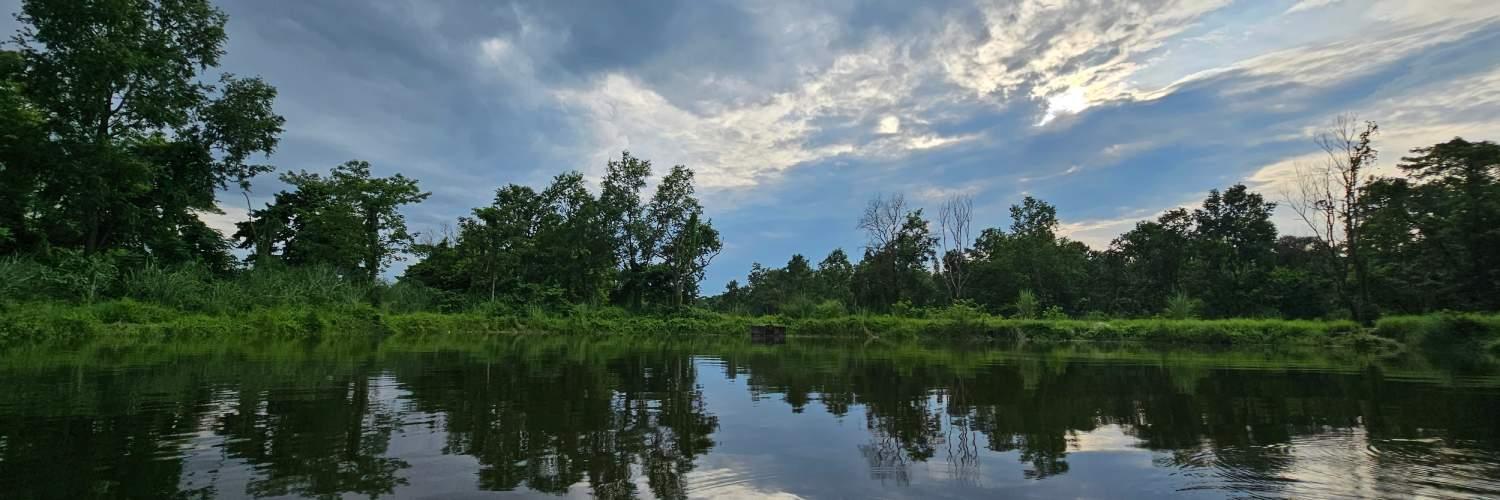
Diverse Lighting: From the "Golden Hour" reflections on the Rapti River to the moody, blue-tinted shadows of the high Himalayas.
-
Conservation Success: Nepal is a global leader in zero-poaching, meaning the animals are less stressed and more likely to display natural behaviors in front of your lens.
Prime Locations for Wildlife Photography in Nepal
To get the most out of your Wildlife Photography Tour in Nepal, you must choose your "studio" wisely. Each national park offers a different aesthetic and set of subjects.
A. Bardia National Park: The Tiger’s Stronghold
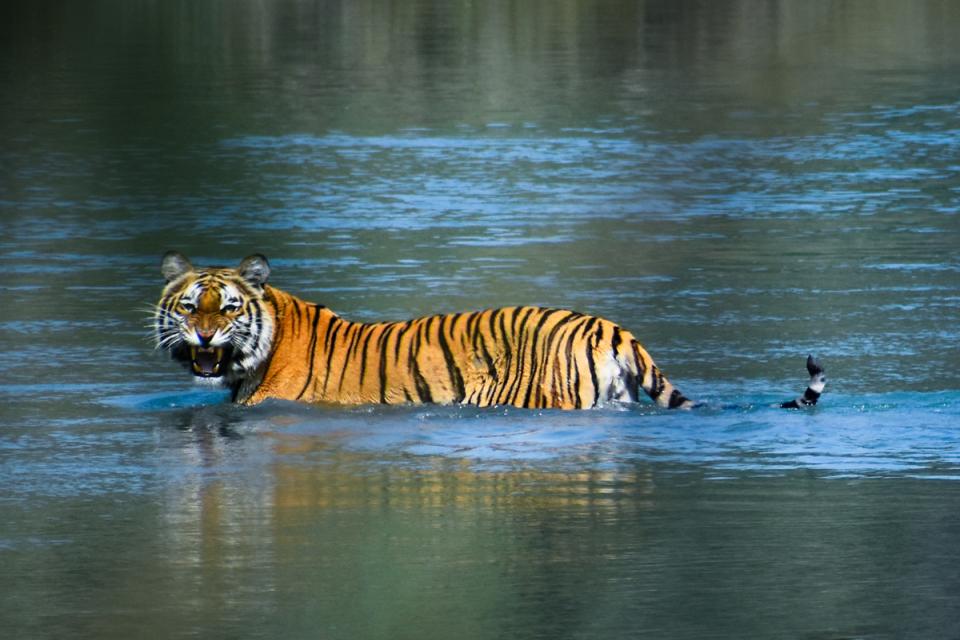
If your goal is to photograph the Royal Bengal Tiger, Bardia is your destination. Located in the remote Far-West, it is less crowded than Chitwan, offering a raw, untamed atmosphere.
-
Primary Subjects: Bengal Tiger, Wild Asian Elephant, Gangetic Dolphin, and Swamp Deer.
-
Photographer’s Tip: Use a fast telephoto lens (400mm or 600mm). The "Kingfisher Tower" and the banks of the Karnali River are iconic spots for "tiger-crossing" shots.
-
Best Time: March to May, when the heat drives tigers to the watering holes.
B. Chitwan National Park: The Land of the Giants
As a UNESCO World Heritage site, Chitwan is the most famous park for a reason. Its grasslands are the best place in the world to photograph the Greater One-Horned Rhino.
-
Primary Subjects: One-Horned Rhino, Gharial Crocodile, Sloth Bear, and over 500 bird species.
-
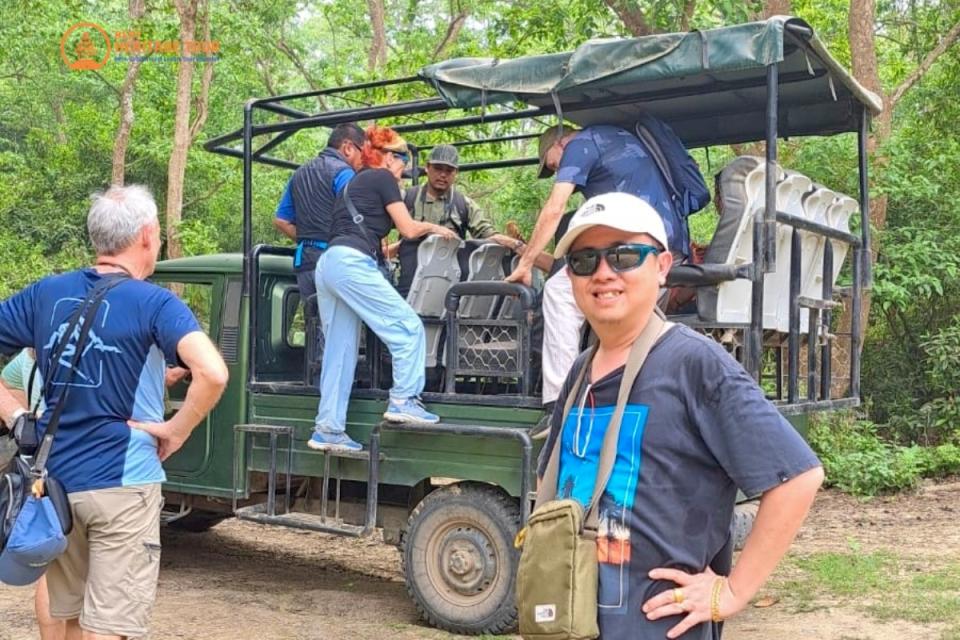
Photographer’s Tip: Book a private jeep safari through Best Heritage Tour to ensure you have the freedom to stop and wait for the perfect light without being rushed by a group.
-
The Shot: A rhino bathing in the Rapti River during sunset, with the water turning into liquid gold.
C. Koshi Tappu Wildlife Reserve: The Avian Amphitheater
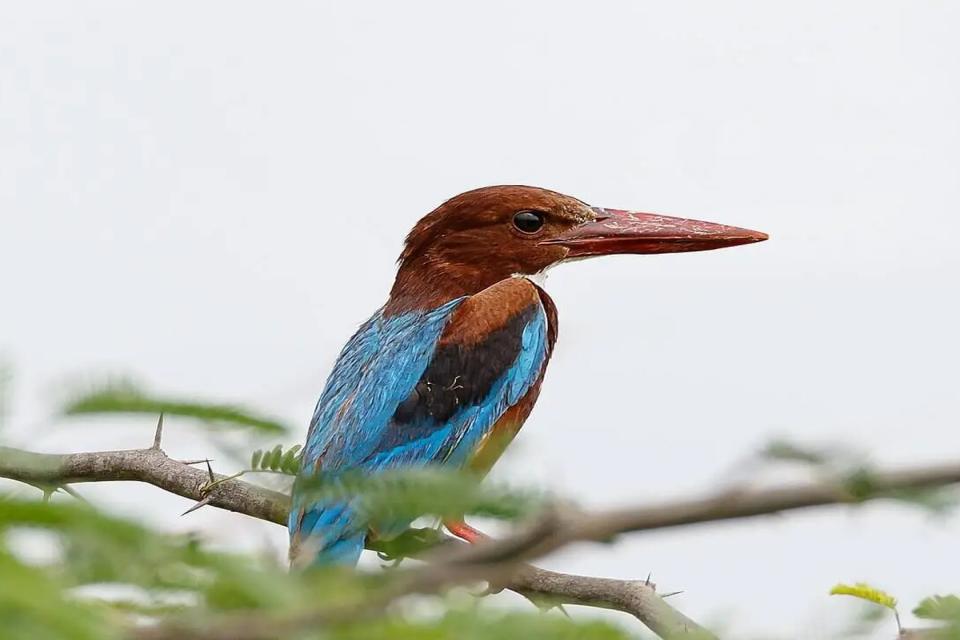
For bird photographers, Koshi Tappu is a mandatory stop. This RAMSAR site is a vital flyway for migratory birds.
-
Primary Subjects: Wild Water Buffalo (Arna), Bengal Florican, and various Kingfishers.
-
Photographer’s Tip: A tripod and a gimbal head are essential here for tracking fast-moving waterbirds across the wetlands.
Chasing the "Exotic" and the "Elusive"
Beyond the big game, Nepal is home to specialized species that require specific expeditions.
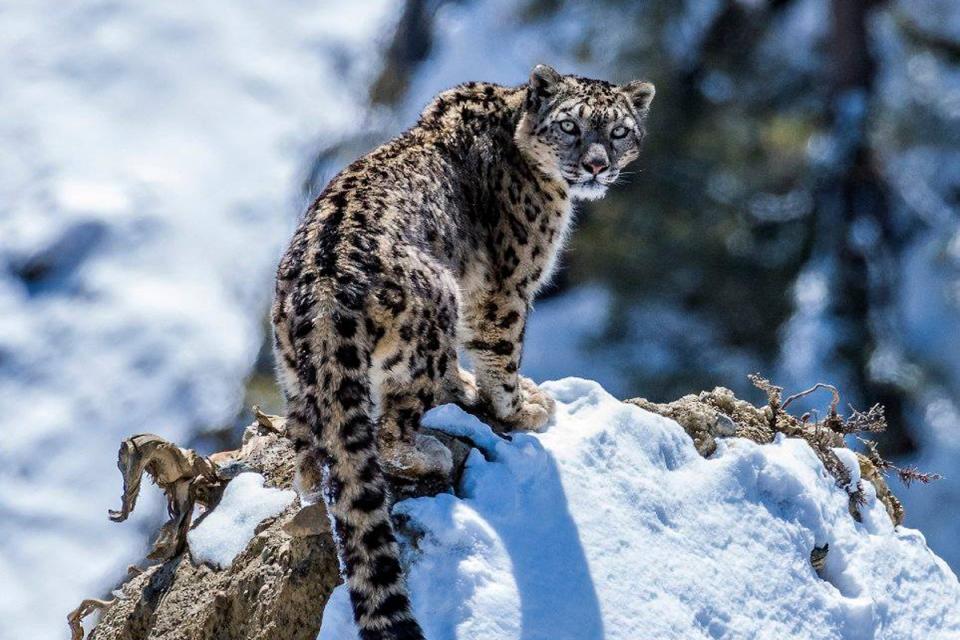
The Snow Leopard (The Ghost of the Mountains)
Found in the high-altitude regions of Manang and Dolpo, photographing a Snow Leopard is the "Holy Grail" of wildlife photography. It requires physical fitness, high-end gear (800mm lenses), and extreme patience.
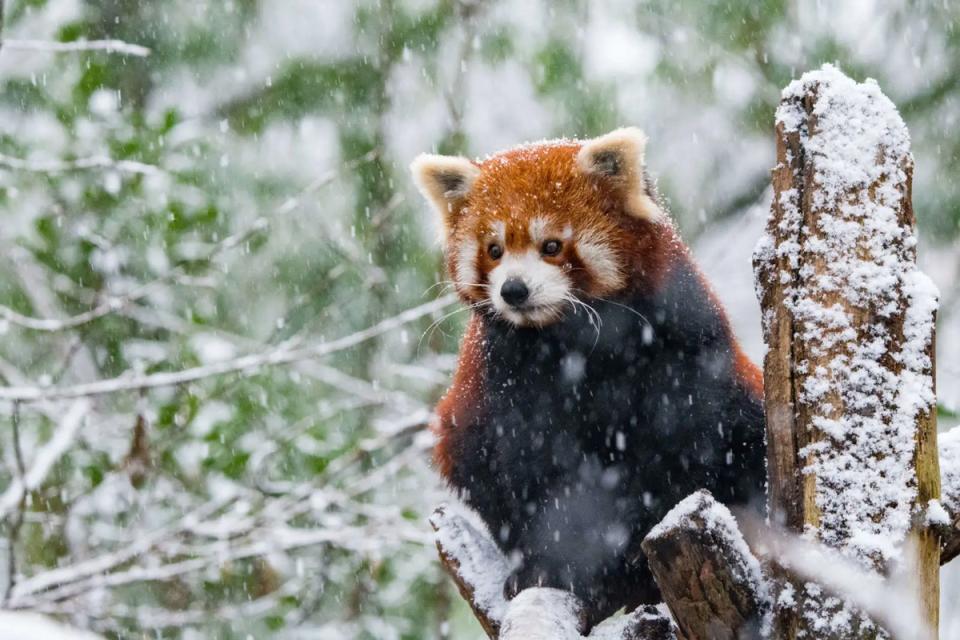
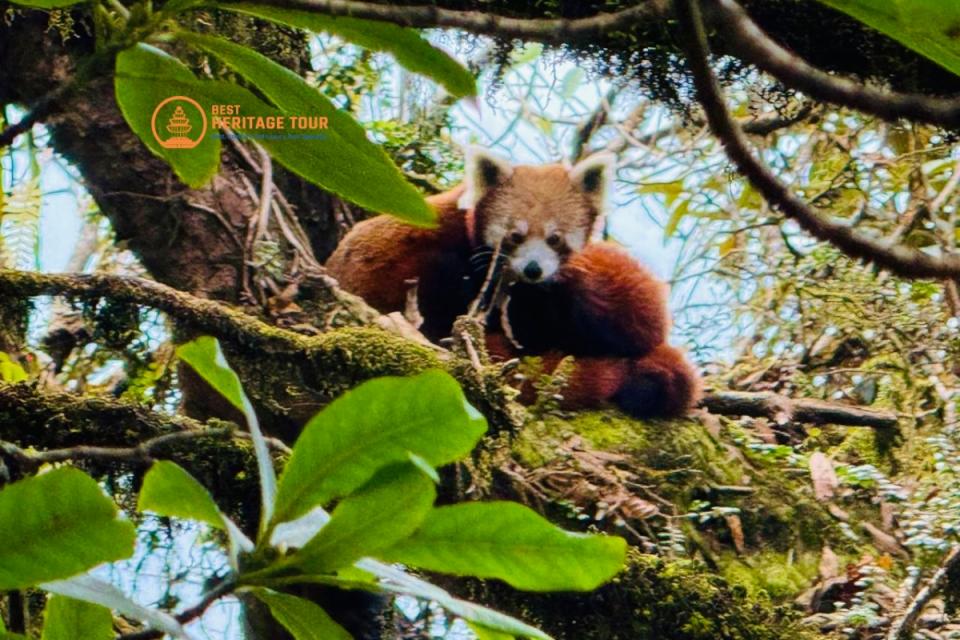
The Red Panda (The Fire Fox)
In the temperate bamboo forests of Ilam and Langtang, the Red Panda offers a splash of vibrant crimson against the deep green canopy. These are arboreal subjects, so be prepared for "looking-up" shots that require careful exposure compensation to avoid blowing out the sky.
Seasonal Guide: When to Click?
The timing of your Wildlife Photography Tour in Nepal will dictate the "look" of your portfolio.
|
Season |
Best For |
Conditions |
|---|---|---|
|
Autumn (Oct - Nov) |
Landscapes & General Wildlife |
Crisp air, clear Himalayan views, lush post-monsoon greenery. |
|
Winter (Dec - Feb) |
Birding & Rhinos |
Morning mist creates ethereal, moody shots; migratory birds arrive. |
|
Spring (Mar - May) |
Tigers & Predators |
Grass is cut/burnt for visibility; animals gather at limited water sources. |
|
Monsoon (Jun - Sep) |
Macro & Botany |
Intense greens, dramatic clouds, but difficult for gear maintenance. |
Essential Gear for the Nepalese Wilderness
We often tell our guests at Best Heritage Tour: "The best camera is the one you know how to use in the dark."
-
Lenses:
-
The Workhorse: 70-200mm f/2.8 for medium-range encounters and environmental portraits.
-
The Reach: 150-600mm or 400mm+ prime for tigers, birds, and shy mammals.
-
The Context: 16-35mm for wide-angle shots that show the animal in its vast habitat.
-
-
Protection: Dust is your enemy in the Terai, and moisture is the threat in the mountains. Bring high-quality rain covers and a blower kit.
-
Stability: While most shots from a jeep are handheld (use high shutter speeds!), a beanbag or a monopod is invaluable for steadying long lenses on the vehicle’s railing.
The Ethics of Wildlife Photography
At Best Heritage Tour, we pride ourselves on responsible tourism. A great photo should never come at the cost of an animal's well-being.
-
Silence is Golden: Respect the "hush" of the jungle. Loud noises can trigger a flight response, ending the photographic opportunity for everyone.
-
No Flash: Using flash on nocturnal animals or nesting birds is strictly prohibited as it can disorient and distress them.
-
Stay in the Vehicle/With the Guide: Never venture off-path to get a "closer shot." Our guides are experts at positioning the vehicle for the best angle without encroaching on the animal's "comfort zone."
Conclusion
Nepal is a land where the wild still reigns supreme. From the lowlands of the Terai to the peaks of the Himalaya, every sunrise brings a new opportunity to witness a moment of raw, natural beauty.
A Wildlife Photography Tour in Nepal is more than just a trip; it is an investment in your craft and a journey into the heart of one of the world's most successful conservation stories. At Best Heritage Tour, we don't just take you to the jungle; we place you in the path of inspiration.
Are you ready to capture the untamed?
Ready to book your expedition?
Phone / WhatsApp / Viber: +977-9851149197 / +977-9810043046
Email: info@bestheritagetour.com / bestheritagetour@gmail.com
Website: www.bestheritagetour.com
Office: Thamel Marg, Kathmandu, Nepal
Author: Best Heritage Tour
Date: 29th January, 2026