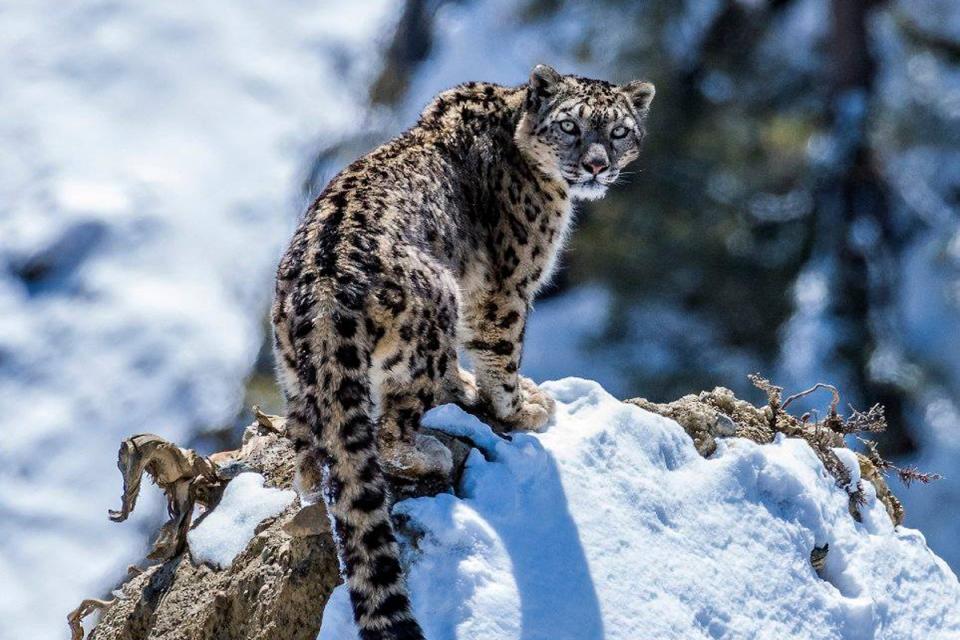
There is a specific kind of silence that only exists at 4,000 meters in the dead of winter. It is a silence layered with anticipation, the biting chill of the Himalayan wind, and the knowledge that somewhere among the jagged limestone cliffs, a pair of pale green eyes is watching you.
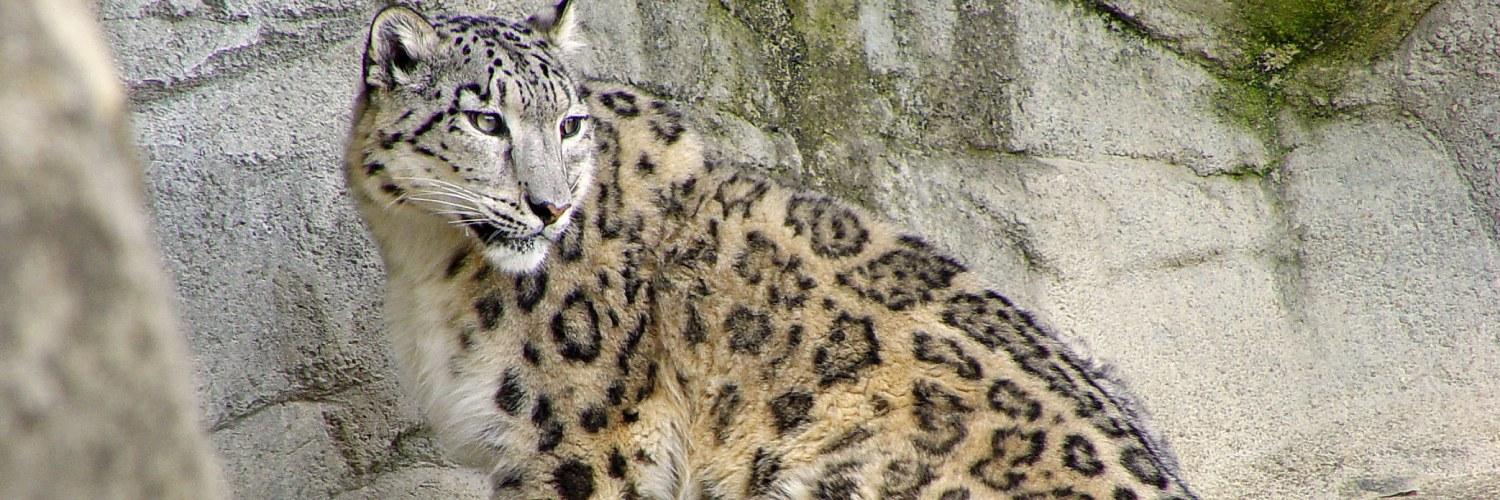
For wildlife photographers, the snow leopard (Panthera uncia) is the ultimate prize. Often called the "Ghost of the Mountains," this elusive predator is so well-camouflaged that it can disappear into a rock face while standing in plain sight. At Best Heritage Tour, we don’t just offer a trip; we offer a pilgrimage into the heart of the high Himalayas.
If you are ready to test your patience, your gear, and your spirit, this is your comprehensive guide to the Snow Leopard Photography tour in Nepal.
The Mystery of the Ghost: Snow Leopard Population in Nepal
Before you press the shutter, it is vital to understand the animal you are tracking. For decades, the snow leopard was a mythic figure, with population numbers based more on guesswork than data. However, 2025 and 2026 have marked a golden era for conservation in Nepal.
The Latest Numbers
Recent nationwide surveys have brought encouraging news. The current estimated Snow leopard Population in Nepal stands between 331 and 476 individuals. This makes Nepal one of the most critical strongholds for the species globally. These "mountain queens" are spread across the northern frontier, but their density is highest in protected areas where their primary prey - the Himalayan Blue Sheep (Bharal) - thrives.
Where Do They Live?
While snow leopards roam from the Kanchenjunga in the east to Humla in the west, three primary regions stand out for photography expeditions:
-
Shey-Phoksundo National Park (Dolpa): Hosting the highest recorded density (approx. 62 individuals).
-
Annapurna Conservation Area (Manang): The most accessible and high-probability sighting zone.
-
Manaslu Conservation Area: A rugged, emerging hotspot for researchers and trackers.
Why Manang is the Photography Capital for Snow Leopards?
If you are looking for the best "bang for your buck" in terms of accessibility and sighting probability, a Snow leopard in Manang is your best bet.
Manang is not just a stop on the Annapurna Circuit; it is a high-altitude amphitheater. The valley is flanked by the towering Annapurna and Gangapurna massifs, creating a natural corridor where snow leopards descend during the winter months.
The "Manang Advantage"
-
Prey Density: The cliffs around Manang are home to massive herds of Blue Sheep. Where there is food, there is the predator.
-
Expert Trackers: Manang is home to legendary conservationists like Tashi R. Ghale, who has spent decades documenting these cats. Our tours leverage this local expertise to put you in the right place at the right time.
-
Infrastructure: Unlike the 20-day treks required for Dolpo, Manang offers relatively comfortable tea houses and lodges, allowing photographers to recharge batteries (and themselves) after a long day in the cold.
Planning Your Snow Leopard Photography Tour: Timing is Everything
A Snow Leopard Photography Tour is not a year-round activity. To capture the cat, you must embrace the cold.
The Winter Window (December - March)
This is the "Golden Period." As heavy snow blankets the high peaks (above 5,000m), the Blue Sheep descend to the lower, wind-swept ridges near the villages to find grazing land. The snow leopards follow.
-
Tracking Advantage: Fresh snow makes pugmarks and "scrapes" (territory markings) much easier to identify.
-
The Light: The winter sun in the Himalayas stays lower on the horizon, providing longer "Golden Hour" windows for that soft, cinematic glow on the leopard’s fur.
-
Mating Season: February and March are peak mating months. During this time, the cats are more vocal and mobile, frequently moving along ridgelines to mark territory and find mates.
The Photographer’s Toolkit: Essential Gear for the High Himalayas
Photographing a snow leopard is a high-stakes game. You might only get one 30-second window during a 12-day trek. You need gear that won't fail in sub-zero temperatures.
1. The Optics (Lenses)
You will rarely find a snow leopard 10 meters away. Most sightings occur across valleys or on distant ridges.
-
The Workhorse: A 400mm or 600mm prime lens is ideal.
-
The Versatile Choice: A 200-600mm or 150-600mm zoom allows you to capture "environmental portraits" (the leopard within the vast landscape) as well as tighter shots.
-
Teleconverters: A 1.4x or 2.0x teleconverter is a lifesaver when the cat is on a distant skyline.
2. Camera Bodies
-
High Resolution: Since you may need to crop your images significantly, sensors with 45MP+ (like the Sony A1, Nikon Z9, or Canon R5) are preferred.
-
Silent Shutter: Wildlife is sensitive to noise. Mirrorless cameras with silent electronic shutters are a massive advantage.
3. Support Systems
-
Gimbal Heads: Trying to hold a 600mm lens steady in the wind at 4,000m is impossible. A sturdy carbon-fiber tripod with a gimbal head is non-negotiable for smooth tracking.
4. Power Management
Cold kills batteries. In -15°C, a battery that usually lasts 1,000 shots might only last 200.
-
Keep them Warm: Store spare batteries in an inside pocket close to your body heat.
-
Solar Power: Bring a portable solar charger to top up power banks during the day at the lodge.
Life on the Trail: What to Expect
A Snow Leopard Photography tour in Nepal is as much a test of endurance as it is a photography trip.
The Daily Routine
A typical day begins before dawn. After a quick cup of hot tea, you’ll head out with our expert spotters to a high-vantage point. We use high-powered Swarovski spotting scopes to scan the ridgelines.
-
The Wait: You might spend 6 to 8 hours sitting in one spot. This is where high-quality base layers and down suits become your best friends.
-
The "Spot": When a tracker whispers "Ghost," the atmosphere changes instantly. There is a frantic but silent rush to set up tripods and dial in settings.
Why Choose Best Heritage Tour for Snow Leopard Photography?
We aren't just a travel agency; we are storytellers and conservationists. When you book a Snow Leopard Photography tour in Nepal with us, you are supporting:
-
Local Communities: We employ local guides and porters from the Manang and Dolpo regions, ensuring that "cat tourism" provides a financial incentive for locals to protect the leopards.
-
Conservation Insight: Our tours include briefings on the current Snow leopard Population in Nepal and the challenges they face from climate change and human-wildlife conflict.
-
Unrivaled Success Rates: While no one can guarantee a sighting of a wild animal, our deep network of local "informants" and professional spotters gives you the highest possible statistical chance in the Himalayas.
Conclusion
Returning from a snow leopard expedition changes you. Whether you come home with a memory card full of award-winning shots or just a few distant silhouettes, you will have stood in the presence of one of the world's most resilient and beautiful creatures. You will have seen the Snow leopard in Manang and felt the pulse of the high mountains.
The "Ghost" is waiting. Are you ready to find her?
Phone / WhatsApp / Viber: +977-9851149197 / +977-9810043046
Email: info@bestheritagetour.com / bestheritagetour@gmail.com
Website: www.bestheritagetour.com
Office: Thamel Marg, Kathmandu, Nepal
Author: Best Heritage Tour
Date: 28th January, 2026