For many, the mention of "Trekking in Nepal" immediately conjures images of the bustling trails of Everest Base Camp or the classic teahouses of the Annapurna Circuit. But for those who hear the call of the wild and seek the silence of the ancient world, there is another side to the Himalayas.
At Best Heritage Tour, we believe that the true soul of Nepal lies in its "Restricted Areas" - regions that were closed to the world for decades and remain protected today. These are not just trekking routes; they are living museums, spiritual sanctuaries, and the last frontiers of the high Himalayas.
In this guide, we dive deep into the restricted trekking routes of Nepal to help you choose your next great adventure.
What Exactly Are "Restricted Areas" in Nepal?
In the context of Nepalese tourism, a Restricted Area is a region designated by the government as ecologically fragile, culturally sensitive, or geopolitically significant. Unlike the open trails of Langtang or Everest, you cannot trek here solo.
To preserve the pristine nature of these lands, the Government of Nepal mandates:
-
A Special Restricted Area Permit (RAP): These often carry a higher fee than standard permits.
-
A Registered Guide: You must be accompanied by a licensed professional from a registered trekking agency (like Best Heritage Tour).
-
Group Minimum: There must be at least two foreign trekkers in your group to obtain the permit.
While the logistics are slightly more complex, the reward is a journey through landscapes where "over-tourism" doesn't exist.
1. Upper Mustang: The Forbidden Kingdom of Lo
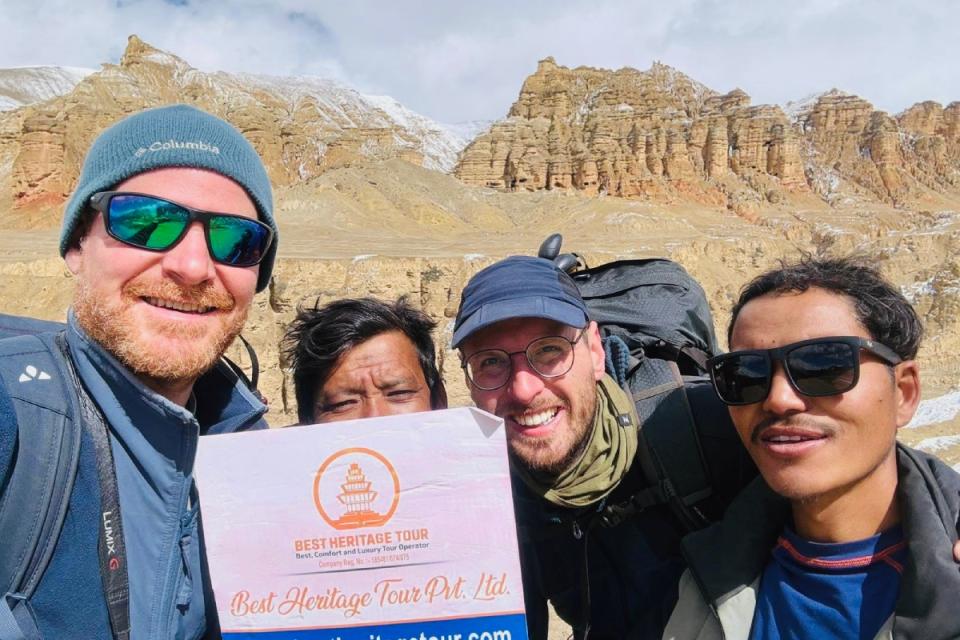
If you’ve ever wondered what Tibet looked like before the modern era, Upper Mustang is your answer. Hidden in the rain shadow of the Annapurna and Dhaulagiri massifs, this trans-Himalayan region is a high-altitude desert of ochre cliffs and wind-sculpted caves.
Why It’s Special:
-
The Walled City of Lo Manthang: Reach the medieval capital where the "King of Mustang" once resided.
-
Monsoon Trekking: Because it lies in the rain shadow, it is one of the few places in Nepal perfect for trekking during the summer months (June-August).
-
Ancient Sky Caves: Thousands of man-made caves are carved into vertical cliffs, some containing 2,000-year-old murals and human remains.
Permit & Logistics:
-
RAP Cost: $50 per day.
-
Difficulty: Moderate (highest point around 3,800m).
2. Manaslu Circuit: The New Classic
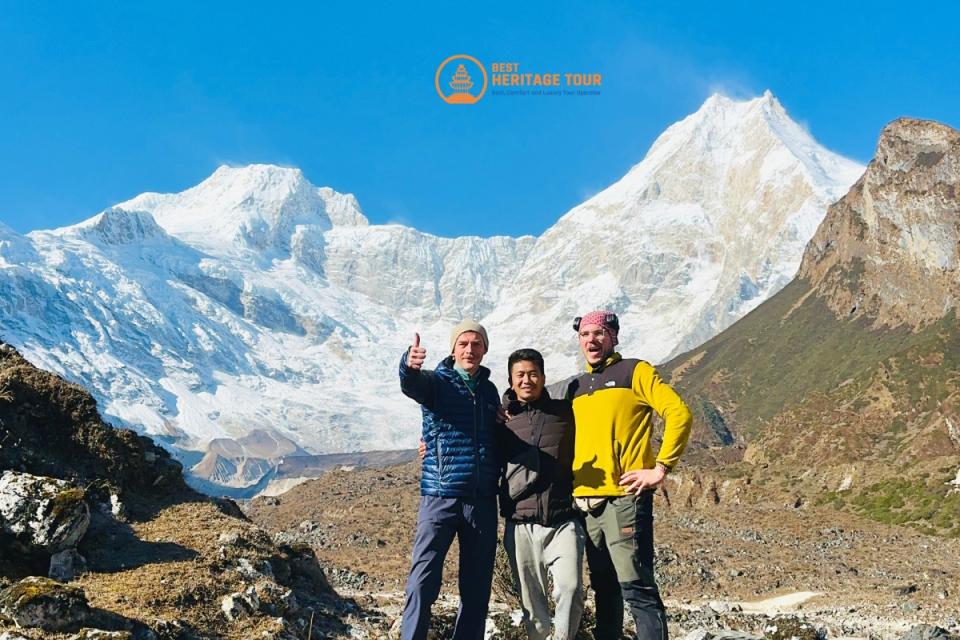
The Manaslu Circuit Trek has rapidly become the preferred alternative for those who find the Annapurna Circuit too "commercial." Circumnavigating the world's eighth-highest peak, Mt. Manaslu (8,163m), this route offers a perfect blend of Hindu lowland culture and Tibetan highland spirituality.
Why It’s Special:
-
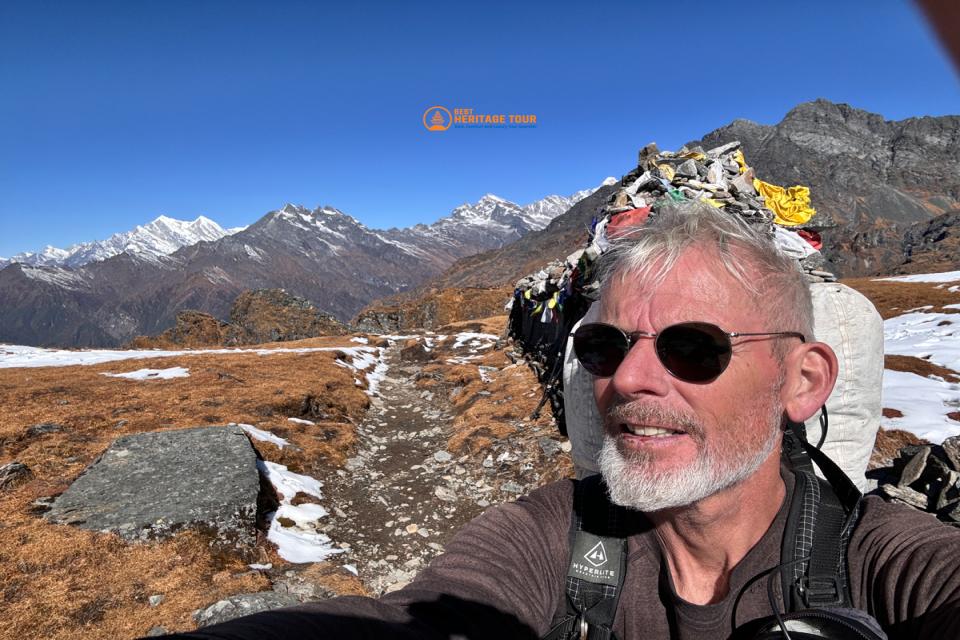
Larkya La Pass: Crossing this 5,106m pass is a test of endurance that offers one of the most dramatic glacial panoramas in the world.
-
Untouched Culture: Unlike the Sherpa-centric Everest region, Manaslu introduces you to the Nubri and Tsum people, whose traditions have remained unchanged for centuries.
-
Biodiversity: You move from subtropical jungles to alpine forests and finally into the high-altitude tundra.
Permit & Logistics:
-
RAP Cost: $100 per week (Sept-Nov) or $75 per week (Dec-Aug).
-
Difficulty: Strenuous.
3. Upper Dolpo: The Land of the Snow Leopard
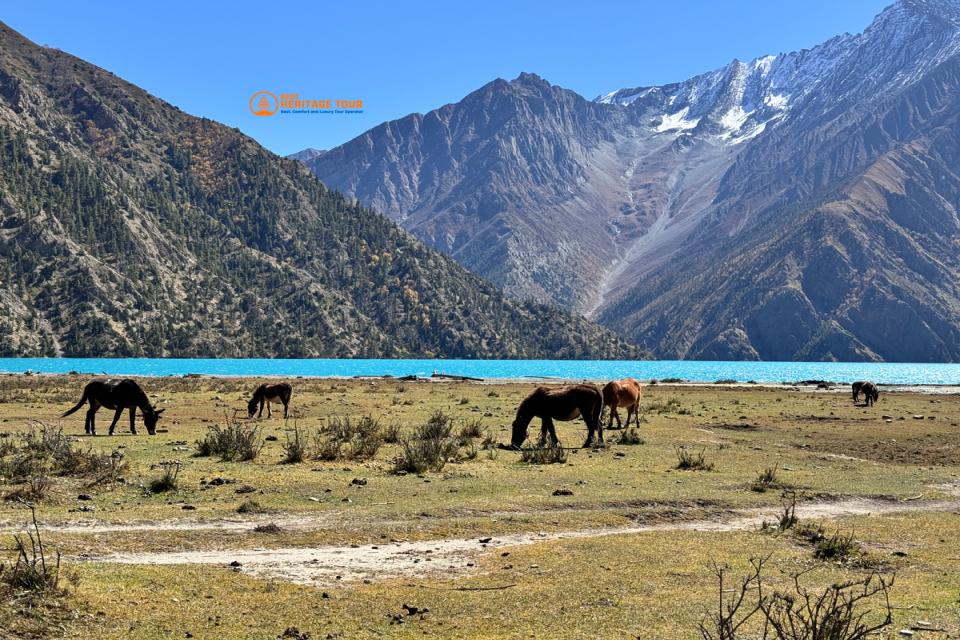
Immortalized by Peter Matthiessen’s The Snow Leopard, Upper Dolpo is perhaps the most remote region in Nepal. It is a land of Bon-po monasteries, blue sheep, and the shimmering turquoise waters of Phoksundo Lake.
Why It’s Special:
-
Phoksundo Lake: A deep-blue, "Y-shaped" lake that is said to be bottomless. It is widely considered the most beautiful lake in the Himalayas.
-
The Crystal Mountain: A sacred peak that locals circumambulate during the Dragon Year.
-
Living History: Dolpo is one of the last places on Earth where the pre-Buddhist Bon religion is still practiced in its original form.
Permit & Logistics:
-
RAP Cost: $500 for the first 10 days.
-
Difficulty: Very Strenuous (requires crossing several 5,000m+ passes).
4. Tsum Valley: The Hidden Valley of Happiness
Connected to the Manaslu region but culturally distinct, the Tsum Valley was only opened to trekkers in 2008. It is a "Beyul" - a sacred hidden valley mentioned in ancient Buddhist texts as a place of refuge and peace.
Why It’s Special:
-
Spiritual Purity: Hunting and slaughtering animals are strictly prohibited in the valley.
-
Mu Gompa: An ancient monastery perched at 3,700m, offering a glimpse into the life of Himalayan monks.
-
The Tsumba People: Known for their incredible hospitality and deep-rooted Buddhist faith.
Permit & Logistics:
-
RAP Cost: $40 per week (Peak Season) / $30 per week (Off-peak Season).
-
Difficulty: Moderate to Strenuous.
5. Nar Phu Valley: The Lost Villages
Tucked between the Annapurna Circuit and the Tibetan border, the Nar and Phu Valley Trek takes you to two medieval villages that were forgotten by time. This is a "hidden gem" in every sense of the word.
Why It’s Special:
-
Phu Village: A stone-built fortress village where the inhabitants live a nomadic lifestyle, herding yaks and goats.
-
Kang La Pass (5,320m): Offering what many guides call the single best view of the Annapurna Massif.
-
Remote Solitude: It is rare to see more than a handful of other trekkers on this trail.
Permit & Logistics:
-
RAP Cost: $100 per week (Sept-Nov) or $75 per week (Dec-Aug).
Preparing for Your Restricted Area Trek
Trekking in these regions requires more than just a backpack; it requires a mindset of respect and preparation. Here is what we recommend at Best Heritage Tour:
1. Physical Conditioning
These trails are often narrower, steeper, and less maintained than the popular routes. Cardiovascular training and leg strength are vital.
2. Respect for Local Traditions
In restricted areas, you are a guest in a very traditional home. Always walk to the left of Mani walls and chortens, and always ask for permission before taking photos of people or religious ceremonies.
3. Sustainability
Because these areas lack the infrastructure for waste management, we follow a strict "Pack It In, Pack It Out" policy. We encourage our guests to use water purification tablets rather than buying plastic bottled water.
Comparison Table: Restricted Trekking Routes at a Glance
|
Trek Name |
Best Season |
Max Altitude |
Highlights |
|---|---|---|---|
|
Upper Mustang |
May - October |
3,810m |
Lo Manthang, Caves, Arid Landscape |
|
Manaslu Circuit |
March - Nov |
5,106m |
Larkya La Pass, Mt. Manaslu views |
|
Upper Dolpo |
April - October |
5,350m |
Phoksundo Lake, Shey Gompa |
|
Tsum Valley |
March - May/Oct - Nov |
3,700m |
Spiritual monasteries, Tsumba culture |
|
Nar Phu Valley |
March - Nov |
5,320m |
Kang La Pass, Medieval stone villages |
Conclusion: Why Choose a Restricted Route?
The world is getting smaller, and truly "untouched" places are becoming harder to find. Choosing a restricted trekking route in Nepal is a commitment to seeing the world as it was centuries ago. It is an investment in the preservation of culture and the protection of nature.
At Best Heritage Tour, we don't just provide guides; we provide cultural bridges. We handle all the intricate permit paperwork, logistical planning, and safety protocols, so you can focus on the rhythmic sound of your boots on the trail and the breathtaking sight of the sun hitting a Himalayan peak.
Are you ready to leave the crowds behind?
Phone / WhatsApp / Viber: +977-9851149197 / +977-9810043046
Email: info@bestheritagetour.com / bestheritagetour@gmail.com
Website: www.bestheritagetour.com
Office: Thamel Marg, Kathmandu, Nepal
Author: Best Heritage Tour
Date: 26th January, 2026