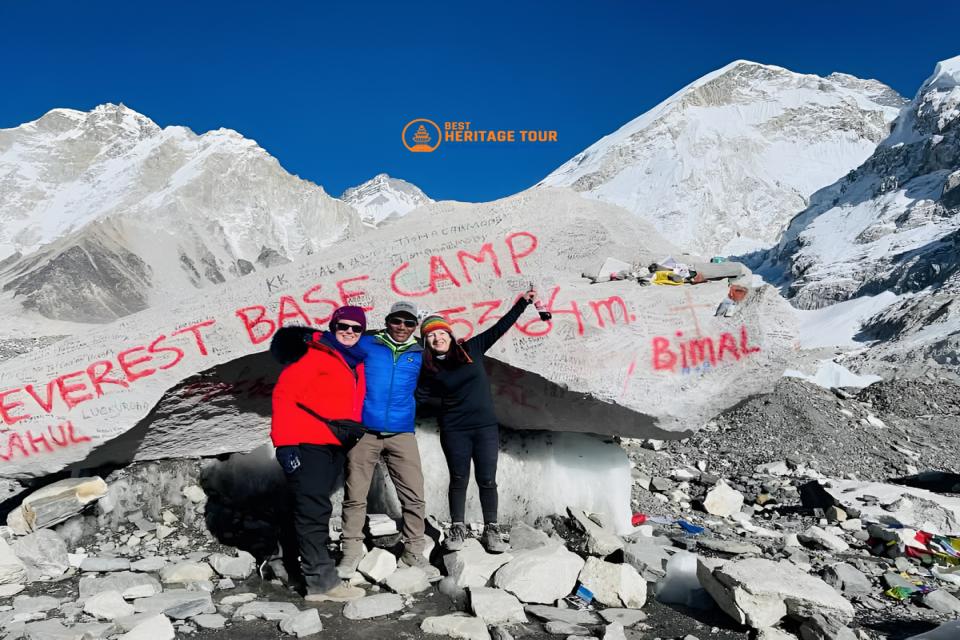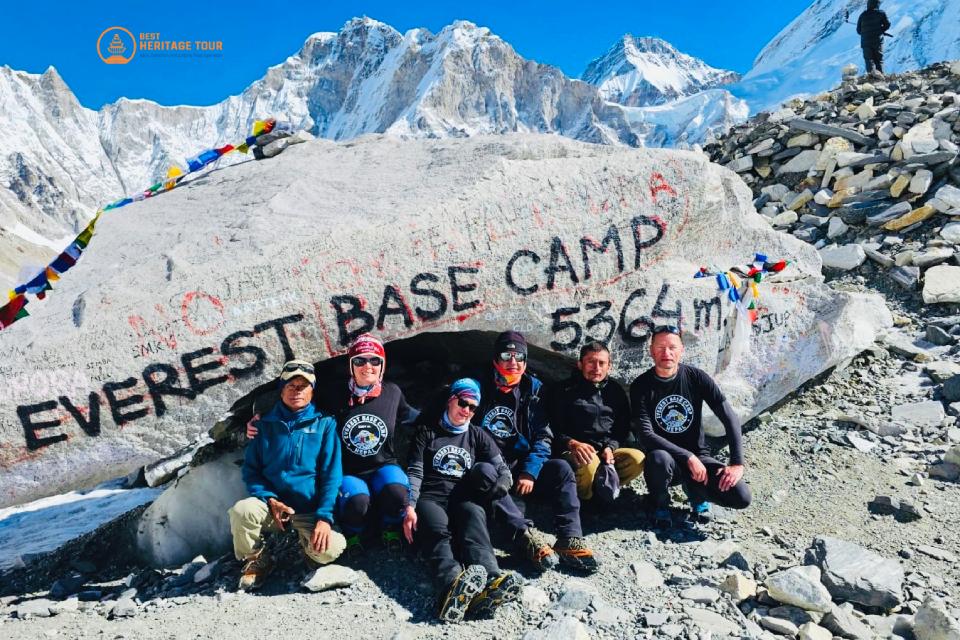
For many, the mention of the Everest region conjures images of the iconic Base Camp. While the trek to Everest Base Camp (EBC) is a rite of passage for every mountain lover, there is a path less traveled that offers something more profound, more challenging, and arguably much more beautiful.
At Best Heritage Tour, we’ve guided hundreds of explorers through the winding trails of the Himalayas. If you are looking for an experience that transcends the ordinary, we believe the Three Passes Trek is the pinnacle of high-altitude adventure. Connecting the four main valleys of the Khumbu - Bhotekoshi, Gokyo, Everest, and Imja - this circuit is a masterclass in Himalayan geography.
If you’re on the fence about whether to take the "standard" route or tackle the giants, here are seven compelling reasons why the Three Passes Trek should be at the top of your bucket list.
1. Conquer the "Triple Crown" of High-Altitude Passes
The primary draw of this trek is, of course, the three formidable passes: Kongma La (5,535m), Cho La (5,420m), and Renjo La (5,360m).
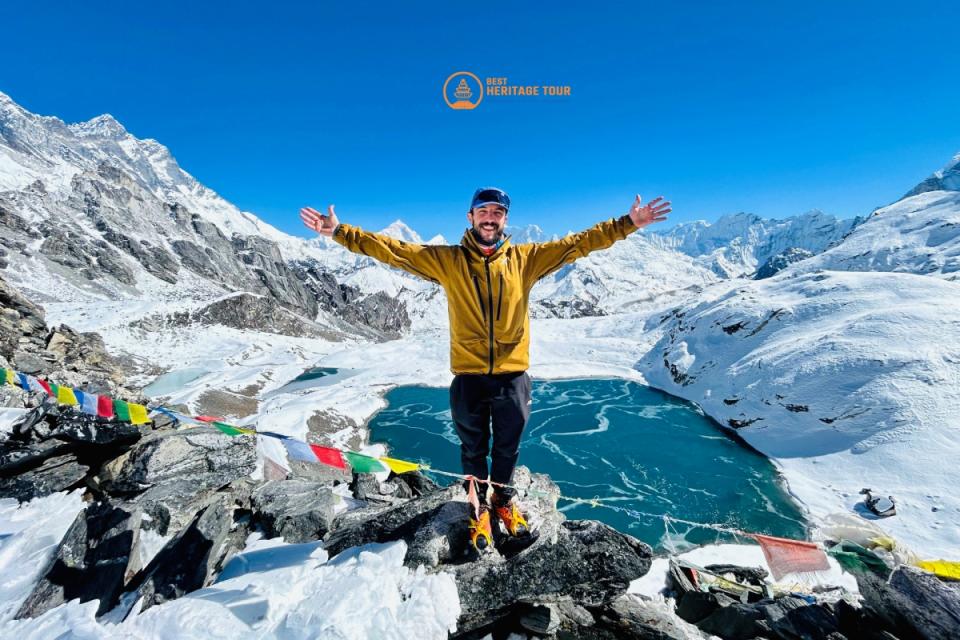
Crossing these passes isn't just about the physical exertion; it’s about the sense of accomplishment that comes with standing atop a mountain saddle, looking down at the world you just climbed. Each pass has its own distinct personality:
-
Kongma La: Often considered the toughest, it offers a rugged, rocky terrain and an intimidatingly beautiful view of Nuptse.
-
Cho La: Famous for its icy glacier crossing, this pass connects the Everest Base Camp trail with the emerald waters of Gokyo.
-
Renjo La: Widely regarded as providing the best panoramic view in the entire Everest region, looking back toward Everest and Lhotse over the shimmering Gokyo Lakes.
When you complete all three, you aren’t just a trekker; you’ve navigated the "Triple Crown" of the Himalayas.
2. Unrivaled Views of the "Big Four"
Most treks in the region focus on getting a glimpse of Mount Everest (8,848m). However, the Three Passes circuit offers a front-row seat to four of the world’s six highest peaks: Everest, Lhotse, Makalu, and Cho Oyu.
Because this route circles the entire Khumbu valley, your perspective is constantly shifting. You don’t just see Everest from the side; you see it framed by different ridges and reflected in turquoise glacial lakes. The view from the top of Renjo La, in particular, is often cited by our guides as the most spectacular sight in Nepal. Seeing the massive scale of the Gokyo Lakes with the world’s highest peaks towering behind them is a memory that stays with you forever.
3. Escape the Crowds for a Raw, Authentic Experience
The classic EBC trail can get crowded, especially during the peak spring and autumn seasons. At times, it can feel like a "highway" of trekkers and yak caravans.
The Three Passes Trek offers a much-needed escape. Because the trail is physically demanding, it attracts fewer people. This means you get long stretches of the Himalayas all to yourself. You’ll find a sense of solitude and "mountain stillness" that is hard to come by on the main routes. At Best Heritage Tour, we find that our clients often appreciate the silence of the Thame Valley or the quiet ascent of Kongma La just as much as the big mountain views.
4. The Surreal Beauty of the Gokyo Lakes
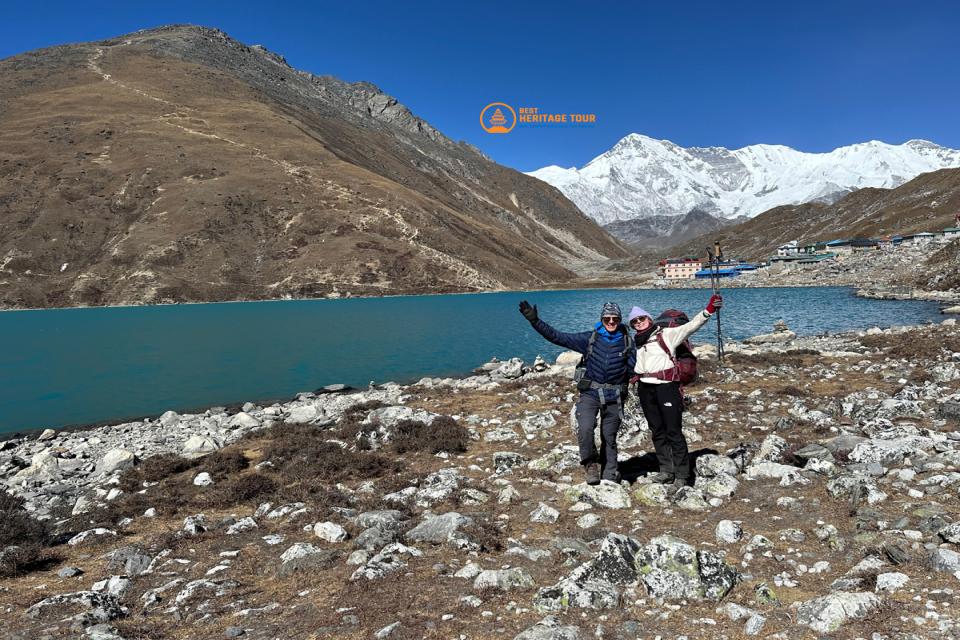
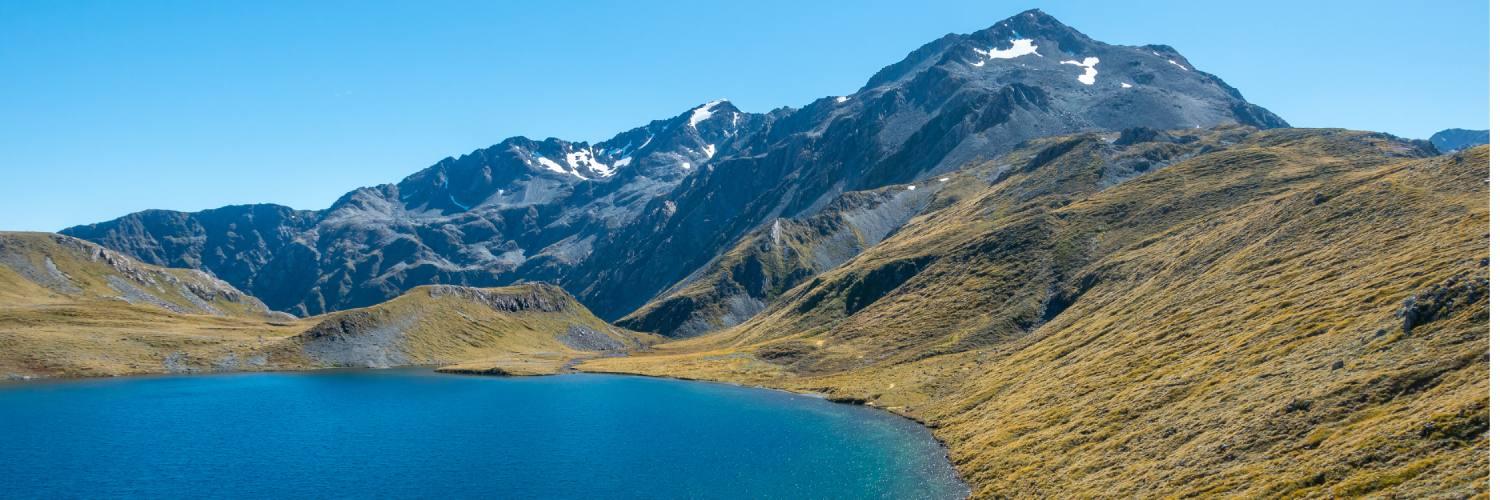
While the EBC trek is mostly about rock, ice, and moraine, the Three Passes Trek introduces you to the Gokyo Lakes - a series of six spectacular glacial lakes situated at altitudes of 4,700m to 5,000m.
The cobalt-blue and emerald-green waters of these lakes provide a stunning contrast to the grey and white of the surrounding peaks. Spending an extra day in the village of Gokyo allows you to climb Gokyo Ri (5,357m), providing a 360-degree panorama that many trekkers prefer over the view from Kala Patthar. There is something deeply spiritual about watching the sunrise hit the peaks while sitting beside the frozen shores of the Dudh Pokhari.
5. A Deep Dive into Sherpa Culture and Heritage
At Best Heritage Tour, we believe that a journey through the Himalayas is as much about the people as it is about the peaks. The Three Passes route takes you through traditional Sherpa villages that the standard EBC trek misses entirely.
One such highlight is the village of Thame. This is the childhood home of Tenzing Norgay (one of the first two individuals to reach the summit of Everest) and Apa Sherpa (who held the record for most Everest summits for years). Thame remains relatively untouched by the modern tourism boom. Here, you can visit ancient monasteries (Gompas), witness traditional farming practices, and experience the authentic hospitality of the Sherpa people without the "commercial" feel of busier hubs.
6. The Ultimate Physical and Mental Challenge
Let’s be honest: this trek is hard. It requires stamina, mental fortitude, and a respect for the altitude. But that is exactly why it is worth doing.
Trekking for 18 to 21 days across high-altitude passes builds a level of resilience you didn't know you had. You’ll learn to pace your breathing, find your rhythm, and push through the fatigue. For many of our travelers, the Three Passes Trek serves as a transformative experience. It’s a "reset button" for the mind. When you return to sea level, the problems of daily life often seem much smaller compared to the mountains you’ve just crossed.
7. A Complete Circuit of the Khumbu Region
Most treks in Nepal are "out and back" routes - you walk up a valley and then walk back down the same path. The Three Passes Trek is a true loop.
Every day brings a completely new landscape. You aren't retracing your steps; you are constantly moving forward into new territory. You get to see the lush forests of the lower Khumbu, the high-altitude deserts of the passes, the massive Ngozumpa Glacier (the longest in the Himalayas), and the hidden valleys of the Bhotekoshi. It is the most comprehensive way to see the Everest region in a single trip.
Planning Your Journey: Essential Tips from Best Heritage Tour
If these seven reasons have sparked your wanderlust, it’s important to prepare properly. This is not a trek to be taken lightly. Here is some expert advice to get you started:
Best Time to Go
-
Autumn (October to November): This is the gold standard. The air is crisp, the skies are crystal clear, and the views are at their sharpest.
-
Spring (March to May): A beautiful time when the rhododendrons are in bloom at lower altitudes and the climbing season is in full swing.
Training and Fitness
You don't need to be an Olympic athlete, but you do need good cardiovascular health and strong legs. We recommend a training regimen of hiking with a weighted pack, stair climbing, and consistent cardio for at least three months before your departure.
Gear Essentials
Layering is key. You will experience everything from sun-drenched valleys to sub-zero temperatures on the passes. Ensure you have high-quality, broken-in trekking boots, a down jacket rated for -15°C, and reliable UV-protection sunglasses (the glare off the glaciers is intense!).
Altitude Safety
Acclimatization is the most critical part of the Three Passes Trek. Our itineraries at Best Heritage Tour include built-in "rest" or acclimatization days in Namche Bazaar and Gokyo. The rule of thumb is to "walk high, sleep low." Listen to your body and never rush the ascent.
Conclusion
The Three Passes Trek is more than just a hike; it is a pilgrimage into the heart of the greatest mountain range on Earth. It challenges your body, enriches your spirit, and offers a perspective on nature that few ever get to see. From the emerald depths of the Gokyo Lakes to the staggering heights of the Kongma La, every step is a story waiting to be told.
The mountains are calling, and the passes are open. Are you ready to answer?
Ready to start your adventure? Contact Best Heritage Tour today to discuss your Three Passes itinerary. Let us handle the logistics while you focus on the journey of a lifetime.
Phone / WhatsApp / Viber: +977-9851149197 / +977-9810043046
Email: info@bestheritagetour.com / bestheritagetour@gmail.com
Website: www.bestheritagetour.com
Office: Thamel Marg, Kathmandu, Nepal
Author: Best Heritage Tour
Date: 21st January, 2026