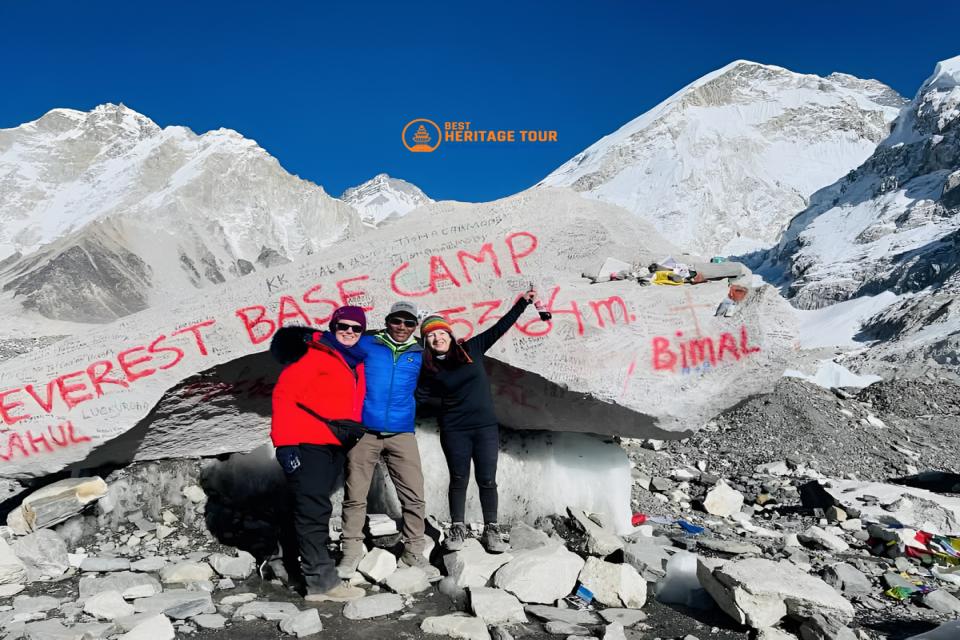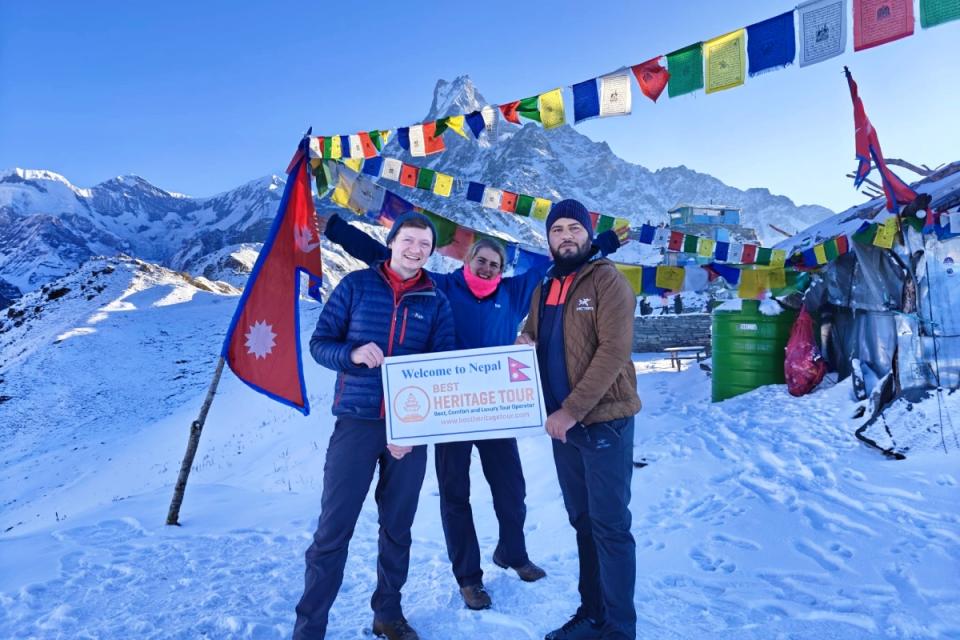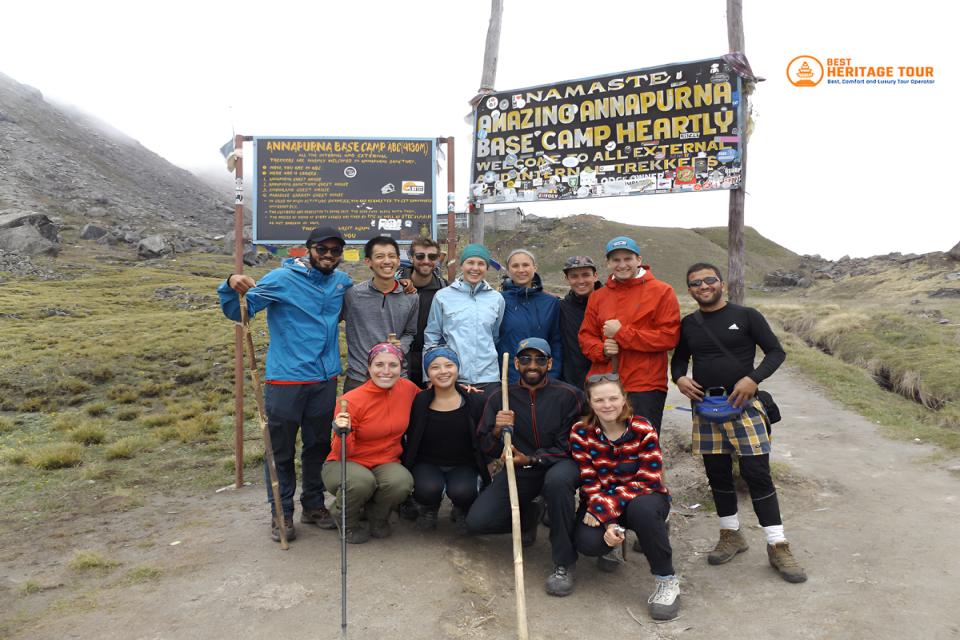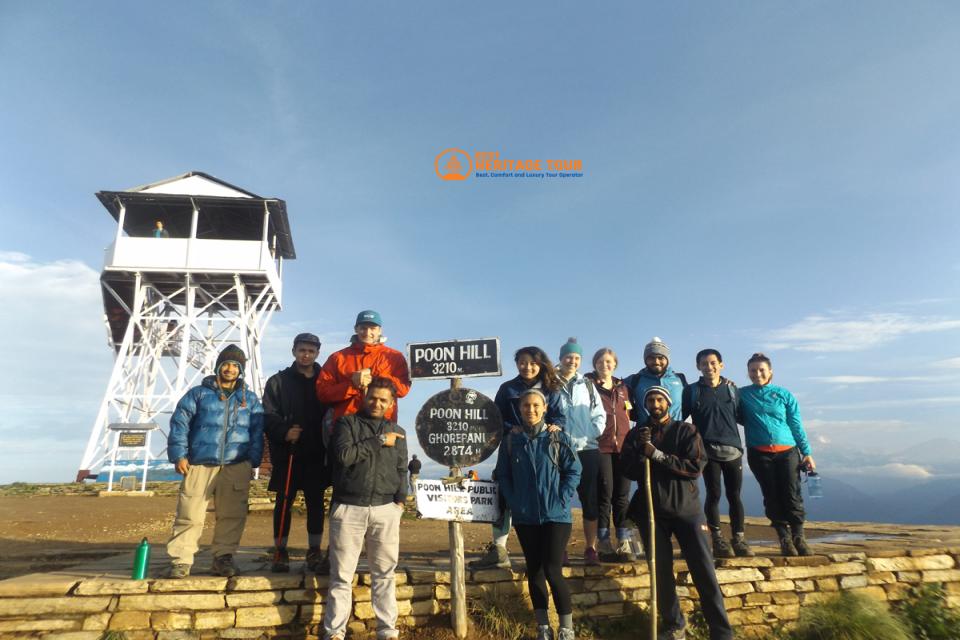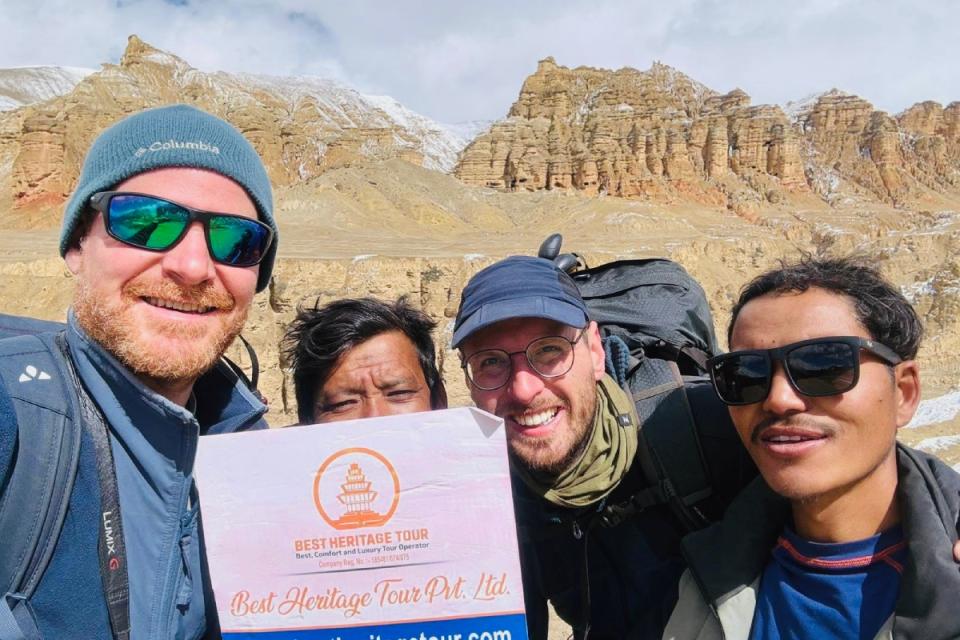
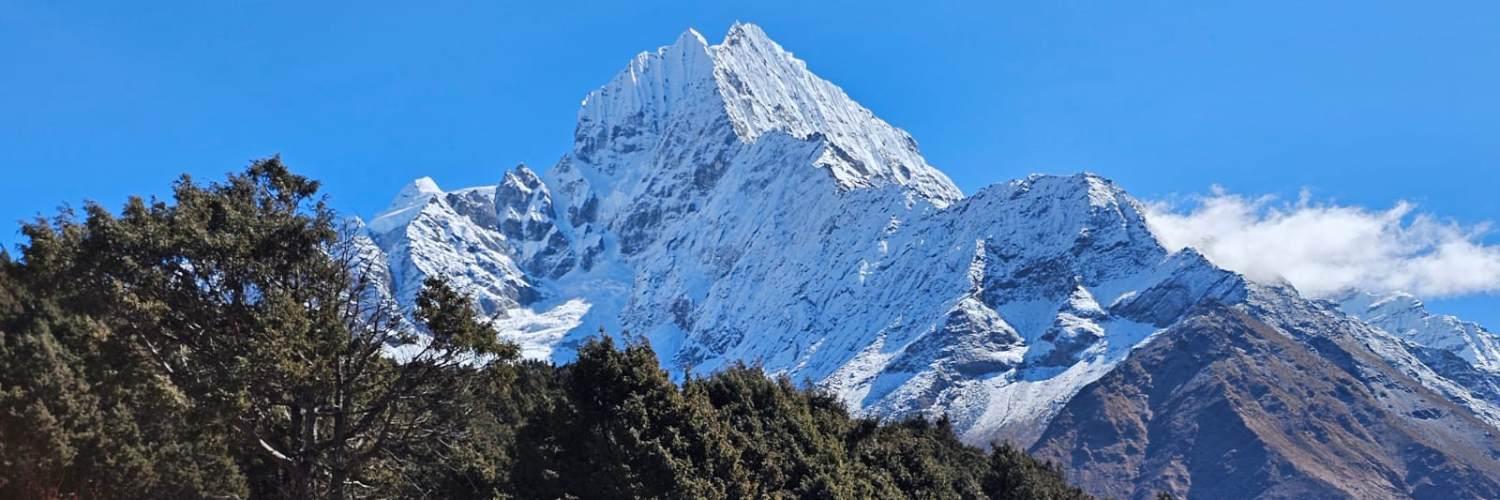
At Best Heritage Tour, we’ve guided thousands of adventurers through the winding trails of the Annapurna Circuit, the rugged paths to Everest Base Camp, and the spiritual tranquility of Langtang Valley. If there is one thing we have learned, it’s that for female trekkers, the difference between a "good" trek and a "life-changing" one often comes down to what is inside your backpack.
Nepal’s terrain is as diverse as its culture. You might start your morning in a humid sub-tropical forest and end it in a sub-zero alpine desert. This guide isn't just a list of items; it’s a strategic blueprint designed to keep you light on your feet, culturally respectful, and prepared for the unique physiological needs of a woman in the wild.
1. The Golden Rule: The Layering System
In the Himalayas, the weather is your most unpredictable trekking partner. The secret to staying comfortable is layering. This allows you to regulate your body temperature as you move from the heat of the lower valleys to the freezing high-altitude passes.
Base Layers (The Moisture-Wickers)
Your base layer stays against your skin. Avoid cotton at all costs. Cotton absorbs sweat, stays wet, and will make you dangerously cold once you stop moving.
-
2x Synthetic or Merino Wool T-shirts: Merino is the gold standard because it’s naturally anti-microbial - meaning it won't smell even after three days of trekking.
-
2x Long-sleeve Thermal Tops: Essential for chilly mornings and as sleepwear in teahouses.
-
2x Thermal Leggings: Lightweight for trekking under pants or for extra warmth at night.
Mid Layers (The Insulators)
These layers trap heat to keep you warm.
-
1x Mid-weight Fleece Jacket: A breathable layer for active trekking in cool weather.
-
1x Lightweight Down Jacket (Puffy): This is your best friend. Choose one with at least 600-800 fill power. You’ll wear this every evening once the sun goes down.
Outer Layers (The Protectors)
Your defense against the elements.
-
1x Waterproof & Windproof Shell Jacket: Look for Gore-Tex or similar breathable technology.
-
1x Waterproof Trekking Trousers: Essential for rain or snow.
-
1x Pair of Convertible Trekking Pants: These are fantastic for the lower altitudes where you might want to zip off the legs into shorts during the midday heat.
2. Footwear: Your Most Important Investment
Your feet are your vehicle. If they aren't happy, nobody is happy.
-
Trekking Boots: High-ankle support is a must for Nepal’s rocky and uneven trails. Ensure they are waterproof and, most importantly, broken in at least a month before you arrive in Kathmandu.
-
Camp Shoes/Sandals: After 7 hours of hiking, taking off your boots feels like heaven. Bring lightweight Crocs or trekking sandals (like Tevas) to wear around the teahouse.
-
Socks (4-5 Pairs): Invest in high-quality wool-blend socks (like Smartwool or Darn Tough). Bring 3 pairs for trekking and 1 "sacred" thick pair kept strictly for sleeping.
-
Liners (Optional): If you are prone to blisters, a thin silk liner sock can reduce friction.
3. The "Female-Specific" Hygiene Kit
Maintaining hygiene on a trek requires a bit of extra planning. Most teahouses above 4,000m offer limited (and very cold) shower facilities.
Menstrual Health
Altitude can sometimes mess with your cycle. Even if you aren't "due," come prepared.
-
Menstrual Cup: The most eco-friendly and space-saving option. However, only use it if you are comfortable cleaning it with boiled water in a teahouse environment.
-
Biodegradable Pads/Tampons: If you prefer disposables, bring plenty. Note: You must carry out what you carry in.
-
Ziploc Bags (Opaque): For discreetly carrying out used sanitary products.
Intimate Care & General Hygiene
-
2x High-Impact Sports Bras: Look for moisture-wicking fabrics that dry quickly. Avoid underwires, which can chafe under a heavy backpack.
-
5-7x Moisture-Wicking Underwear: Synthetic or merino wool blends are better than cotton to prevent yeast infections or UTIs.
-
Pee Funnel (Shewee): A game-changer for those moments when there are no bushes or the teahouse toilet is... less than ideal.
-
Biodegradable Wet Wipes: Your "Himalayan Shower." Use these for a daily "sink-less" wash.
-
Hand Sanitizer: Use it religiously before every meal.
-
Small Microfiber Towel: Dries in minutes and takes up zero space.
4. Health and First Aid
While our Best Heritage Tour guide carries a comprehensive medical kit, you should have a personal stash for minor ailments.
-
Altitude Medication (Diamox): Consult your doctor before your trip.
-
Blister Kit: Compeed, moleskin, and athletic tape.
-
Pain Relief: Ibuprofen or Paracetamol for those high-altitude headaches.
-
Rehydration Salts (Electrolytes): Essential for keeping your energy up and fighting fatigue.
-
Sunscreen & SPF Lip Balm: The Himalayan sun is brutal. Even on cloudy days, the UV index at 5,000m can burn you in minutes.
5. Gear and Gadgets
-
Backpack (40-50L): If you have a porter, you’ll only need a 20-30L daypack for your water, camera, and rain gear.
-
Sleeping Bag: Rated to at least -10°C (14°F). Teahouses provide blankets, but they aren't always cleaned between guests. A personal bag (and a silk liner) is a hygiene must.
-
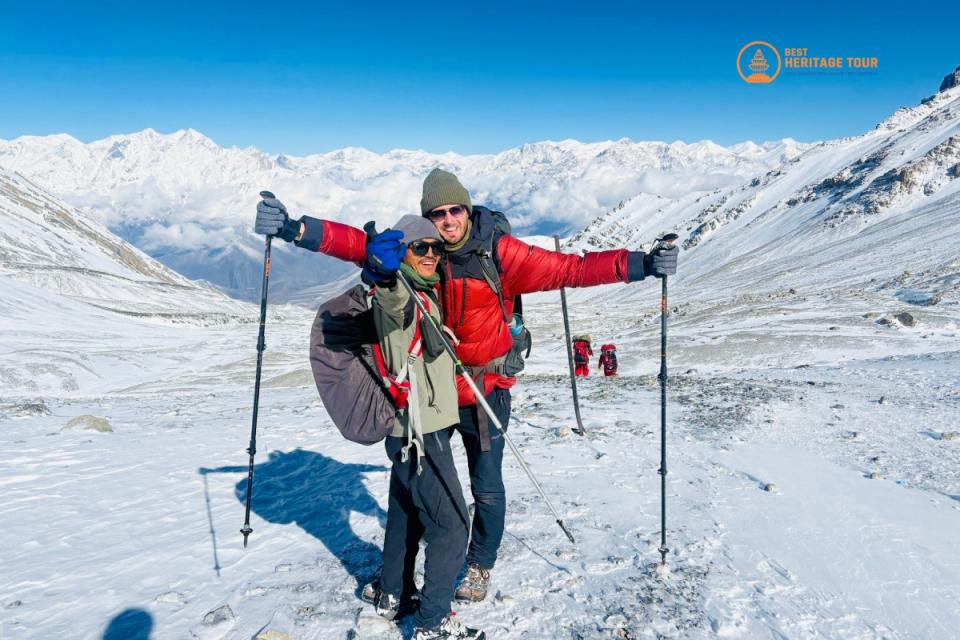
Trekking Poles: Your knees will thank you on the 1,000m descents.
-
Headlamp: Essential for early morning starts and navigating dark teahouse hallways at night. Don't forget spare batteries.
-
Power Bank: Charging electronics at high altitudes can be expensive (and sometimes impossible). A 20,000mAh bank should last you most of the trek.
6. Cultural Considerations: Dressing with Respect
Nepal is a conservative country, especially in rural mountain villages. While "trekking clothes" are expected, showing too much skin can be seen as disrespectful.
-
Avoid Short Shorts: Mid-thigh or knee-length is better.
-
Avoid Tight Leggings without a Long Shirt: Many female trekkers wear a lightweight skirt or a long tunic over their leggings when walking through villages.
-
Cover Your Shoulders: When visiting monasteries or temples, ensure your shoulders are covered. A lightweight pashmina or buff is perfect for this.
7. The "Little Extras" for Sanity
-
A Journal and Pen: To capture the magic of a sunrise over the Annapurna range.
-
Snacks: Pack your favorite protein bars, trail mix, or a small jar of peanut butter. The "sugar low" at 4,500m is real!
-
A Good Book or E-reader: There is a lot of downtime in the evenings.
-
NPR (Nepalese Rupees): While your tour might be pre-paid, you’ll need cash for hot showers, Wi-Fi, and that celebratory beer at the end of the trek.
Conclusion
Packing for Nepal is a balancing act between being prepared for the worst and keeping your pack light enough to enjoy the best. As a woman trekking in these majestic mountains, you are part of a brave community of explorers. By packing smart, respecting the local culture, and prioritizing your health, you aren't just going on a trip - you’re embarking on a transformation.
At Best Heritage Tour, we don't just provide guides; we provide companions who understand the nuances of the trail. We’ll be there to help you adjust your pack, find the best views, and ensure your journey through the heart of the Himalayas is as seamless as it is spectacular.
Ready to start your Himalayan adventure? Contact us today to customize your heritage journey through the roof of the world!
Phone / WhatsApp / Viber: +977-9851149197 / +977-9810043046
Email: info@bestheritagetour.com / bestheritagetour@gmail.com
Website: www.bestheritagetour.com
Office: Thamel Marg, Kathmandu, Nepal
Author: Best Heritage Tour
Date: 1st February, 2026