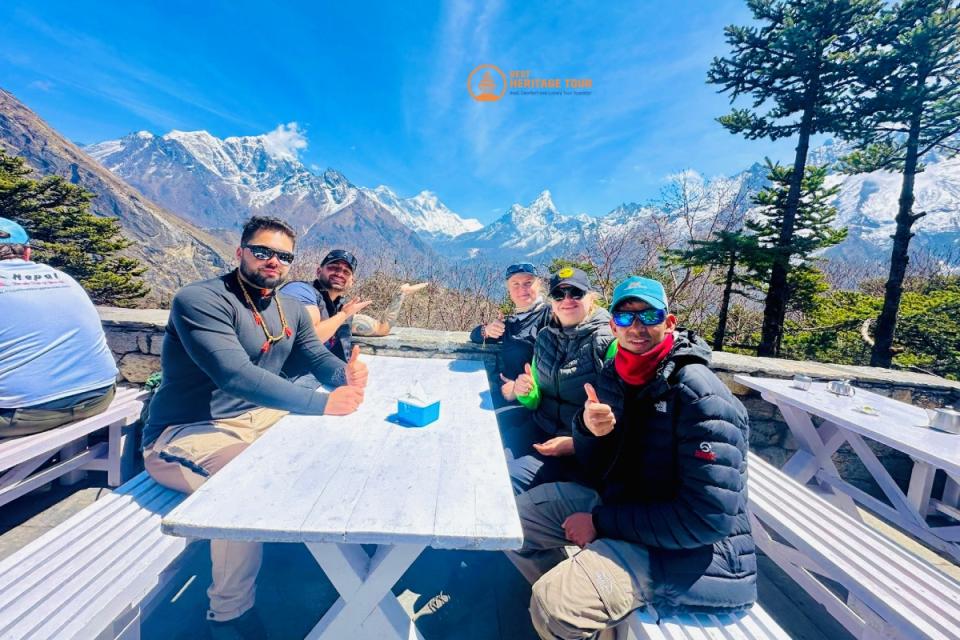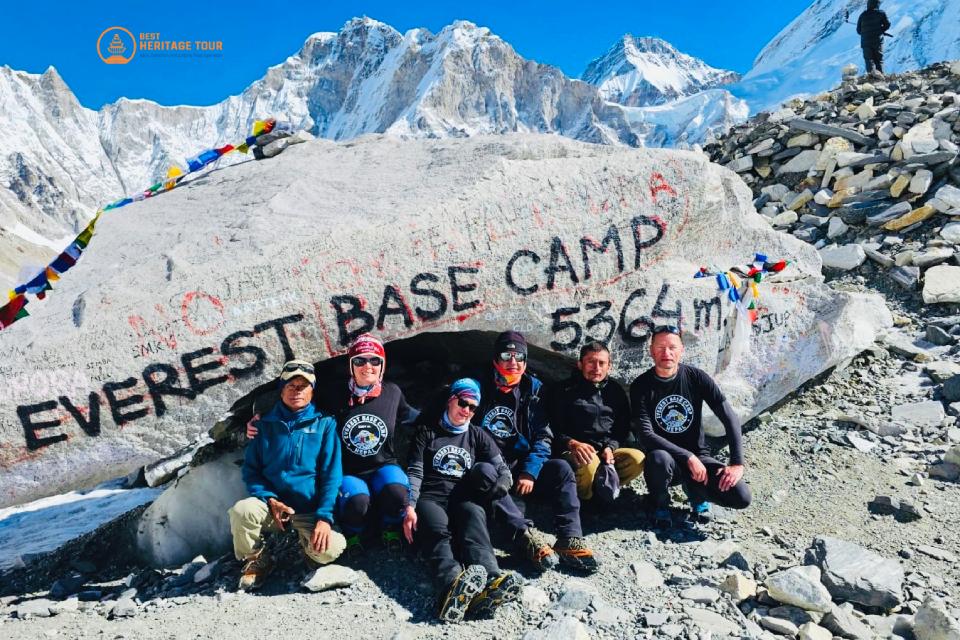
Packing for the "Roof of the World" is about more than just stuffing a bag; it’s about strategic preparation for one of the most diverse climates on Earth. At Best Heritage Tour, we’ve guided thousands of trekkers through the Khumbu Valley, and we know that the difference between a grueling struggle and a life-changing adventure often comes down to what’s inside your duffel.
In this comprehensive guide, we’ve distilled years of Himalayan expertise into the ultimate Everest Base Camp packing list. Whether you’re a first-timer or a seasoned hiker, this is everything you need to conquer the trail in 2026.
The Golden Rule: The Layering System
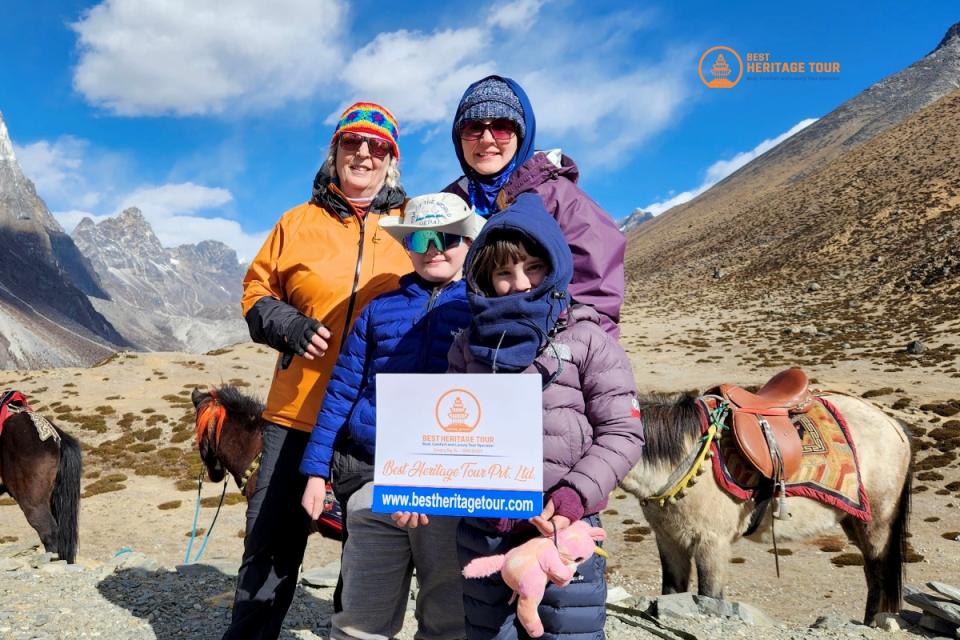
The temperature on the Everest Base Camp (EBC) trek can fluctuate from a balmy 15°C in the sun-drenched lower forests to a bone-chilling -20°C at Gorak Shep after sunset. To stay comfortable, you must master the "Three-Layer System."
The Base Layer (Moisture Management)
This is your second skin. It must be moisture-wicking to pull sweat away from your body.
-
What to pack: 2-3 sets of Merino wool or synthetic thermal tops and bottoms.
-
Pro Tip: Avoid cotton at all costs. Cotton traps moisture, stays cold, and can lead to hypothermia in high-altitude winds.
The Mid-Layer (Insulation)
This layer traps your body heat.
-
What to pack: 1 lightweight fleece jacket and 1 heavier fleece or "soft-shell" jacket.
-
Why Merino? Merino wool is naturally odor-resistant - a godsend when you haven't showered in six days.
The Outer Layer (Protection)
Your shield against the elements.
-
What to pack: 1 high-quality waterproof and windproof "hard-shell" jacket (Gore-Tex is the industry standard) and matching waterproof trousers.
-
The Down Jacket: A heavy-duty, hooded down jacket rated for at least -15°C. This is your "safety net" for cold evenings in the teahouses.
Footwear: Your Most Important Investment
Your feet are your vehicle. If they fail, the trek ends.
-
Hiking Boots: You need mid-to-heavyweight boots with solid ankle support and a waterproof membrane. Popular 2026 choices include the Salomon Quest 4 GTX or Lowa Renegade.
-
Camp Shoes: Your feet need to breathe at the end of the day. Pack a pair of lightweight sneakers or trekking sandals (like Crocs or Tevas) to wear inside the lodges.
-
Socks: 5-6 pairs of trekking socks (Merino wool blends). Bring 1 pair of extra-thick "summit socks" for the final push to Base Camp and Kala Patthar.
-
Gaiters: Essential if you’re trekking in the shoulder seasons (March or November) when snow on the trail is likely.
Head and Hands: Where Heat Escapes
-
Sun Hat: A wide-brimmed hat for the intense UV rays in the lower valleys.
-
Beanie/Warm Hat: A wool or fleece hat that covers your ears.
-
Neck Gaiter (Buff): A versatile piece of kit to protect your neck from the sun and your lungs from the "Khumbu Cough" caused by dry, dusty air.
-
Gloves: Use a two-layer system. 1 pair of lightweight liner gloves and 1 pair of heavy, waterproof insulated mittens or gloves.
Technical Gear and Sleeping
While teahouses provide blankets, they are rarely enough for the freezing altitudes above 4,000 meters.
-
Sleeping Bag: A 4-season bag rated to -20°C (-4°F). We recommend a down-filled bag for its superior warmth-to-weight ratio.
-
Sleeping Bag Liner: Adds an extra layer of warmth and keeps your rental bag clean.
-
Trekking Poles: These are non-negotiable. They reduce the impact on your knees by up to 25%, especially during the steep descent from Namche Bazaar.
-
Headlamp: Essential for "alpine starts" and navigating poorly lit teahouses at night. Don’t forget spare batteries!
The Two-Bag Strategy
At Best Heritage Tour, we typically provide a porter service to make your journey more enjoyable. This requires two specific bags:
-
The Duffel Bag (60-80L): This holds your main gear (sleeping bag, extra clothes) and is carried by our porters. The weight limit is usually 20-25 kg.
-
The Daypack (30-35L): This is the bag you carry. It should contain your essentials: water, camera, sunscreen, rain jacket, and snacks.
Health, Hygiene, and First Aid
The Himalayas are beautiful, but they are also remote. You must be self-sufficient for minor ailments.
-
Water Purification: Don't buy plastic bottles - protect the mountains. Use LifeStraw, Steripen, or purification tablets (Chlorine/Iodine).
-
Sun Protection: SPF 50+ sunscreen and SPF-rated lip balm. The sun at 5,000m is brutal.
-
Personal Meds: Include Diamox (for altitude), Ibuprofen (for headaches), and rehydration salts.
-
Blister Kit: Compeed or moleskin. Deal with "hot spots" the moment you feel them.
-
Toiletries: Wet wipes (the "Himalayan Shower"), hand sanitizer, and plenty of toilet paper (which becomes expensive the higher you go).
Electronics and Power
Cold weather kills batteries. Keep them close to your body (inside your inner pockets) to preserve life.
-
Power Bank: A high-capacity (20,000mAh) solar-compatible power bank. Charging at teahouses costs between $3-$8 per hour.
-
Camera/GoPro: With extra memory cards.
-
Universal Adapter: Nepal uses Type C, D, and M plugs.
Conclusion: Ready for the Khumbu?
Packing for Everest Base Camp is a balancing act between being prepared for the worst and keeping your weight manageable. By following this list, you ensure that your focus stays on the breathtaking peaks of Ama Dablam and Everest, rather than on a blister or a cold night.
At Best Heritage Tour, we don't just provide a guide; we provide a legacy of Himalayan storytelling and safety. We’re here to help you cross every suspension bridge with confidence.
Author: Best Heritage Tour
Date: 27th January, 2026