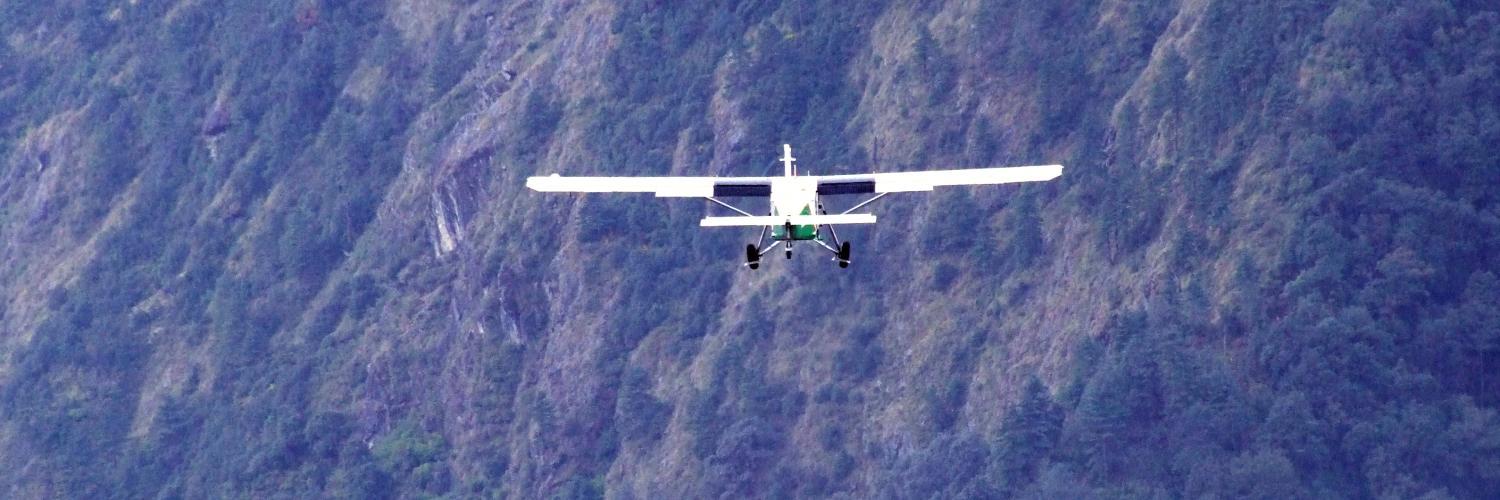
If you are planning to stand at the foot of the world’s highest peak, your journey likely begins with a flight to Tenzing-Hillary Airport in Lukla. For years, the standard route was a quick 35-minute hop from Kathmandu. However, if you are trekking during the peak seasons of 2026, you’ve probably heard the buzz: Lukla flights are being diverted to Ramechhap.
At Best Heritage Tour, we believe that a well-informed traveler is a happy traveler. While a 2:00 AM wake-up call and a drive across the Nepali countryside might not have been in your original plan, this shift is actually a strategic move to ensure your trek stays on track.
In this comprehensive guide, we’ll break down everything you need to know about the Ramechhap (Manthali) diversion - why it’s happening, how to prepare, and why it might actually be a blessing in disguise for your Everest adventure.
Why Are Lukla Flights Diverted to Ramechhap?
The decision to move flight operations from Kathmandu’s Tribhuvan International Airport (TIA) to Ramechhap’s Manthali Airport isn't arbitrary. It’s a logistical necessity driven by two main factors: Traffic and Weather.
1. Reducing Air Traffic Congestion
Kathmandu’s airport serves as the only international gateway to Nepal, while also handling hundreds of domestic flights daily. During the peak trekking months - Spring (March to May) and Autumn (September to November) - the sheer volume of travelers heading to the Everest region creates a massive bottleneck. With only one runway at TIA, international flights take priority, often leaving Lukla-bound Twin Otters idling on the tarmac for hours.
2. Maximizing the Weather Window
The weather in the Himalayas is notoriously fickle. Pilots rely on Visual Flight Rules (VFR), meaning they need clear visibility to land on Lukla’s short, sloped runway. Often, the "weather window" in Lukla is only open for a few hours in the early morning. By moving the starting point to Ramechhap, which is significantly closer to Lukla, planes can fly back and forth much faster, squeezing in more flights before the clouds roll in.
The Logistics: Getting from Kathmandu to Ramechhap
Ramechhap (specifically the town of Manthali) is located about 132 kilometers (82 miles) east of Kathmandu. While the distance doesn't sound vast, the winding mountain roads of the BP Highway mean the journey takes roughly 4.5 to 5 hours.
Your Transportation Options
Most reputable trekking agencies, including Best Heritage Tour, will organize your transportation as part of your package. Here is how the typical journey looks:
-
Shared Tourist Bus/Van: This is the most common method. These vehicles usually depart from Thamel or Kesharmahal around 1:00 AM to 2:00 AM. The goal is to reach Manthali Airport by 6:00 AM to catch the first flight of the day.
-
Private Jeep/Car: For those who prefer a bit more comfort and flexibility, a private vehicle is a great upgrade. You’ll save a bit of time and have more control over rest stops along the way.
-
Overnight in Manthali: If you aren’t a fan of midnight drives, you can travel to Ramechhap a day early and stay in a local lodge. Keep in mind that accommodations in Manthali are basic - think simple teahouses rather than Kathmandu’s boutique hotels.
What to Expect at Manthali Airport (Ramechhap)?
Manthali Airport is a small, functional airstrip located in the Tamakoshi River valley. It is far less "glitzy" than the international terminal in Kathmandu, but it is highly efficient during the trekking season.
-
Facilities: Expect a basic terminal building, simple check-in counters, and a small canteen serving tea and snacks.
-
The Flight Experience: The flight from Ramechhap to Lukla is a breathtaking 20-minute journey. Because you are already deeper in the hills, the mountain views start almost immediately.
-
Airline Carriers: The primary airlines operating this route are Tara Air, Summit Air, and Sita Air.
Pro-Tip from Best Heritage Tour: Sit on the left side of the plane when flying to Lukla for the best views of the Himalayan range!
Baggage Weight Limits: A Strict Reality
Weight is the most critical safety factor for the STOL (Short Take-Off and Landing) aircraft used for the Lukla run. The weight limits are strictly enforced at Ramechhap:
-
Total Allowance: 15 kg (approx. 33 lbs)
-
Checked Bag: 10 kg
-
Hand Carry: 5 kg
If you exceed this, you may have to pay an excess baggage fee (usually around $1-$2 per kg). However, during peak capacity, airlines may refuse extra weight entirely. We recommend leaving your city clothes and non-essentials in a locker at your hotel in Kathmandu.
Why Flying from Ramechhap is Actually Better?
While the early morning drive might seem like a hassle, flying from Ramechhap offers several distinct advantages for trekkers:
-
Higher Success Rate: Because the flight time is shorter (20 mins vs. 35 mins), planes can complete more rotations. If the weather opens up for just one hour, more people get to Lukla from Ramechhap than they ever could from Kathmandu.
-
Less Waiting: You won't be competing with giant international jets for runway space. Once the weather is clear, the small planes take off one after another.
-
Scenic Drive: The BP Highway is one of the most beautiful roads in Nepal, winding through terraced hills, river valleys, and traditional villages. It’s a great way to see the "middle hills" of Nepal before you hit the high-altitude trails.
Managing Delays and Cancellations
Even with the diversion to Ramechhap, the "Lukla Factor" remains. High winds, fog, or low clouds can still ground flights.
-
Buffer Days: We cannot stress this enough - always build 2-3 buffer days into your itinerary. Do not book your international flight home for the day after your trek ends.
-
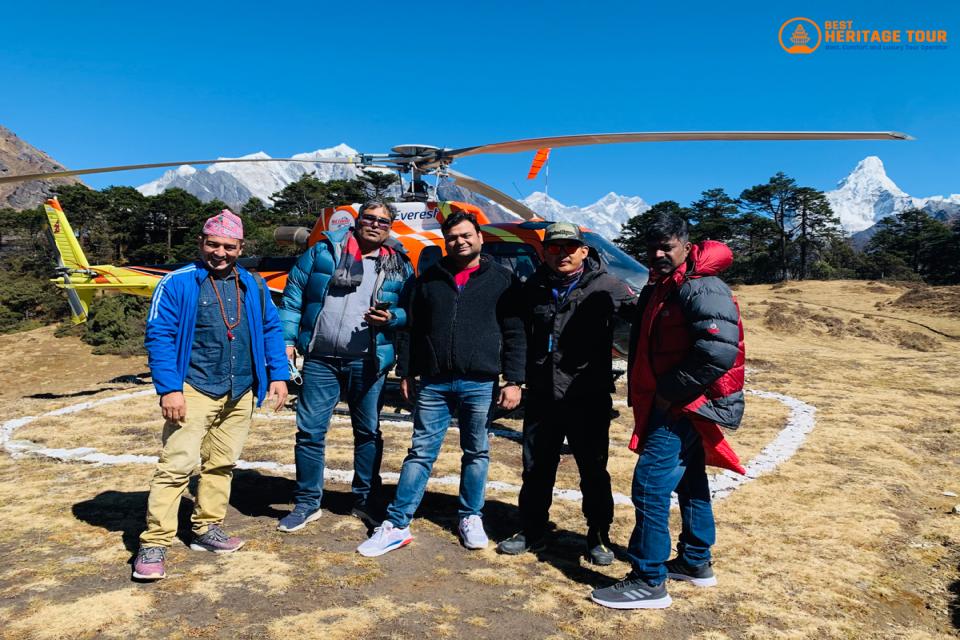
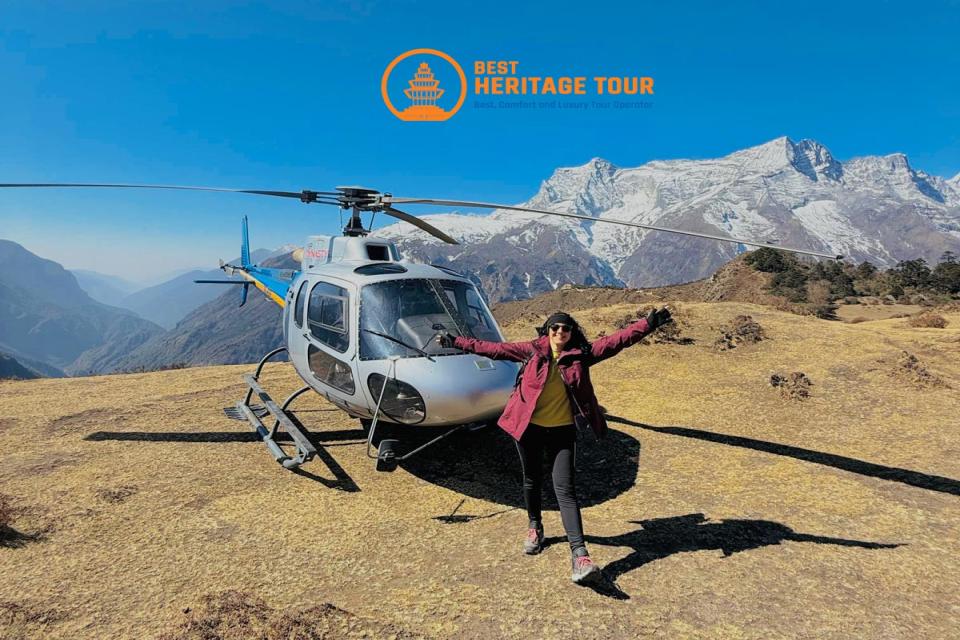
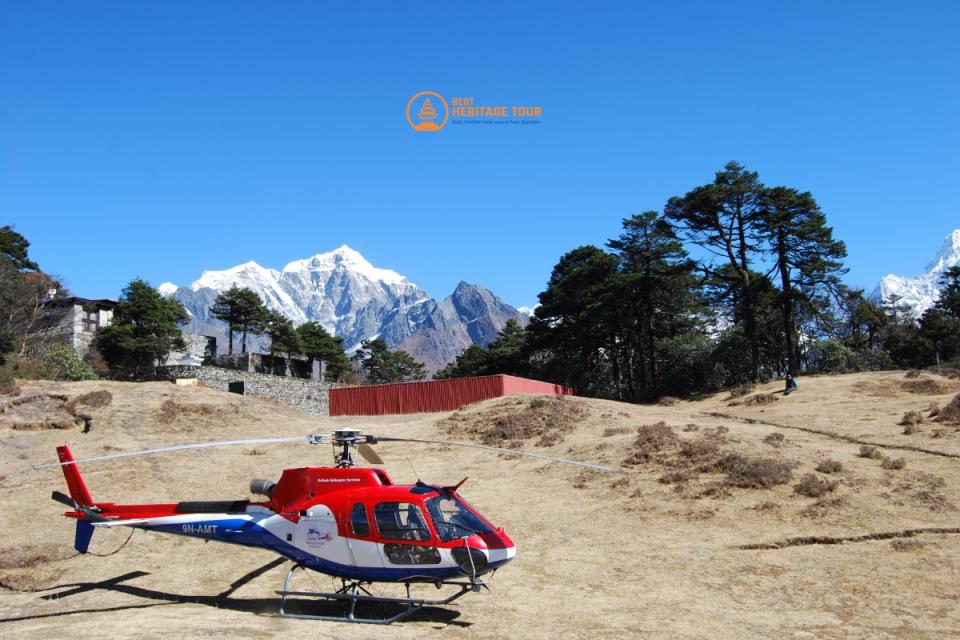
Helicopter Alternatives: If fixed-wing planes are grounded but visibility allows, helicopters can often fly. A helicopter from Ramechhap to Lukla can cost anywhere from $400 to $600 per person (sharing). From Kathmandu, the price jumps to $2,500+ for a full charter.
-
Stay Positive: Use a delay as an opportunity to connect with fellow trekkers. The shared experience of waiting for a Lukla flight is a rite of passage for almost every Everest veteran.
Essential Packing List for the Ramechhap Journey
Since you’ll be leaving Kathmandu in the middle of the night and spending time in a rural area, keep these items in your daypack:
-
Water and Snacks: Options are limited on the road and at Manthali Airport.
-
Layers: The drive can be chilly in the early morning, but Ramechhap is at a lower altitude (474m) and can get quite warm during the day.
-
Portable Power Bank: You’ll want your phone fully charged for those first photos of the landing in Lukla.
-
Cash (NPR): Small change for tea, snacks, or local restrooms along the highway.
-
Motion Sickness Pills: If you are prone to car sickness, the winding BP Highway can be a challenge.
Conclusion: Embracing the Adventure
The journey to Everest has always been about more than just the destination. While the diversion to Ramechhap adds a new layer to the logistics, it is a testament to the growing popularity of the Khumbu region and a necessary step to ensure safety and reliability.
At Best Heritage Tour, we don't just see this as a "bus ride" - it’s the start of your Himalayan story. From the starlit drive through the Nepali hills to the roar of the engines at Manthali, every step brings you closer to the roof of the world.
Are you ready to start your Everest journey? Let us handle the details so you can focus on the mountains.
Contact Best Heritage Tour today to book your Everest Base Camp Trek!
Phone / WhatsApp / Viber: +977-9851149197 / +977-9810043046
Email: info@bestheritagetour.com / bestheritagetour@gmail.com
Website: www.bestheritagetour.com
Office: Thamel Marg, Kathmandu, Nepal
Author: Best Heritage Tour
Date: 25th January, 2026