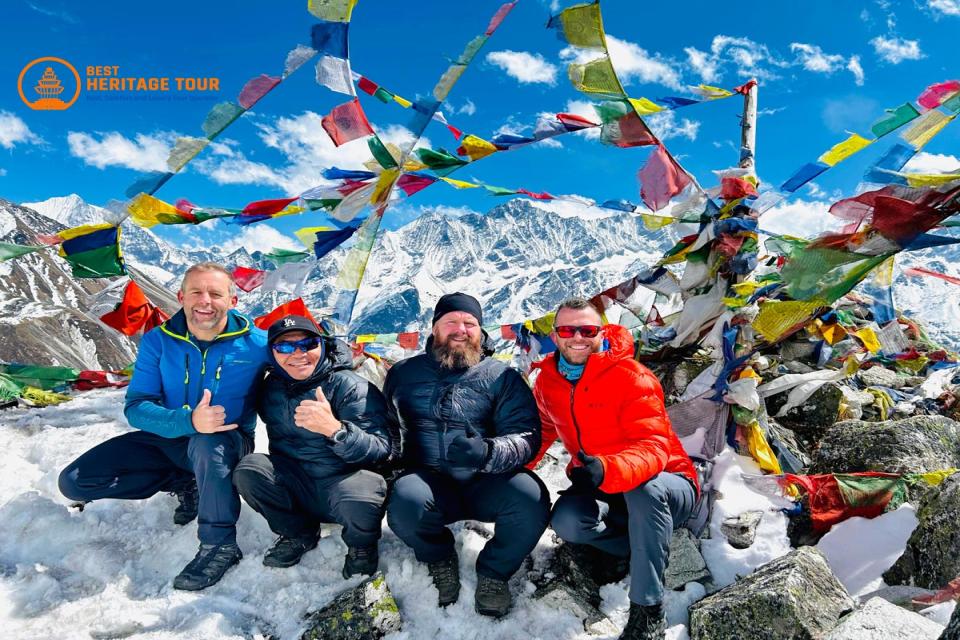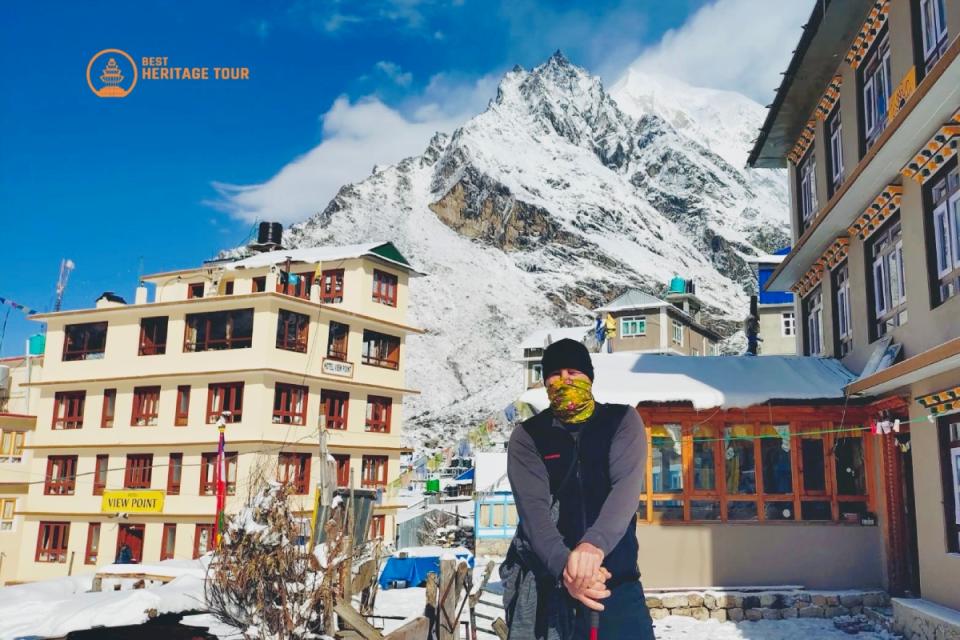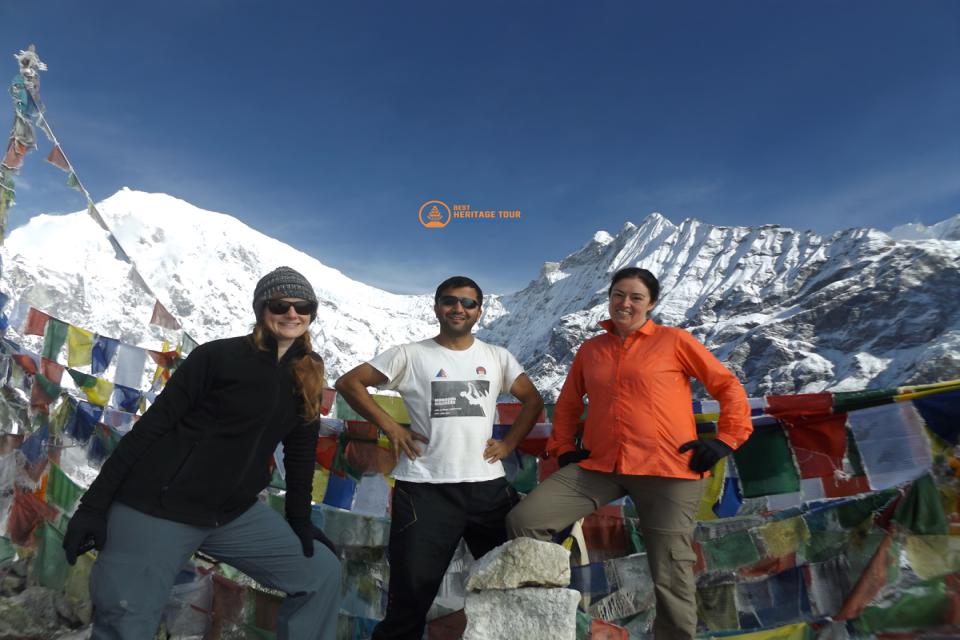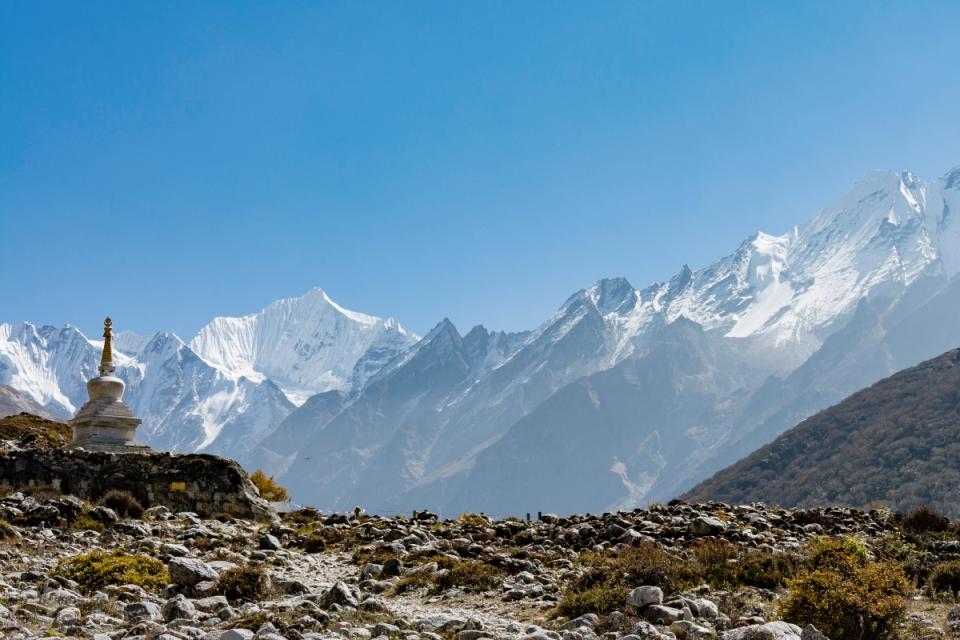
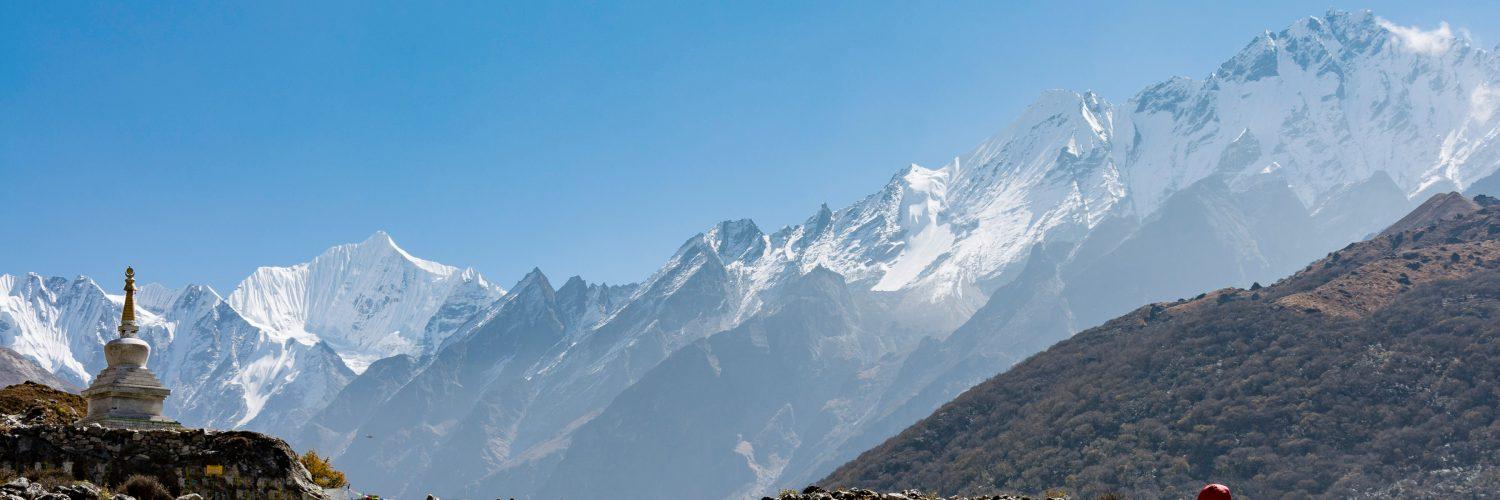
So, you’ve seen the photos of the "Valley of Glaciers." You’ve heard whispers of the elusive red panda and seen the jagged, snow-dusted silhouette of Langtang Lirung in your dreams. But before you lace up those boots and book your flight to Kathmandu, the big question remains: How hard is the Langtang Valley Trek, really?
At Best Heritage Tour, we believe that transparency is the best travel companion. Whether you’re a weekend hiker or an aspiring mountaineer, understanding the physical and mental demands of this trail is the key to turning a "struggle" into the adventure of a lifetime.
In this deep-dive guide, we’re breaking down the Langtang Valley Trek difficulty from every angle - altitude, terrain, weather, and the 2026 trail conditions - to help you decide if you’re ready for this Himalayan masterpiece.
The Short Answer: Is it for You?
In the world of Himalayan trekking, the Langtang Valley Trek is officially classified as Moderate.
It’s more demanding than the short hills of Ghorepani Poon Hill, but significantly more accessible than the grueling weeks required for Everest Base Camp or the Annapurna Circuit. You don’t need crampons or technical ice-climbing skills, but you do need "mountain legs" and a healthy respect for high-altitude air.
The Altitude Factor: Where the Air Gets Thin
The most significant contributor to the Langtang Trek difficulty isn't the steepness of the hills - it’s the elevation.
Your journey begins in Syabrubesi at 1,550m (5,085 ft). Within just three to four days, you’ll find yourself standing at Kyanjin Gompa (3,870m / 12,697 ft). For those pushing for the ultimate view from Tserko Ri, you’ll hit nearly 5,000m (16,400 ft).
Why this matters:
-
Rapid Ascent: You gain over 2,000 meters in a very short span. This puts you at risk for Acute Mountain Sickness (AMS) if you rush.
-
Reduced Oxygen: At Kyanjin Gompa, the oxygen level is roughly 64% of what it is at sea level. Your heart will beat faster, and your lungs will work harder just to do basic tasks.
The "Best Heritage Tour" Strategy: We design our itineraries with a mandatory acclimatization day at Kyanjin Gompa. We don't just "walk up" - we climb high and sleep low to let your body catch up to the clouds.
Terrain and Daily Distance: The "Up-and-Down" Reality
The Langtang trail is a classic Himalayan path. This means you won’t find many flat stretches. It’s a rhythmic dance of stone stairs, dusty switchbacks, and narrow forest paths.
The Breakdown of the Trail:
-
Day 1 & 2 (The Forest Ascent): Starting from Syabrubesi, you’ll follow the Langtang Khola. The path is often steep and humid. The section from Lama Hotel to Ghoda Tabela is notorious for its "relentless uphill" nature.
-
Day 3 (The Valley Opening): As you cross 3,000m, the dense forest gives way to wide, alpine meadows. The trail flattens out slightly, but the rocky glacial moraine makes for uneven footing.
-
The Optional "Peak" Days:
-
Kyanjin Ri (4,773m): A steep, 3-hour zigzag. Physically taxing but technically easy.
-
Tserko Ri (4,984m): This is the "hard" part of the trek. It’s a 7-8 hour round trip involving steep rocks and thin air. It is the ultimate test of your stamina.
-
Stats at a Glance:
Total Distance: Approx. 65-75 km (Round trip)
Walking Hours: 5-7 hours per day
Highest Point: 4,773m (Kyanjin Ri) or 4,984m (Tserko Ri)
Terrain Type: Forest, Rocky Moraine, Stone Stairs
Weather: The Silent Difficulty Multiplier
The time of year you choose to visit Best Heritage Tour will drastically change the difficulty rating of your trek.
Spring (March-May) & Autumn (October-November)
-
Difficulty: Moderate.
-
The Experience: These are the "Goldilocks" seasons. The trails are dry, the skies are crystal clear, and the temperatures are manageable. In Spring, the blooming rhododendrons provide a beautiful distraction from the heavy breathing.
Winter (December-February)
-
Difficulty: Hard.
-
The Experience: Temperatures at Kyanjin Gompa can plummet to -15°C (5°F) at night. Snow can hide the trail, and the "moderate" walk becomes a test of endurance against the cold.
Monsoon (June-August)
-
Difficulty: Challenging/Adventurous.
-
The Experience: While the valley is its greenest, the trails become slippery and leeches are a common (and annoying) companion. Landslide risks also increase, requiring a guide who knows the terrain like the back of their hand.
2026 Trail Conditions: What’s New?
The Langtang region has shown incredible resilience. In 2026, the infrastructure is better than ever.
-
Stabilized Trails: Most of the earthquake-damaged sections have been expertly rerouted or reinforced.
-
Improved Teahouses: You’ll find cozy lodges with better insulation and more varied menus, which is vital for recovery.
-
Mandatory Guides: As of recent regulations, trekking with a licensed guide is mandatory in the Langtang region. This significantly lowers the "difficulty" for you, as your guide handles navigation, safety, and communication.
How to Train for Langtang Valley Trek: Preparing Your Body and Mind
You don't need to be a marathon runner, but you shouldn't step off the couch and onto the trail.
Cardiovascular Endurance
Focus on "Zone 2" training. Long, slow runs, cycling, or swimming for 45-60 minutes 3 times a week will strengthen your heart and lungs for the high-altitude demand.
Leg Strength
The Langtang Trek is a quad-burner. Incorporate:
-
Weighted lunges and squats.
-
The Golden Rule: Hike on local trails with a weighted backpack (5-10kg) to simulate the feeling of the trek.
Mental Toughness
There will be moments, especially on the climb to Lama Hotel, where your legs feel like lead. Success in the Himalayas is 60% physical and 40% mental. Learning to find a "steady rhythm" rather than racing is the secret to reaching the top.
The Verdict
Is the Langtang Valley Trek difficult? It’s a challenge, yes, but an achievable one. If you can walk for 6 hours with a light pack and have a spirit of adventure, the "Moderate" rating of Langtang is well within your reach. The reward - a 360-degree view of the Himalayas that feels close enough to touch - is worth every drop of sweat.
Ready to see the Valley of Glaciers for yourself?
Contact Best Heritage Tour today to discuss our 2026 Langtang departure dates and let us help you prepare for the journey of a lifetime.
Phone / WhatsApp / Viber: +977-9851149197 / +977-9810043046
Email: info@bestheritagetour.com / bestheritagetour@gmail.com
Website: www.bestheritagetour.com
Office: Thamel Marg, Kathmandu, Nepal
Author: Best Heritage Tour
Date: 29th January, 2026