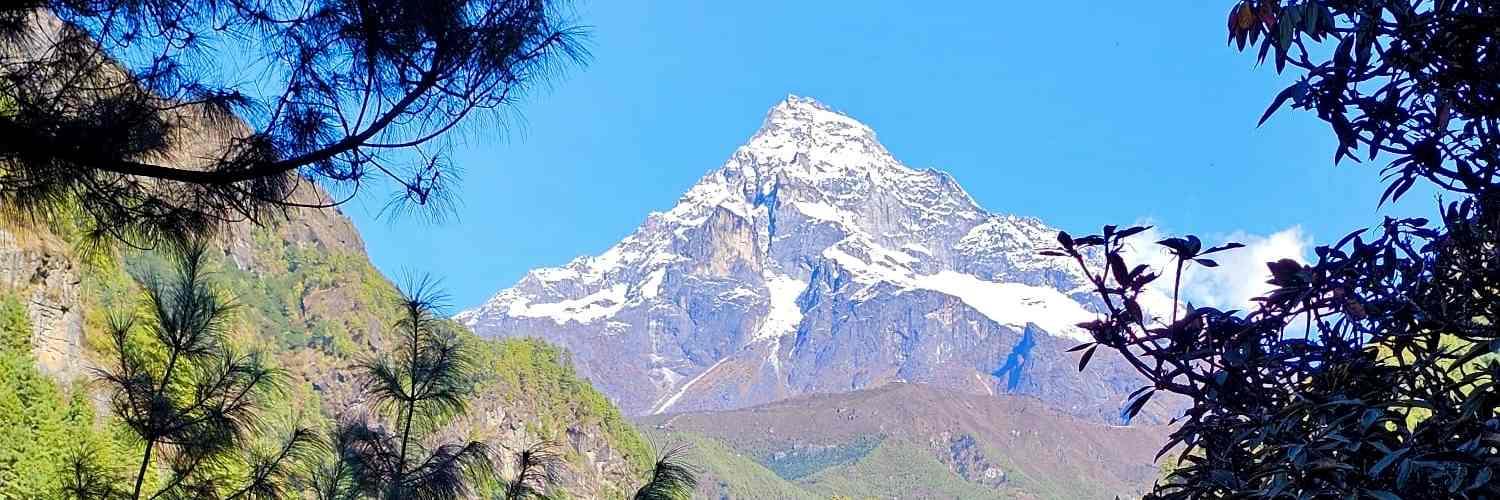
The shadow of the world’s highest peak has a way of calling to the soul. For the modern woman, the Everest Base Camp (EBC) trek isn't just a hike; it’s a pilgrimage of self-discovery, resilience, and raw Himalayan beauty. But as you sit at your desk, scrolling through photos of prayer flags fluttering against a cerulean sky, one question likely lingers: Is it actually safe for me to go alone?
At Best Heritage Tour, we’ve spent decades guiding adventurers through the Khumbu Valley. We’ve seen the landscape change, the trails evolve, and the regulations shift. In 2026, the answer to the safety question is a resounding yes - but with nuances that every solo female traveler needs to understand before lacing up her boots.
In this definitive guide, we’re stripping away the myths and giving you the ground reality of trekking solo to the base of the world's tallest mountain.
The 2026 Reality: Can I Legally Trek Solo to EBC?
Before we dive into the "safety" aspect, let’s address the "legality" aspect. In recent years, Nepal’s trekking regulations have seen significant updates.
As of 2026, while many regions in Nepal now mandate a licensed guide for all foreign trekkers (the "No Solo Trekking" rule), the Khumbu region (Everest) has maintained a slightly different stance. Local authorities in the Everest region currently allow independent trekking provided you have the correct local permits, specifically the Khumbu Pasang Lhamu Rural Municipality Permit.
The Best Heritage Perspective: While it is technically possible to walk the trail without a guide, there is a massive difference between being "legal" and being "prepared." For a solo female traveler, the support of a local expert isn't just about navigation - it’s about having a cultural bridge and a safety net in an environment where the oxygen is thin and the weather is unpredictable.
Is the Everest Region Safe for Women? (The Cultural Climate)
One of the biggest concerns for solo female travelers is personal security and harassment. Here is the good news: Nepal is consistently ranked as one of the safest destinations in South Asia for women.
The Sherpa Culture of Respect
The Khumbu region is the heartland of the Sherpa people. Their culture is deeply rooted in Vajrayana Buddhism, which emphasizes hospitality, kindness, and respect for all living beings. As a solo woman, you will find that the local community is incredibly protective and welcoming. Unlike many urban tourist hubs, the trails of Everest are remarkably free from the "catcalling" or aggressive solicitation found elsewhere.
The Global Sisterhood on the Trail
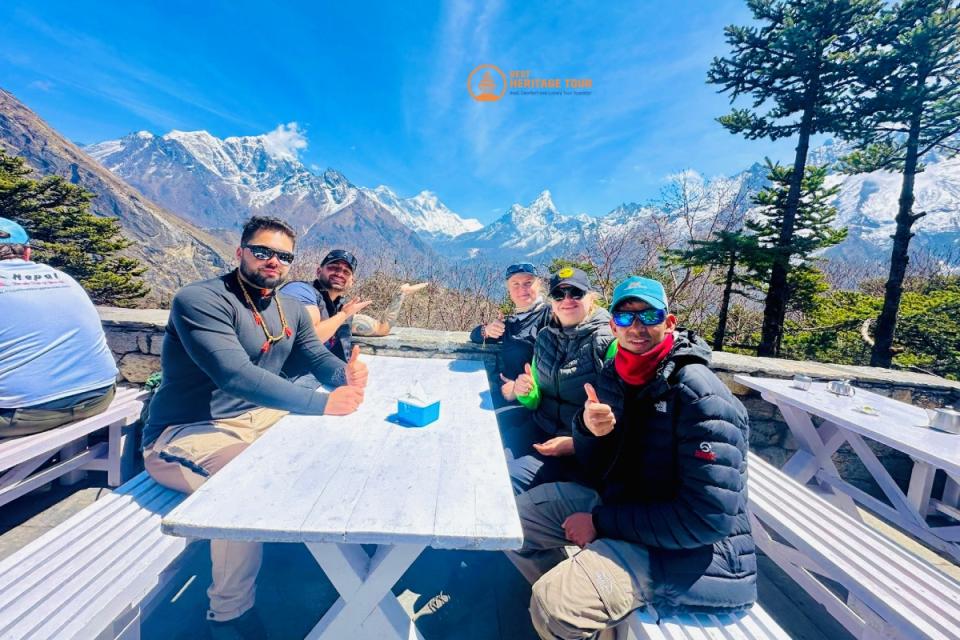
You are never truly "alone" on the way to Everest. The EBC trail is a social highway. You will meet women from London, Sydney, Tokyo, and New York in the tea houses. The "communal dining" culture of Himalayan lodges means you’ll likely find a "trekking family" by the second night in Namche Bazaar.
Insider Tip: If you ever feel uncomfortable, simply mention it to your tea house host. The lodge owners in the Everest region are highly influential in their communities and take the safety of their guests very seriously.
The Real Risks: It’s Not the People, It’s the Altitude
When discussing safety, we must shift the focus from "human threats" to "environmental realities." For a solo female trekker, the primary risks are:
Acute Mountain Sickness (AMS)
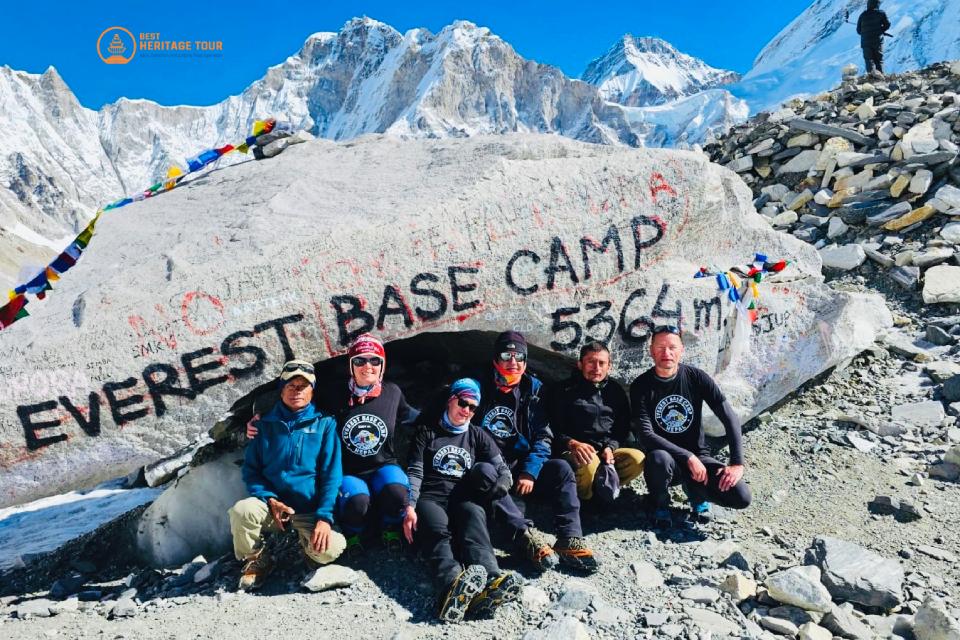
Altitude is the great equalizer. It doesn’t care about your fitness level or your gender. At 5,364 meters (Base Camp), there is 50% less oxygen than at sea level.
-
The Risk of Going Solo: If you are trekking entirely alone (no guide, no partner) and you begin to show signs of cerebral or pulmonary edema (HACE/HAPE), your judgment may be impaired. You need someone to recognize the symptoms you might miss in yourself.
The Lukla Factor and Weather
The flight to Lukla is weather-dependent. Solo travelers often struggle more with the logistical stress of flight cancellations or trail closures due to sudden blizzards.
Physical Injury
The terrain past Namche Bazaar becomes rugged. A simple twisted ankle, which would be a minor inconvenience in a city, becomes a life-threatening emergency if you are alone on a ridge between Lobuche and Gorak Shep with no one to call for help.
Essential Safety Strategies for Solo Female Trekkers
If you choose to tackle the Everest Base Camp trek independently, these are the non-negotiables:
A. The "3 PM Rule"
Never trek into the dusk. Aim to reach your destination lodge by 2:00 PM or 3:00 PM. This ensures you have the pick of the best rooms (ideally inside the main building rather than an annex) and gives you time to socialize and acclimatize before the sun goes down.
B. Connectivity is Your Lifeline
In 2026, the Khumbu is better connected than ever.
-
SIM Cards: Pick up an Ncell or Nepal Telecom (NTC) SIM in Kathmandu.
-
Airalo/eSIM: Many trekkers now use regional eSIMs that tap into local towers.
-
Satellite Messaging: For ultimate safety, devices like the Garmin inReach allow you to send SOS signals even when there is zero cell service.
C. Dress for the Culture
While the trails are modernizing, Nepal remains a conservative country. Dressing modestly (covering shoulders and knees) isn't just about respect; it changes how you are perceived. Wearing technical trekking gear that is functional rather than revealing helps you blend in as a serious adventurer.
The 2026 Guide vs. Independent Debate: What’s Best for You?
As we discussed earlier, while the Everest region has traditionally been more flexible regarding solo trekkers than other parts of Nepal, the 2026 landscape has shifted toward prioritized safety. You can still trek "independently" in spirit - meaning you aren't part of a large, noisy tour group - but the government now strongly mandates (and in most checkpoints, strictly enforces) the presence of a licensed guide.
The Benefits of a "Solo-Guided" Trek
At Best Heritage Tour, we specialize in "Independent-Solo" packages. This gives you the best of both worlds:
-
Total Autonomy: You choose when to wake up, when to stop for ginger tea, and which side-trails to explore.
-
The Safety Net: Your guide acts as your health monitor. At 5,000 meters, your brain can "trick" you into thinking a splitting headache is just a lack of coffee, when it’s actually the first stage of AMS. A guide sees the signs you don't.
-
Bureaucracy Handling: No standing in line for permits in Lukla or Monjo. Your guide handles the "Trek Card" digital registration, leaving you to enjoy the view.
The Cost Comparison (Estimated 2026 Rates)
|
Expense Category |
Independent Solo (No Guide) |
Solo-Guided (Recommended) |
|---|---|---|
|
Permits (National Park + Khumbu) |
~$50 USD |
Included in Package |
|
Daily Food & Lodging |
$40 - $60 USD |
Included in Package |
|
Licensed Guide Fee |
$0 |
$30 - $45 per day |
|
Emergency Buffer |
High (Risk of $5k+ Heli-evac) |
Lower (Immediate support) |
The 14-Day "Safety-First" Itinerary for Women
A successful solo trek is won in the planning. We’ve designed this itinerary specifically to maximize acclimatization - the #1 factor in female trekking success rates.
-
Day 1: Arrival in Kathmandu: Gear check and final briefing with our team.
-
Day 2: Flight to Lukla (2,840m) & Trek to Phakding: A gentle 3-hour descent to "wake up" your legs.
-
Day 3: Phakding to Namche Bazaar (3,440m): Crossing the iconic Hillary Suspension Bridge.
-
Day 4: Acclimatization in Namche: Hike to the Everest View Hotel. Crucial: Sleep at 3,440m but touch 3,880m.
-
Day 5: Namche to Tengboche (3,860m): Visit the monastery for the afternoon prayer - a deeply spiritual experience for many solo women.
-
Day 6: Tengboche to Dingboche (4,410m): You’ll notice the trees disappearing here. You are entering the high alpine.
-
Day 7: Second Acclimatization in Dingboche: Hike to Nangkartshang Peak. The views of Ama Dablam are life-changing.
-
Day 8: Dingboche to Lobuche (4,910m): Passing the Thukla Pass memorials - a somber reminder to respect the mountain.
-
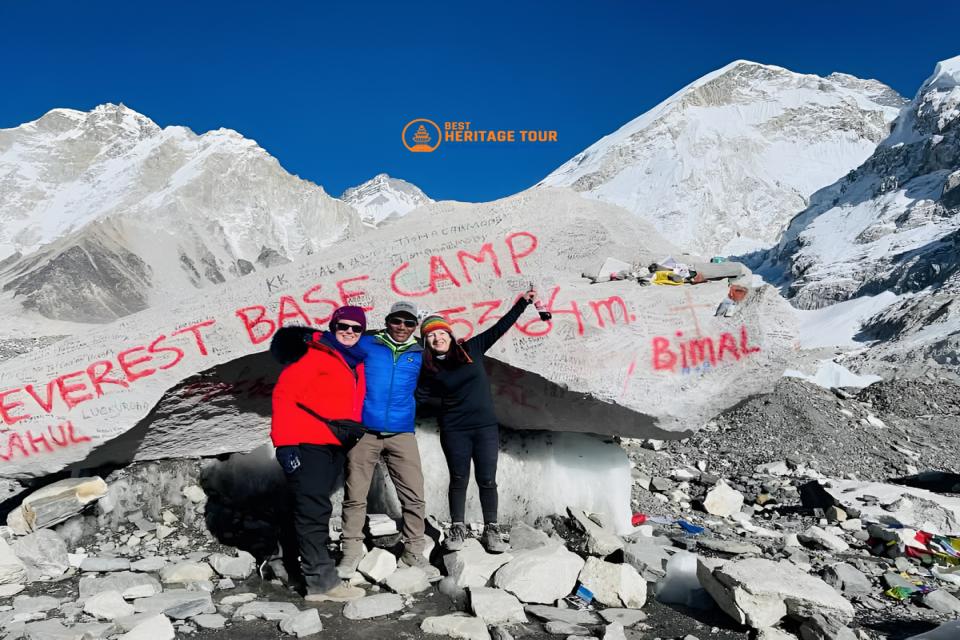
Day 9: Lobuche to Gorak Shep (5,164m) & EBC (5,364m): The big day. You’ll reach Base Camp and return to Gorak Shep to sleep.
-
Day 10: Kala Patthar (5,545m) & Pheriche: Sunrise at the highest point of the trek, then a long descent.
-
Day 11: Pheriche to Namche: Your body will feel amazing as you descend into "thick" air.
-
Day 12: Namche to Lukla: The final celebration with your guide and fellow trekkers.
-
Day 13: Flight to Kathmandu: A hot shower and a well-deserved steak or dal bhat.
-
Day 14: Final Departure: Carry the Himalayas home in your heart.
Social Dynamics: Navigating the "Solo" Experience
One of the most common fears is: "Will I be lonely?"
In our experience at Best Heritage Tour, solo female trekkers are often the most "connected" people on the trail. Without the "bubble" of a pre-existing group, you are more approachable. You will find yourself sharing tea with a Sherpa family, helping a fellow trekker with a blister, or discussing philosophy with a monk at Tengboche.
Dealing with Unwanted Attention
While rare, if you ever feel a "vibe" is off:
-
Be Firm: A polite but direct "No, thank you" or "I am waiting for my guide" usually ends any unwanted conversation.
-
The "Wedding Ring" Trick: Some solo travelers wear a simple band to deflect unwanted questioning about their marital status - though in the Khumbu, this is rarely necessary.
-
The Dining Hall Strategy: Always spend your evenings in the communal dining hall rather than your room. It’s warmer, safer, and where all the best stories are told.
Final Thoughts
The Everest Base Camp trek is more than a physical challenge; it is a mental one. For a woman standing alone at 5,364 meters, looking up at the Khumbu Icefall, the sense of empowerment is visceral. You realize that you are capable of far more than the modern world leads you to believe.
Is it safe? With the right preparation, a respectful attitude toward the local culture, and a solid understanding of your own physical limits, it is one of the safest adventures on the planet.
At Best Heritage Tour, we don't just sell treks; we curate life-defining moments. We understand the specific concerns of solo female travelers because we’ve been listening to your stories for years. Whether you want a female guide to share the journey with or a private itinerary that lets you move at your own rhythm, we are here to ensure your Everest story is one of triumph and safety.
Phone / WhatsApp / Viber: +977-9851149197 / +977-9810043046
Email: info@bestheritagetour.com / bestheritagetour@gmail.com
Website: www.bestheritagetour.com
Office: Thamel Marg, Kathmandu, Nepal
Author: Best Heriage Tour
Date: 30th January, 2026