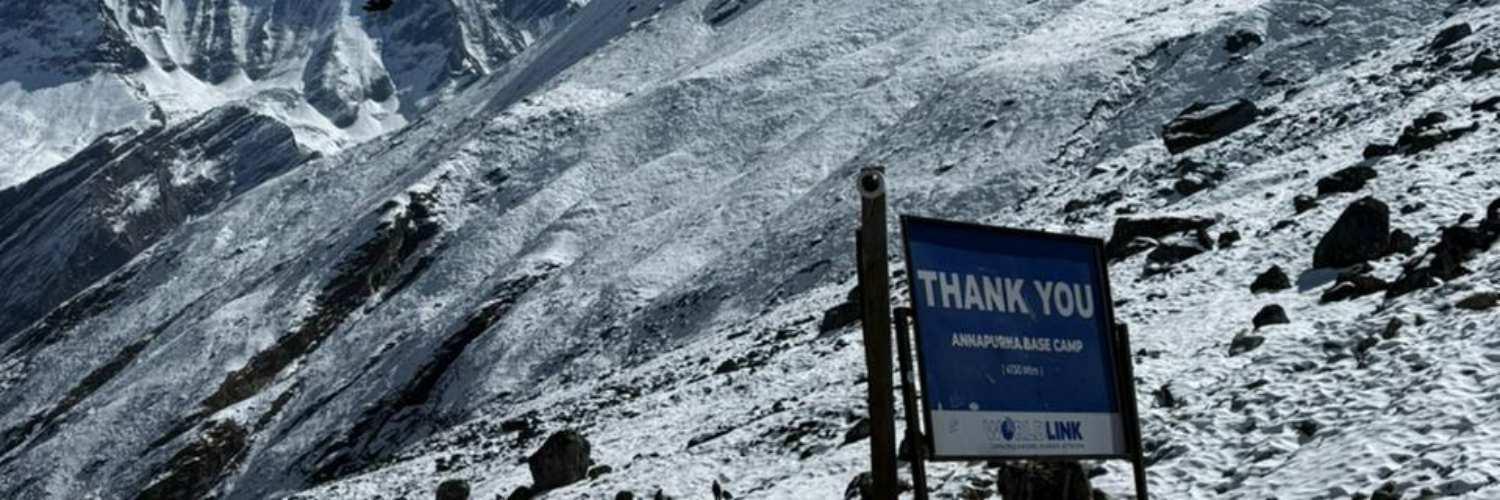
So, you’ve finally booked that flight to Kathmandu. You’ve got the boots, the down jacket, and a heart full of ambition to stand at the base of the world’s tallest peaks. Whether it’s the legendary Everest Base Camp, the diverse Annapurna Circuit, or the untouched beauty of Manaslu, there is one word that will determine the success of your trip more than any piece of gear: Acclimatization.
At Best Heritage Tour, we’ve guided thousands of trekkers through the Himalayas. If there is one thing we’ve learned, it’s that the mountains don’t care how fit you are or how fast you can run a marathon. The mountains care about how well you adapt.
In this comprehensive guide, we’re going to dive deep into the science, the strategy, and the "why" behind those crucial rest days.
Understanding the "Thin Air" Paradox
To understand why we insist on acclimatization days, we first need to look at what happens to the air as we climb. A common misconception is that there is "less oxygen" at high altitudes. In reality, the percentage of oxygen in the air remains the same (about 21%). However, the barometric pressure drops.
This means the air molecules are more spread out. With every breath you take in the Himalayas, you are physically getting fewer oxygen molecules into your bloodstream than you would at sea level.
The Science of Adaptation
When you spend an "extra" day at a specific altitude (usually around 3,400m like Namche Bazaar or 3,500m like Manang), your body begins a fascinating internal transformation:
-
Increased Respiration: You breathe faster and deeper, even while resting.
-
Red Blood Cell Production: Your kidneys trigger the production of more red blood cells to carry what little oxygen is available more efficiently.
-
Enzyme Changes: Your body adjusts its chemistry to allow oxygen to release more easily from your blood into your tissues.
Acclimatization vs. A "Rest Day": The Great Misconception
Many trekkers see a day labeled "Acclimatization" on their itinerary and think, "Great! A day to sleep in and watch Netflix." Actually, at Best Heritage Tour, we prefer to call them "Active Adaptation Days." If you simply sit in a tea house all day, your circulation slows down, and your body adapts more slowly.
The Golden Rule: "Climb High, Sleep Low"
The most effective way to acclimatize is to hike to a higher elevation during the day and return to a lower elevation to sleep. This "shocks" the system into realizing it needs more oxygen, but then allows you to recover in a more oxygen-rich environment at night.
What is Acute Mountain Sickness (AMS)?
The primary reason we prioritize these days is to prevent Acute Mountain Sickness (AMS). Think of AMS as your body’s way of screaming, "Slow down!"
Early Warning Signs:
-
A persistent, throbbing headache.
-
Loss of appetite (even for your favorite foods).
-
Nausea or feeling "hungover."
-
Dizziness and fatigue.
-
Disturbed sleep or shortness of breath.
If ignored, AMS can progress into HAPE (High Altitude Pulmonary Edema) or HACE (High Altitude Cerebral Edema), both of which are life-threatening. An acclimatization day is essentially the cheapest and most effective insurance policy against these conditions.
Why You Can’t "Fitness Your Way" Out of It
One of the most dangerous myths in trekking is: "I'm an athlete, I don't need a rest day." In fact, highly fit individuals are often more at risk. Why? Because their muscles allow them to push their bodies faster than their internal chemistry can adapt. At Best Heritage Tour, we’ve seen Olympic-level athletes struggle while 60-year-old hobbyists cruise to the top. The difference? The hobbyist went Bistari, Bistari (Slowly, slowly).
How to Maximize Your Acclimatization Day
If you want to feel like a pro, follow the Best Heritage Tour protocol during your "off" days:
-
Hydrate like it’s your job: Aim for 4-5 liters of water daily. Altitude dehydrates you faster than you realize.
-
Eat Carbohydrates: Your body uses more energy at altitude. This is the time to embrace Dal Bhat (Lentil soup and rice).
-
Avoid Alcohol and Caffeine: These are diuretics and can mask the symptoms of AMS. Save the celebratory beer for the way down!
-
Monitor Your Pulse Ox: Our guides carry oximeters to check your oxygen saturation. On your rest day, we look for your levels to stabilize.
The Mental Benefit: Soaking in the Heritage
We are Best Heritage Tour for a reason. We believe trekking isn't just about the destination; it’s about the culture.
Acclimatization days allow you to:
-
Visit ancient monasteries and receive a blessing from a Monk.
-
Interact with the Sherpa, Gurung, or Thakali communities without the pressure of a ticking clock.
-
Journal, meditate, and actually see the Himalayas rather than just looking at your feet as you pant for breath.
Frequently Asked Questions (FAQ)
Should I take Diamox (Acetazolamide)?
Diamox is a respiratory stimulant that helps you breathe faster. While many trekkers use it, it is not a substitute for an acclimatization day. Always consult your doctor before your trip.
What if I feel fine? Can I skip the rest day?
No. AMS is often delayed. You might feel great at 3,500m at noon, but by 2:00 AM, the altitude can hit you like a freight train. Stick to the itinerary.
Does everyone get AMS?
Most people feel some effect of altitude - perhaps a light headache or shortness of breath. However, by taking acclimatization days, 95% of trekkers can manage these symptoms and reach their goal.
Conclusion
Trekking in Nepal is a transformative experience. It challenges your limits and rewards you with views that stay etched in your memory forever. But to see those views, you must listen to your body.
An acclimatization day isn't a sign of weakness; it’s a sign of a smart, experienced traveler. It is the bridge between a grueling ordeal and a life-changing adventure. When you trek with Best Heritage Tour, you aren't just a tourist; you are a guest of the Himalayas. We take the time to ensure you feel every bit of the magic this country has to offer - one breath at a time.
Are you ready to start your Himalayan adventure? Whether you're looking for a challenging pass or a cultural stroll through the foothills, we have the perfect, safety-first itinerary waiting for you.
Phone / WhatsApp / Viber: +977-9851149197 / +977-9810043046
Email: info@bestheritagetour.com / bestheritagetour@gmail.com
Website: www.bestheritagetour.com
Office: Thamel Marg, Kathmandu, Nepal
Author: Best Heritage Tour
Date: 29th January, 2026