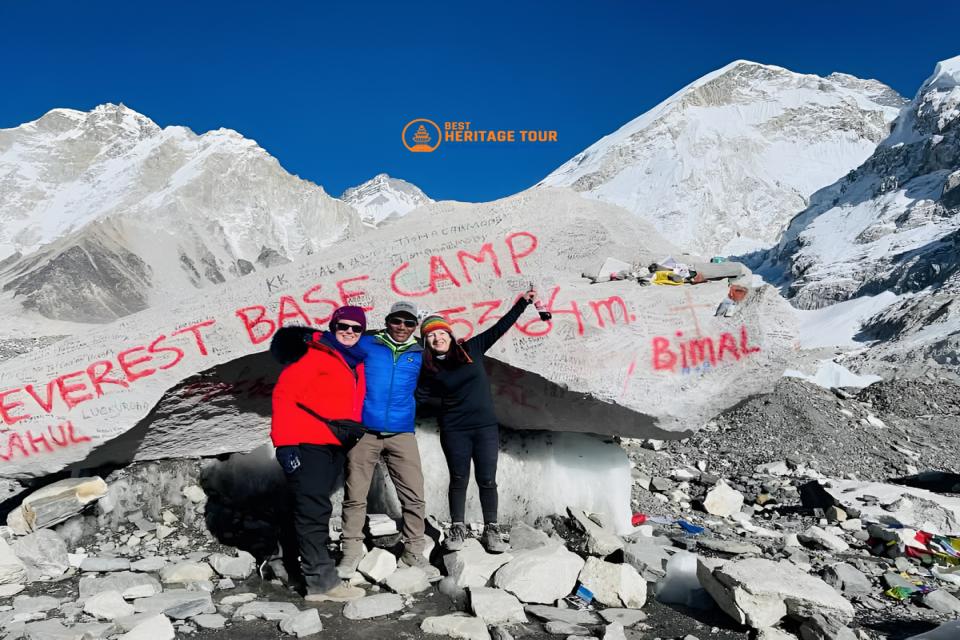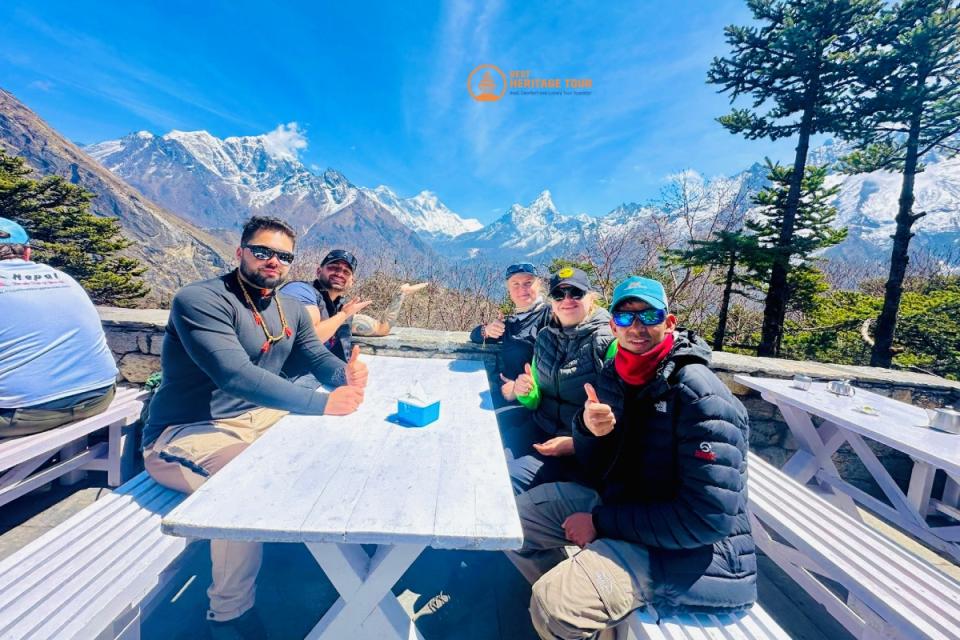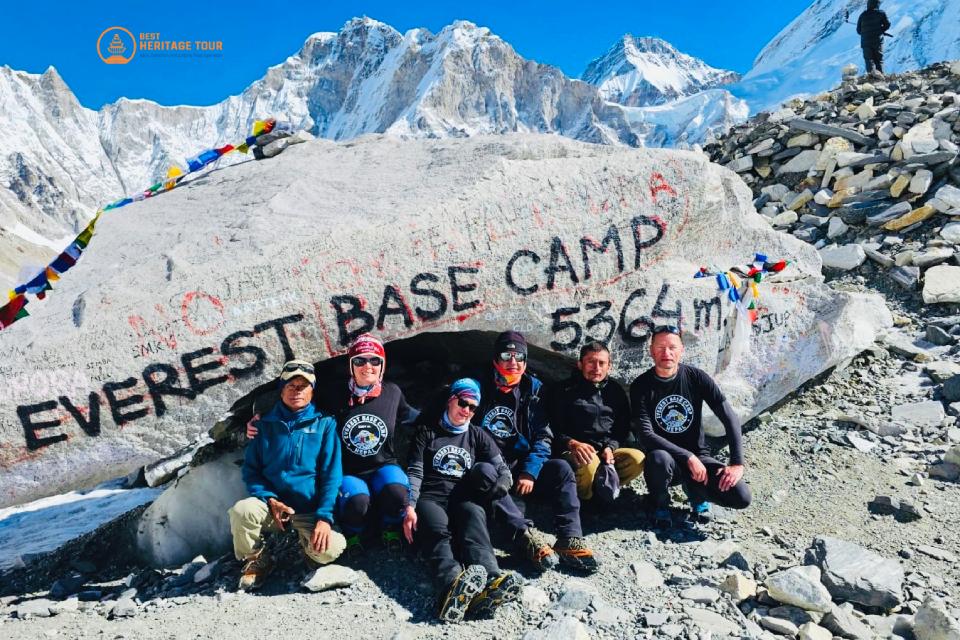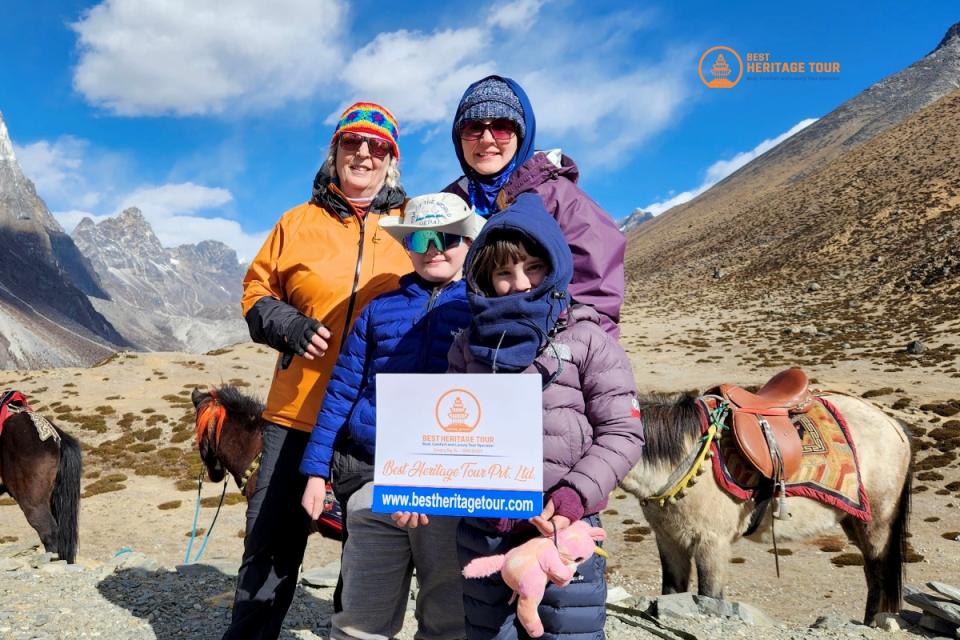
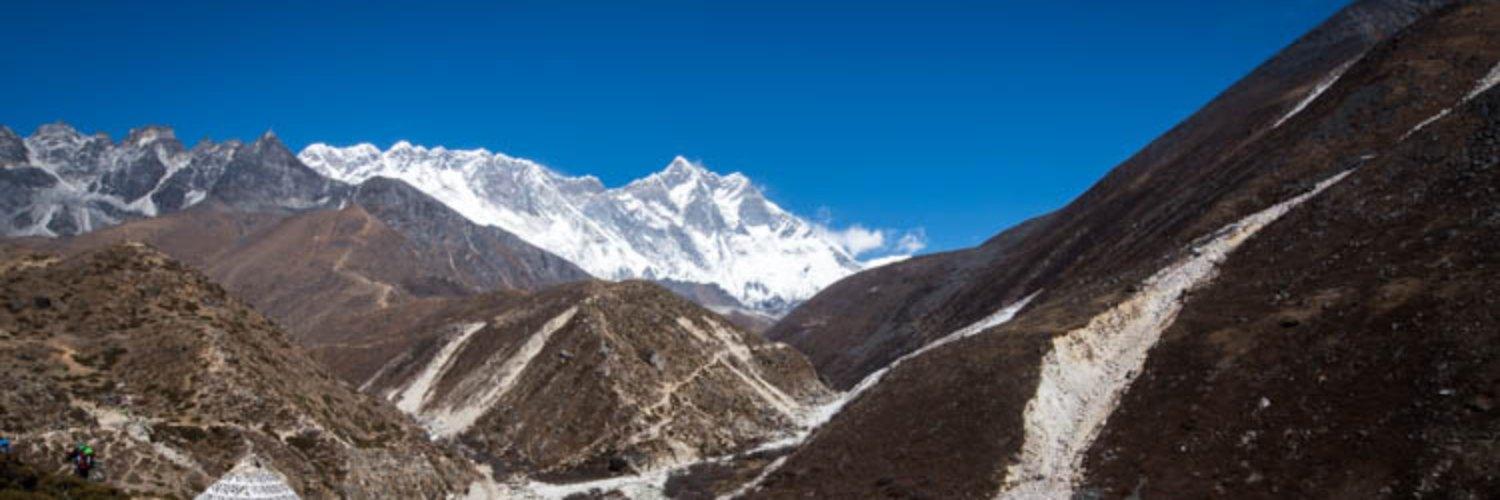
So, you’ve decided to stand at the foot of the world’s highest peak. At Best Heritage Tour, we’ve guided thousands of adventurers through the Khumbu Valley, and if there is one thing we know for certain, it’s this: Everest Base Camp (EBC) is not a race; it is a test of endurance, spirit, and preparation.
The question isn't just "Can I do it?" but rather "How well did I prepare?"
Training for a trek at 5,364 meters (17,598 feet) requires a holistic approach. It’s not just about having strong legs; it’s about heart health, lung capacity, and mental toughness. In this guide, we’re breaking down the exact blueprint you need to go from your couch to the Khumbu.
Understanding the Physical Demands of EBC
Before we jump into the gym, let’s look at what your body will actually face. You will be trekking for 12 to 14 days, covering roughly 130 kilometers (80 miles) round trip.
While the daily mileage (about 5-8 miles) might seem manageable on flat ground, you’ll be doing it on rocky, uneven terrain with significant elevation gains - all while the oxygen levels drop to about 50% of what they are at sea level.
Key Challenges:
-
The "Thinner" Air: Your heart and lungs have to work twice as hard.
-
The Weight: You’ll likely be carrying a daypack (5-7kg) for 6+ hours a day.
-
The Recovery: Sleeping at high altitudes is difficult; your body heals slower.
The Cardiovascular Foundation: Building Your "Engine"
Cardiovascular endurance is the most critical pillar of your EBC training. You don't need to be a marathon runner, but you do need a heart that can efficiently pump oxygenated blood to your muscles.
Low-Intensity Steady State (LISS)
The EBC trek is a slow burn. Your training should reflect that. Aim for 3-4 sessions a week of steady-state cardio.
-
Walking/Hiking: This is the gold standard. Start with 1 hour and work up to 4-5 hours on weekends.
-
Cycling: Great for building quad endurance without the high impact on joints.
-
Swimming: Excellent for breath control and lung capacity.
Zone 2 Training
Try to keep your heart rate in "Zone 2" - where you can still hold a conversation but are breathing heavily. This builds mitochondrial efficiency, which is your best friend when the air gets thin.
Strength and Conditioning: The "Legs of Steel"
While cardio gets you to the mountain, strength keeps you on it. At Best Heritage Tour, we often see trekkers struggle not because of their breath, but because their knees and glutes "give out" on the steep descents.
The Big Four Exercises for Trekkers:
-
Weighted Step-Ups: Find a bench or box. Wear your trekking boots and your weighted pack. This mimics the uneven stairs of the Namche Bazaar climb.
-
Lunges (Forward and Reverse): These build stability in the ankles and power in the glutes.
-
Squats: Focus on high repetitions (15-20) rather than maximum weight.
-
Planks and Core Work: A strong core prevents back pain when carrying a backpack for two weeks.
Pro Tip: Don't forget the "Eccentric" phase. Most trekking injuries happen on the way down. Practice slow, controlled descents during your gym sessions to toughen your connective tissues.
Specificity: Training on Your Feet
The most common mistake? Training in running shoes and then switching to stiff trekking boots a week before the trip.
-
Break in Your Boots: Wear your actual trekking boots during your training hikes. Blisters are the #1 reason people fail to reach Base Camp.
-
The Backpack Factor: Never hike empty-handed. Start with 2kg in your pack and add 1kg every week until you are training with 8-10kg. This conditions your shoulders and hips for the long haul.
The Mental Game: Preparing for Discomfort
Everest is 30% physical and 70% mental. There will be days when it’s cold, you’re tired, and you have a slight "altitude headache."
How to build "Mountain Toughness":
-
Hike in Bad Weather: If it’s raining, don’t skip your training hike. Put on your waterproofs and go. This builds the "just keep moving" mindset needed for the Himalayas.
-
Breathing Techniques: Practice "rhythmic breathing" - matching your steps to your breath. It keeps your heart rate stable and prevents panicking when the incline gets steep.
Altitude and Acclimatization Strategy
Contrary to popular belief, you cannot "train" for altitude in a gym (unless you have access to a hypobaric chamber). However, you can prepare your body to handle the stress of it.
-
The Golden Rule: Walk slow. In Nepal, we say "Bistari, bistari" (slowly, slowly).
-
Hydration Training: Get used to drinking 4-5 liters of water a day. Dehydration mimics and worsens altitude sickness.
-
Nutritional Loading: Your body burns more calories at altitude. Practice eating "slow-release" carbs (oats, brown rice, potatoes) during your long training walks.
Sample 12-Week Training Schedule
If you are starting from a baseline of moderate fitness, here is a simplified roadmap:
|
Phase |
Focus |
Frequency |
|---|---|---|
|
Weeks 1-4 |
Base building: Walking and light strength. |
3 days/week |
|
Weeks 5-8 |
Intensity: Adding weight to the pack and uphill intervals. |
4-5 days/week |
|
Weeks 9-11 |
Peak: Back-to-back long hikes (Saturday and Sunday). |
5-6 days/week |
|
Week 12 |
Taper: Light walking, stretching, and lots of sleep. |
2 days/week |
Essential Gear Preparation
Your training isn't just about muscles; it's about mastering your tools. During your training months, you should test every piece of gear you plan to bring.
-
Trekking Poles: Learn how to use them to take 20% of the weight off your knees.
-
Layering System: Practice adding and removing layers (Base, Mid, Shell) so you don't get sweaty - sweat turns to ice once you stop moving.
-
Hydration Bladders vs. Bottles: See which one you prefer while walking.
Nutrition: Fueling the Ascent
As an athlete in training, your diet needs to support muscle repair.
-
Increase Protein: Aid muscle recovery after those heavy leg days.
-
Iron-Rich Foods: Iron helps transport oxygen in the blood - crucial for high-altitude performance. Think spinach, lean meats, and lentils.
Common Pitfalls to Avoid
-
Overtraining: Don't go 100% every day. Your body builds muscle during rest, not during the workout.
-
Ignoring Minor Aches: A small knee twinge in the gym can become a debilitating injury at 4,000 meters. See a physio early if something feels off.
-
Comparing Yourself to Others: Everyone acclimatizes differently. Train for your pace.
Conclusion
Training for Everest Base Camp is more than just a physical requirement; it is the beginning of the adventure itself. Every flight of stairs you take, every weighted lunge, and every rainy morning hike is a deposit into your "success bank." When you finally stand at the Khumbu Icefall, looking up at the summit of Everest, you won't be thinking about your sore legs - you'll be soaking in a moment that only a fraction of humanity ever gets to experience.
At Best Heritage Tour, we believe that the best view comes after the hardest climb, but that climb is much sweeter when you’re prepared.
Are you ready to take the first step toward the roof of the world?
Phone / WhatsApp / Viber: +977-9851149197 / +977-9810043046
Email: info@bestheritagetour.com / bestheritagetour@gmail.com
Website: www.bestheritagetour.com
Office: Thamel Marg, Kathmandu, Nepal
Author: Best Heritage Tour
Date: 26th January, 2026