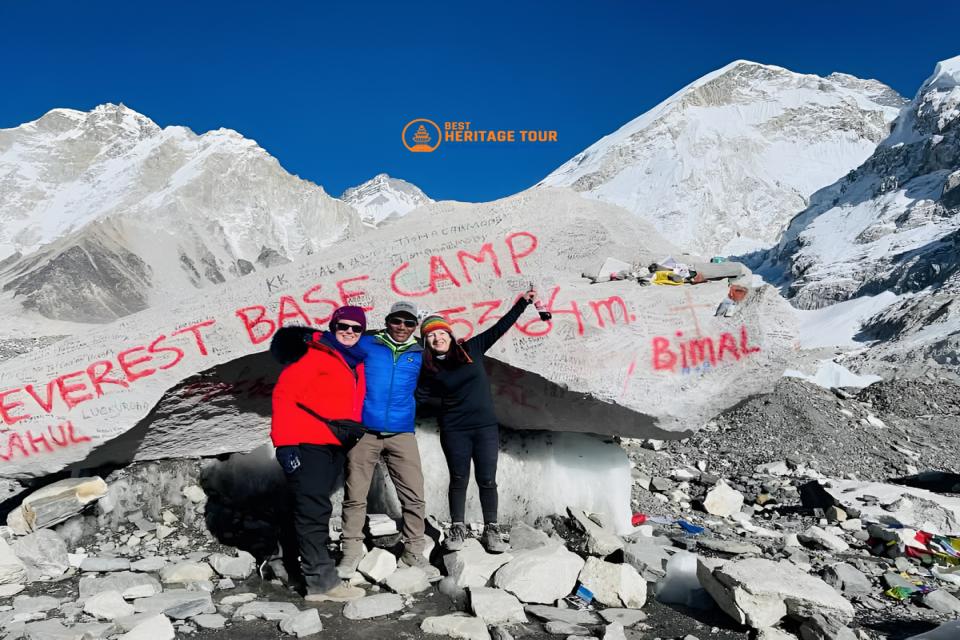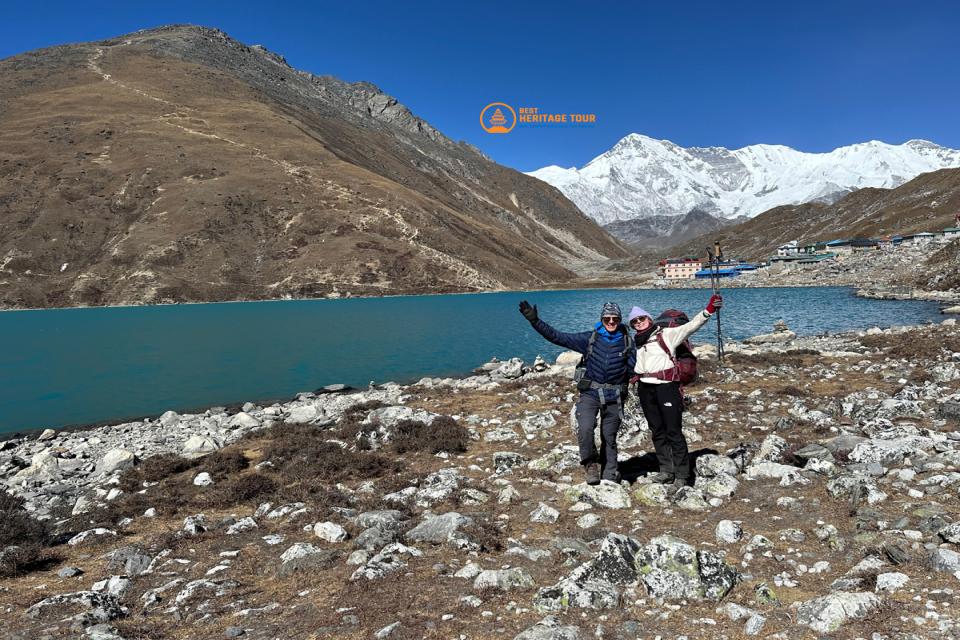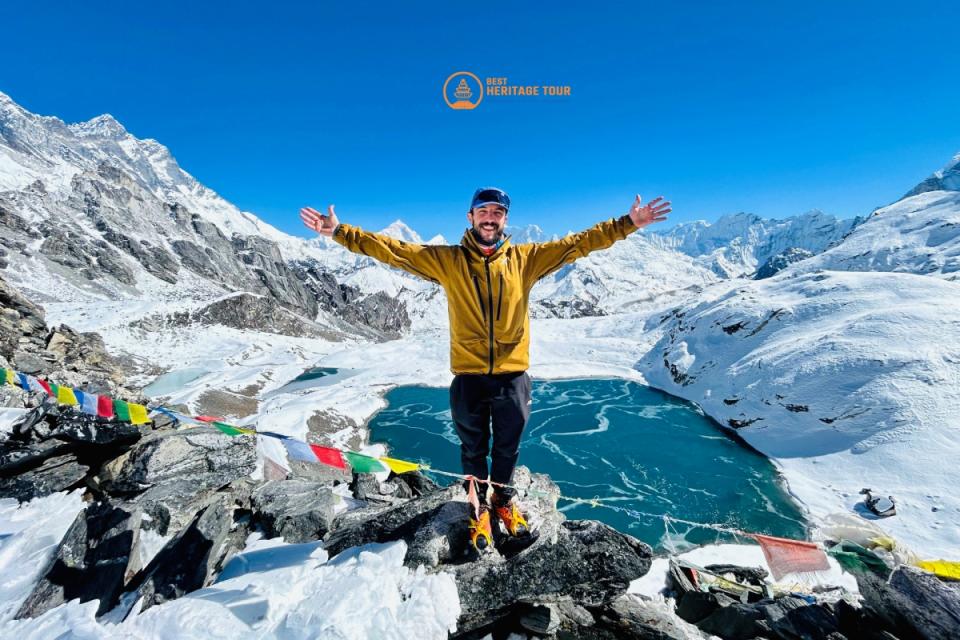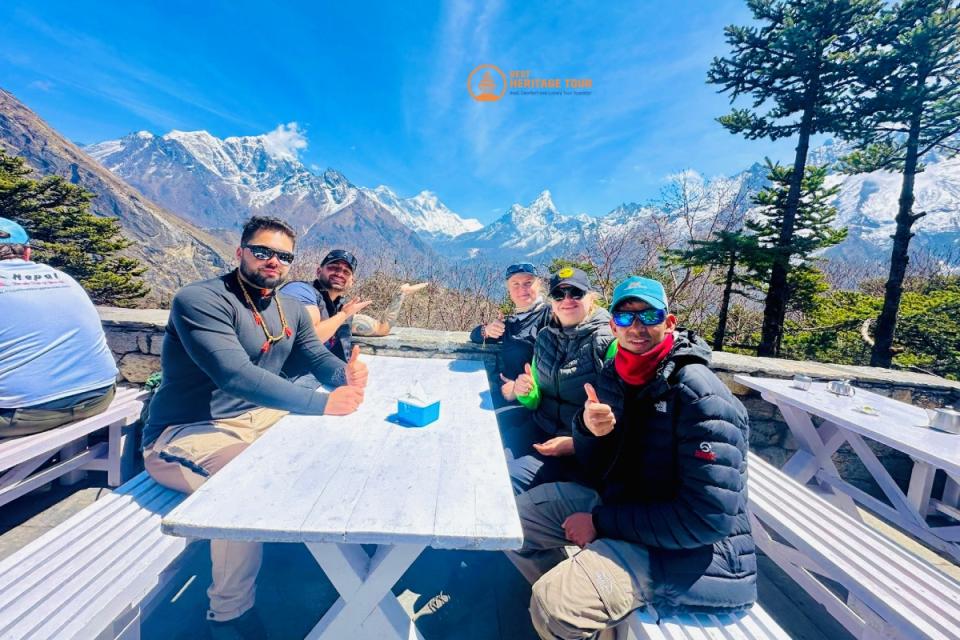
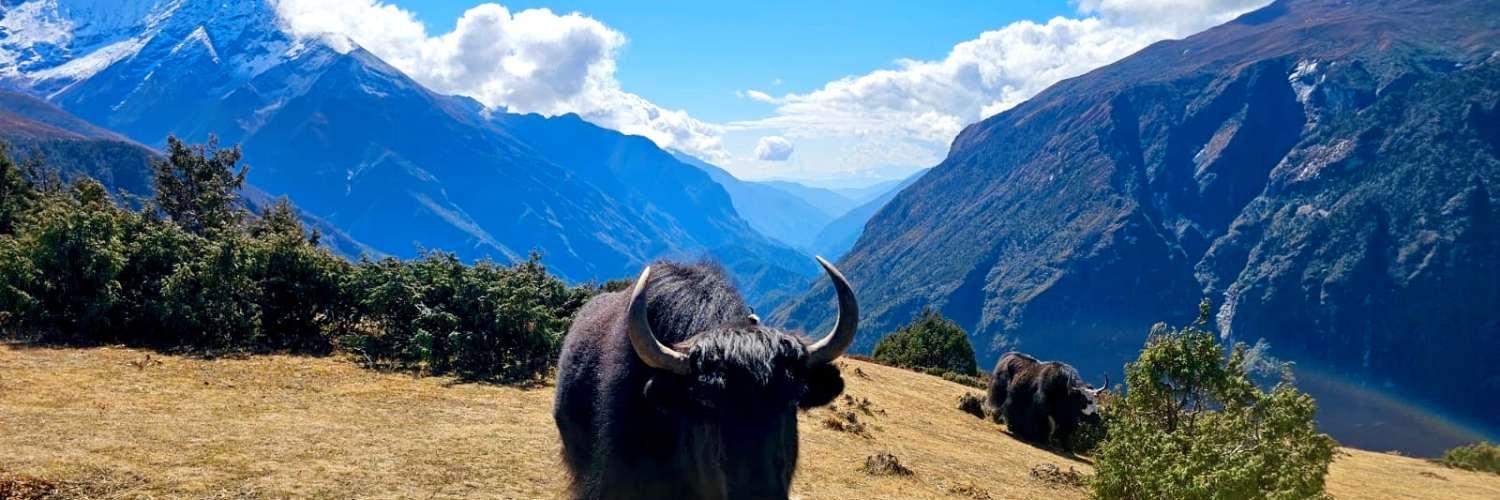
For most travelers, the phrase "Everest Base Camp" conjures images of stark, snow-dusted peaks against a crisp blue sky. This is the classic Himalayan aesthetic of spring and autumn. But at Best Heritage Tour, we believe the mountains have more than one story to tell.
If you are a trekker who prefers the sound of waterfalls over the chatter of crowds, or a photographer seeking a "moody" aesthetic that peak season simply can't provide, then trekking Everest in the summer (June to August) might just be your ultimate adventure.
In this comprehensive guide, we’ll dive into the reality of the 2026 summer trekking season - from the mist-covered trails and vibrant Sherpa festivals to the logistical risks you must manage.
The Summer Reality: Weather and Atmosphere
The summer season in Nepal coincides with the South Asian Monsoon. While many assume the mountains are "closed" during this time, the Everest region - partially nestled in a rain-shadow effect compared to the lower lowlands - remains a viable, albeit wet, trekking destination.
1. Temperature and Humidity
Unlike the bone-chilling winds of winter, summer in the Khumbu is surprisingly mild.
-
Lower Elevations (Lukla to Namche): Daytime temperatures hover between 18°C and 25°C. It is humid, lush, and warm.
-
Higher Elevations (Above 4,000m): Even as you approach Base Camp, temperatures rarely drop below -10°C at night.
2. The Precipitation Pattern
Rain in the Himalayas follows a predictable rhythm. Most mornings start clear, offering a few golden hours of mountain views. By mid-afternoon, clouds typically roll in, bringing showers that last through the evening. This cycle washes the air of dust, leaving the atmosphere incredibly fresh and the visibility - when the clouds break - crystal clear.
Why Trek in Summer? The "Heritage" Advantages
As a company dedicated to heritage and authentic experiences, we find the summer months offer a level of cultural immersion that is often lost during the "traffic jams" of October.
1. The Trails are Yours
In the peak months of 2026, thousands of trekkers will descend upon the Khumbu. In the summer, you might walk for hours without seeing another soul except for local porters and yak herders. The teahouses are quiet, the dining rooms are warm, and you’ll receive the undivided attention of your hosts.
2. A Botanical Paradise
The "Everest Greenery" is a well-kept secret. The monsoon rains transform the otherwise barren, brown landscapes into a vibrant emerald world.
-
Wildflowers: High-altitude meadows bloom with rare Himalayan flora.
-
Waterfalls: The melting snow combined with rain creates massive, cascading waterfalls along the trail from Phakding to Namche that simply don't exist in the dry season.
-
Wildlife: You are more likely to spot Himalayan Tahrs, Musk Deer, and rare birds as they come out to graze on the lush vegetation.
3. Authentic Cultural Festivals
Summer is a time of celebration for the Sherpa people. Festivals like Dumji (celebrated in June/July) bring local communities together for masked dances and traditional rituals. Without the tourist swell, you are often invited into these ceremonies as a guest, rather than just a spectator.
The Challenges: Risks and Logistics
We wouldn’t be "Best Heritage Tour" if we weren't honest about the challenges. Trekking in the summer requires a different mindset and a more flexible schedule.
1. Flight Reliability (The Lukla Factor)
The biggest hurdle of a summer trek isn't the walking; it's the getting there. Clouds and fog frequently shut down the Lukla airport.
-
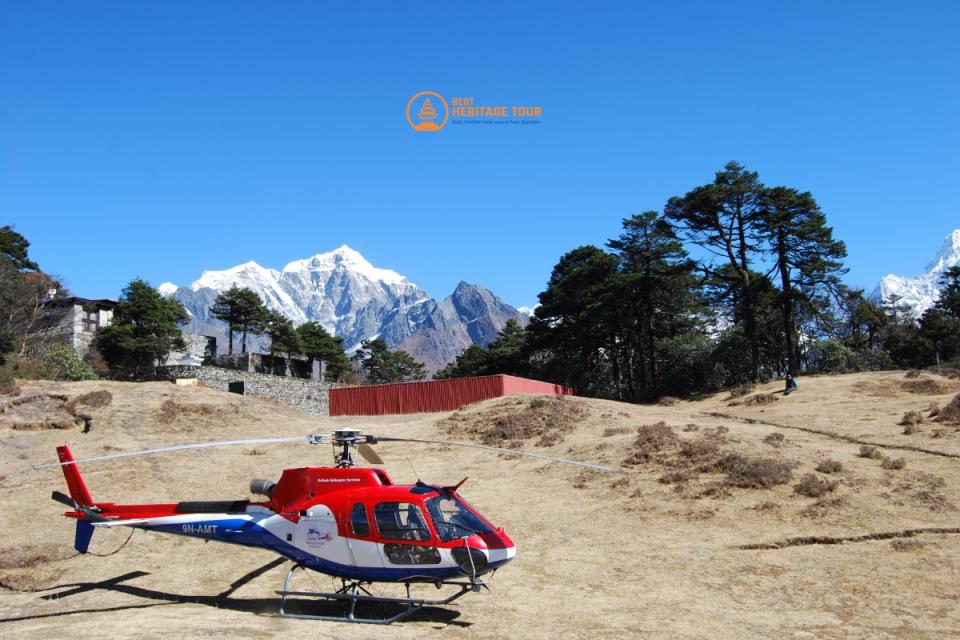
Pro-Tip: Always build 3-4 buffer days into your 2026 itinerary. If the planes can't fly, helicopters - which can fly in lower visibility - are often available, though at a higher cost.
2. The "Leach" and "Bug" Factor
The lower, forested sections of the trail (below 3,000m) are home to leeches during the rainy season. While they aren't dangerous, they can be a nuisance.
-
Solution: Long socks, gaiters, and a small pouch of salt or insect repellent will keep them at bay.
3. Slippery Trails and Landslides
The rain makes the rocky paths between Lukla and Namche Bazaar quite slippery. Mud can slow your pace, and there is an increased (though still managed) risk of small landslides in certain zones.
Essential Gear for a 2026 Summer Trek
Standard trekking gear won't cut it. To stay comfortable, you need a "Moisture Management" strategy:
-
High-Quality Gore-Tex Shell: A breathable rain jacket is your best friend.
-
Waterproof Boot Covers & Gaiters: To keep mud and leeches out of your boots.
-
Dry Bags: Everything inside your duffel should be in individual waterproof bags.
-
Trekking Poles: Essential for stability on wet, muddy descents.
-
Extra Socks: Because once your feet get wet, they stay wet until you reach the next teahouse stove.
Is the Summer Trek Right for You?
At Best Heritage Tour, we recommend the summer trek to:
-
Photographers who want dramatic, misty, and atmospheric shots.
-
Repeat Trekkers who have seen the "blue sky" Everest and want to see its greener side.
-
Solitude Seekers who value peace and quiet above all else.
However, if your primary goal is a "guaranteed" view of Mount Everest's summit every single day, you may find the summer clouds frustrating.
Conclusion
Trekking to Everest in the summer of 2026 is not about conquering a peak; it’s about witnessing the life cycle of the Himalayas. It is a journey through mist, wildflowers, and silent forests. It is a more difficult path, yes - but for those who choose it, the reward is a version of Everest that few people ever get to see.
Are you ready to see the green side of the world's highest peak?
Phone / WhatsApp / Viber: +977-9851149197 / +977-9810043046
Email: info@bestheritagetour.com / bestheritagetour@gmail.com
Website: www.bestheritagetour.com
Office: Thamel Marg, Kathmandu, Nepal
Author: Best Heritage Tour
Date: 1st February, 2026