At Best Heritage Tour, we believe that the mountains aren’t just for seasoned mountaineers or solo adrenaline junkies. They are the ultimate classroom, a place where families can forge bonds that last a lifetime. However, when we get the question, "Can I trek to Everest Base Camp with a toddler?" we don’t just give a simple "yes" or "no."
Trekking with a little one in the Khumbu region is a monumental undertaking. It is a journey of extreme beauty, but it also demands extreme responsibility. If you are considering swapping the stroller for a hiking carrier and the playground for the Himalayas, this guide is for you. We’re diving deep into the logistics, the safety concerns, and the reality of taking a child to the foot of the world’s highest peak.
The Reality Check: Is It Possible to do EBC Trek with Small Child?
The short answer is: Yes, it is possible. People have reached Everest Base Camp (EBC) with toddlers - some even as young as two years old.
However, "possible" does not mean "easy" or "risk-free." While an adult can push through a headache or a cold morning with a bit of grit, a toddler cannot. When you trek with a child under five, the trek is no longer about reaching a destination; it is entirely about their well-being. At Best Heritage Tour, we emphasize that a family trek to EBC is a slow-motion adventure. You aren't trekking to Everest; you are taking a very long, very high walk with your child, and Everest just happens to be the backdrop.
The Age Factor
While there is no official age limit for the Sagarmatha National Park, most trekking experts and pediatricians suggest that ages 7 to 10 are the "sweet spot" for children. At this age, they can communicate how they feel, follow safety instructions, and have the stamina to walk sections themselves.
For toddlers (ages 1-3), the challenges are doubled. They cannot tell you if they have a burgeoning altitude headache. They can’t regulate their body temperature as efficiently as adults. And, most importantly, you (or a porter) will be carrying their weight - plus their gear - over 130 kilometers of rocky, uneven terrain.
The Biggest Hurdle: Altitude and the "Silent" Symptom
The primary concern for any parent in the Himalayas is Acute Mountain Sickness (AMS).
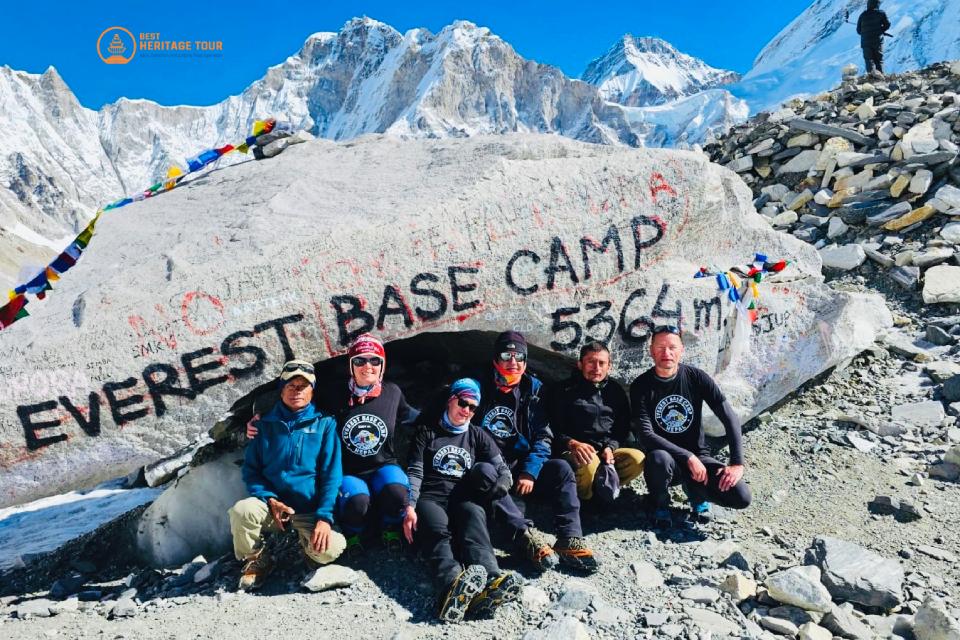
Everest Base Camp sits at 5,364 meters (17,598 feet). At this elevation, there is roughly 50% less oxygen than at sea level. For a toddler, whose lungs and circulatory systems are still developing, this is a massive physiological shift.
Why Toddlers are at Higher Risk
The danger with toddlers isn't necessarily that they are more prone to AMS than adults, but that they cannot communicate the symptoms. An adult knows when a "slight pressure in the temples" is a warning sign. A toddler might just become fussy, refuse to eat, or want to sleep more - all of which can be easily mistaken for simple "travel fatigue" or a temper tantrum.
At Best Heritage Tour, we implement a "No-Questions-Asked Descent" policy for families. If a child shows any persistent signs of irritability, loss of appetite, or lethargy that doesn't resolve with rest, we go down immediately. No exceptions.
Planning the Perfect "Family-Speed" Itinerary
A standard EBC trek takes about 12 to 14 days. If you are bringing a toddler, throw that timeline out the window. You need a flexible, extended itinerary that prioritizes rest over distance.
1. Slow and Steady Wins the Race
Instead of the usual 300-500m of elevation gain per day, aim for less. We recommend building in "buffer days" every 2-3 days. If your child is having a rough morning, you stay put. If they love a particular village because of the local yaks, you stay put.
2. The "Climb High, Sleep Low" Strategy
This is the golden rule of high-altitude trekking. Even on rest days in places like Namche Bazaar (3,440m) or Dingboche (4,410m), we take short, gentle uphill walks during the day and return to a lower elevation to sleep. This helps the toddler’s body (and yours!) produce the necessary red blood cells to handle the thinning air.
3. Consider the "Heli-Out" Option
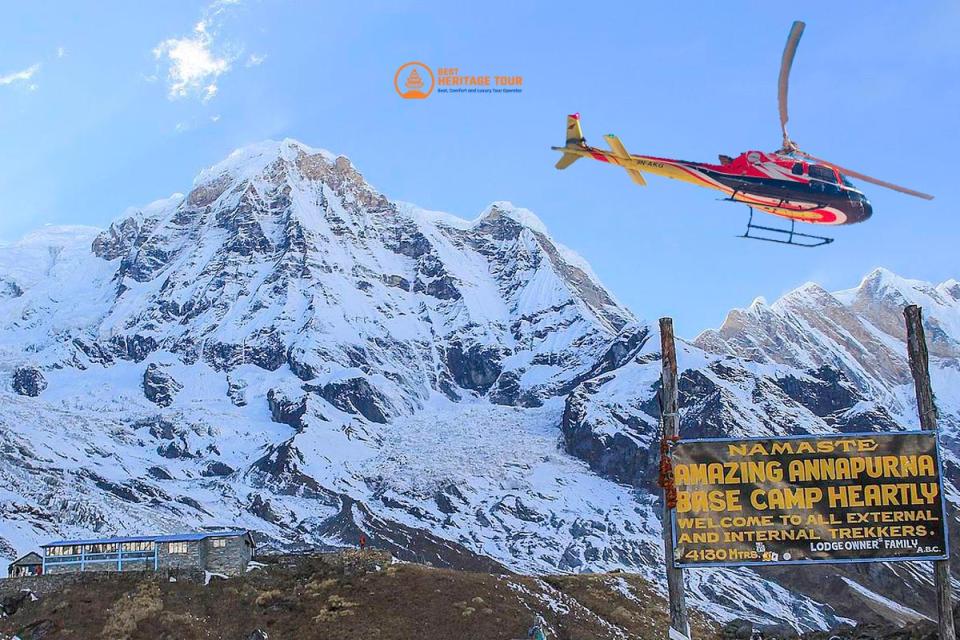
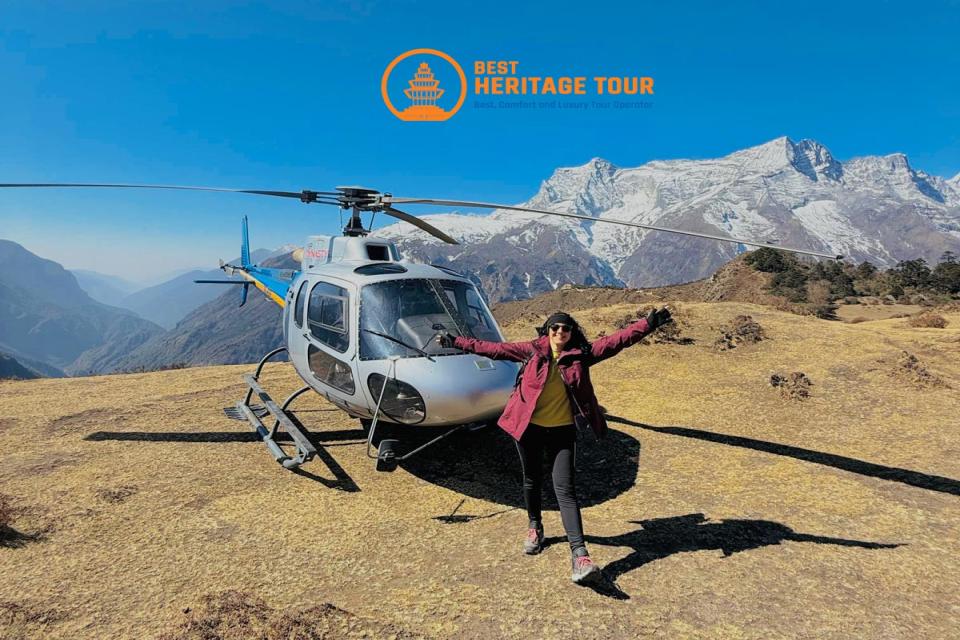
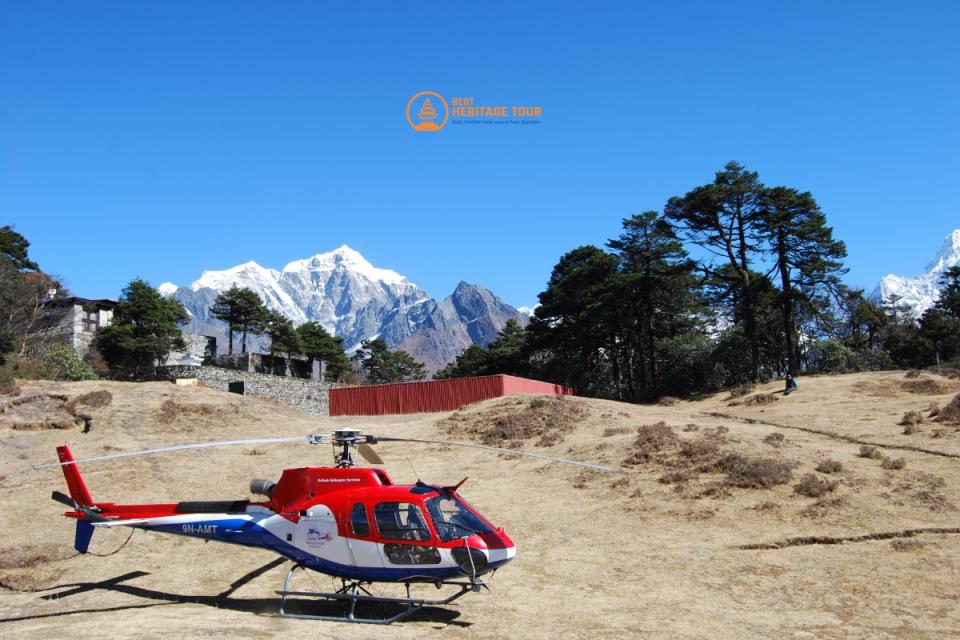
Many families choose to trek up to a certain point (like Namche or Pangboche) and then take a scenic helicopter flight back to Lukla or Kathmandu. This allows the child to experience the magic of the Sherpa culture and the mountain views without the grueling 4-day descent, which can be hard on small joints and energy levels.
Logistics: How Do You Actually Get There?
You won't be carrying a diaper bag and a toddler on your own. Success in the Khumbu with a child depends on your support team.
Hiring a Private Guide and Porter
This isn't a luxury; it’s a safety requirement. At Best Heritage Tour, we assign family-specialist guides who are not only trained in first aid and altitude management but are also great with kids.
You will likely need:
-
A Personal Porter: To carry your main duffel bags (diapers, warm layers, toys).
-
A Child Carrier: If you are carrying the child, you cannot carry a heavy pack. If you hire a specialized porter to carry the child in a traditional Himalayan basket (modified for safety) or a specialized hiking carrier, it frees you up to monitor your child's health and enjoy the views.
Gear for the Little Explorer
Standard "kids' clothes" won't cut it. You need technical layers:
-
Base Layers: Moisture-wicking merino wool (no cotton!).
-
Insulation: High-quality down jackets and fleece.
-
Sun Protection: The UV rays at 5,000m are fierce. High-SPF sunscreen, UV-rated sunglasses, and wide-brimmed hats are mandatory.
-
The Sleeping Bag: Teahouses are unheated. You need a child-sized sleeping bag rated for at least -15°C.
Health and Hygiene: Keeping the "Himalayan Belly" at Bay
Toddlers explore the world with their hands - and often their mouths. In a region where sanitation is basic and "yak dung" is a common sight on the trail, hygiene is a full-time job.
-
Water Safety: Never, ever give a child tap or stream water. Use a combination of boiling and high-end filtration (like a Grayl or Katadyn) or UV purification.
-
Diet: Stick to "safe" foods like Dal Bhat (lentil soup and rice), potatoes, and pasta. We advise avoiding meat at higher altitudes, as it is often carried up by porters and may not be fresh.
-
The Medical Kit: Your kit should be robust. Include children's ibuprofen/acetaminophen, rehydration salts (ORS), anti-diarrheals, and any specific medications recommended by your pediatrician.
The Rewards: Why Do It?
After reading about the risks, you might wonder why anyone would take a toddler to Everest.
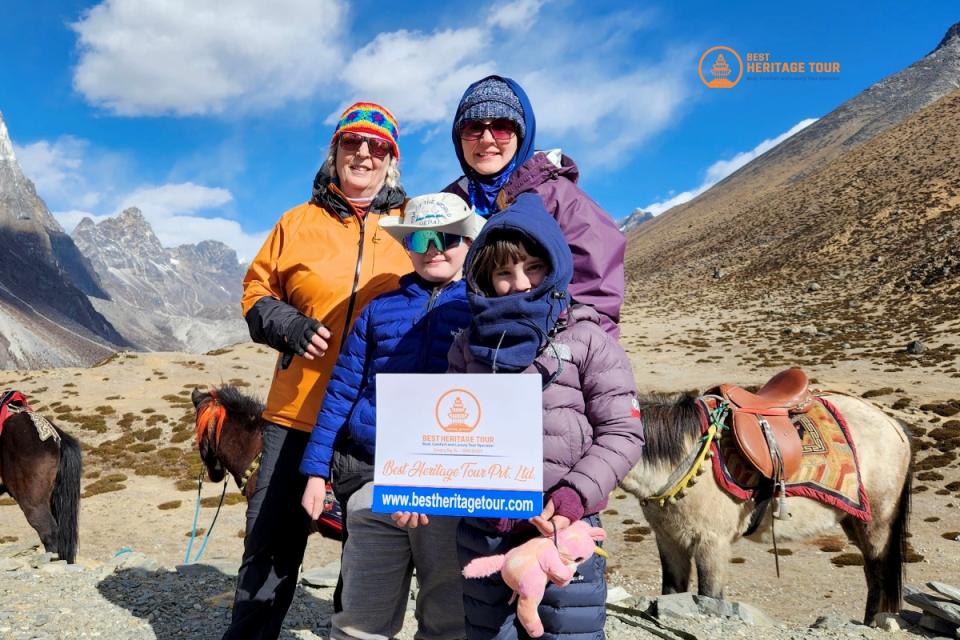
When you trek with a child, you are welcomed into the Sherpa community in a way solo trekkers never are. The Sherpa people are incredibly family-oriented. Your child will be the "VIP" of every teahouse, receiving smiles, blessings, and perhaps even a few extra pieces of gurung bread.
You aren't just showing them mountains; you are showing them a different way of life. They won't remember the specifics of the Khumbu Glacier, but they will grow up with the subconscious knowledge that the world is vast, people are kind, and they are capable of doing hard things.
Expert Tips from the Best Heritage Tour Team
-
Trial Runs are Key: Before booking, take your toddler on 3-4 day hiking trips at home. See how they handle being in a carrier for 5 hours a day.
-
Entertainment: Even in the world's most beautiful mountains, a toddler will get bored. Pack lightweight "new" toys, sticker books, and maybe a few downloaded favorite shows for the long evenings in the teahouse.
-
The "Comfort" Factor: Bring a piece of home - a favorite blanket or a stuffed animal. The unfamiliarity of a freezing cold teahouse can be scary; a familiar scent helps them sleep.
-
Listen to Your Guide: Our guides have spent decades in these mountains. If they suggest stopping early or descending, trust their expertise. They see the mountain differently than you do.
Conclusion: A Journey of a Lifetime
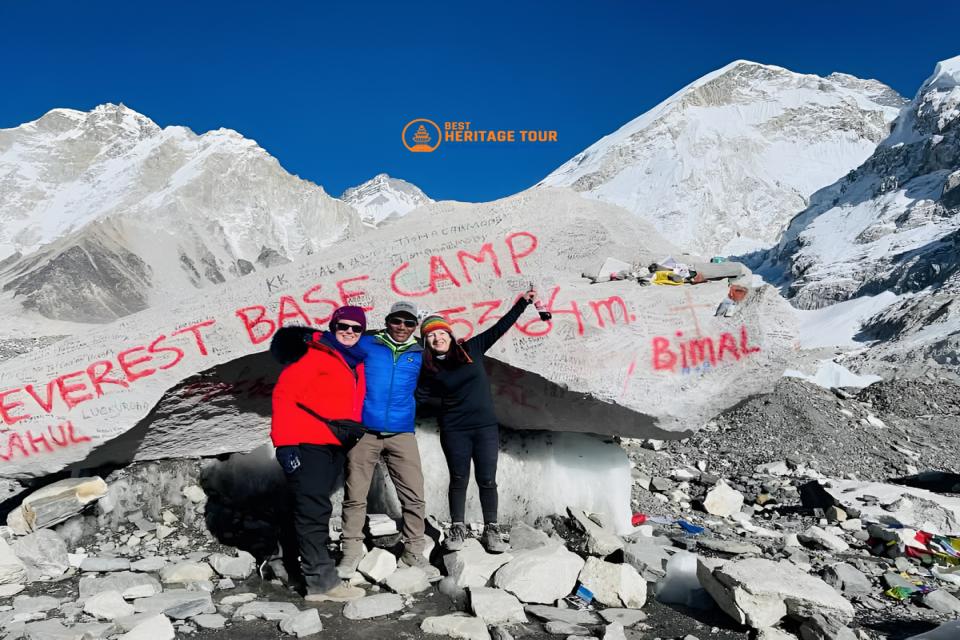
Trekking to Everest Base Camp with a toddler is a bold, beautiful, and demanding choice. It requires a mindset shift: you must be okay with not reaching the Base Camp if the situation demands it. The success of the trip isn't measured by a photo at the prayer-flag-clad rock; it’s measured by the health and happiness of your family.
At Best Heritage Tour, we specialize in making these "impossible" dreams a reality through meticulous planning, expert staffing, and a deep respect for the mountains. If you feel your family is ready for the ultimate Himalayan adventure, we are here to guide you every step of the way.
Phone / WhatsApp / Viber: +977-9851149197 / +977-9810043046
Email: info@bestheritagetour.com / bestheritagetour@gmail.com
Website: www.bestheritagetour.com
Office: Thamel Marg, Kathmandu, Nepal
Author: Best Heriage Tour
Date: 30th January, 2026