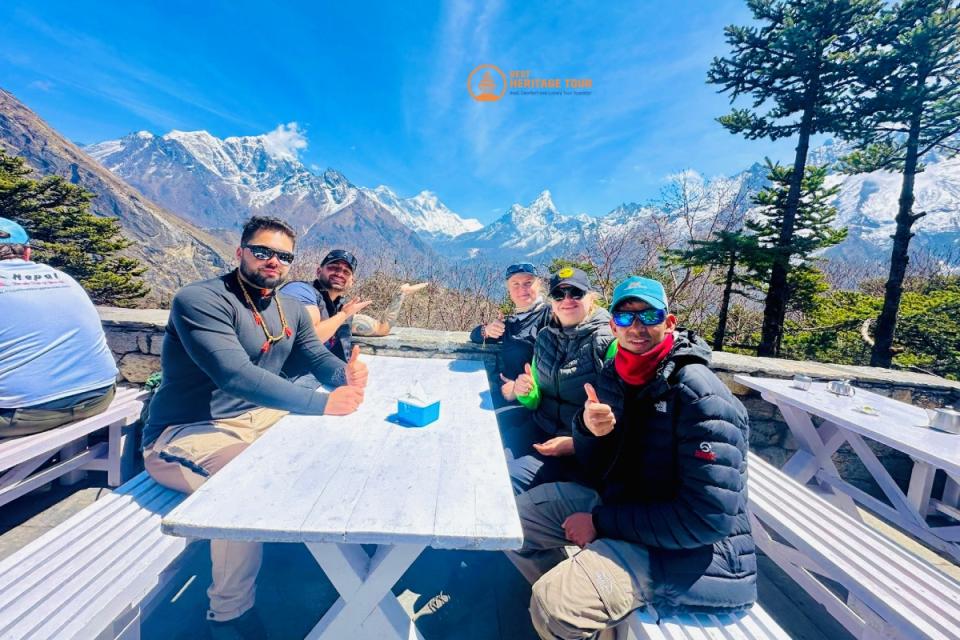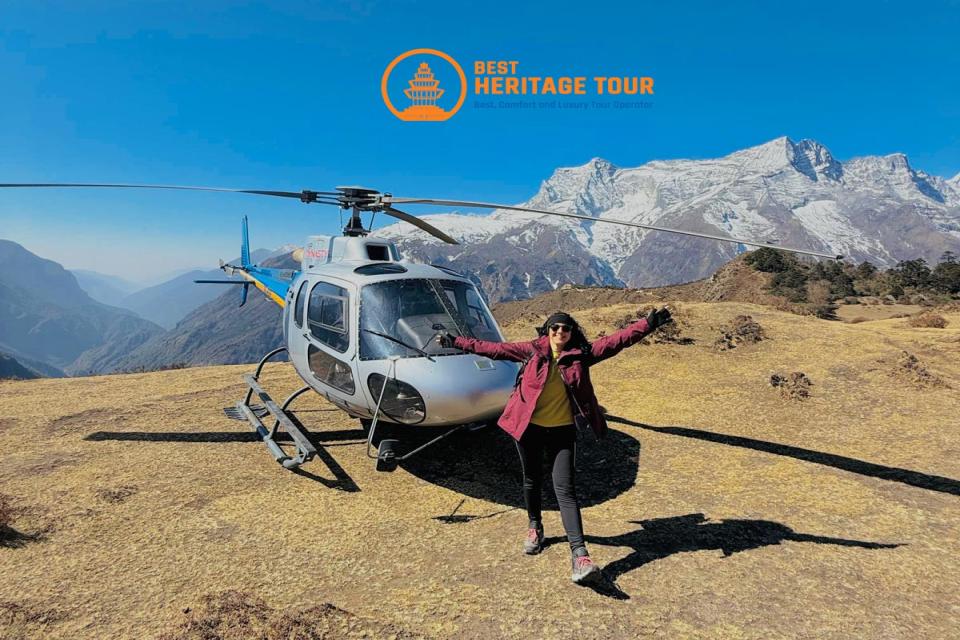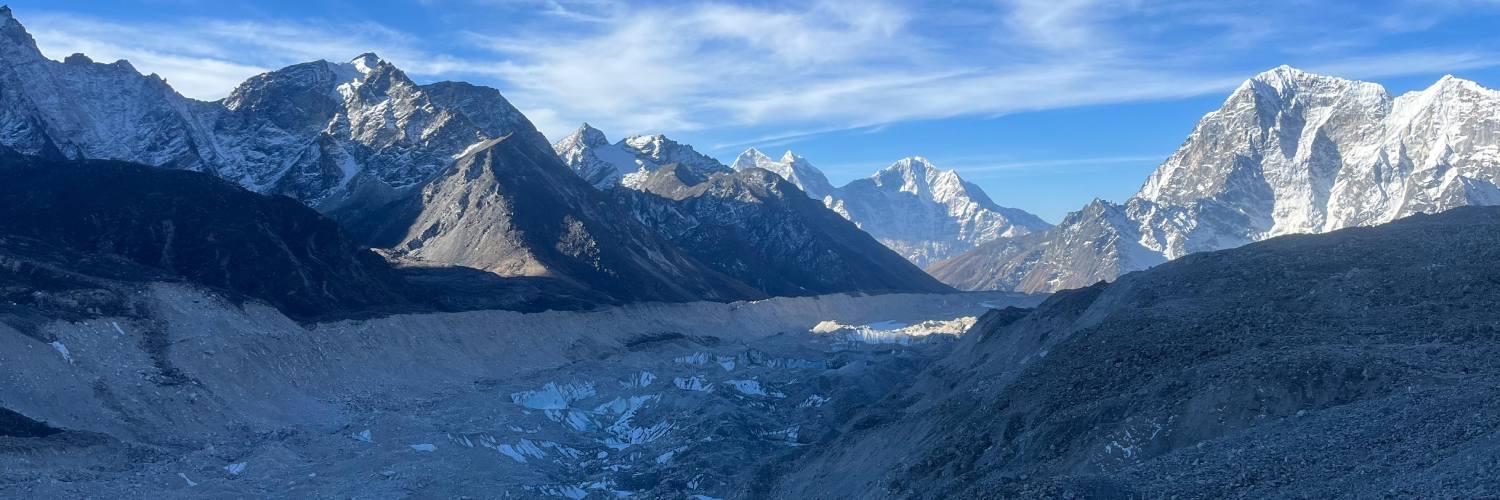
For many trekker, the Everest Base Camp (EBC) trek is often a blur of contradictions. It is exhausting yet exhilarating; it is a place of brutal cold and the warmest hospitality you will ever encounter. The Everest Base Camp (EBC) trek is more than just a hike; it is a rite of passage for every adventurer. But for a first-timer, the prospect of walking for 12 days through the thin air of the Khumbu can feel as daunting as the mountain itself.
At Best Heritage Tour, we have seen thousands of travelers - from marathon runners to office workers - reach 5,364 meters (17,598ft) with a smile. The difference between those who struggle and those who soar is preparation.
In this definitive guide, we’re going to pull back the curtain on everything you need to know. If you’ve spent your life dreaming of seeing the world’s highest peak but aren’t sure if your "gym once a week" routine is enough, this guide is for you. We’re moving past the generic advice to give you the raw, honest, and expert-backed roadmap to reaching the base of Sagarmatha. No "fluff," just the hard-earned wisdom of local Nepalese guides to ensure your first trek is a resounding success.
Is the EBC Trek Right for Beginners?
The most common question we get at our Thamel office is: "Can I do this if I’ve never trekked before?"
The answer is a resounding Yes. You do not need to be a professional mountaineer. The EBC trek is a "teahouse trek," meaning you don’t need to carry tents or food, and the paths are well-established. However, it is physically demanding. You will be walking 5-7 hours a day on rocky, uphill terrain with roughly 50% less oxygen than you are used to at sea level.
The Beginner’s Checklist:
-
Fitness: Can you walk 10 miles with a light pack?
-
Mental Toughness: Can you handle basic accommodation and "mountain showers" (wet wipes)?
-
Respect for Nature: Are you willing to listen to your guide and follow safety protocols?
Physical Preparation: Building Your "Mountain Legs"
You don't need to be an Olympic athlete, but the more fit you are, the more you will enjoy the views. At Best Heritage Tour, we recommend starting your training 8-12 weeks before your flight to Lukla.
Cardiovascular Endurance
Your heart needs to become an efficient oxygen-pumping machine.
-
The Plan: Aim for 3-4 sessions a week of swimming, cycling, or running.
-
The "Secret Weapon": Stair Climbing. If you have access to a stair-stepper or a tall building, use it. It is the closest simulation to the steep "Namche Hill" you will face on Day 2.
Strength Training
Focus on your "Big Three": Legs, Core, and Back.
-
Squats and Lunges: To build the power needed for steep descents.
-
Planks: A strong core keeps you balanced on uneven glacial moraines.
-
Weighted Walks: Put on your trekking boots, fill a backpack with 5-7$kg, and go for a long walk in your local park. This "breaks in" your boots and your shoulders at the same time.
Mastering the Mental Game
First-time trekkers often struggle most with the loss of "creature comforts."
-
The "Khumbu Cold": Once you pass 4,000 meters, the temperature inside your teahouse bedroom will likely be below freezing.
-
Digital Detox: Wi-Fi is patchy and expensive. Use this time to reconnect with yourself.
-
The "Why": On Day 8, when you’re tired and cold, you need a strong reason to keep moving. Whether it’s a personal milestone or a tribute to a loved one, keep that "why" in your pocket.
The 12-Day "Classic" Itinerary: A Beginner’s Roadmap
A first-timer should never rush. Rushing is the fastest way to get altitude sickness. Our recommended Best Heritage Tour itinerary builds in two crucial "Acclimatization Days."
-
Day 1: Kathmandu to Lukla (Flight) & Trek to Phakding (2,610m) - The world’s most scenic (and exciting) flight.
-
Day 2: Phakding to Namche Bazaar (3,440m) - A tough uphill climb where you cross the high Hillary Suspension Bridge.
-
Day 3: Acclimatization in Namche - Hike to Everest View Hotel for your first glimpse of the peak. Rule: Climb high, sleep low.
-
Day 4: Namche to Tengboche (3,860m) - Visit the spiritual heart of the Khumbu, the Tengboche Monastery.
-
Day 5: Tengboche to Dingboche (4,410m) - The landscape shifts from lush forest to alpine desert.
-
Day 6: Acclimatization in Dingboche - A hike up Nangkartshang Peak (5,083m) to prepare for the final push.
-
Day 7: Dingboche to Lobuche (4,910m) - Pass the "Trekkers' Memorial," a sobering reminder to respect the mountains.
-
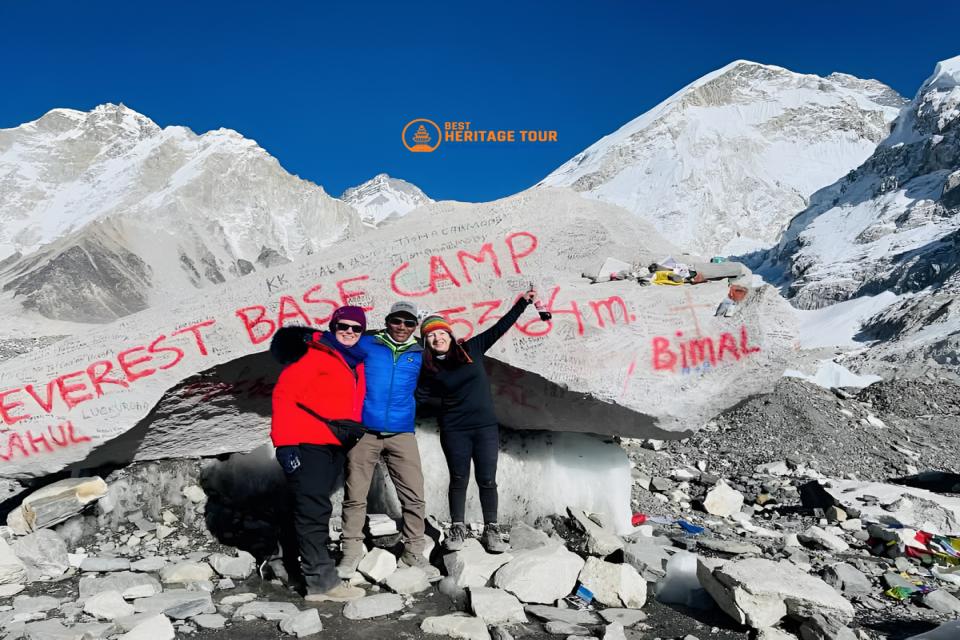
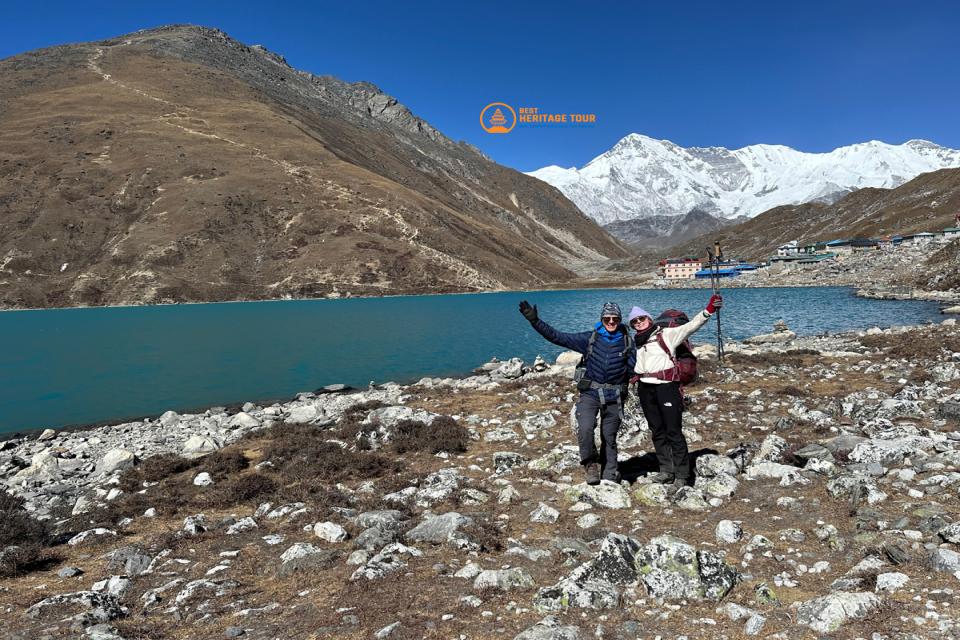
Day 8: Lobuche to Gorak Shep (5,164m) & Everest Base Camp (5,364m) - The big day! You’ve made it.
-
Day 9: Gorak Shep to Kala Patthar (5,545m) & Pheriche (4,240m) - The best sunrise view of Everest’s summit.
-
Day 10-12: The Descent back to Lukla and Kathmandu.
Understanding Altitude Sickness (AMS)
For a first-timer, the fear of Acute Mountain Sickness (AMS) is real. But knowledge is power. Altitude sickness is simply your body's way of saying it needs more time to adapt to lower oxygen levels.
Early Warning Signs:
-
A persistent headache.
-
Loss of appetite (even for your favorite foods).
-
Difficulty sleeping.
-
Feeling "hungover" without having touched alcohol.
How to Prevent Altitude Sickness (AMS):
-
Hydrate like a pro: Drink at least 3-4 liters of water a day.
-
Go "Bistari, Bistari" (Slowly, Slowly): This is not a race. If you are the last person into the teahouse but you feel great, you are winning.
-
Avoid Alcohol and Tobacco: These dehydrate you and mask AMS symptoms.
-
Consider Diamox: Consult your doctor before leaving home about taking Acetazolamide (Diamox) to aid acclimatization.
Avoiding the "Beginner Mistakes"
-
The "Khumbu Cough": The air is dry and dusty. Wear a buff (neck gaiter) over your mouth from Day 1 to keep your throat moist.
-
Ignoring Small Blisters: A tiny hot spot on your heel on Day 2 becomes a trek-ending wound by Day 6. Address it immediately.
-
Over-ordering Food: Your appetite will naturally drop at high altitude. Don't force heavy steaks or pizzas; stick to the "Trekker’s Fuel" - Dal Bhat.
-
Sunburn from Below: The snow reflects UV rays. Put sunscreen under your chin and inside your nostrils. Trust us on this one.
Gear & Packing: The "First-Timer" Essentials
Don't make the mistake of overpacking. Most of your gear will be carried by a porter, but there is a weight limit (usually 15kg).
The Layers
-
Base Layer: Merino wool (it doesn't stink after 5 days of use!).
-
Mid Layer: A warm fleece.
-
Outer Layer: A high-quality down jacket (rated to -20°C) and a windproof shell.
-
Footwear: Waterproof trekking boots. Essential: Break them in at least a month before the trek.
The "Little Things" That Save Your Life
-
Sunscreen & Lip Balm: The Himalayan sun is brutal.
-
Water Purification: Tablets or a LifeStraw. Avoid buying plastic bottles to keep the trail clean.
-
Power Bank: Charging your phone at teahouses costs 3-5 USD per hour.
-
Wet Wipes: Your "mountain shower."
Life on the Trail: Food & Accommodation
Staying in Teahouses is a unique part of the Nepalese culture. These are family-run mountain lodges.
-
The Rooms: Usually twin-sharing with two wooden beds and thin mattresses. They are unheated, so your sleeping bag is your best friend.
-
The Food: The legendary Dal Bhat (rice, lentil soup, and vegetable curry) is the ultimate fuel. It’s "Power 24 Hour" and usually comes with free refills!
-
Hygiene: Hand sanitizer is your best defense.
Budgeting for Your First Trek
While your tour package with Best Heritage Tour covers the big items (flights, permits, guides), you need "pocket money" for the trail.
Daily Expenses to Expect:
-
Charging Electronics: 3-6 USD.
-
Hot Showers: 4-7 USD.
-
Wi-Fi: 5-10 USD (or buy an Airalo/Ncell SIM in Kathmandu).
-
Snacks/Tea: 10-15 USD.
-
Tipping: (Refer to our Ultimate Tipping Guide for details).
Why a Guide is Essential for Beginners
You can trek solo, but for a first-timer, we strongly advise against it. A local guide from Best Heritage Tour isn’t just a navigator; they are:
-
Your Health Monitor: They check your oxygen saturation daily.
-
Your Cultural Bridge: They translate the stories of the Sherpa people.
-
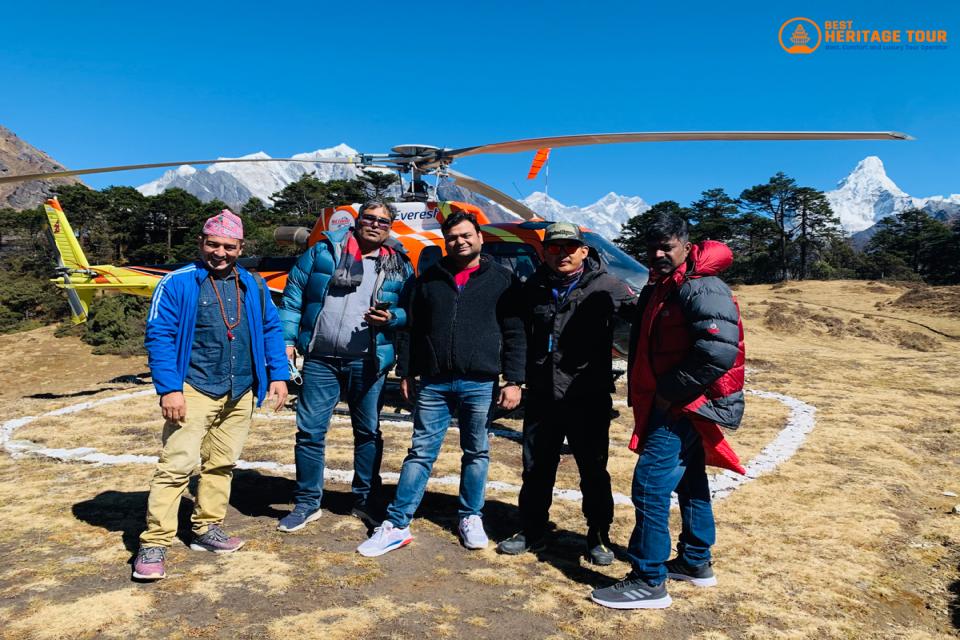
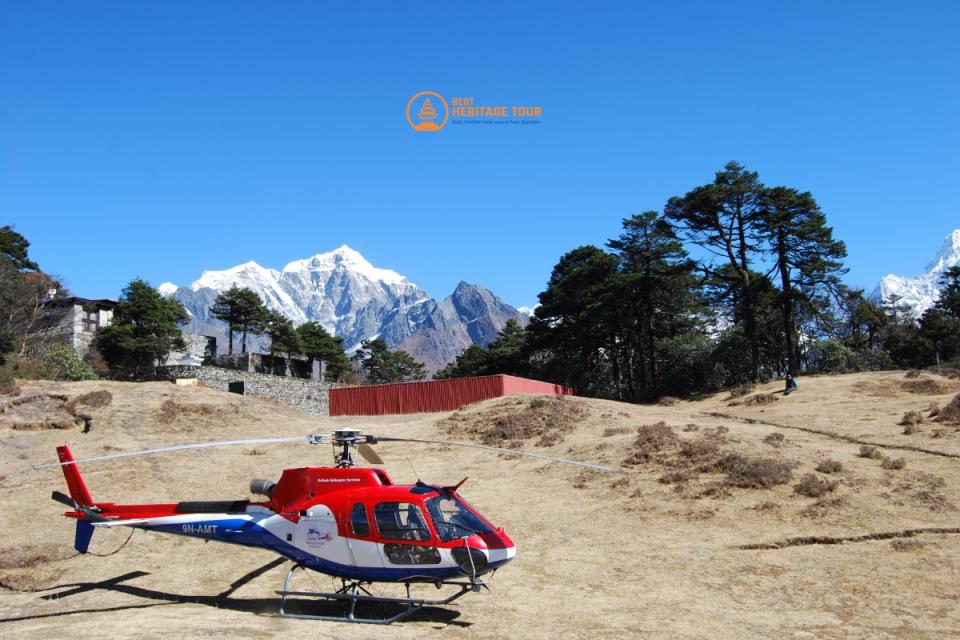
Your Safety Net: In case of a weather delay or medical emergency, they handle the complex logistics of helicopter evacuations.
Final Tips for Success
-
Keep an Open Mind: Flights to Lukla are often delayed by weather. Stay patient; it's all part of the Himalayan experience.
-
Photography: Keep your camera batteries close to your body (in your sleeping bag at night). The cold drains them in minutes.
-
Mental Prep: There will be a moment, probably around Day 7, where you feel exhausted. Remember your "why." The view from Base Camp is worth every heavy step.
Conclusion
The Everest Base Camp trek is a journey that changes you. It simplifies life down to the rhythm of your breath and the beauty of the horizon. As a first-time trekker, you don’t need to know everything - you just need the right team by your side.
At Best Heritage Tour, we specialize in turning "first-timers" into lifelong mountaineers. Our local expertise, focus on safety, and deep roots in the Khumbu community ensure that your dream of seeing Everest becomes a reality.
Are you ready to stand at the top of the world? Contact us today to customize your beginner-friendly Everest itinerary!
Phone / WhatsApp / Viber: +977-9851149197 / +977-9810043046
Email: info@bestheritagetour.com / bestheritagetour@gmail.com
Website: www.bestheritagetour.com
Office: Thamel Marg, Kathmandu, Nepal
Author: Best Heritage Tour
Date: 28th December, 2025