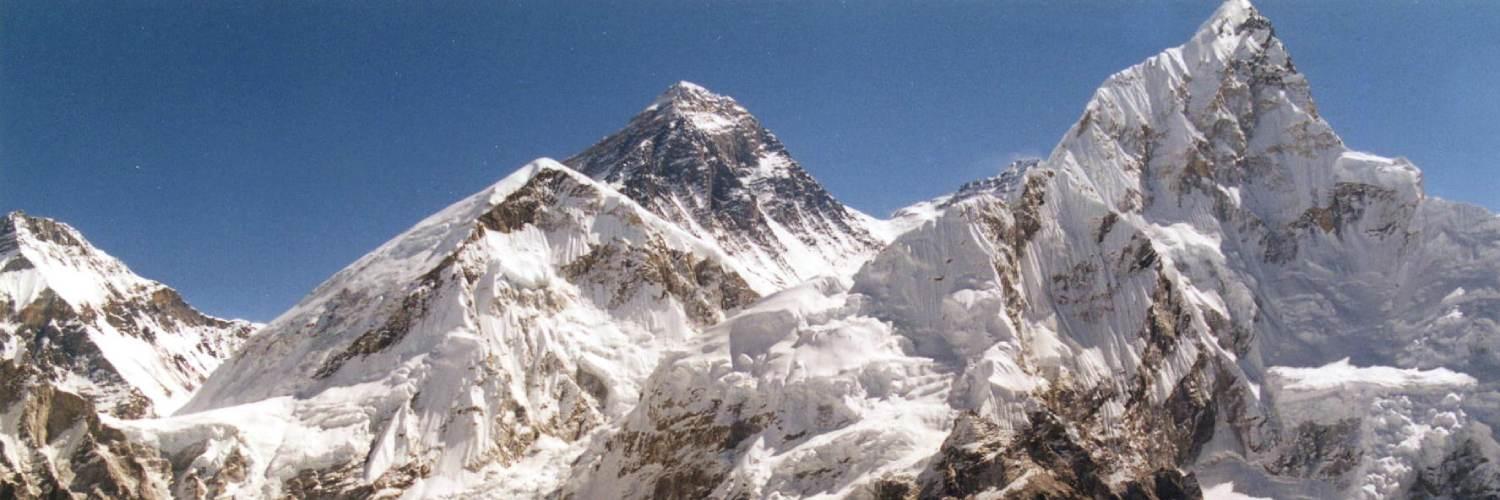
So, you’ve set your sights on the “Roof of the World.” You’ve seen the photos of the prayer flags fluttering against a backdrop of jagged, snow-capped peaks and the Milky Way stretching over the Khumbu Glacier. But as the departure date for your Everest Base Camp (EBC) trek approaches, a very practical question starts to sink in: Exactly how far am I going to be walking every day?
At Best Heritage Tour, we’ve guided thousands of trekkers through the Khumbu region. We know that understanding the distance isn't just about the numbers on a map; it’s about mental preparation, pacing, and respecting the unique geography of the Himalayas.
The total round-trip distance for the standard Everest Base Camp trek is approximately 130 kilometers (80 miles). While that might sound like a lot, you aren't doing it all at once. Spread over 12 to 14 days, the distance becomes a series of manageable chapters, each with its own rhythm and challenges.
In this comprehensive guide, we’ll break down the daily mileage, the elevation changes (which are often more significant than the distance itself), and what it actually feels like to walk these legendary trails.
The Big Picture: EBC Trek Distance at a Glance
Before we dive into the day-by-day breakdown, let’s look at the "macro" view of the trek.
|
Metric |
Measurement (Approx.) |
|---|---|
|
Total Round Trip Distance |
130 km (80 miles) |
|
Average Daily Distance |
10-15 km (6-9 miles) |
|
Average Daily Walking Time |
5-7 hours |
|
Total Elevation Gain |
2,500m+ from Lukla |
|
Highest Point |
Kala Patthar (5,545m / 18,192ft) |
Why "Distance" is a Relative Term in Nepal?
In the Himalayas, we don't measure distance in kilometers; we measure it in hours. A 5km walk on a flat city street takes about an hour. A 5km walk at 4,000 meters altitude, on a rocky trail with a 600-meter vertical incline, might take you four hours.
As your guides, we emphasize "Bistari, Bistari" (Slowly, Slowly). The goal isn't to finish the daily distance quickly; it’s to finish it comfortably so your body can acclimate to the thinning air.
Phase 1: The Ascent - Journey to the Base of Greatness
The journey to Everest Base Camp is an "out-and-back" trek. The first eight days are spent climbing toward the base camp, while the final three to four days are spent descending back to Lukla.
Day 1: Lukla to Phakding
-
Distance: 8 km (5 miles)
-
Time: 3-4 hours
-
Starting Altitude: 2,860m (9,383ft)
-
Ending Altitude: 2,610m (8,563ft)
Your adventure begins with a thrilling flight into Tenzing-Hillary Airport in Lukla. Once your boots hit the ground, the first day is surprisingly gentle. In fact, you actually lose elevation today. The trail winds through Sherpa villages and follows the Dudh Koshi River. It’s a great "warm-up" for the days ahead.
Day 2: Phakding to Namche Bazaar
-
Distance: 11 km (6.8 miles)
-
Time: 6-7 hours
-
Ending Altitude: 3,440m (11,286ft)
This is the day your legs will start to feel the "Himalayan factor." The first half of the day is a pleasant walk across several suspension bridges, including the famous high Hillary Suspension Bridge. However, the final two hours involve a steep, zig-zagging climb up to Namche Bazaar. This is often where trekkers get their first glimpse of Mount Everest peeking through the trees.
Day 3: Acclimatization Day in Namche Bazaar
-
Distance: 3-5 km (2-3 miles)
-
Time: 3-4 hours
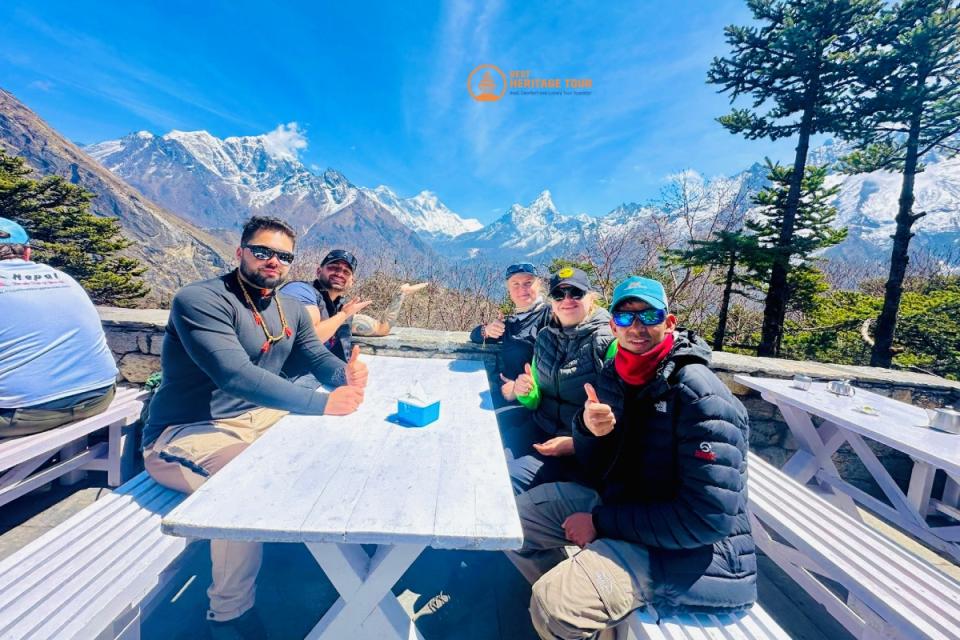
"Rest" days in the Himalayas aren't spent in bed. To help your red blood cells multiply, we practice "Climb High, Sleep Low." We typically hike up to the Everest View Hotel (3,880m) to soak in the panoramas of Everest, Ama Dablam, and Lhotse before returning to Namche for the night. This short distance is crucial for your success at higher altitudes.
Day 4: Namche Bazaar to Tengboche
-
Distance: 10 km (6.2 miles)
-
Time: 5-6 hours
-
Ending Altitude: 3,860m (12,664ft)
The trail starts with a spectacular, relatively flat walk (known as "Nepali Flat" - a little bit up, a little bit down) with massive drops on one side and views of the peaks ahead. After descending to the river for lunch at Phunki Tenga, you face a significant climb through rhododendron forests to reach Tengboche, home to the region's most famous monastery.
Day 5: Tengboche to Dingboche
-
Distance: 11 km (6.8 miles)
-
Time: 5-6 hours
-
Ending Altitude: 4,410m (14,468ft)
As you cross the 4,000-meter mark, the landscape changes. The lush forests disappear, replaced by an alpine "moonscape" of shrubs and rocks. The trail is a gradual climb, but the thinning air makes every kilometer feel twice as long. You’ll walk past the village of Pangboche, where the views of Ama Dablam are so close you feel like you could touch the peak.
Day 6: Acclimatization Day in Dingboche
-
Distance: 4-6 km (2.5-3.7 miles)
-
Time: 4-5 hours
Another vital day for your body. We usually take a side trip up to Nangkartshang Peak (5,083m). The incline is steep, but the reward is a view of Makalu (the world’s 5th highest mountain). This hike ensures you are ready for the 5,000m+ hurdles coming in the next 48 hours.
Day 7: Dingboche to Lobuche
-
Distance: 9 km (5.6 miles)
-
Time: 5-6 hours
-
Ending Altitude: 4,940m (16,207ft)
Today feels like you are truly entering the high mountains. The most challenging part is the climb up the Thukla Pass. At the top, you’ll find a sobering yet beautiful collection of stone memorials dedicated to climbers who lost their lives on Everest. From here, it’s a gentle but exhausting incline along the terminal moraine of the Khumbu Glacier to Lobuche.
Day 8: The Big Day - Lobuche to Gorak Shep to EBC
-
Distance: 15 km (9.3 miles) round trip
-
Time: 8-10 hours
-
Ending Altitude: 5,364m (Base Camp) / 5,164m (Sleep at Gorak Shep)
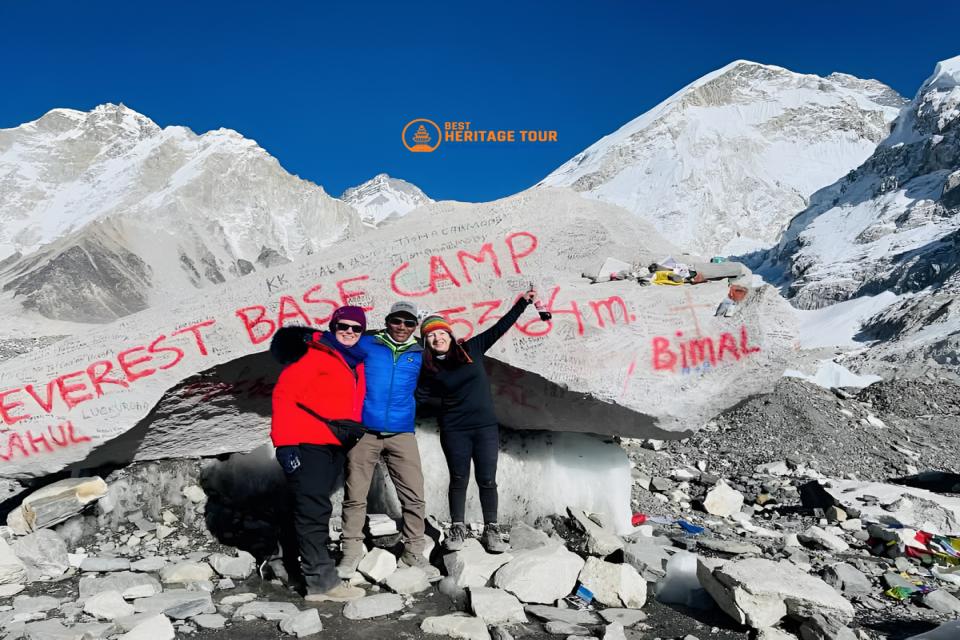
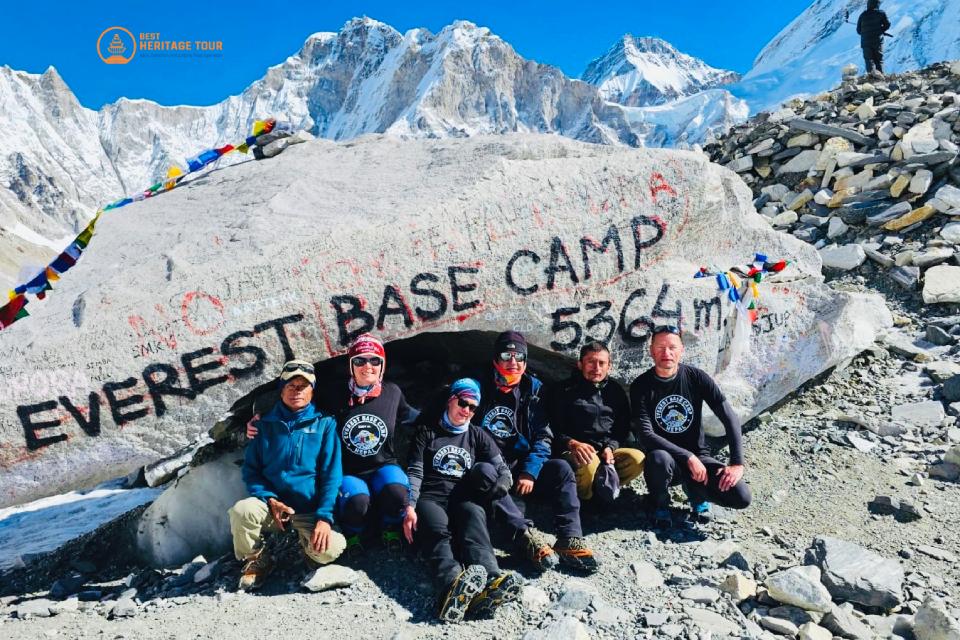
This is it. The longest and most rewarding day of the ascent. You’ll trek 3 hours to Gorak Shep (the final settlement), have a quick lunch, and then continue another 3 hours across the rocky, shifting terrain of the Khumbu Glacier to reach Everest Base Camp. After celebrating your achievement and taking those iconic photos, you’ll trek back to Gorak Shep to sleep. This is the highest and coldest night of the trip.
Phase 2: The Return - Gravity is Your Friend
Many trekkers assume the way down is easy. While your lungs will love the increasing oxygen, your knees will feel the constant descent. Interestingly, you cover more distance per day on the way back.
Day 9: Gorak Shep to Kala Patthar to Pheriche
-
Distance: 13 km (8 miles)
-
Time: 7-8 hours
-
Highest Point: 5,545m (Kala Patthar)
Most trekkers wake up at 4:00 AM to hike to the summit of Kala Patthar. Why? Because you can't actually see the summit of Everest from Base Camp! This 2-3km round trip provides the classic "National Geographic" view of Everest bathed in sunrise gold. Afterward, we descend all the way to Pheriche. You’ll be amazed at how much easier it is to breathe as you drop 1,300 meters in a single day.
Day 10: Pheriche to Namche Bazaar
-
Distance: 15 km (9.3 miles)
-
Time: 6-7 hours
Today, you retrace your steps through Tengboche and back down to the "Sherpa Capital." The air feels thick and rich now, and you’ll find yourself walking much faster than you did on the way up. The promise of a hot shower and a real espresso in Namche is a powerful motivator!
Day 11: Namche Bazaar to Lukla
-
Distance: 19 km (11.8 miles)
-
Time: 7-8 hours
The final "marathon" day. This is the longest distance you’ll cover in a single day. It’s a long, hilly walk back to the Lukla airstrip. Your legs will be tired, but the sense of accomplishment - and the impending celebration with your guides and porters - will carry you through the final few kilometers.
Factors That Influence Your Daily Pace
At Best Heritage Tour, we don't believe in a one-size-fits-all approach. Several variables can change how those 130 kilometers feel:
1. Altitude and Oxygen
At Lukla, the oxygen level is about 70% of what it is at sea level. By the time you reach Everest Base Camp, it drops to about 50%. This means your body has to work twice as hard to perform the same amount of movement. This is why we keep the daily distances short on the way up - to give your heart and lungs a fighting chance.
2. Terrain and Footing
The EBC trail isn't a paved path. It’s a mix of:
-
Stone Stairs: Thousands of them, particularly before Namche and Tengboche.
-
Glacial Moraine: Loose rocks and slippery sand near Gorak Shep.
-
Dust: During the peak seasons (Spring/Autumn), the "Khumbu Cough" can be caused by the fine dust kicked up by yak caravans.
3. Yak and Mule Traffic
The trail is the "highway" of the Khumbu. You will frequently share the path with caravans of yaks and mules carrying supplies. Always stand on the mountain side (inner side) of the trail when they pass to avoid being accidentally bumped off the edge. These pauses add time to your trekking day, but they are part of the cultural charm.
4. Weather Conditions
A sunny day makes for fast walking. A day with unexpected snow or heavy rain (common in the shoulder seasons) can slow you down significantly. Our guides are trained to monitor weather patterns and adjust our departure times to ensure we cover the day's distance safely.
How to Prepare for the EBC Trek?
You don't need to be an Olympic athlete to trek to Everest Base Camp, but you do need stamina. Here is how we recommend our clients prepare:
-
Focus on Time, Not Distance: Don't just run 5km. Instead, try to stay on your feet for 5-6 hours. Go for long weekend hikes with a weighted backpack.
-
Stair Training: If you live in a flat area, find a stadium or a tall building. Climbing up and down stairs is the best simulation for the Khumbu’s "Nepali Flat" terrain.
-
The Mental Game: On Day 7 or 8, when your head is thumping and the wind is howling, it's your mind that will cover the final kilometers. Practice mindfulness and stay positive!
Conclusion
The Everest Base Camp trek distance is more than just a number. It’s a 130-kilometer pilgrimage through the heart of the highest mountains on Earth. It’s about the people you meet in the teahouses, the taste of garlic soup at 4,000 meters, and the silence of the Himalayas at dawn.
When you walk with Best Heritage Tour, we ensure that every one of those 80 miles is filled with stories, safety, and support. You aren't just another hiker on the trail; you are a guest in our home.
Are you ready to take the first step? Whether you’re a solo traveler or looking to join a group, we’re here to make your Everest dream a reality.
Phone / WhatsApp / Viber: +977-9851149197 / +977-9810043046
Email: info@bestheritagetour.com / bestheritagetour@gmail.com
Website: www.bestheritagetour.com
Office: Thamel Marg, Kathmandu, Nepal
Author: Best Heritage Tour
Date: 25th January, 2026