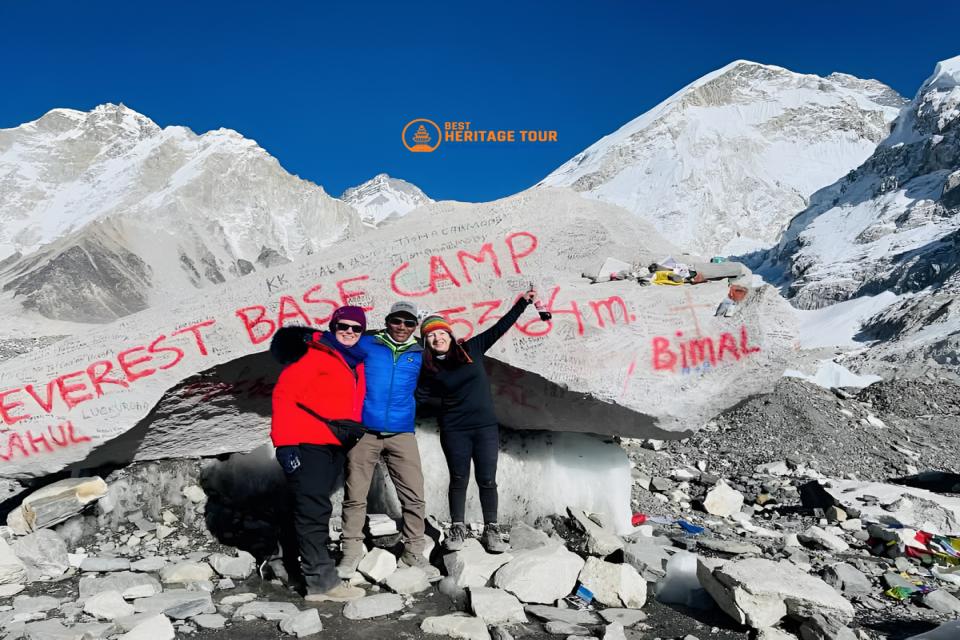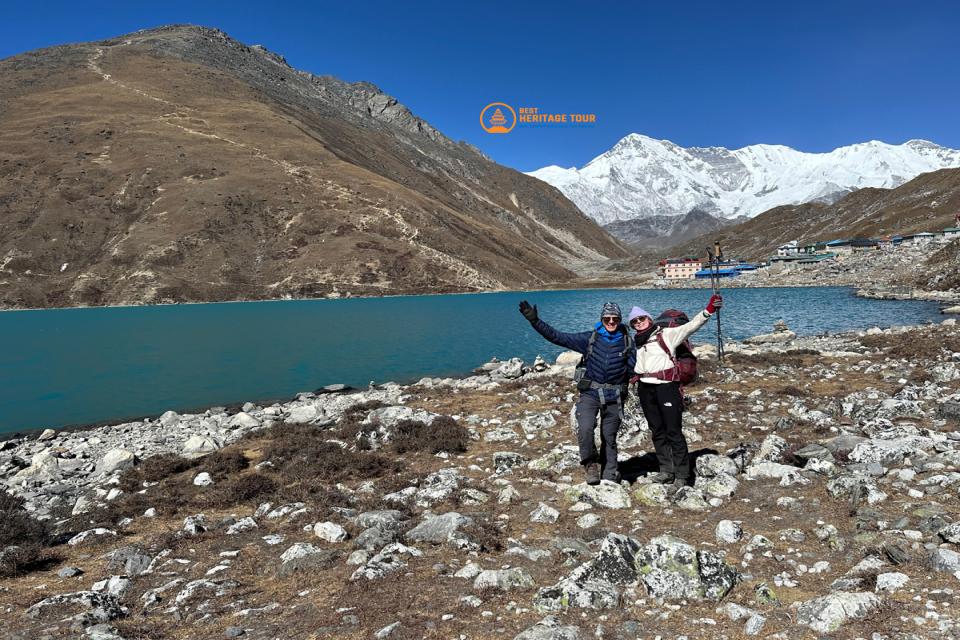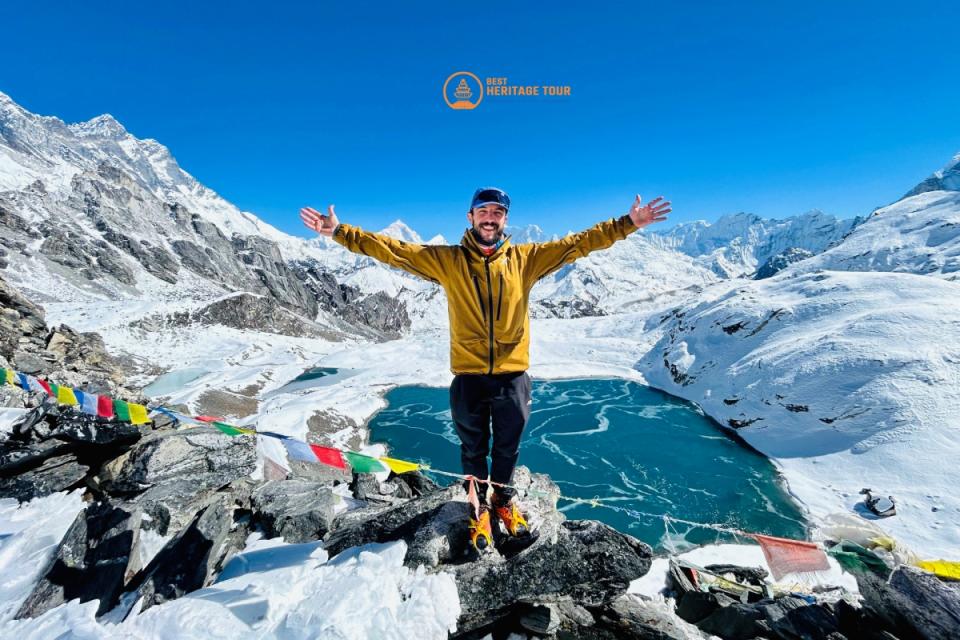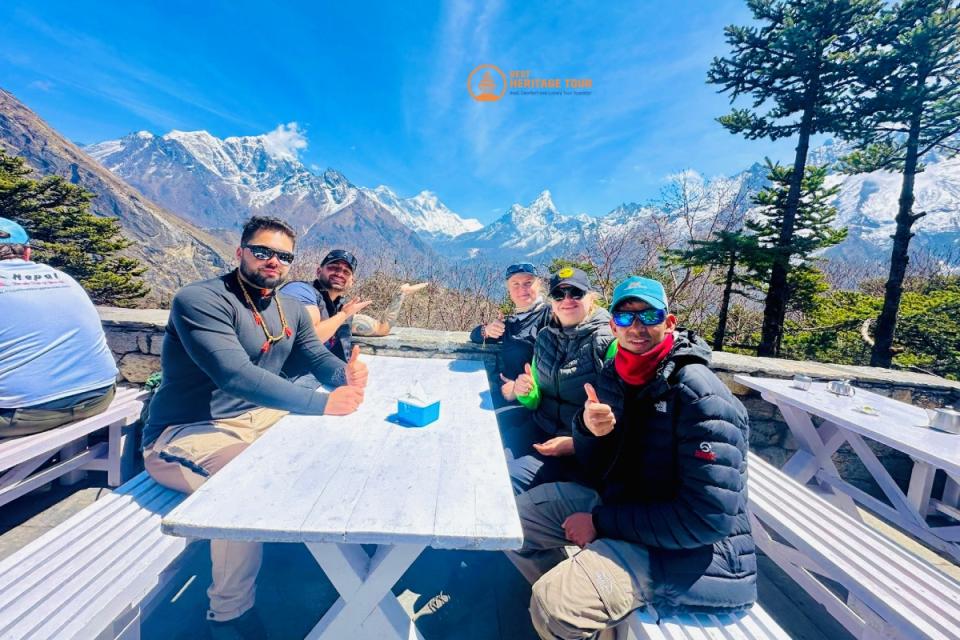
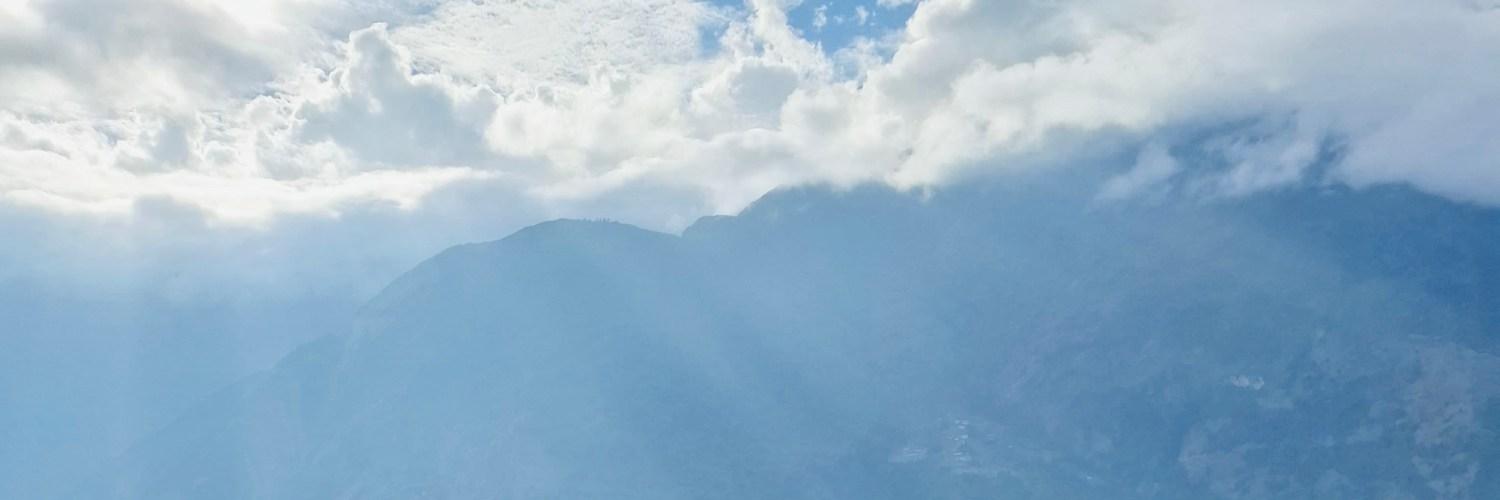
The dream of standing at the foot of the world’s highest peak is a siren call for many adventurers. However, for those living with asthma, that dream often comes with a shadow of doubt. You might find yourself staring at photos of the Khumbu Valley, wondering, "Will my lungs betray me when the air gets thin?"
At Best Heritage Tour, we believe that a medical condition shouldn't automatically disqualify you from the experience of a lifetime. Over the years, we have guided numerous trekkers with various health considerations - including asthma - to the base of Mount Everest.
The short answer is: Yes, in most cases, you can hike to Everest Base Camp with asthma. However, it is not a journey to be taken lightly. It requires meticulous preparation, a deep understanding of your body, and a specialized trekking strategy.
In this comprehensive guide, we’ll break down everything you need to know about navigating the EBC trek with asthma, from the science of high-altitude breathing to the practicalities of managing your inhalers in sub-zero temperatures.
1. The Himalayan Environment: What Your Lungs Are Up Against
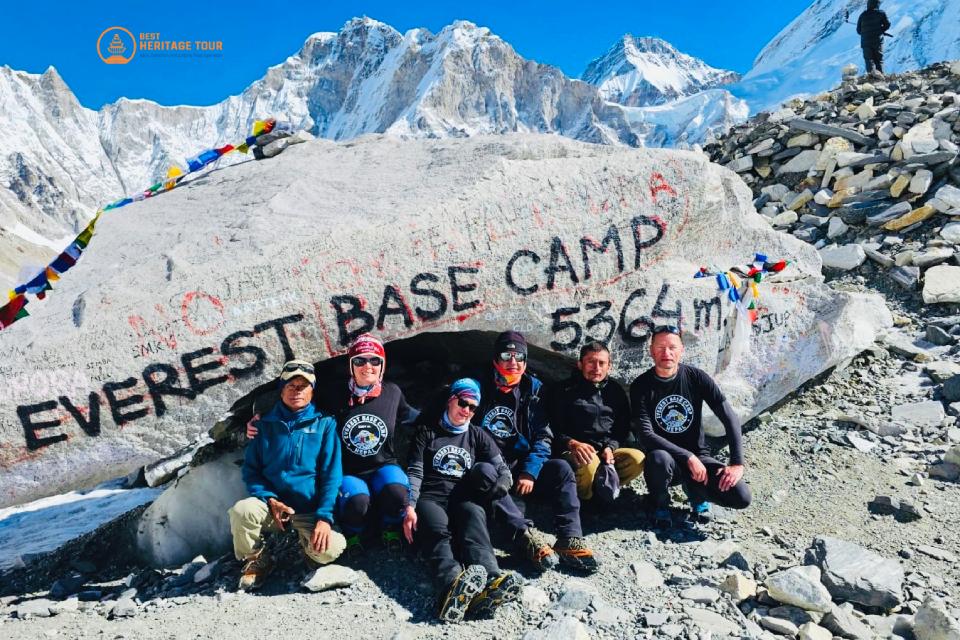
To understand how to manage asthma at 5,364 meters (17,598 feet), we first need to look at the environmental challenges of the Everest region. The Himalayas present a unique "triple threat" to asthmatic lungs:
The Thin Air (Hypoxia)
As you ascend, the atmospheric pressure drops. While the percentage of oxygen in the air remains at 21%, the molecules are more spread out. At Everest Base Camp, you are breathing about 50% less oxygen than you do at sea level. For an asthmatic, whose airways may already be prone to narrowing, this means your respiratory system has to work significantly harder to oxygenate your blood.
Cold and Dry Conditions
Cold air is a notorious trigger for asthma. The air in the Khumbu region is not just cold; it is incredibly dry. When you breathe in cold, dry air, it strips the moisture from your bronchial tubes. This can lead to inflammation and "exercise-induced bronchospasm," causing that familiar tightness in the chest.
Trail Irritants (Dust and "Dzo")
The EBC trail is a dusty one. High-altitude deserts, combined with the movement of yak and dzo (a yak-cow crossbreed) trains, kick up fine particulates. Additionally, many tea houses use dried yak dung for heating, which can create smoky indoor environments - another potential trigger for sensitive lungs.
2. Pre-Trek Preparation: Your Medical Roadmap
Success on Everest starts months before you land at the world’s most dangerous airport in Lukla. If you have asthma, your preparation phase is the most critical part of the journey.
The Pulmonologist Consultation
Your first step is a visit to a specialist. This isn't just a "check-up"; it’s a strategy session. You should undergo a spirometry test or a lung function test to establish your baseline.
-
Discuss your triggers: Is your asthma triggered by cold, dust, or physical exertion?
-
Review your meds: Your doctor may adjust your "preventer" inhaler dosage or prescribe a stronger corticosteroid for the duration of the trek.
The "Stress Test" Simulation
Don't let the Himalayas be the first time you push your lungs. Engage in cardiovascular training - hiking, swimming, or cycling - while monitoring your breathing. If you can handle a steep, 6-hour hike at lower altitudes without a flare-up, you are building the "respiratory stamina" needed for Nepal.
Understanding Your Asthma Type
-
Allergic Asthma: Focus on managing triggers like dust and smoke.
-
Exercise-Induced Asthma: Focus on pacing and "warm-up" breathing techniques.
Knowing your specific type allows Best Heritage Tour to tailor your trekking pace accordingly.
3. Gear and Medication: The Asthmatic’s Toolkit
When you are three days’ walk from the nearest hospital, your gear isn't just equipment - it's your life-support system.
The "Double Inhaler" Rule
Never carry just one inhaler. Always have at least two "rescue" inhalers (e.g., Albuterol/Salbutamol) and two "preventer" inhalers.
-
Storage Tip: Keep one set in your daypack and one in your main duffel bag. Crucially, keep your rescue inhaler in an inside pocket close to your body. Cold temperatures can reduce the pressure in the canister, making the puff less effective.
Use a Spacer
At high altitudes, coordination can become difficult due to fatigue or mild hypoxia. A spacer ensures that the medication actually reaches your lungs rather than just hitting the back of your throat.
The Buff or Heat-Exchange Mask
This is a game-changer for asthmatics. Wearing a wool or silk "Buff" over your mouth and nose serves two purposes:
-
Moisture Retention: It catches the moisture in your breath, humidifying the air before you re-inhale it.
-
Warmth: It takes the "sting" out of the icy mountain air.
Peak Flow Meter
Carry a portable peak flow meter. By checking your lung function every morning and evening, you can catch a decline in your breathing before you feel the physical symptoms of an attack.
4. On the Trail: The "Bistari, Bistari" Philosophy
In Nepal, the phrase "Bistari, Bistari" means "Slowly, slowly." For an asthmatic trekker, this is the golden rule.
Pacing and Heart Rate Management
The goal isn't to be the first one to the tea house; the goal is to get there with "quiet" lungs.
-
The Talk Test: You should always be able to maintain a conversation while walking. If you’re gasping for air, you’re moving too fast.
-
Controlled Breathing: Focus on deep, rhythmic belly breathing. Avoid the shallow "chest panting" that often accompanies anxiety or overexertion.
Hydration and Mucus Management
Dehydration thickens the mucus in your airways, making it harder to breathe and increasing the risk of infection. Aim for 4-5 liters of water per day. We recommend adding electrolytes to help your body retain the fluid.
Identifying the "Khumbu Cough"
Almost every trekker develops a dry, hacking cough in the Everest region - this is known as the "Khumbu Cough." For asthmatics, this can be confusing. Is it altitude, or is it an asthma flare-up?
-
Asthma: Usually involves wheezing and chest tightness.
-
Khumbu Cough: Usually a dry, tickling sensation in the throat.
Always treat any respiratory distress as asthma first, using your rescue inhaler as directed by your doctor.
5. Altitude Sickness (AMS) vs. Asthma
One of the biggest challenges on the EBC trek is distinguishing between Acute Mountain Sickness (AMS) and an Asthma Attack. Both can cause shortness of breath.
|
Feature |
Asthma Flare-up |
Altitude Sickness (AMS) |
|---|---|---|
|
Primary Symptom |
Wheezing and chest tightness |
Headache and nausea |
|
Relief |
Improved by bronchodilator (inhaler) |
Improved by descent or rest |
|
Onset |
Often sudden or after exertion |
Usually gradual after gain in altitude |
|
O2 Saturation |
May stay relatively normal initially |
Usually drops significantly |
At Best Heritage Tour, our guides are trained to monitor your oxygen saturation levels using pulse oximeters. If your oxygen levels are low and your inhaler isn't providing relief, we prioritize safety and begin descent protocols immediately.
6. Staying Healthy in Tea Houses
The hike is only half the battle; the "rest" periods are equally important.
-
Avoid the Stove: The communal area of a tea house revolves around a central stove. While warm, the smoke can be a major asthma trigger. Try to sit a few feet away from the heat source.
-
Dust-Proof Your Bedding: Himalayan tea houses provide blankets, but these can be dust magnets. Always use your own high-quality sleeping bag and consider a silk liner to create a barrier between you and any allergens.
-
Steam Inhalation: Before bed, breathing in the steam from a bowl of hot water (be careful!) can help soothe irritated airways and clear out dust.
7. Why Choose Best Heritage Tour for Your Trek?
When you have a respiratory condition, the company you choose matters. You aren't just looking for a guide; you’re looking for a partner in safety.
-
Experienced Guides: Our guides understand the nuances of respiratory health. They know when to push and, more importantly, when to tell you to stop.
-
Safety Equipment: We carry supplemental oxygen and comprehensive first-aid kits on every EBC trek.
-
Personalized Itineraries: We can add "acclimatization days" to your trek, giving your lungs more time to adapt to the changing air pressure.
-
Evacuation Readiness: In the unlikely event of a severe attack, we have 24/7 communication lines to coordinate helicopter evacuations.
Conclusion: Don't Let Asthma Ground Your Dreams
Asthma is a hurdle, but it is not a wall. With the right medical advice, a disciplined preparation phase, and a supportive trekking team, the Khumbu Valley is well within your reach. The air may be thin, but the sense of accomplishment at the top is incredibly "thick."
You deserve to see the sunrise hit the peak of Nuptse and to feel the crunch of the Khumbu Glacier under your boots. Don't let your inhaler be a reminder of what you can't do - let it be the tool that allows you to do everything.
Are you ready to start your Himalayan journey?
Best Heritage Tour specializes in making the impossible possible. Contact us today for a free consultation. Let's discuss your health needs, review your fitness level, and craft a customized Everest Base Camp itinerary that keeps your safety - and your lungs - as our top priority.
Phone / WhatsApp / Viber: +977-9851149197 / +977-9810043046
Email: info@bestheritagetour.com / bestheritagetour@gmail.com
Website: www.bestheritagetour.com
Office: Thamel Marg, Kathmandu, Nepal
Author: Best Heriage Tour
Date: 30th January, 2026