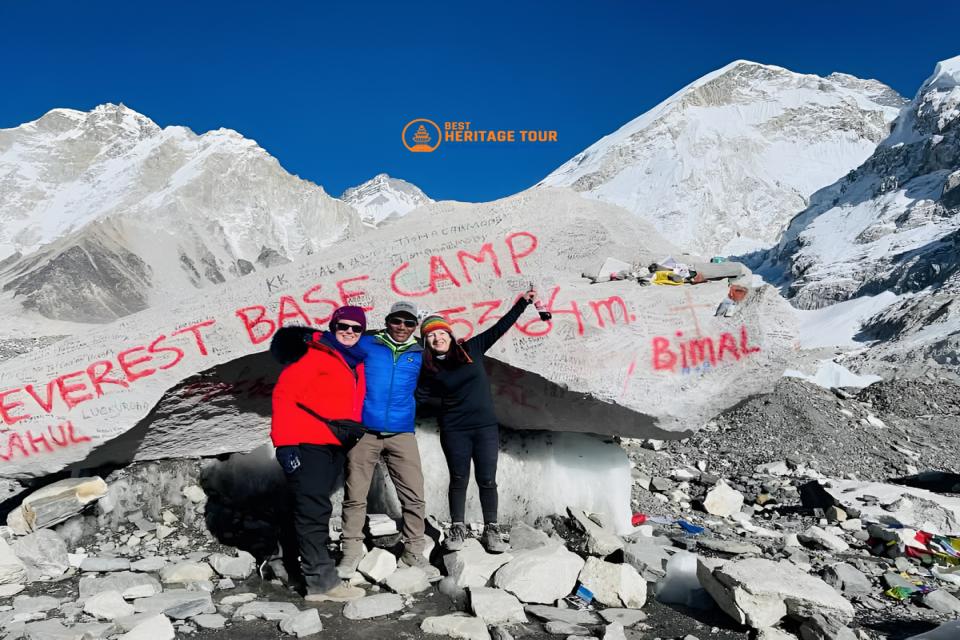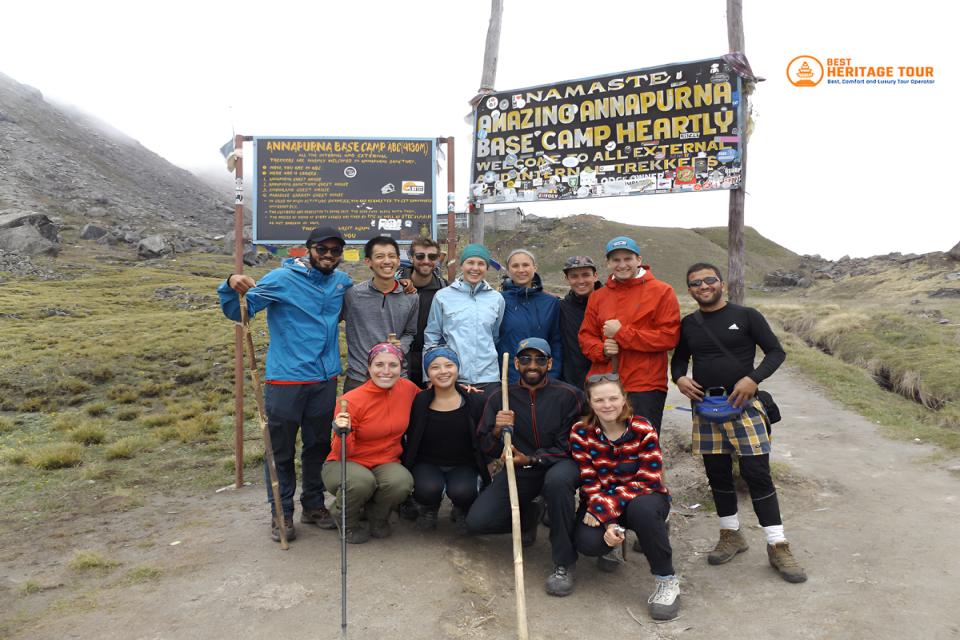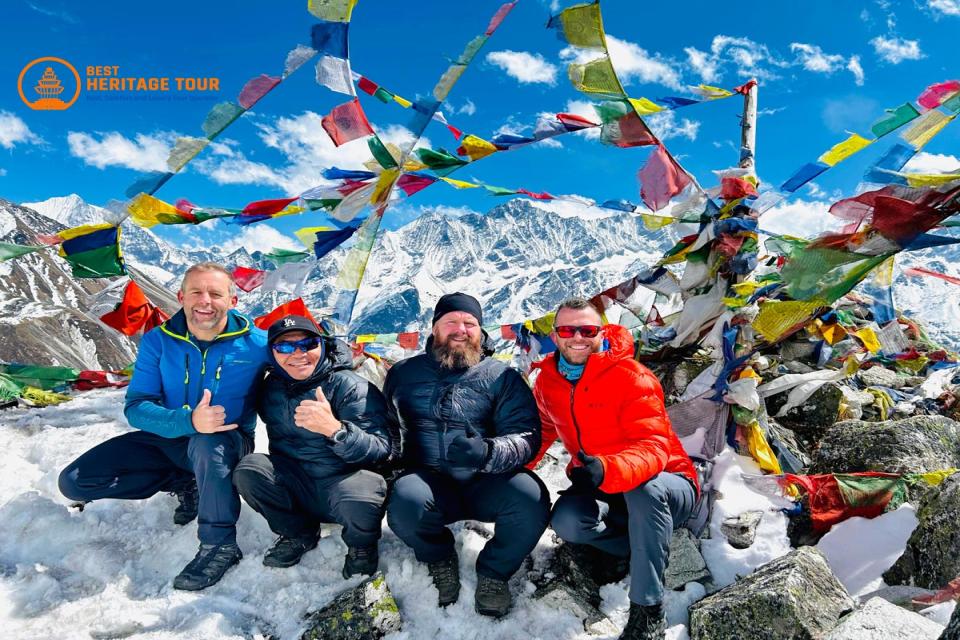
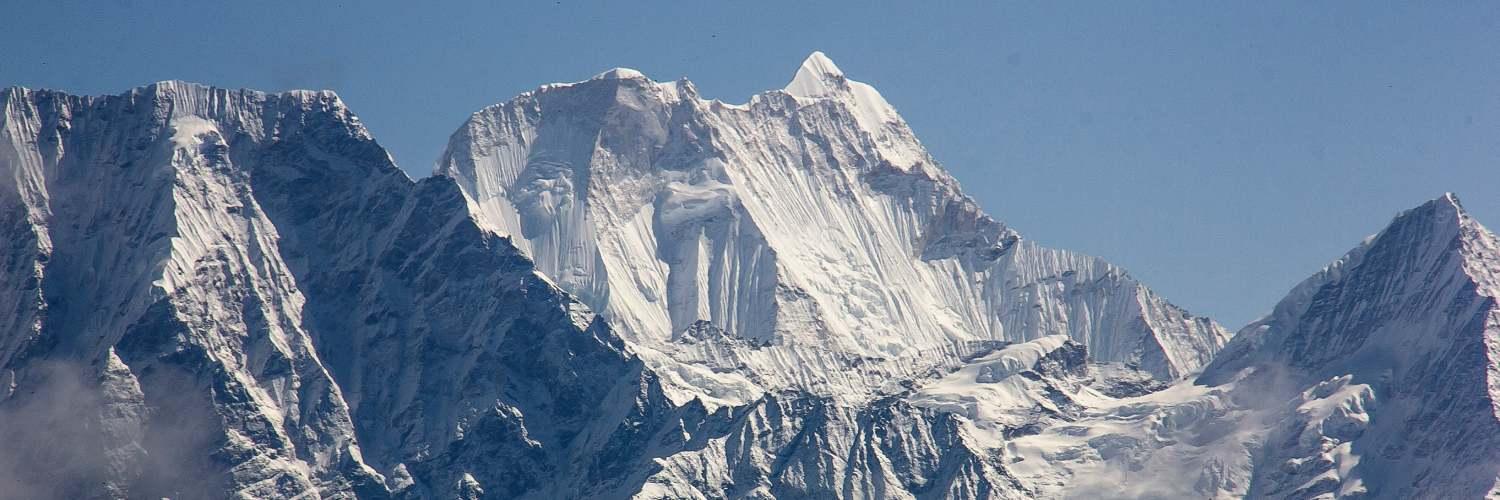
At Best Heritage Tour, we believe that the majesty of the Himalayas should be experienced with awe, not through the haze of a headache. Whether you are aiming for the iconic Everest Base Camp, crossing the high Thorong La Pass, or exploring the rugged Manaslu Circuit, the sheer elevation is as much a part of the journey as the breathtaking views.
However, trekking in Nepal isn't just a physical challenge; it’s a biological one. As you ascend, the air thins, and your body must work harder to capture the oxygen it needs. This process - acclimatization is the key to a successful trek. Understanding and preventing Altitude Sickness, also known as Acute Mountain Sickness (AMS), is the single most important skill any Himalayan adventurer can possess.
In this comprehensive guide, we share our decades of expertise to ensure your journey through Nepal’s heritage trails is safe, enjoyable, and, most importantly, healthy.
What Exactly is Altitude Sickness?
Altitude sickness occurs when your body cannot adapt quickly enough to the lower air pressure and reduced oxygen levels found at high altitudes. While the percentage of oxygen in the air remains constant (around 21%), the air pressure drops as you climb. This means that with every breath you take, there are fewer oxygen molecules entering your lungs.
Typically, symptoms begin to appear once you cross the 2,500-meter (8,200 feet) mark. In Nepal, where many treks start or stay well above this height, being prepared is not optional - it’s essential.
The Three Faces of Altitude Sickness
Not all altitude-related issues are the same. Recognizing which "version" you or your trekking partner might be experiencing can save lives.
-
Acute Mountain Sickness (AMS): The most common form. It feels like a bad hangover - headache, fatigue, and nausea.
-
High Altitude Pulmonary Edema (HAPE): A more severe condition where fluid builds up in the lungs. It causes extreme shortness of breath even while resting.
-
High Altitude Cerebral Edema (HACE): The most dangerous form, where fluid accumulates in the brain. This leads to confusion, loss of coordination (ataxia), and altered consciousness.
10 Expert Tips to Prevent Altitude Sickness in Nepal
Drawing from the experience of our veteran guides at Best Heritage Tour, here are the golden rules for staying healthy in the "Abode of Clouds."
1. The Golden Rule: Ascend Slowly
The most common mistake trekkers make is rushing. Your body is a remarkable machine, but it needs time to recalibrate.
-
The 300-500 Meter Rule: Once you are above 3,000 meters, try not to increase your sleeping altitude by more than 300 to 500 meters per day.
-
Take Your Time: Enjoy the scenery. If you arrive at your teahouse feeling energetic and ahead of schedule, you’ve paced yourself perfectly.
2. Embrace the "Climb High, Sleep Low" Strategy
This is a classic mountaineering principle. During your acclimatization days (rest days), we often take our guests on a short afternoon hike to a higher point - perhaps a nearby ridge or viewpoint - before returning to the lower village to sleep. This exposes your body to thinner air, "triggering" it to produce more red blood cells, while allowing it to recover in a more oxygen-rich environment at night.
3. Hydration is Your Best Friend
The dry mountain air and increased breathing rate cause you to lose fluids much faster than at sea level. Dehydration mimics and worsens AMS symptoms.
-
Target: Aim for 3 to 4 liters of fluid daily.
-
Variety: It doesn't have to be just plain water. In Nepal, we swear by Hot Ginger Tea and Garlic Soup. Local wisdom suggests garlic helps with blood circulation, and science tends to agree!
4. Fuel Your Body with Carbohydrates
At high altitudes, your body actually prefers carbohydrates. Why? Because carbs require less oxygen to metabolize than fats or proteins. This is why the legendary Dal Bhat (lentils and rice) is the ultimate trekking fuel. It provides a slow-release energy source that keeps you going through the steepest inclines.
5. Say "No" to Alcohol and Tobacco
While a celebratory beer at the end of the trek is a tradition, drinking during the ascent is a recipe for disaster. Alcohol is a respiratory depressant and a diuretic; it slows your breathing and dehydrates you - two things you absolutely want to avoid when oxygen is scarce.
6. Listen to Your Body (and Your Guide)
A mild headache at 4,000 meters is common, but it shouldn't be ignored. If a headache persists after taking paracetamol and hydrating, it’s a signal to stop.
Our Policy: At Best Heritage Tour, our guides are trained to monitor your oxygen saturation levels and pulse regularly. Never hide your symptoms to "keep up" with the group. There is no shame in a rest day.
7. Consider Medication (Diamox)
Acetazolamide (Diamox) is a common medication used to speed up the acclimatization process. It works by making your blood more acidic, which stimulates you to breathe deeper and more frequently.
-
Note: Always consult your doctor before starting Diamox, as it is a sulfonamide and can have side effects like tingling in the fingers or frequent urination.
8. Avoid Sleeping Pills
If you’re having trouble sleeping (a common symptom of altitude), avoid taking sedative sleeping pills. Like alcohol, they can depress your breathing while you sleep, making your oxygen levels drop even further.
9. Physical Conditioning Before You Land
While fitness doesn't technically prevent AMS (even marathon runners can get sick), being in good cardiovascular shape means your heart and lungs are already efficient. Start a regimen of hiking, swimming, or cycling at least two months before your trip to Nepal.
10. Know When to Descend
The mountain will always be there. If symptoms of AMS move from "mild" to "moderate" (vomiting, persistent headache, or staggering), the only cure is immediate descent. Often, dropping just 500 meters is enough to see a dramatic improvement in health.
High-Risk Zones: Altitude Stats for Popular Treks
Knowing the peak elevations of your chosen trek helps you prepare mentally for the challenge.
|
Trekking Region |
Key High Point |
Elevation (m) |
Elevation (ft) |
|---|---|---|---|
|
Everest Region |
Kala Patthar |
5,545m |
18,192 ft |
|
Annapurna Circuit |
Thorong La Pass |
5,416m |
17,769 ft |
|
Manaslu Circuit |
Larkya La Pass |
5,106m |
16,752 ft |
|
Langtang Valley |
Tserko Ri |
4,984m |
16,352 ft |
|
Upper Mustang |
Lo La Pass |
3,950m |
12,959 ft |
Conclusion
Altitude sickness is a serious consideration, but it shouldn't be a source of fear. With a slow pace, proper hydration, and a respect for the mountains, you can safely navigate the highest passes in the world. Nepal’s heritage is calling - let's make sure you’re healthy enough to hear it.
Ready to start your Himalayan journey?
Phone / WhatsApp / Viber: +977-9851149197 / +977-9810043046
Email: info@bestheritagetour.com / bestheritagetour@gmail.com
Website: www.bestheritagetour.com
Office: Thamel Marg, Kathmandu, Nepal
Author: Best Heritage Tour
Date: 23rd January, 2026