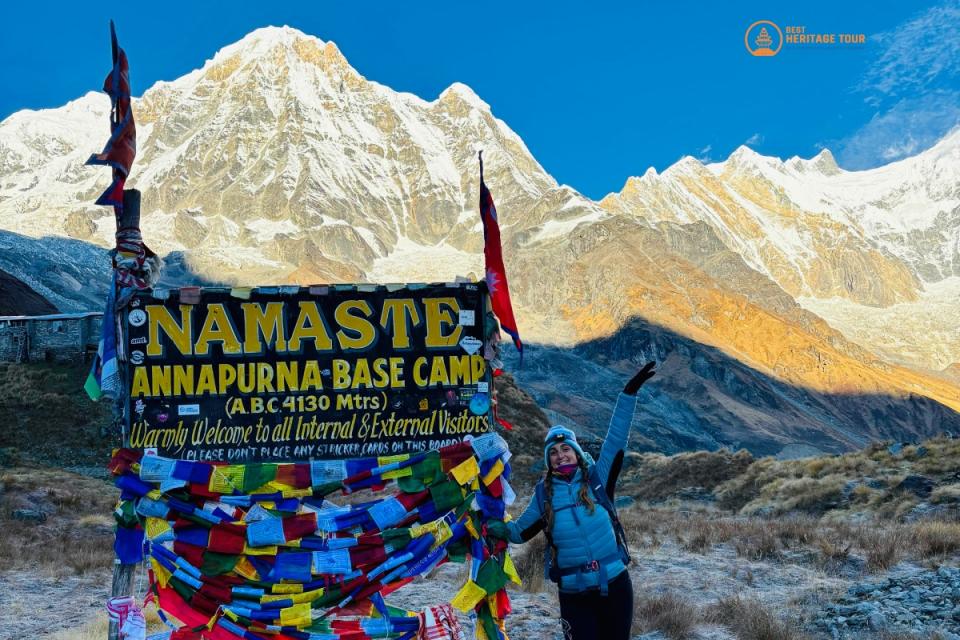
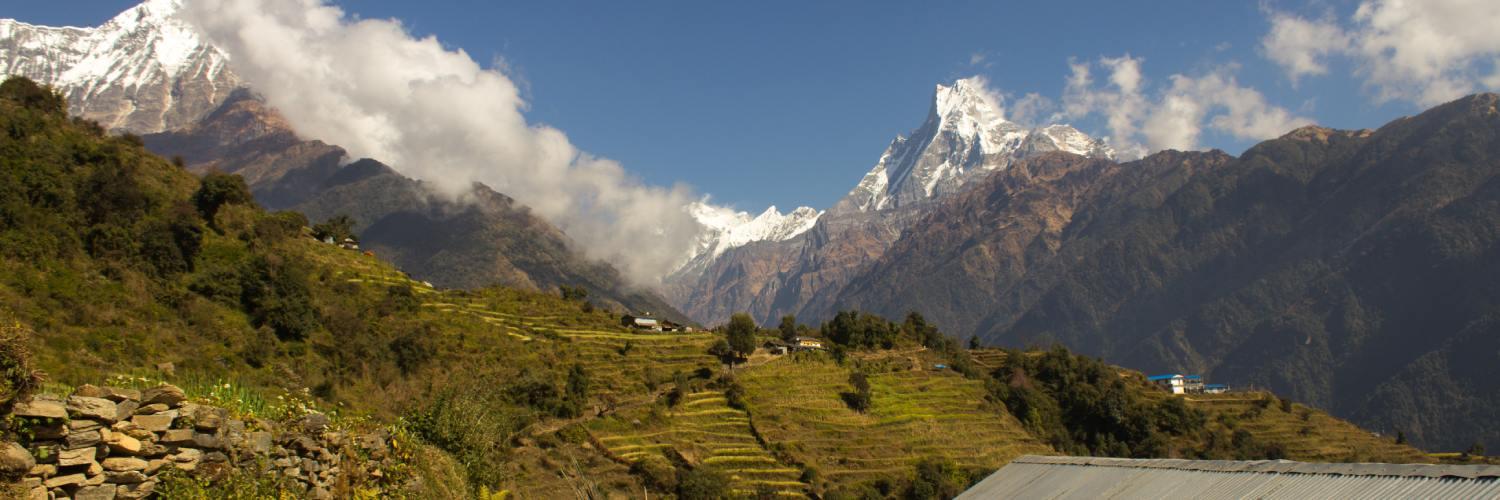
So, you’ve set your sights on the Annapurna Base Camp (ABC) trek. You’ve seen the photos - the jagged, snow-dusted peaks of the Annapurna Massif, the ethereal glow of sunrise over Machhapuchhre (Fishtail), and the colorful prayer flags fluttering in the mountain breeze. It’s the kind of journey that stays with you long after the dust has been washed off your hiking boots.
But as any seasoned trekker at Best Heritage Tour will tell you, a successful Himalayan adventure isn't just about the views; it’s about understanding the terrain. Specifically, it’s about understanding Annapurna Base Camp elevation and altitude.
In this guide, we’re going to break down everything you need to know about the "ups and downs" of this iconic trail. From daily altitude gain to preventing altitude sickness, consider this your roadmap to reaching 4,130 meters with a smile on your face.
Why Altitude Matters on the ABC Trek?
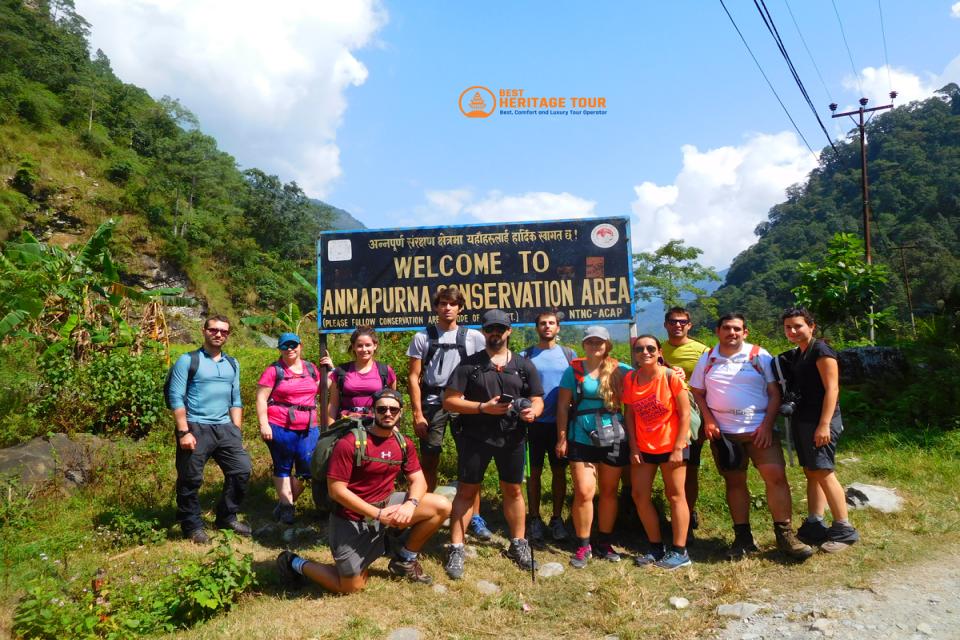
The Annapurna Base Camp trek is unique. Unlike the Everest Base Camp trek, which starts at a high-altitude airstrip in Lukla 2,860m, the ABC trek begins in the lush, sub-tropical foothills. You’ll start your walk amidst terraced rice fields and rhododendron forests before emerging into a high-alpine glacial sanctuary.
Understanding the elevation profile is crucial for three reasons:
-
Physical Preparation: Knowing how many "Nepali flats" (uphill and downhill) to expect helps you train your legs.
-
Packing Strategy: Temperatures vary wildly between 1,000m and 4,000m.
-
Safety: Higher altitude means thinner air. Proper acclimatization is the difference between a "trip of a lifetime" and an early flight home.
Annapurna Base Camp Trek Elevation: The Quick Facts
Before we dive into the daily breakdown, here are the "need-to-know" numbers for your trek:
-
Starting Point: Nayapul (1,070m) or Siwai (1,610m)
-
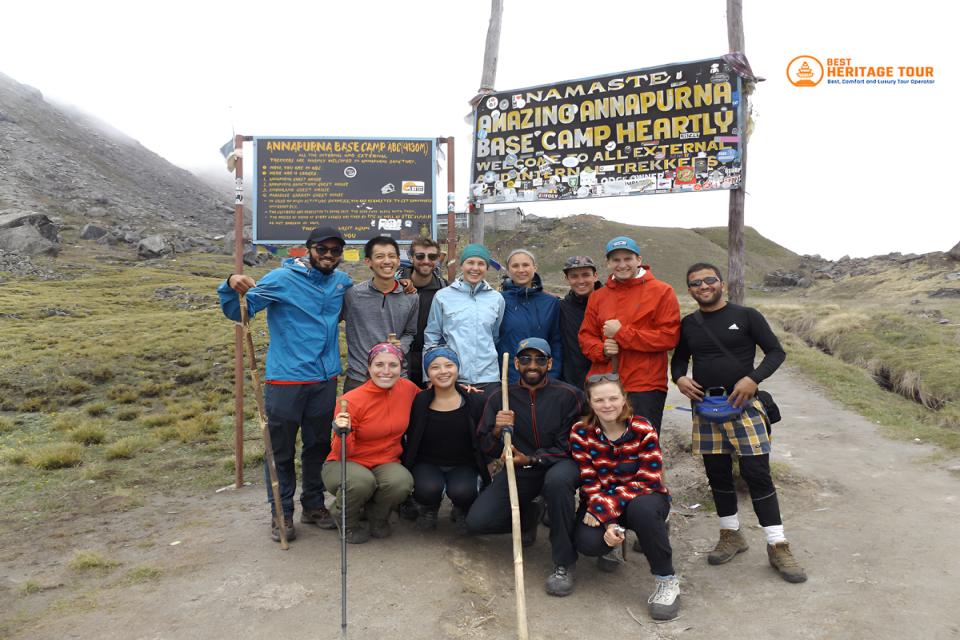
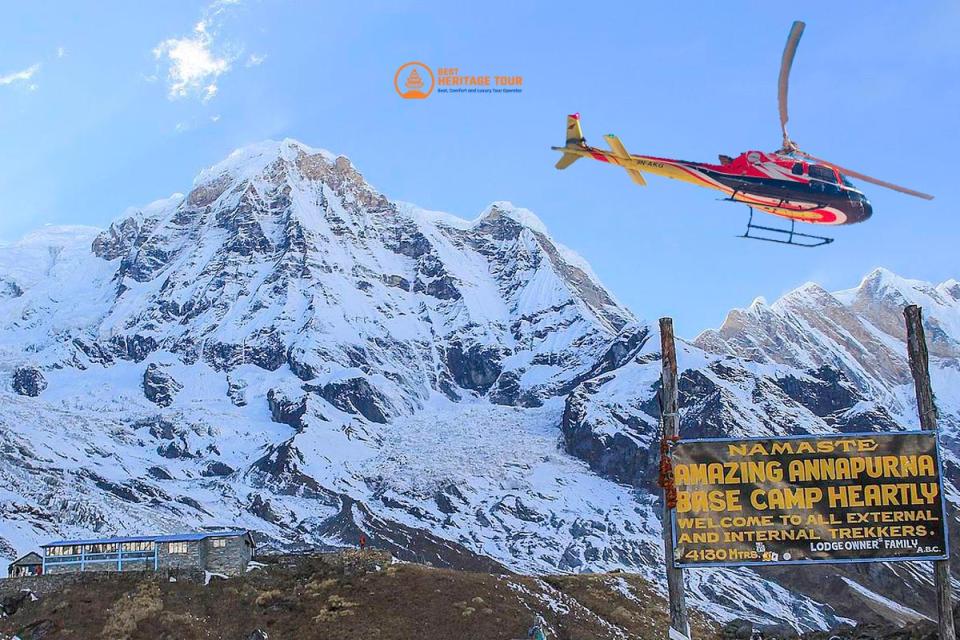
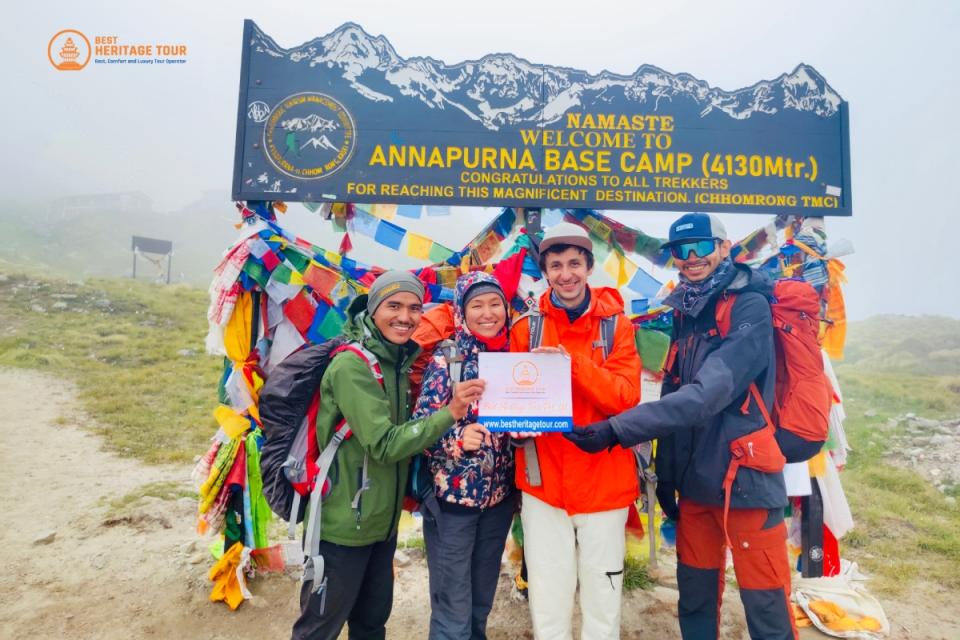
Maximum Elevation: Annapurna Base Camp (4,130m / 13,550 ft)
-
Total Elevation Gain: Approximately 3,060 meters from the trailhead.
-
Difficulty: Moderate (No technical climbing, but plenty of stone steps!)
-
Best Time to Visit: March to May (Spring) and September to November (Autumn).
Detailed Day-by-Day Elevation Profile
While there are several routes to ABC (including the popular detour through Poon Hill), here is the elevation profile for the classic 10 to 12-day sanctuary route.
Phase 1: The Foothills (Low Altitude)
Day 1 & 2: Pokhara to Ulleri (2,020m)
Your journey begins in Pokhara (822m), a beautiful lakeside city. After a short drive to the trailhead at Nayapul, you’ll begin a gradual climb. The real challenge starts with the infamous "3,300 stone steps" to Ulleri. At this stage, you are still below the "altitude zone," so focus on finding your rhythm.
Day 3: Ulleri to Ghorepani (2,860m)
You’ll hike through ancient rhododendron forests. The air is crisp, and you’ll cross the 2,500m mark - the point where your body begins to notice the change in oxygen levels. Ghorepani is a major hub with stunning views of the Dhaulagiri range.
Phase 2: The Acclimatization Detour
Day 4: Ghorepani to Poon Hill (3,210m) and Tadapani (2,630m)
Many trekkers include a sunrise hike to Poon Hill. Standing at 3,210m, this is your first "high-altitude" test. It’s a great example of the "Climb High, Sleep Low" rule. By hiking up to Poon Hill and then descending to Tadapani for the night, you’re training your lungs to handle thinner air.
Phase 3: Entering the Sanctuary
Day 5 & 6: Tadapani to Chhomrong (2,170m) and Bamboo (2,310m)
The trail to Chhomrong involves a significant descent followed by a steep climb. This "rollercoaster" terrain is classic Nepal. Chhomrong is the last major village before you enter the deep valley leading to the base camp.
Day 7: Bamboo to Deurali (3,230m)
Now, things get serious. You’ll pass through Dovan and Himalaya Hotel, entering the alpine zone. Trees start to thin out, replaced by shrubs and rocky cliffs. You are now well above the 3,000m threshold where Acute Mountain Sickness (AMS) becomes a real possibility.
Phase 4: The Final Push
Day 8: Deurali to Machhapuchhre Base Camp (MBC) (3,700m)
The walk from Deurali to MBC is spectacular but requires a slow pace. You’ll be walking alongside the Modi Khola river, surrounded by towering peaks. At 3,700m, the air has about 35% less oxygen than at sea level.
Day 9: MBC to Annapurna Base Camp (4,130m)
This is the moment you’ve been waiting for. The hike from MBC to ABC is a steady, 2-hour incline. Because you’re already high, every step feels heavier. However, as the "Sanctuary" opens up, you’ll be surrounded by a 360 degree panorama of 7,000 and 8,000-meter giants. You’ve made it!
Annapurna Base Camp Elevation Chart (At-a-Glance)
|
Landmark |
Elevation (Meters) |
Elevation (Feet) |
Experience Level |
|---|---|---|---|
|
Pokhara |
822m |
2,700 ft |
City / Relaxing |
|
Nayapul (Trailhead) |
1,070m |
3,510 ft |
Tropical / Warm |
|
Ghorepani |
2,860m |
9,383 ft |
Forest / Chilly |
|
Poon Hill |
3,210m |
10,531 ft |
High Point / View |
|
Chhomrong |
2,170m |
7,120 ft |
Cultural Hub |
|
Deurali |
3,230m |
10,597 ft |
Alpine / Cold |
|
Machhapuchhre Base Camp |
3,700m |
12,139 ft |
High Altitude |
|
Annapurna Base Camp |
4,130m |
13,550 ft |
Final Destination |
Understanding Altitude Sickness (AMS) on the ABC Trek
At Best Heritage Tour, your safety is our top priority. While the Annapurna Base Camp elevation (4,130m) is lower than Everest Base Camp (5,364m), altitude sickness is still a risk that must be taken seriously.
Common Symptoms to Watch For:
-
A persistent, throbbing headache.
-
Loss of appetite or feeling nauseous.
-
Dizziness or lightheadedness.
-
Difficulty sleeping or feeling unusually tired.
-
Shortness of breath even when resting.
Our Expert Tips for Prevention:
-
Hydrate, Hydrate, Hydrate: Drink at least 3-4 liters of water per day. Altitude dehydrates you faster than you realize.
-
The "Slowly, Slowly" Rule: In Nepal, we say "Bistari, Bistari." Rushing is the fastest way to get sick. Walk at a pace where you can still hold a conversation.
-
Avoid Alcohol and Tobacco: These substances dehydrate you and can mask the symptoms of AMS. Save the celebration beer for when you're back in Pokhara!
-
Eat Your Carbs: Your body burns more calories at high altitudes. Garlic soup is a local Himalayan "superfood" believed to help with acclimatization.
-
Listen to Your Guide: Our guides are trained to spot the early signs of altitude sickness. If they suggest staying an extra night or descending, trust their expertise.
Packing for Different Elevations
When you’re trekking from 1,000m to 4,000m, you’re essentially traveling through four different climate zones. Layering is your best friend.
-
Low Altitudes (1,000m - 2,000m): Lightweight, moisture-wicking T-shirts and trekking shorts. The sun is strong here, so a sun hat and sunscreen are a must.
-
Mid Altitudes (2,000m - 3,000m): Long-sleeve base layers and trekking pants. A light fleece or windbreaker is useful for the chilly mornings.
-
High Altitudes (3,000m - 4,130m): This is where you need your heavy-duty gear. A high-quality down jacket, thermal underwear, woolen hat, and insulated gloves are essential. Even in spring, temperatures at ABC can drop below freezing at night.
Training for the Annapurna Base Camp Elevation
You don't need to be an Olympic athlete to reach ABC, but you do need "mountain legs." Since the trek features thousands of stone stairs, your training should focus on:
-
Cardio: Hiking, running, or cycling to improve your lung capacity.
-
Strength: Squats and lunges to prepare your quads for the descents.
-
Stair Climbing: If you live in a city, spend time on a StairMaster or find a tall building with stairs. Trust us, your knees will thank you later!
Conclusion
Reaching Annapurna Base Camp is more than just a box to tick on a bucket list. It’s a journey through the heart of the Himalayas, where every meter of elevation gained reveals a new layer of beauty. From the warm hospitality of the Gurung villages to the silent, frozen majesty of the sanctuary, the ABC trek is a masterclass in nature’s grandeur.
By understanding the elevation profile and respecting the altitude, you ensure that your trek is safe, enjoyable, and deeply rewarding.
Are you ready to stand in the shadow of the giants?
At Best Heritage Tour, we specialize in creating personalized trekking experiences that prioritize your comfort and safety. Whether you’re a solo traveler or a group of friends, we’ll handle the logistics so you can focus on the journey.
Let’s start planning your Himalayan story today!
Phone / WhatsApp / Viber: +977-9851149197 / +977-9810043046
Email: info@bestheritagetour.com / bestheritagetour@gmail.com
Website: www.bestheritagetour.com
Office: Thamel Marg, Kathmandu, Nepal
Author: Best Heritage Tour
Date: 23rd January, 2026