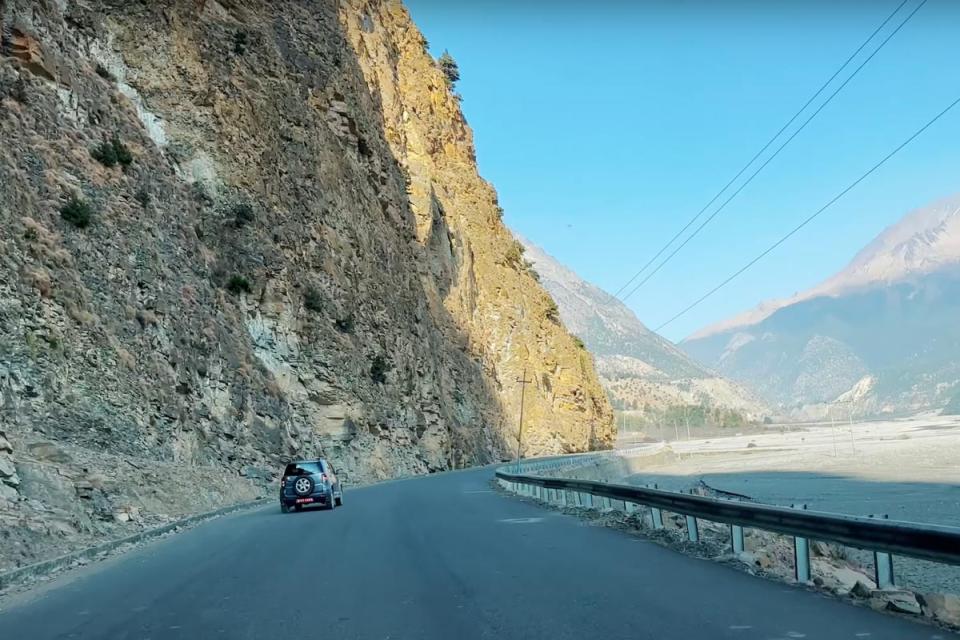
Imagine standing at 3,800 meters, surrounded by towering red cliffs and ancient Buddhist monasteries. The air is thin, the sun is sharp, and suddenly, the silence of the high desert is shattered by the rhythmic pounding of hooves. This is Yartung.
For the people of Mustang, Yartung is not just a festival; it is a pulse. It is a vibrant, dusty, and soulful celebration that marks the transition of seasons and the strength of a mountain community.
What is the Yartung Festival?
To understand all about Yartung Festival, you first have to understand the name. In the local Tibetan-influenced dialect, "Yar" means summer and "Tung" means the end. Essentially, Yartung is the "Farewell to Summer."
Historically, it was the time when the local people - the Lobas - finished their grueling harvest season. Before the harsh Himalayan winter sets in, the community gathers to celebrate their hard work, offer prayers to Buddha for a prosperous year, and showcase the most important asset of their culture: the horse.
Why Horses?
In the rugged terrain of Upper Mustang, horses have traditionally been the lifeblood of transportation, trade, and survival. Yartung is a tribute to this bond. It is a display of "Man and Horse" in their purest form - showing off speed, agility, and a touch of daring bravado.
Yartung Festival Date 2026: Mark Your Calendars
Timing is everything when planning a trip to the trans-Himalayan region. The festival is traditionally celebrated on the full moon day of August (Janai Purnima).
Yartung Festival Date 2026: The main festivities are scheduled to take place from August 17th to August 19th, 2026.
While these are the core dates, the atmosphere in Lo Manthang and Muktinath begins to build days in advance. If you are planning to witness this, I recommend arriving in the region at least 2-3 days early to acclimatize and soak in the pre-festival buzz.
The Three Days of Celebration: What to Expect
The Yartung Festival in 2026 is typically a three-day affair, with each day carrying a specific significance and a different set of protagonists.
Day 1: The Day of the King (Lo-Gyelpo)
The first day is dedicated to the local "King" or the leadership of Lo Manthang. It begins with a solemn religious ceremony led by the senior lamas of the monasteries. You will see a grand procession where the local leaders, dressed in exquisite traditional silks and turquoise jewelry, lead the way.
The highlight? The first round of horse races. The riders, often the village's elite and the most skilled horsemen, compete on a flat stretch of land just outside the walled city.
Day 2: The Day of the Monks
The second day shifts focus to the spiritual heart of Mustang. The monks from the local Gompas (monasteries) take center stage. While you might think of monks as quiet and meditative, during Yartung, they are full of energy!
They perform rituals to ward off evil spirits and bring peace to the valley. Interestingly, even the monks participate in their own version of the festivities, emphasizing that in Mustang, spirituality and community joy are one and the same.
Day 3: The Day of the People (The Commoners)
This is arguably the most energetic day. It’s when the general public - men and women from all over the surrounding 19 villages - join the races. The competition becomes fierce. You’ll see riders performing death-defying stunts:
-
Khata Picking: Riders gallop at full speed and lean dangerously low to pick up a silk scarf (Khata) from the ground.
-
Target Practice: Archery and stone-throwing competitions that test the precision of the local youth.
-
Community Feasting: Expect plenty of Chang (local barley beer) and Butter Tea to be shared.
Where to Experience Yartung: Lo Manthang vs. Muktinath
While Yartung is celebrated across various parts of Mustang and Manang, two locations offer the most iconic experiences for travelers.
1. Lo Manthang (Upper Mustang)
This is the "Old School" experience. Lo Manthang is a medieval walled city that feels frozen in time. Celebrating Yartung here is like stepping back into the 15th century. It is more traditional, more secluded, and offers a deeper dive into Loba culture.
-
Vibe: Mystical, traditional, and remote.
-
Access: Requires an Upper Mustang Restricted Area Permit ($500).
2. Muktinath (Lower Mustang)
Muktinath is a sacred site for both Hindus and Buddhists. The Yartung celebration here is much larger in terms of crowds, as it attracts pilgrims from across Nepal and India.
-
Vibe: High energy, crowded, and religiously diverse.
-
Access: Easier to reach via Jomsom; no expensive restricted permit is needed.
Why You Should Visit During the Yartung Festival 2026
If you’re wondering why you should choose this specific time to visit Mustang, here are a few "insider" reasons:
1. The Weather (The Rain Shadow Perk)
While the rest of Nepal is soaked in the monsoon rains during August, Mustang sits in the "Rain Shadow" of the Annapurna and Dhaulagiri ranges. This means while Kathmandu is cloudy, Mustang is often sunny and dry, making it the perfect summer trekking destination.
2. Authentic Cultural Immersion
Many festivals in the world have become "tourist traps." Yartung is not one of them. It is a festival by the locals, for the locals. As a traveler, you are a guest in their living history.
3. Photography Gold
For photographers, the Yartung Festival in 2026 is a dream. The contrast of the vibrant traditional dresses (Chubas) against the desert-like backdrop, combined with the motion of the horse races, provides endless opportunities for stunning shots.
Planning Your Journey: Practical Tips for Trekkers
Permits and Logistics
To reach Lo Manthang for the festival, you will need:
-
Restricted Area Permit (RAP): $50 per day.
-
ACAP Permit: Annapurna Conservation Area Project permit.
-
TIMS Card: Trekkers' Information Management System.
Getting There
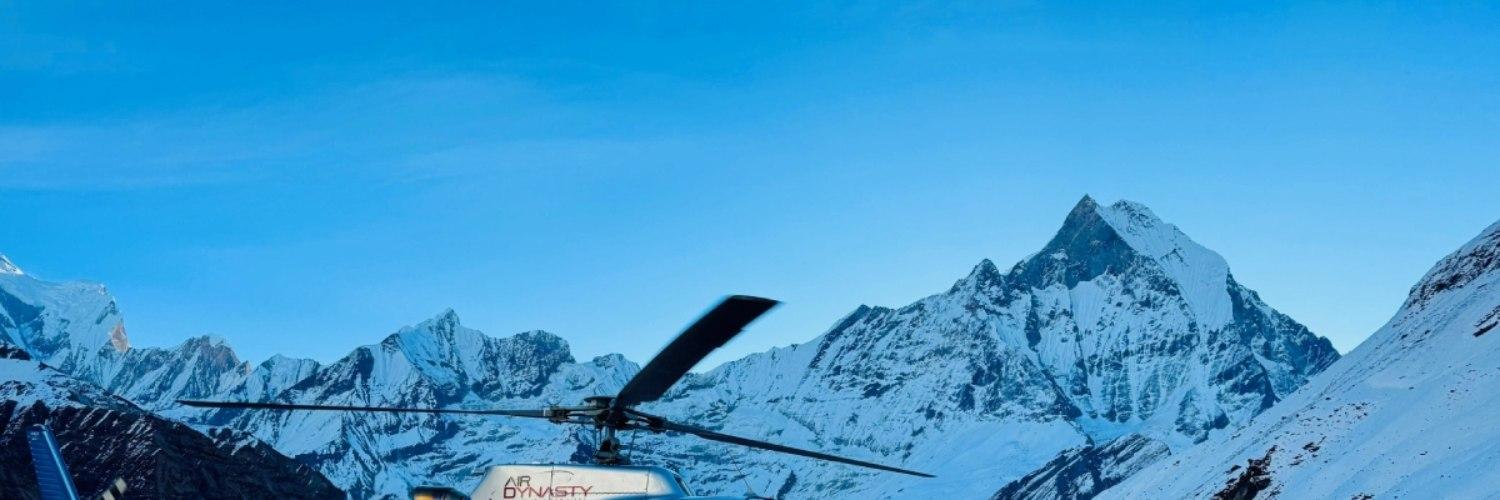
Most travelers fly from Pokhara to Jomsom (a thrilling 20-minute flight between mountains). From Jomsom, you can either trek for 4-5 days to reach Lo Manthang or take a 4WD Jeep for a faster, albeit bumpy, journey.
Fitness Level
The trek to Upper Mustang is "Moderate." You don't need to be a marathon runner, but you should be comfortable walking 5-6 hours a day at altitudes above 3,500 meters.
What to Pack for Yartung Festival?
-
Sun Protection: The UV rays at this altitude are brutal. Bring high-SPF sunscreen, a wide-brimmed hat, and quality sunglasses.
-
Layers: Even in August, the mornings and evenings can be chilly. Bring a lightweight down jacket.
-
Dust Protection: Mustang is windy and dusty. A buff or scarf to cover your face is essential.
-
Respectful Attire: When entering monasteries to witness Yartung rituals, ensure your shoulders and knees are covered.
Final Thoughts
The Yartung Festival in 2026 is more than a sporting event. It is a testament to the resilience of a culture that has survived in one of the harshest environments on earth. It is a celebration of life, heritage, and the beautiful bond between humans and nature.
If you are looking for a story to tell for the rest of your life, the dusty trails of Mustang are calling.
Are you ready to witness the wild horse races of the Himalayas?
Contact Best Heritage Tour today to book your Yartung Festival 2026 itinerary!
Phone / WhatsApp / Viber: +977-9851149197 / +977-9810043046
Email: info@bestheritagetour.com / bestheritagetour@gmail.com
Website: www.bestheritagetour.com
Office: Thamel Marg, Kathmandu, Nepal
Author: Best Heritage Tour
Date: 19th February, 2026