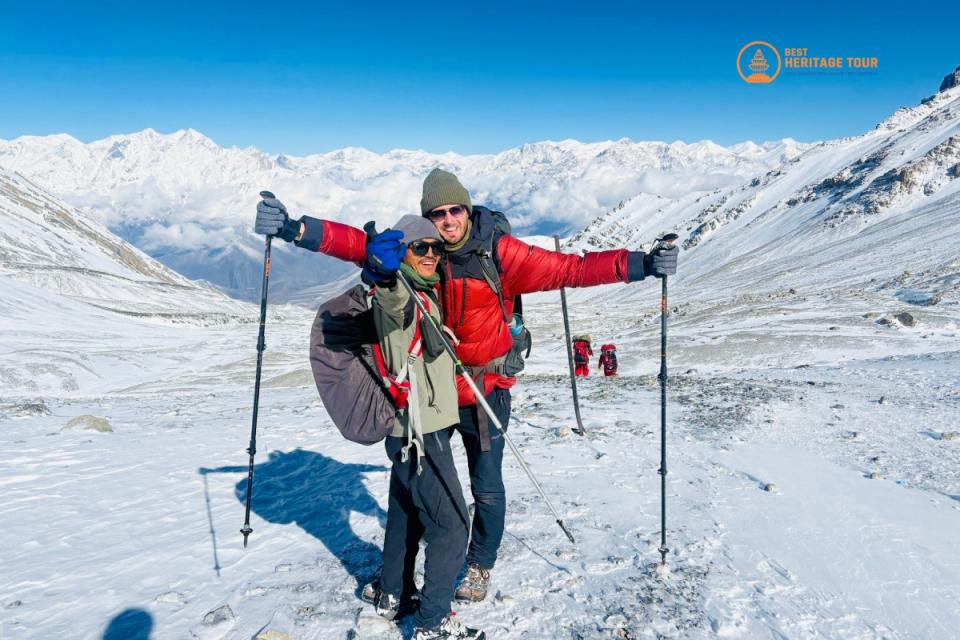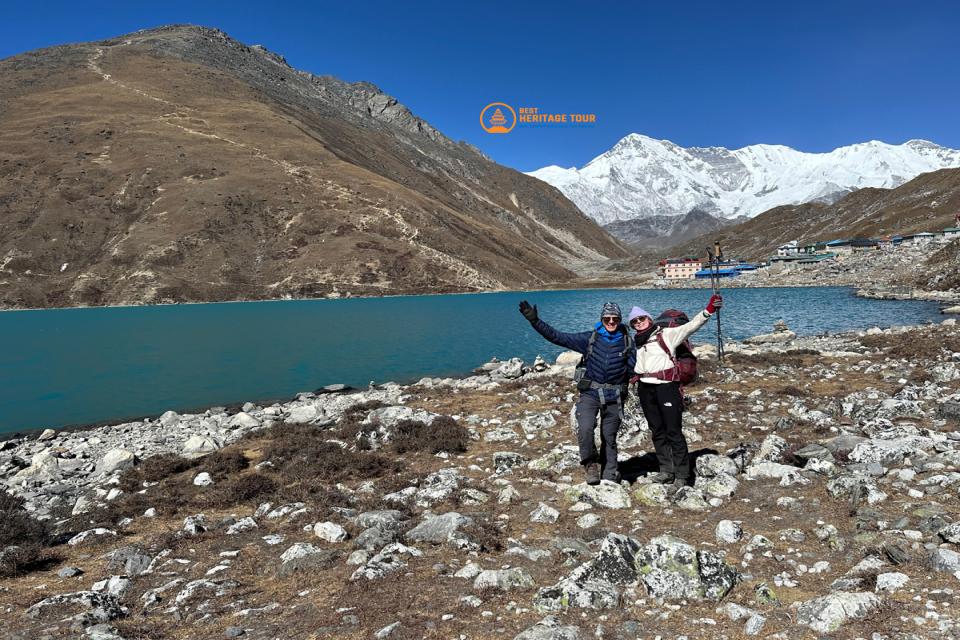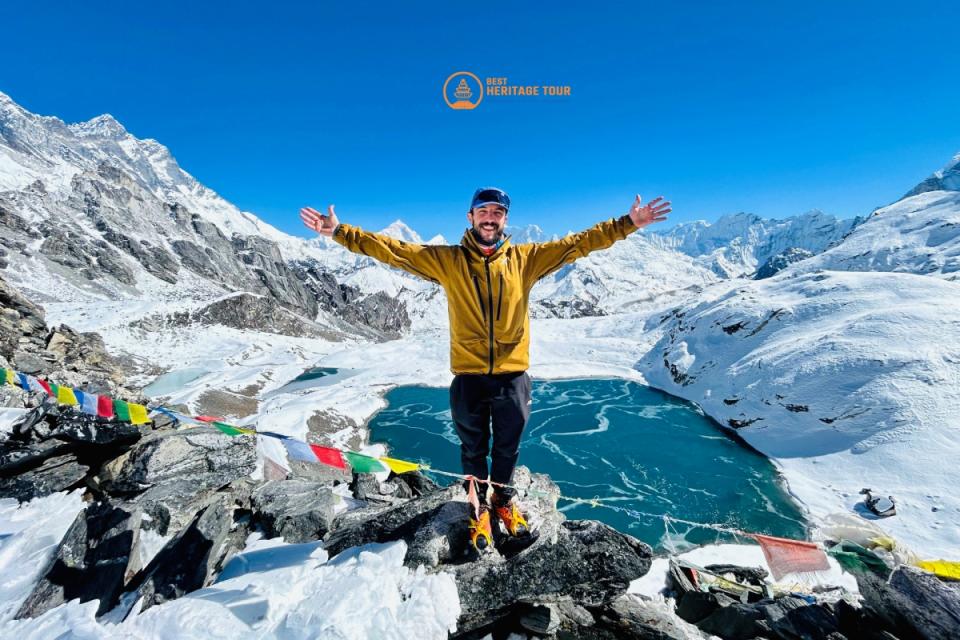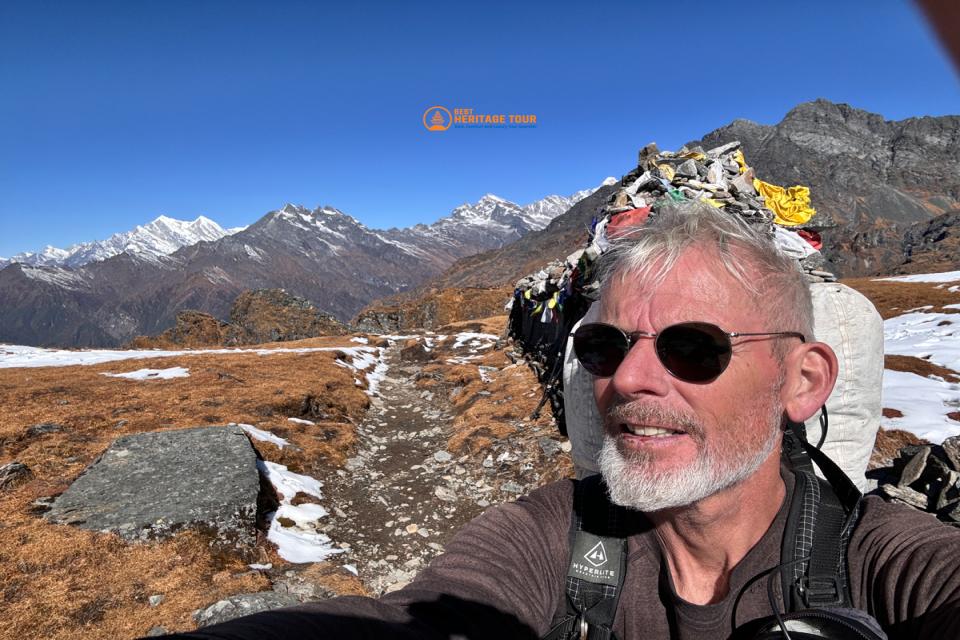
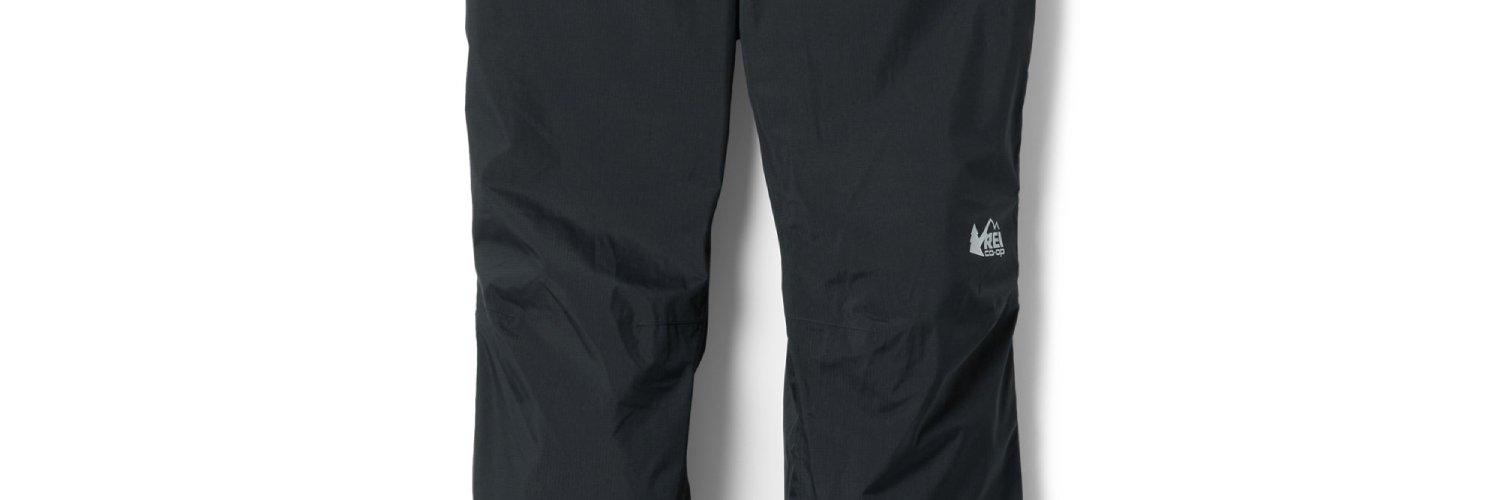
While a jacket captures the glory of the outer layer, your trekking trousers are arguably the hardest working garment on the Himalayan trail. They must protect you from blazing sun, sudden snow, aggressive winds, thorny bushes, and everything in between - often within the same hour.
The decision is complex: Should you choose the versatile zip-off convertible, the breathable softshell, or the dependable waterproof shell?
As your expert guide - Best Heritage Tour, we’ve seen countless trekkers suffer due to poor choices in legwear - from chafing and heatstroke in the foothills to shivering misery at high-altitude passes. This detailed guide breaks down the pros and cons of each type of trekking pant, ensuring you select the optimal gear for the dramatic, ever-changing climate of Nepal.
The Ultimate Challenge: Why Versatility is Key in Nepal
Trekking in Nepal, particularly on major routes like the Annapurna Circuit or Everest Base Camp (EBC), involves traversing multiple climate zones, sometimes in a single day:
|
Climate Zone |
Altitude Range |
Conditions |
Trousers' Key Job |
|---|---|---|---|
|
Sub-Tropical Foothills |
Below 2,000m |
Hot, humid, sunny, sudden rain, leeches. |
Ventilation, quick-drying, sun protection. |
|
Temperate/Alpine |
2,000m - 4,000m |
Pleasant days, chilly evenings, strong UV. |
Durability, wind resistance, easy layering. |
|
Arctic/High-Altitude |
Above 4,000m |
Freezing mornings, strong winds, snow/ice. |
Insulation, windproofing, shell protection. |
To manage this range effectively, you need a smart layering strategy that uses three main types of pants.
The Workhorse: Lightweight Trekking Pants (The Foundation)
This is the primary pair of trousers you will wear most days. They must be comfortable, highly breathable, and resilient.
Option A: The Classic Convertible (Zip-Off) Pants
Once considered bulky, modern zip-off pants are lightweight and incredibly versatile, earning them the title of the Nepal Classic.
|
Pros |
Cons |
|---|---|
|
Maximum Versatility: Converts instantly into shorts - ideal for hot ascents in the morning and converting back for chilly afternoons or village modesty. |
The zippers can feel bulky or chafe when walking long distances, especially if worn over thermal leggings. |
|
Sun Protection: Provides UPF 50+ protection as full-length pants against intense Himalayan sun, preventing sunburn. |
Not windproof or waterproof; requires an additional outer layer for protection at high altitude. |
|
Leech Defence: Essential for trekking in the mid-hills or during monsoon season, where leeches are prevalent in tall grass. |
Some cheaper models have poorly placed zips (mid-calf) that snag on boots or gaiters. |
Expert Recommendation: Every first-time Nepal trekker should own at least one high-quality pair of zip-off pants. Look for zips positioned above the knee for comfort and ease of use with gaiters.
Option B: Standard Non-Convertible Trekking Pants
These are synthetic, lightweight hiking pants that stay full-length.
-
Best For: Trekkers who prefer a single, consistent fit or those who use a softshell as their primary layer (see below) and only need a lighter backup.
-
Key Feature: Look for articulated knees and a gusseted crotch - these structural features are non-negotiable for preventing rips and providing mobility on steep inclines.
The Mid-Layer: Softshell Trekking Pants
Softshell trousers have become the preferred choice for guides and seasoned trekkers due to their superior performance in the high-altitude zone (above 3,500m).
What is a Softshell? It is a woven, stretchy fabric that provides excellent wind resistance and water-repellency (DWR finish) while remaining highly breathable. They are generally thicker than lightweight nylon pants.
|
Pros |
Cons |
|---|---|
|
Wind Resistance: Excellent protection against high-altitude winds, often eliminating the need for a separate windproof shell. |
Usually not completely waterproof. They handle light rain or snow but will soak through in a downpour. |
|
Stretchy Mobility: The woven fabric offers four-way stretch, crucial for comfortable movement on steep rock steps and uneven terrain. |
Heavier and warmer than zip-off pants, making them uncomfortable for low-altitude or hot mid-day trekking. |
|
Insulation: Provides a noticeable level of warmth, often enough to be worn over only a thin thermal base layer, reducing the need for fleece pants. |
Dries slower than lightweight nylon or convertible pants. |
Best Heritage Tour View: For treks involving high-altitude passes (e.g., Thorong La, EBC, Cho La), a pair of mid-weight softshell pants is highly recommended as your primary pants above the tree line. They handle the cold and wind far better than lightweight nylon.
The Emergency Layer: Hardshell Waterproof Pants
This is your safety shell, designed to stay packed until conditions demand absolute protection.
What is a Hardshell? These are fully waterproof, windproof pants (often Gore-Tex or similar membrane) designed for the outer layer. They are thin, non-insulated, and highly packable.
|
Pros |
Cons |
|---|---|
|
Complete Protection: Fully waterproof and windproof, vital for monsoon season, crossing snowy passes, or surviving an afternoon high-altitude thunderstorm. |
Low Breathability: Despite membrane technology, they trap sweat during strenuous activity, leading to a clammy feeling. |
|
Lightweight & Packable: They take up very little space in your duffel bag or daypack. |
They are designed to be worn over other pants, so fit can be bulky. |
|
Snag Resistance: Protects your inner pants from tearing if you encounter dense thorns or sharp rocks. |
Can be noisy ("swishy") when walking. |
The Rule of the Himalayas: Even during the dry seasons (Autumn/Spring), you must carry a pair of lightweight waterproof shell pants. An unexpected afternoon snowfall or heavy rain above 4,000m is common, and staying dry is critical to preventing hypothermia. Look for models with full-length side zips so you can pull them on quickly over your boots.
The Recommended Nepal Trekking Strategy (Layering System)
We advise trekkers to bring a combination of lower-body gear to handle the trail's full range of conditions:
1. Base Layer (Worn underneath)
-
1-2 Pairs of Thermal Leggings (Merino Wool or Synthetic).
-
Use: For sleeping, evenings in cold teahouses, and worn under your trekking pants above 3,500m for added warmth.
2. Primary Daywear (Worn daily)
-
1 Pair of Convertible (Zip-Off) Pants: For low-altitude and warm conditions (the first 3-4 days).
-
1 Pair of Mid-Weight Softshell Pants: For high-altitude, cold, and windy conditions (the rest of the trek).
3. Outer Protection (Emergency Layer)
-
1 Pair of Lightweight Waterproof Hardshell Pants (with side zips).
-
Use: Stays packed in your daypack. Only deployed during rain, heavy snowfall, or extreme windchill.
Fabric Focus: Choose Synthetic, Avoid Cotton and Jeans
Just like with socks, your trekking pants should never be cotton or denim. Cotton absorbs moisture (sweat or rain), holds it against your skin, and dries agonizingly slowly, leading to:
-
Chafing: The single greatest cause of misery on a long trek.
-
Cold: Evaporative cooling from wet cotton chills you dangerously at altitude.
Instead, opt for Nylon or Polyester blended with Spandex (Elastane) for stretch. These synthetic fabrics are lightweight, durable, and dry in minutes.
Conclusion
The challenge of packing for Nepal is the challenge of dressing for four seasons at once. By selecting a versatile primary pant - such as the zip-off convertible for the low, warm regions and a robust softshell for the cold, high-altitude days - and always carrying a dedicated waterproof shell as backup, you are fully equipped to meet any weather condition the Himalayas throw your way.
Here at Best Heritage Tour, our priority is ensuring your trek is safe, comfortable, and focused entirely on the majestic experience. Let us help you plan the logistics, so you can focus on the preparation.
Reach out to our expert team for personalized gear consultation based on your specific itinerary, season, and altitude profile.
Ready to Plan Your Perfect Himalayan Trek?
Phone / WhatsApp / Viber: +977-9851149197 / +977-9810043046
Email: info@bestheritagetour.com / bestheritagetour@gmail.com
Website: www.bestheritagetour.com
Office: Thamel Marg, Kathmandu, Nepal
Author: Best Heritage Tour
Date: 12th December, 2025