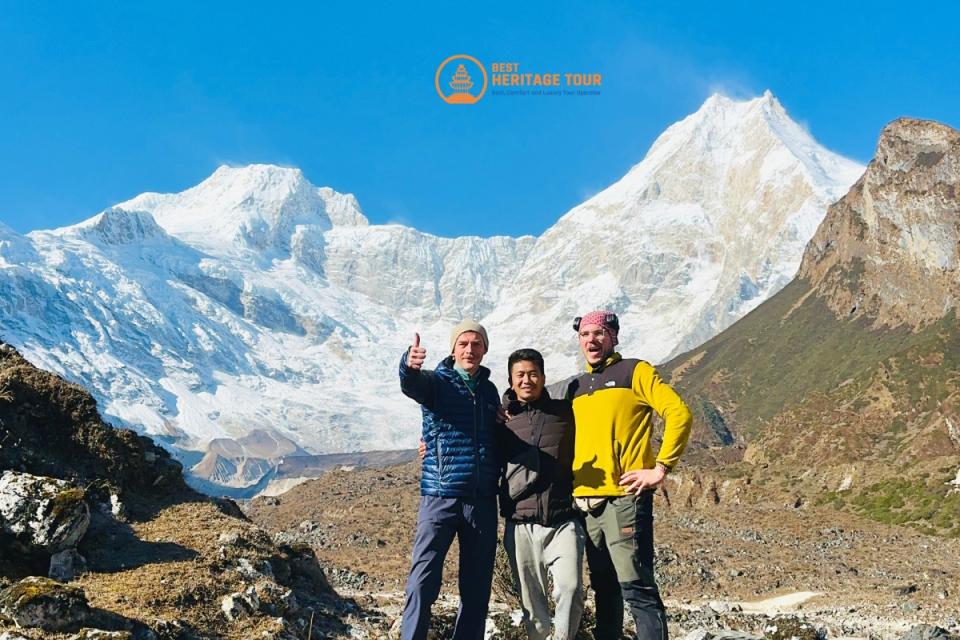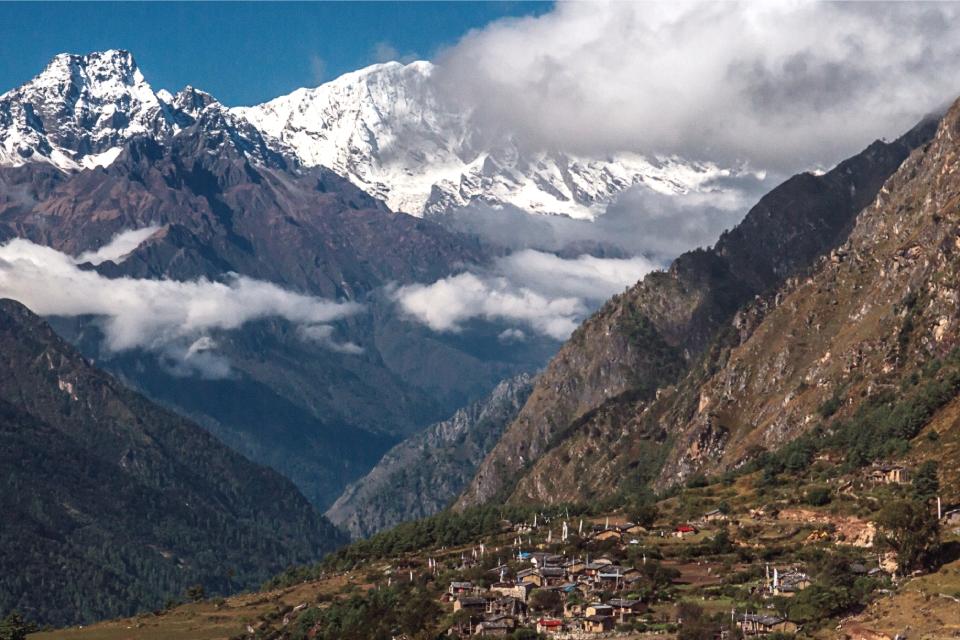

The Manaslu Circuit Trek (MCT) is famed for the jaw-dropping views of the world's eighth-highest peak, Mount Manaslu (8,163m). Yet, the true magic of this restricted area lies not just in the towering mountains but in the Nubri Valley - a sequence of traditional, centuries-old villages that function as a living museum of Tibetan Buddhist culture.
These are not modern settlements adapted for tourism; these are ancient communities, populated by the Nubri people, who trace their lineage and cultural practices back to Tibet. Until 1991, the region was entirely closed to foreign visitors, and the enforced isolation has helped preserve traditions, language, and architecture found nowhere else in Nepal.
At Best Heritage Tour, we believe in deep cultural immersion. This expert guide details the four most important ancient villages you will explore on the Manaslu Circuit Trek and the specific spiritual and architectural heritage each one holds.
1. Namrung - The Gateway to Upper Nubri
Altitude: 2,630m (8,628ft)
While lower villages like Jagat and Deng mark the beginning of Tibetan influence, Namrung is the first true, high-Himalayan settlement where the architecture and atmosphere fundamentally shift.
The Cultural Checkpoint
Namrung historically served as a critical administrative and cultural checkpoint for trade between Nepal and Tibet.
-
The Stone Gate (Kani): You enter Namrung through a beautiful, large Kani (a traditional Tibetan-style gate-chorten). Passing beneath this structure, adorned with intricate paintings and murals of Buddhist deities, signals your spiritual entry into the upper valley.
-
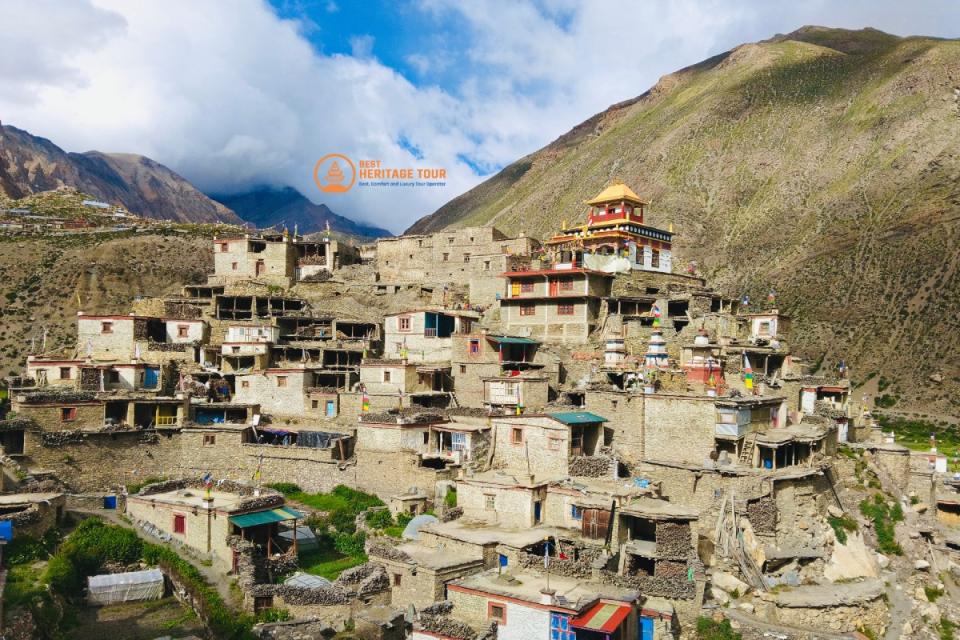
The Architecture: Houses here transition from the simpler stone and wood of the lower region to the distinct Tibetan-style flat-roofed houses. These buildings feature prayer flags (lungdar) tied to the poles and are designed to store winter fodder and maintain heat in the lower living quarters.
-
Kyimolung Monastery: Namrung is home to the venerable Kyimolung Monastery, a spiritual center that is approximately 300 years old. Taking a moment here allows you to observe daily monastic life and admire murals painted with traditional, natural pigments.
Cultural Etiquette: In every upper-valley village - including Namrung - you will see Mani Walls (long walls of carved stones). Always walk around these walls, chortens, and monasteries in a clockwise direction (known as kora), which is the proper Buddhist way to pay respect.
2. Lho - The Village of Monasteries and Views
Altitude: 3,180m (10,433ft)
Lho is arguably the most visually striking village on the Manaslu Circuit, offering the first truly magnificent, close-up view of Manaslu's north face. However, its spiritual significance runs far deeper than its scenic location.
Ribung Gompa: The Spiritual Sentinel
Lho is defined by the commanding presence of its main monastery, Ribung Gompa.
-
The Setting: Ribung Gompa is perched on a hilltop directly above Lho, serving as a spiritual sentinel watching over the valley. The hike up (approximately 30 minutes) is essential, not just for the view but for the atmosphere.
-
Sunrise Spectacle: Trekkers often rise early here to witness the Lho Sunrise: the golden light of dawn hitting the massive, snowy pyramid of Mount Manaslu and illuminating the golden roofs of the Gompa.
-
Monastic Life: Ribung is an active center of Buddhist education. You will see young monks (tawas) in maroon robes studying, chanting, and engaging in ritual life. The sound of their morning chants, carried by the mountain wind, creates a powerful, ancient ambiance.
-
The Manaslu Connection: Local belief holds that Manaslu (8,163m) itself is a deity - the "Mountain of the Spirit" (from the Sanskrit Manasa, meaning spirit or soul). In Lho, this sacred connection is palpable, with the peak dominating the horizon.
3. Samagaon - The Cultural and Economic Heart
Altitude: 3,530m (11,578ft)
Samagaon is the largest, most densely populated, and most important village in the entire Nubri Valley. It acts as the key acclimatization stop before crossing the high pass and has historically been the region’s economic and cultural nexus.
A Relic of the Salt Trade Route
Samagaon's size and strategic location are remnants of its history as a major hub on the ancient trans-Himalayan salt trade route connecting Nepal's middle hills with Tibet.
-
Village Layout: The village layout is dense, a tight cluster of multi-story stone houses built to withstand harsh winters. The streets are narrow, filled with the sounds of yak bells and the deep, rhythmic drone of prayer wheels.
-
Acclimatization Hub: Most itineraries allocate a critical rest day here. This day is used to hike to higher elevations and return to sleep at 3,530m, following the key safety principle: "Climb High, Sleep Low." The two most important cultural side trips are:
-
Birendra Tal: A turquoise glacial lake nestled at the base of the Manaslu glacier, a short, gentle hike away, often used for spiritual rituals.
-
Pungyen Gompa (The Old Manaslu Base Camp): A steep, essential acclimatization hike to approx. 4,000m. This ancient monastery sits below the Manaslu massif and is believed to have been established 500-600 years ago. It houses ancient texts and relics and offers a view often cited as the best perspective of the entire Manaslu range.
-
Living Traditions of the Nubri People
Samagaon is the best place to witness the authentic Nubri lifestyle, which remains heavily reliant on animal husbandry and hardy agriculture:
-
Livelihood: Families maintain their traditions by cultivating barley and potatoes, and herding yaks for milk, butter, and wool.
-
Festivals: Depending on the season, you may witness preparations for Losar (Tibetan New Year, typically Feb/Mar) or the Yartung festival, where the community gathers for religious and cultural celebrations.
4. Samdo - The Last Permanent Settlement
Altitude: 3,875m (12,713ft)
Samdo is the final, permanent Tibetan settlement before the high pass. It feels remote, isolated, and almost overwhelmingly dominated by the surrounding high peaks and the nearby Tibetan border.
A Village Forged by Isolation
Samdo's inhabitants are largely of Tibetan refugee descent, having preserved their ancient lifestyle due to the village's altitude and proximity to the border.
-
Architecture and Lifestyle: The houses are almost fortress-like, built from stacked stone with flat, yak-dung insulated roofs. Life is focused on survival at high altitude: herding livestock, spinning yak wool, and trading.
-
The Samdo Gompa: The village is guarded by its own small Gompa. While modest in size, it is a living center of worship where you can observe monks and nuns performing traditional prayers accompanied by long Tibetan horns (dungchen) and cymbals.
-
Samdo Peak Side Trip: For the final acclimatization before the pass, a hike up Samdo Peak (4,800m approx. 15,750ft) is highly recommended. It offers a panoramic view over the Mansiri Himal range and deep into the valley, giving you a full appreciation for the sheer remoteness of this ancient cultural corridor.
The Spirit of Hospitality: Due to the low volume of trekkers compared to EBC or ACT, interactions in Samdo are less transactional. Evenings in the teahouses often involve trekkers gathered around a warm stove, sharing butter tea and stories with locals - a truly authentic cultural reward.
The Legacy of the Restricted Area
The Manaslu Circuit remains a restricted area, which means trekkers must pay a special permit fee and travel with a licensed Nepali guide from a registered agency like Best Heritage Tour. This restriction is precisely what safeguards these villages. It controls tourism flow, ensuring that places like Lho and Samagaon retain their heritage, culture, and ancient Buddhist faith without the commercial pressures that have transformed other trekking routes.
By choosing the Manaslu Circuit Trek, you are embarking on a true pilgrimage - a journey that equally rewards the body with mountain views and the soul with an encounter with a profound, untouched Himalayan heritage.
Phone / WhatsApp / Viber: +977-9851149197 / +977-9810043046
Email: info@bestheritagetour.com / bestheritagetour@gmail.com
Website: www.bestheritagetour.com
Office: Thamel Marg, Kathmandu, Nepal
Author: Best Heritage Tour
Date: 14th December, 2025