Tsum Valley Trek
There are places in the Himalayas that the modern world has touched, and then there are places that the modern world has simply chosen to protect. As we move into 2026, the Tsum Valley Trek remains one of the few truly "restricted" sanctuaries where time doesn't just slow down - it feels as though it has stopped altogether.
At Best Heritage Tour, we have spent over 15 years guiding souls through the rugged veins of Nepal. We don’t just see Tsum Valley as a trekking destination; we see it as a Beyul - a hidden, sacred valley of refuge. If you are looking for a trek that prioritizes spiritual depth, untouched Tibetan culture, and raw mountain solitude over "tourist hubs" and Wi-Fi cafes, this is your definitive guide to the Tsum Valley in 2026.
What Makes Tsum Valley "The Hidden Valley"?
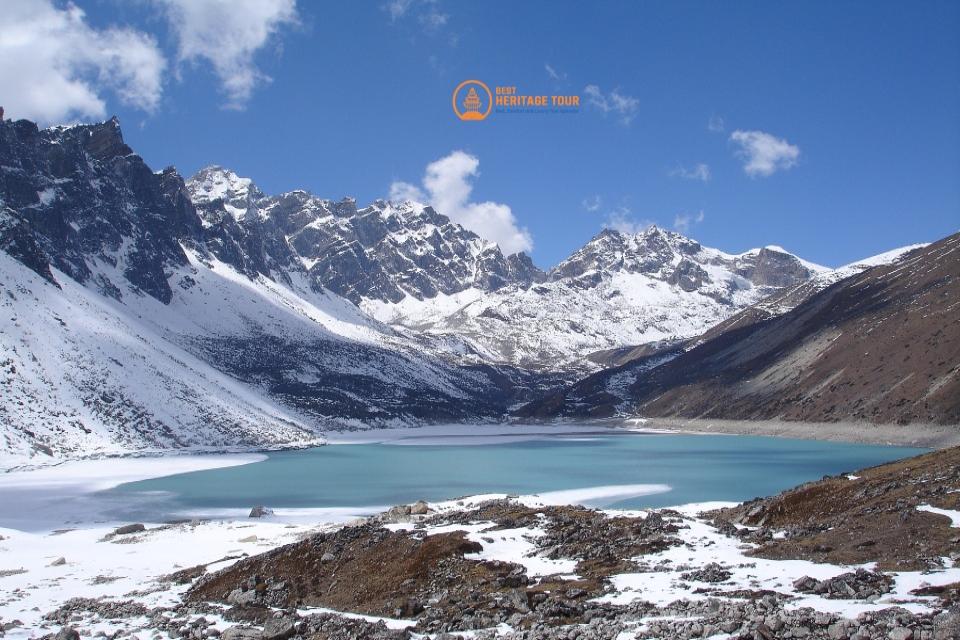
Tsum Valley only opened its gates to trekkers in 2008. Before that, it was a world unto itself, tucked behind the massive curtains of the Ganesh Himal, Sringi Himal, and Boudha Himal ranges. The name "Tsum" comes from the Tibetan word Tsombo, meaning vivid.
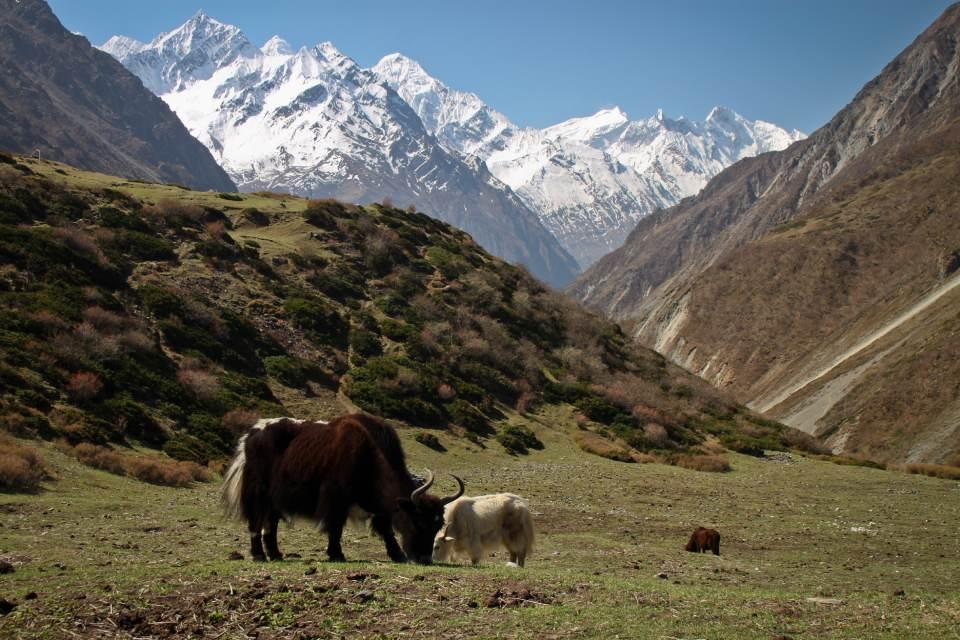
What makes it unique in 2026 is the Shyagya tradition. Since 1920, the local Tsumba people have maintained a strict non-violence pact. In this valley, no animals are slaughtered, and the flora is protected with religious fervor. Walking through Tsum isn't just a physical challenge; it’s an immersion into a living philosophy of peace.
Key Highlights of the Tsum Valley Trek
While the Manaslu Circuit often steals the spotlight, the "Only Tsum Valley" itinerary allows for a deeper, more intentional exploration. Here is what awaits you:
-
Mu Gompa (3,700m): The highest and oldest monastery in the region. Standing here, looking out toward the Tibetan border, you feel the weight of centuries of prayer.
-
Rachen Nunnery: A beautiful spiritual center where the red-robed nuns continue ancient traditions of chanting and meditation.
-
Milarepa’s Piren Phu Cave: The 11th-century Buddhist saint, Milarepa, is said to have meditated here. You can still see his "footprint" imprinted in the cold stone - a site of immense pilgrimage.
-
The Tsumba People: Meeting the indigenous Tsumba people is like meeting the guardians of an ancient civilization. Their dialect, dress, and hospitality are unlike anything in the lower valleys.
-
Ganesh Himal Base Camp: For those seeking a rugged side trip, the trek to the base of the "Elephant God" mountain offers some of the most dramatic glacier views in the Himalayas.
2026 Trekking Regulations & Permit Costs
Because Tsum Valley is a Restricted Area, you cannot trek here solo. The Nepal government requires all travelers to be in a group of at least two and accompanied by a licensed guide from a registered agency like ours.
Required Permits for 2026:
-
Tsum Valley Restricted Area Permit (RAP):
-
Autumn (Sept-Nov): $40 USD for the first week, then $7 per day.
-
Spring/Winter (Dec-Aug): $30 USD for the first week, then $7 per day.
-
-
Manaslu Conservation Area Permit (MCAP): Approx. $23 USD (NPR 3,000).
Pro-Tip from Best Heritage Tour: Always carry several passport-sized photos and ensure your permits are handled by your agency at least 48 hours before departure. The checkpoints at Jagat and Philim are very strict.
The 10-Day Ultimate Tsum Valley Itinerary
Based on current 2026 trail conditions, this is the most balanced itinerary to ensure proper acclimatization and maximum cultural immersion.
-
Day 1: Drive from Kathmandu (1,400 m) to Machha Khola (760 m)
-
Highlight: A scenic drive along the Trishuli and Budhi Gandaki rivers, transitioning from city life to the rustic foothills.
-
-
Day 2: Trek from Machha Khola (760 m) to Jagat (1,300 m)
-
Highlight: Passing through the natural hot springs at Tatopani and entering the Manaslu Conservation Area.
-
-
Day 3: Trek from Jagat (1,300 m) to Lokpa (1,800 m)
-
Highlight: Entering the Restricted Area of Tsum. Lokpa is the first village in the actual Tsum Valley and offers your first taste of isolation.
-
-
Day 4: Trek from Lokpa (1,800 m) to Chumling (2,300 m)
-
Highlight: Crossing the suspension bridges over the Siyar Khola and catching glimpses of the majestic Shringi Himal.
-
-
Day 5: Trek from Chumling (2,300 m) to Chekampar (3,060 m)
-
Highlight: Arriving in "Upper Tsum," where the valley opens up into beautiful stone-house villages and expansive Ganesh Himal views.
-
-
Day 6: Trek from Chekampar (3,060 m) to Mu Gumpa (3,700 m) and Return to Lama Gau (3,300 m)
-
Highlight: Reaching the trek’s highest point at Mu Gompa, the region's oldest monastery, before descending to the hospitable village of Lama Gau.
-
-
Day 7: Trek from Lama Gau (3,300 m) to Chumling (2,300 m)
-
Highlight: Retracing your steps through the "Valley of Happiness," passing ancient Mani walls and Buddhist chortens.
-
-
Day 8: Trek from Chumling (2,300 m) to Sirdibas (1,500 m)
-
Highlight: A steady descent back toward the lower valley, offering a different perspective of the landscape you climbed.
-
-
Day 9: Trek from Sirdibas (1,500 m) to Machha Khola (760 m) via Jagat (1,300 m) & Tatopani (1,100 m)
-
Highlight: A long but rewarding day of hiking, concluding with a celebratory evening by the river at Machha Khola.
-
-
Day 10: Drive from Machha Khola (760 m) to Kathmandu (1,400 m)
-
Highlight: Reflecting on your spiritual journey during the return drive to the capital.
-
Understanding the Difficulty: Is This Trek for You?
The Tsum Valley Trek is graded as Moderate to Challenging. While you don't cross any 5,000-meter passes (like the Larkya La on the Manaslu Circuit), the challenge lies in the terrain and remoteness.
-
The Trails: You will encounter narrow, rocky paths carved into cliffside walls. In 2026, some sections near Lokpa are still prone to rockfall, requiring an experienced guide to navigate safely.
-
The Steps: Be prepared for "Nepali Flats" - which are actually thousands of stone steps going up and down.
-
Elevation: Spending several days above 3,000 meters requires respect for altitude. At Best Heritage Tour, our guides are trained in wilderness first aid and carry oximeters to monitor your oxygen levels daily.
Best Time to Visit in Tsum Valley in 2026
Timing is everything in the Himalayas. To get the most out of your experience, we recommend:
Spring (March to May) - The Blooming Season
The rhododendrons are in full bloom, painting the hillsides in shades of crimson and white. The weather is stable, and the mountain views are sharp. This is also a great time to witness local festivals.
Autumn (September to November) - The Golden Season
This is the "peak" for a reason. After the monsoon rains, the air is incredibly crisp, and the visibility is at its absolute best. In 2026, the local harvest festivals in Chhokangparo typically fall in late September/early October.
Life on the Trail: Food & Accommodation
Tsum Valley remains much more "basic" than the Everest or Annapurna regions. This is part of its charm.
-
Tea Houses: You will stay in simple, family-run lodges. Expect a wooden bed with a foam mattress. In 2026, many lodges now have solar-powered charging, though it may cost $2-$5 per device.
-
The Food: The staple is Dal Bhat (lentil soup and rice). In Upper Tsum, you must try Tibetan Bread, Tsampa (roasted barley flour), and Salted Butter Tea.
-
The Ethics: Remember the Shyagya tradition - do not ask for meat in the Upper Tsum Valley. Embracing a vegetarian diet for these few days is part of the spiritual journey.
Essential Packing List for 2026
Don't overpack, but don't skimp on quality. Here’s what we recommend:
-
Footwear: Broken-in waterproof trekking boots.
-
Clothing: Layering is key. A down jacket for the nights (even in Spring) and moisture-wicking base layers for the day.
-
Water Purification: Bring a LifeStraw or purification tablets. Plastic bottled water is discouraged to protect the valley’s environment.
-
Sleeping Bag: Rated to at least -10°C. Even though you stay in lodges, the rooms are not heated.
-
Power Bank: Solar chargers are great if you can attach them to your backpack during the day.
Conclusion
The Tsum Valley Trek in 2026 is more than a hike - it is a pilgrimage into the heart of the Himalayas. It is a place where you can disconnect from the digital noise and reconnect with the simple rhythms of nature and spirit. Whether you are a seasoned trekker looking for something "different" or a spiritual seeker drawn to the ancient monasteries, the Hidden Valley is waiting for you.
Are you ready to discover the secrets of the Tsumba?
Contact Best Heritage Tour today to start planning your 2026 adventure.
Phone / WhatsApp / Viber: +977-9851149197 / +977-9810043046
Email: [email protected] / [email protected]
Website: www.bestheritagetour.com
Office: Thamel Marg, Kathmandu, Nepal