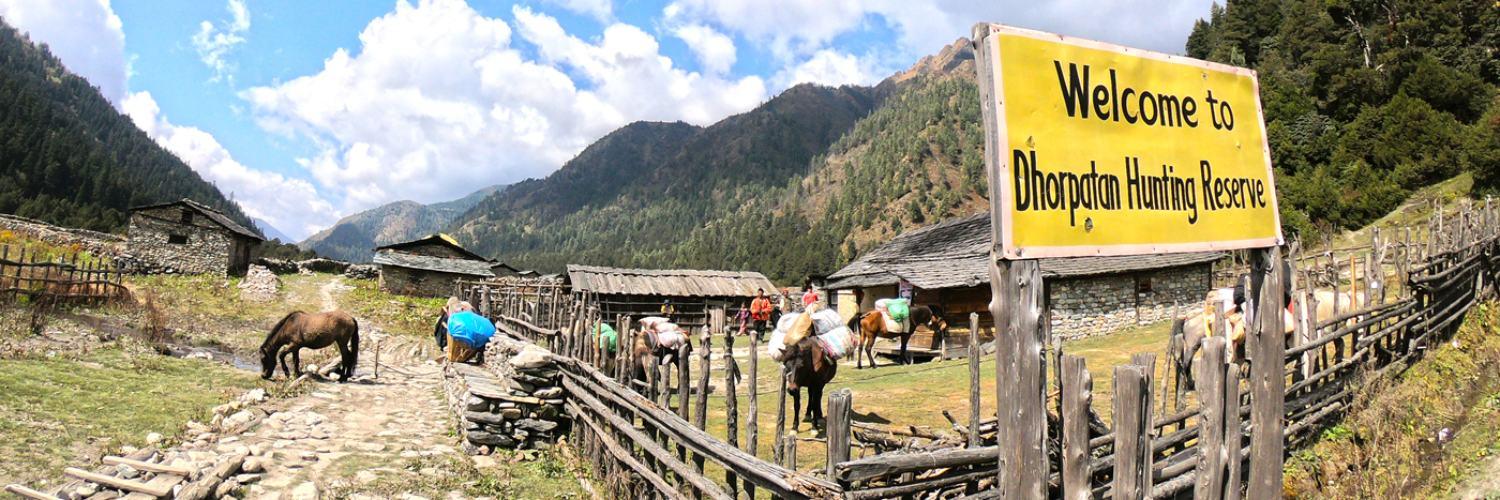
The sun rises slowly over the jagged Himalayan ridges, gilding the snow-capped peaks in hues of gold and amber. Mist curls above alpine valleys, and somewhere in the distance, the faint sound of a mountain stream echoes through the cliffs. In this untouched wilderness, time seems to pause. This is Dhorpatan Hunting Reserve - the only legal hunting area in Nepal - where adventure, conservation, and centuries-old tradition meet.
For international hunters and adventure seekers, trophy hunting in Nepal offers a rare and privileged opportunity. It is not merely a sport; it is a journey into one of the world’s most dramatic landscapes - the home of the elusive Blue Sheep (Naur) and the majestic Himalayan Tahr.
If you have ever dreamed of a once-in-a-lifetime expedition that combines high-altitude adventure, authentic wilderness experience, and legal, ethical hunting - then the Dhorpatan Hunting Reserve calls to you.
The Legacy of Trophy Hunting in Nepal
Nepal has long been known for its soaring mountains and rich biodiversity. But few travelers realize that the country also preserves an age-old hunting culture, regulated and refined through strict conservation policies.
In the past, the Himalayan valleys were frequented by royal hunting parties, drawn by the abundance of wildlife and the challenge of the rugged terrain. Over the years, unsupervised hunting was replaced by a structured and sustainable system - one that protects wildlife populations while allowing limited, controlled hunting for conservation funding.
Today, trophy hunting in Nepal is strictly regulated by the Department of National Parks and Wildlife Conservation (DNPWC) and permitted only in the Dhorpatan Hunting Reserve, located in western Nepal. The reserve was established in 1987 with the dual purpose of conserving high-altitude species and promoting controlled hunting as a conservation tool.
Dhorpatan Hunting Reserve: The Only Legal Hunting Destination in Nepal
Stretching across the districts of Rukum, Baglung, and Myagdi, Dhorpatan Hunting Reserve covers an area of 1,325 square kilometers. The altitude ranges from 2,850 meters to over 7,000 meters, creating a diverse ecosystem of alpine meadows, subalpine forests, and rugged cliffs - ideal habitats for mountain ungulates.
The reserve is divided into several hunting blocks, each managed for sustainable use. Every year, the Nepalese government issues a limited number of hunting permits (quotas), ensuring that wildlife populations remain healthy and balanced.
Wildlife in Dhorpatan Hunting Reserve
Although trophy hunting is permitted only for two species - Blue Sheep (Pseudois nayaur) and Himalayan Tahr (Hemitragus jemlahicus) - the reserve shelters a wealth of other wildlife, including snow leopards, red pandas, Himalayan black bears, ghorals, serows, and more than 130 species of birds.
This makes Dhorpatan not only a hunter’s paradise but also a conservation success story. Revenue from trophy hunting licenses directly supports local communities and anti-poaching initiatives, making it an example of sustainable wildlife management.
Blue Sheep Hunting in Nepal: The Ultimate High-Altitude Challenge
Few hunting experiences compare to the thrill of stalking Blue Sheep across the Himalayan cliffs. Known locally as Naur, the Blue Sheep is a graceful, sure-footed animal that blends perfectly with its rocky surroundings.
Hunting this species demands physical stamina, patience, and precise marksmanship. Typically, hunts are conducted on foot, with long hikes through high-altitude terrain ranging from 4,000 to 5,000 meters. The crisp mountain air, the echo of footsteps on shale slopes, and the sight of a Blue Sheep herd grazing on the ridgeline all combine to create a deeply immersive experience.
For many seasoned hunters, Blue Sheep hunting in Nepal represents not just a trophy, but a testament to endurance and respect for the mountains.
Learn more about our exclusive Blue Sheep and Himalayan Tahr Hunting Package in Nepal.
Himalayan Tahr Hunting in Nepal: The Majestic Mountain Pursuit
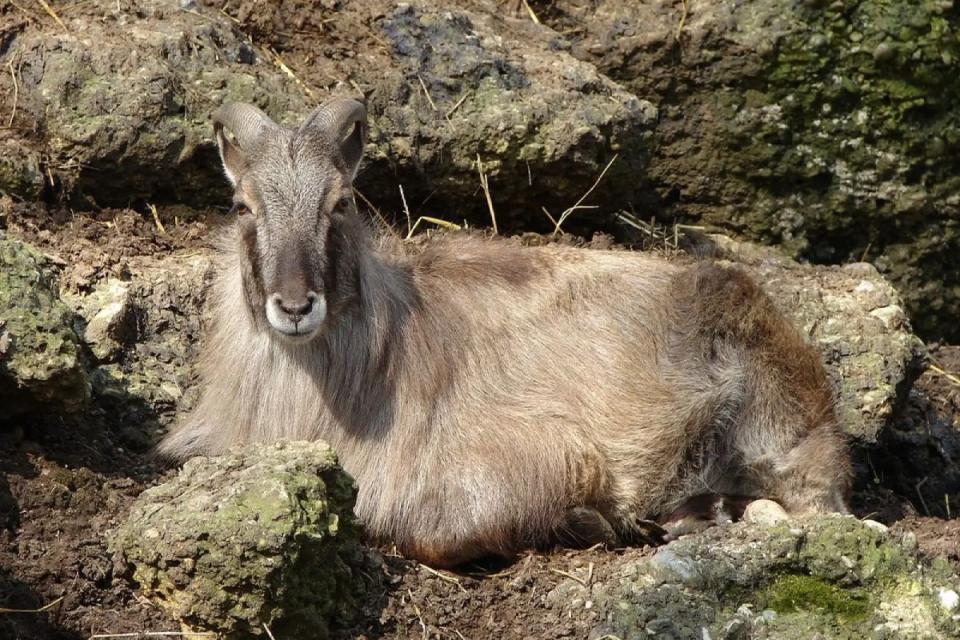
The Himalayan Tahr, a magnificent wild goat with a thick, dark-brown mane, is one of the most sought-after trophies in the world. Adapted to steep cliffs and harsh weather, these animals are symbols of Himalayan resilience.
Hunting Himalayan Tahr requires both strategy and skill. The best time for Tahr hunting is during the post-monsoon season (Late September-December) when males grow their full winter coats and descend to lower elevations.
With an experienced guide from Best Heritage Tour, hunters trek through pristine valleys, set up camps in scenic highlands, and pursue the Tahr through fair chase - respecting the animal, the environment, and local customs.
Each successful hunt is more than just a trophy; it is a story of courage, patience, and harmony with nature.
Legal and Ethical Trophy Hunting in Dhorpatan Hunting Reserve
Trophy hunting in Nepal is not about exploitation - it is about responsible wildlife management. The government’s strict regulations ensure that hunting contributes to the long-term survival of the species.
Every hunting expedition is monitored and licensed, with limited quotas set based on scientific wildlife surveys. Typically, only a few dozen Blue Sheep and Himalayan Tahr permits are granted each year, and hunting outside Dhorpatan is strictly prohibited.
All hunters must obtain a Trophy Hunting Permit through a registered local outfitter, such as Best Heritage Tour, who handle all logistics, permissions, and liaison with the authorities.
Hunting Seasons in Nepal
The trophy hunting season in Dhorpatan Hunting Reserve runs twice a year:
-
Spring Season: March to April
-
Autumn Season: Late September to November
Each season offers its own advantages - clear weather and active wildlife in spring, and stunning golden landscapes in autumn.
Hunting Quotas and Permit System
The number of hunting permits is limited to ensure ecological balance. Quotas are determined annually by the Department of National Parks and Wildlife Conservation based on population surveys.
Typical annual quotas:
-
Blue Sheep (Naur): Around 20-25 permits
-
Himalayan Tahr: Around 10-15 permits
These figures can vary slightly from year to year. Once quotas are filled, no further permits are issued. Hence, booking early through an authorized operator like Best Heritage Tour is essential.
The Trophy Hunting Experience with Best Heritage Tour
With over two decades of experience organizing adventure expeditions, Best Heritage Tour is among Nepal’s most trusted names in trophy hunting logistics.
From securing permits and arranging local guides to organizing camps, porters, meals, and transportation - every detail is handled professionally. Hunters can expect a safe, authentic, and rewarding experience that combines adventure with comfort.
A Typical Trophy Hunting Itinerary
-
Arrival in Kathmandu - Visa processing, hunting briefing, permit processing and equipment checks.
-
Flight/Drive to Dhorpatan - Depending on logistics and weather.
-
Trekking to Hunting Camp - Accompanied by guides, porters, and cook staff.
-
Hunting Days (7-10 Days) - Stalking, glassing, and fair-chase hunting in designated blocks.
-
Trophy Preparation & Documentation - Official inspection and paperwork.
-
Return to Kathmandu - Relax and enjoy sightseeing before departure.
Conservation Through Trophy Hunting
While some may associate hunting with harm, the model in Nepal demonstrates the opposite. Through controlled trophy hunting, local communities receive direct benefits from wildlife conservation.
A significant portion of the hunting fees goes toward:
-
Anti-poaching efforts
-
Wildlife monitoring
-
Community development projects
-
Habitat restoration
This system motivates local residents to protect wildlife rather than exploit it. As a result, both Blue Sheep and Himalayan Tahr populations in Dhorpatan remain healthy and stable.
Why Choose Trophy Hunting in Nepal?
-
Exclusive Access: The only legal hunting reserve in Nepal.
-
World-Class Species: Hunt the rare Blue Sheep and Himalayan Tahr.
-
Spectacular Scenery: Experience the untouched Himalayan wilderness.
-
Ethical and Regulated: All hunts are sustainable and government-approved.
-
Professional Support: Expert guides, logistics, and safety ensured by Best Heritage Tour.
Planning Your Trophy Hunting Trip
If you’re considering trophy hunting in Nepal, early preparation is key. Permits, equipment, and weather windows all require coordination.
Essential Tips for Hunters:
-
Book your trip at least 6 months in advance.
-
Ensure you have good physical fitness for trekking at high altitudes.
-
Bring quality binoculars, rangefinders, and rifles suited for mountain hunting.
-
Respect local customs, nature, and regulations.
For an updated list of required gear, you can consult the equipment checklist available with Best Heritage Tour during your booking process.
Book Your Trophy Hunting Adventure with Best Heritage Tour
For over 15+ years, Best Heritage Tour has been guiding adventurers into the heart of the Himalayas - offering authentic, safe, and sustainable trophy hunting expeditions in Nepal.
If you’re ready to take part in this exclusive hunting experience, contact us today and secure your spot before the limited quotas run out.
Phone/WhatsApp/Viber: +977-9851149197 / +977-9810043046
Email: info@bestheritagetour.com / bestheritagetour@gmail.com
Website: www.bestheritagetour.com
Office: Thamel Marg, Kathmandu, Nepal
Embark on your ultimate Himalayan hunting adventure - where challenge meets conservation, and every trophy tells a story.
Author: Best Heritage Tour
Date: 5th November, 2025