When planning a multi-day trek in the Himalayas, the mountains themselves feel eternal and unchanging. However, the ground beneath your boots - the trails, the passes, and the paths - are dramatically transformed by Nepal's four distinct seasons.
Choosing the right season doesn't just impact whether you need a heavy jacket; it determines whether you will be navigating deep snow, dodging landslides, fighting leeches, or enjoying crisp, textbook views of Everest.
For the adventurous traveler, understanding these seasonal trail conditions is the key to maximizing safety, comfort, and the sheer visual reward of your journey.
This guide from Best Heritage Tour breaks down Nepal's trekking calendar into its four phases. We detail the specific trail conditions you can expect, the optimal gear required, and which routes are best suited for each time of year, allowing you to choose the perfect moment for your ultimate Himalayan adventure.
I. Peak Season Perfection: Autumn (September to November)
Autumn is universally regarded as the finest time for trekking in Nepal. This is the post-monsoon period, offering the most stable weather and clearest visibility.
A. Trail Conditions: Crisp, Dry, and Clear
-
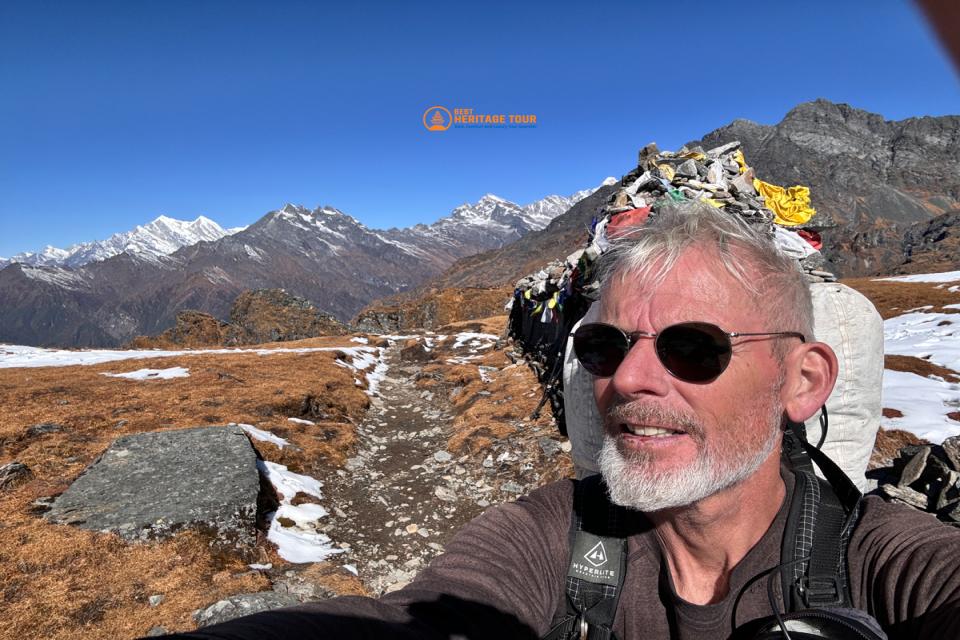
Views: Post-monsoon air is scrubbed clean of haze, resulting in crystal-clear skies and visibility that allows you to see mountain peaks from hundreds of kilometers away. This is when the classic, iconic Himalayan photographs are taken.
-
Terrain: Trails are generally dry, firm, and stable. The monsoon's heavy rains have subsided, minimizing the risk of landslides and washouts (though trails may still be damp in early September).
-
Safety: The combination of dry trails, stable weather, and moderate temperatures makes this the safest season for high-altitude trekking, as the risk of extreme weather events is lowest.
-
High Passes: Passes like the Thorong La (Annapurna) and the Kongma La (Everest Three Passes) are typically open and snow-free from mid-September onward.
B. What to Expect
-
Temperature: Warm, sunny days (up to 20⁰Cat lower altitudes) and cool, crisp nights that dip below freezing above 3,500m.
-
Crowds: This is the most crowded season. Lodges and main trails (EBC, ABC, Manaslu) require booking well in advance.
-
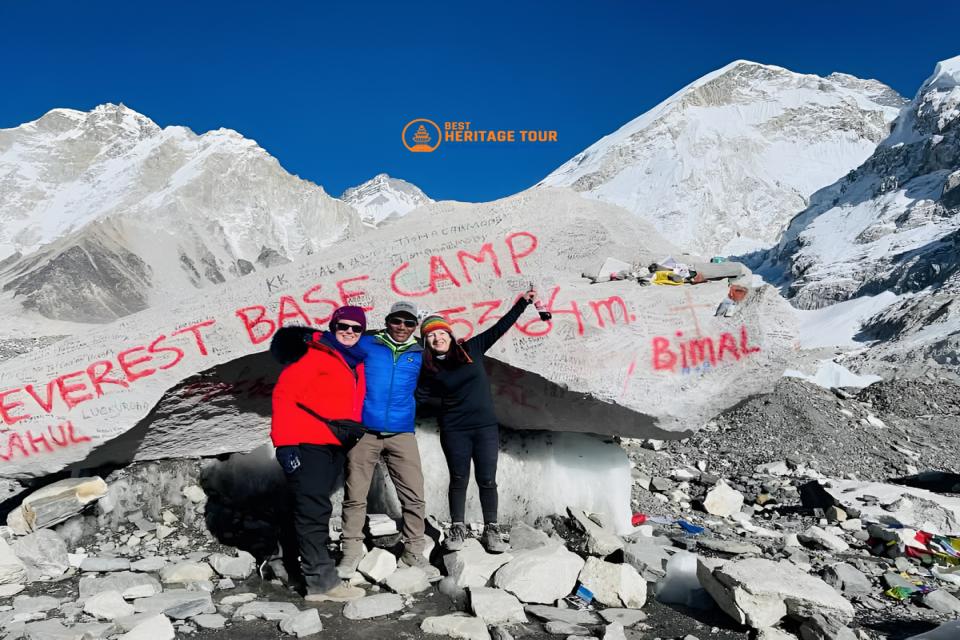
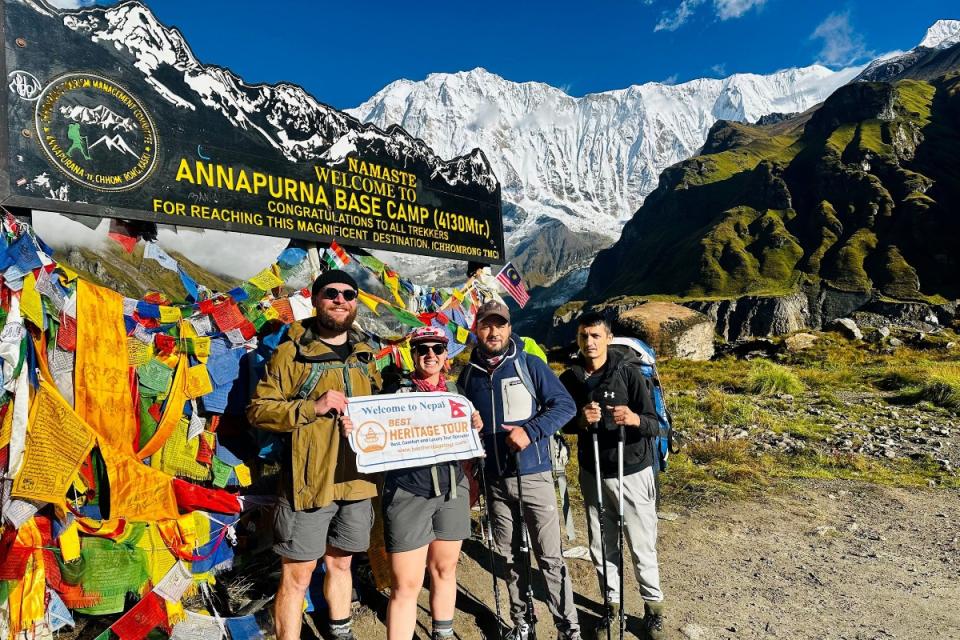
Best Treks: All major routes - EBC, Annapurna Circuit, Manaslu, Langtang, and Kanchenjunga - are fully open and recommended.
II. The Bloomer's Delight: Spring (March to May)
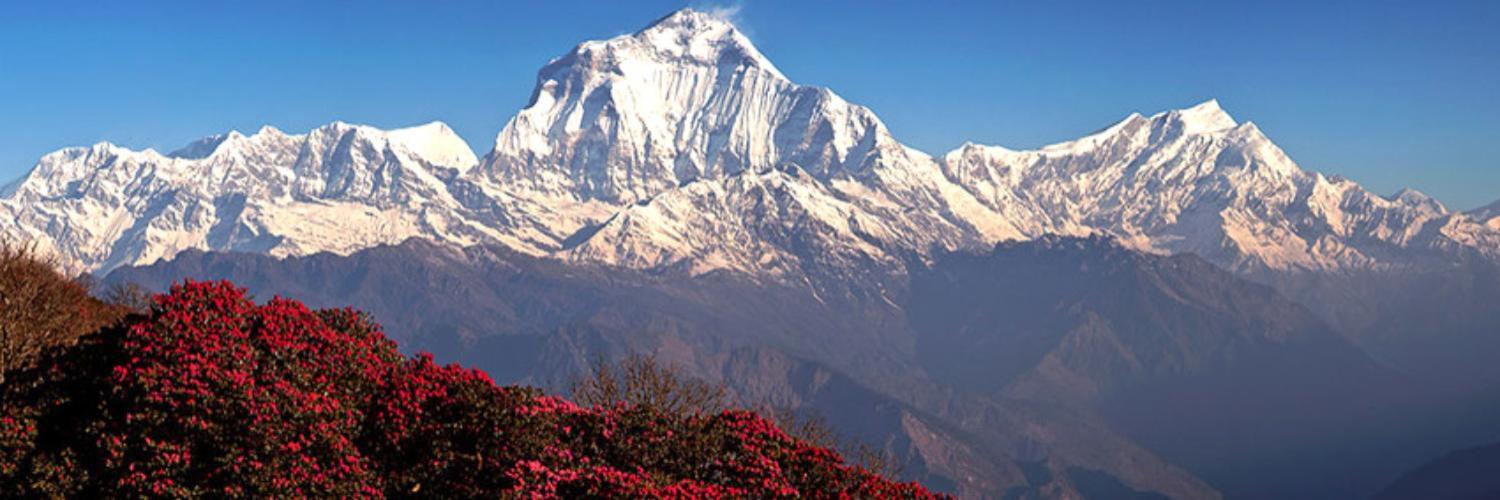
Spring is the second best season, marked by warming weather, melting snow, and the spectacular bloom of the national flower, the Rhododendron (Lali Gurans).
A. Trail Conditions: Wet Transition to Vibrant Green
-
Views: Excellent, especially in early spring (March and early April). Visibility may degrade slightly in late May due to pre-monsoon haze or dust, but views are consistently superb in the mornings.
-
Terrain: Lower trails (2,000-3,500m) are characterized by the stunning rhododendron forests in full bloom, painting the hillsides red, pink, and white. Trails are damp early on due to snowmelt, but quickly dry out.
-
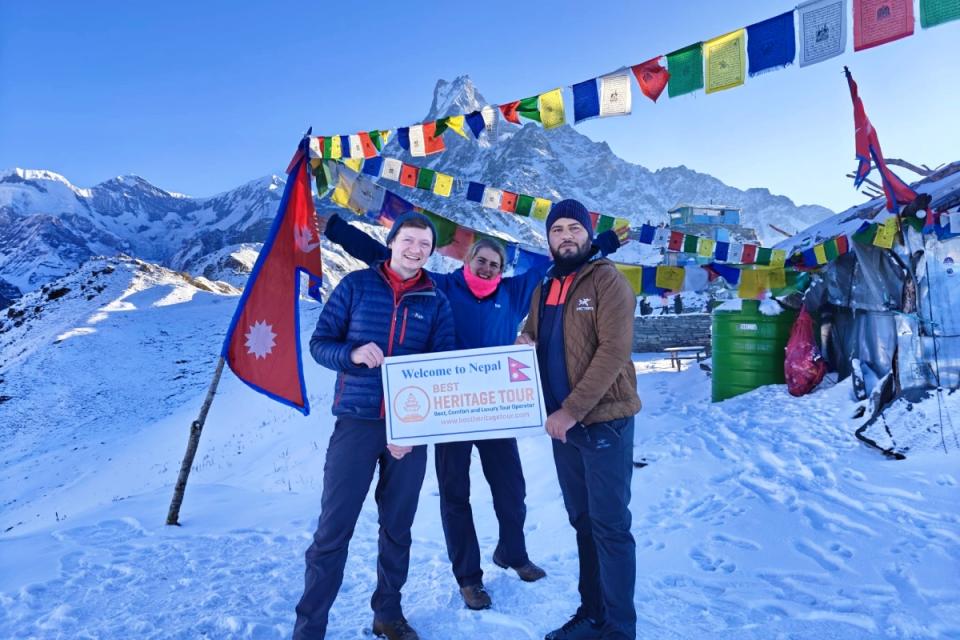
Snow: High passes and deep valleys will retain winter snow in March and even early April. Passes often require careful navigation or even special gear (micro spikes) early in the season, but they typically become fully accessible by late April.
-
The Transition: The challenge of this season is planning around the snow-melt schedule, which dictates the accessibility of high passes.
B. What to Expect
-
Temperature: Days are warmer than autumn, often pleasantly warm even at moderate altitudes. Nights are cold but less severe than winter.
-
Crowds: Trails are busy, though generally slightly less crowded than peak autumn.
-
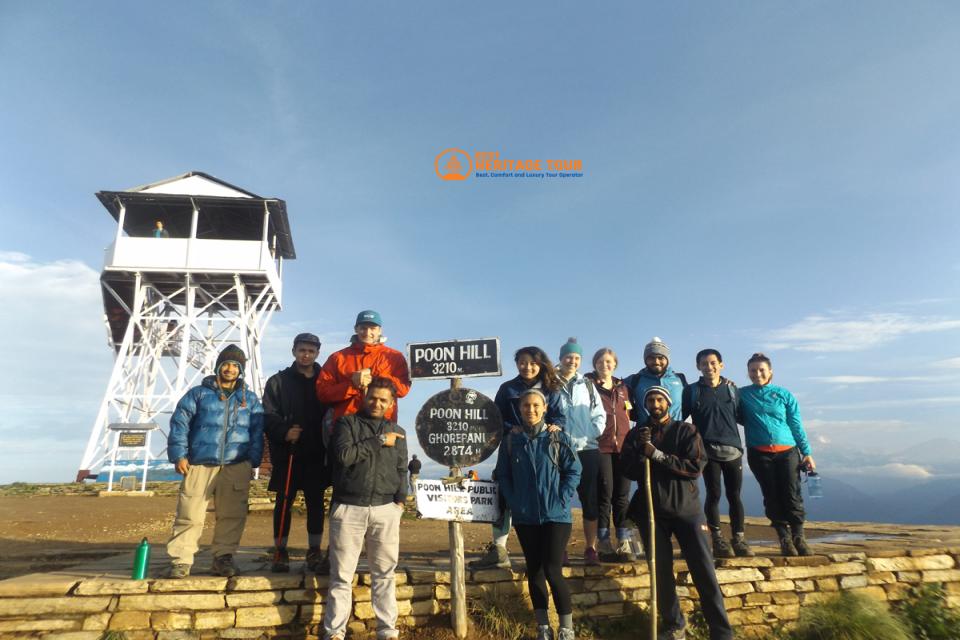
Best Treks: Annapurna Region (especially Poon Hill and Mardi Himal for the rhododendrons), Langtang Valley, and EBC (best accessed in late April/May for safer pass crossings).
III. The Quiet Challenge: Winter (December to February)
Winter is the season for those who prioritize solitude, crystal-clear lower views, and the raw beauty of frozen landscapes. It requires careful route selection and preparation.
A. Trail Conditions: Cold, Icy, and Snowy
-
Views: Views at lower altitudes (below 3,000m) are often the clearest of the year - sharp, dry, and exceptionally crisp.
-
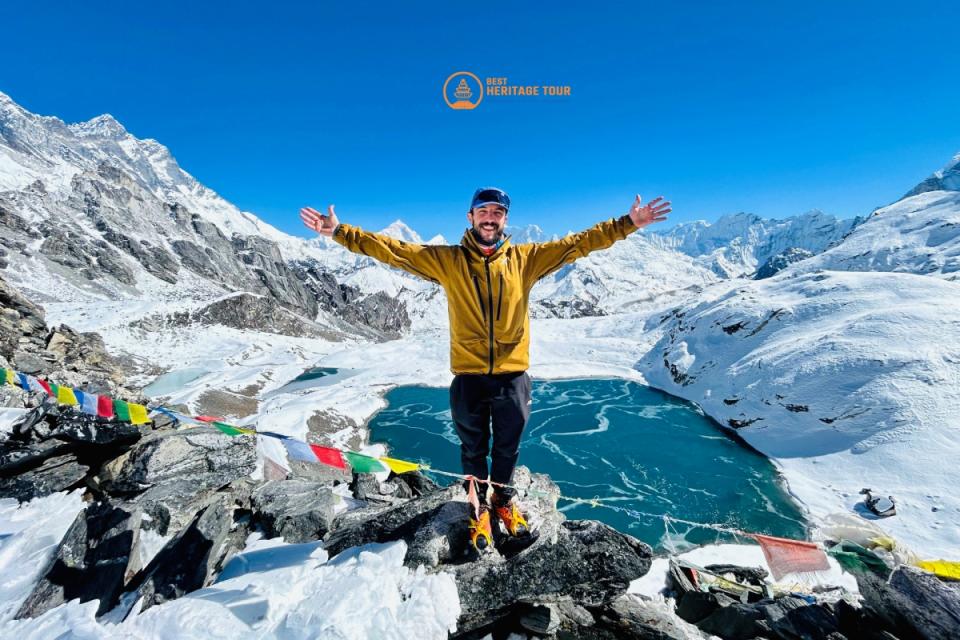
Terrain: The primary challenge is snow and ice. Above 4,000m, heavy snowfall is common, making trails slippery, dangerous, and sometimes impassable. Water sources can freeze.
-
High Passes: Major passes (Thorong La, Larkya La, Three Passes) are often closed or require specialized mountaineering gear and excellent timing. Crossing these passes in January or February is highly discouraged for regular trekkers due to avalanche risk and extreme cold.
B. What to Expect
-
Temperature: Extremely cold. Daytime temperatures can be manageable in the sun, but nights plunge far below freezing, especially above 3,500m.
-
Crowds: Minimal crowds. Tea houses in the highest villages may close partially or entirely, especially in January, but lower-altitude lodges remain open.
-
Best Treks: Low-altitude cultural treks (Poon Hill, Kathmandu Valley Rim), or specialized winter treks like Pikey Peak for a superb Everest view without extreme altitude, and Lower Mustang.
IV. The Rain and Green: Monsoon (June to August)
The summer monsoon is the time of heavy rains, intense humidity, and lush, vibrant landscapes. While challenging, the monsoon offers unique rewards for the prepared and selective traveler.
A. Trail Conditions: Mud, Leeches, and Landslides
-
Views: Highly unreliable. Views are often obscured by clouds, rain, and thick haze. However, when the clouds break, the dramatic contrast between the green hills and the peaks is spectacular.
-
Terrain: Slippery, muddy trails are standard below 3,000m, especially in forested areas. Leeches are prevalent in low-to-mid altitude forests (Annapurna and Langtang). Landslides and road blockages are a serious risk, especially on approach roads.
-
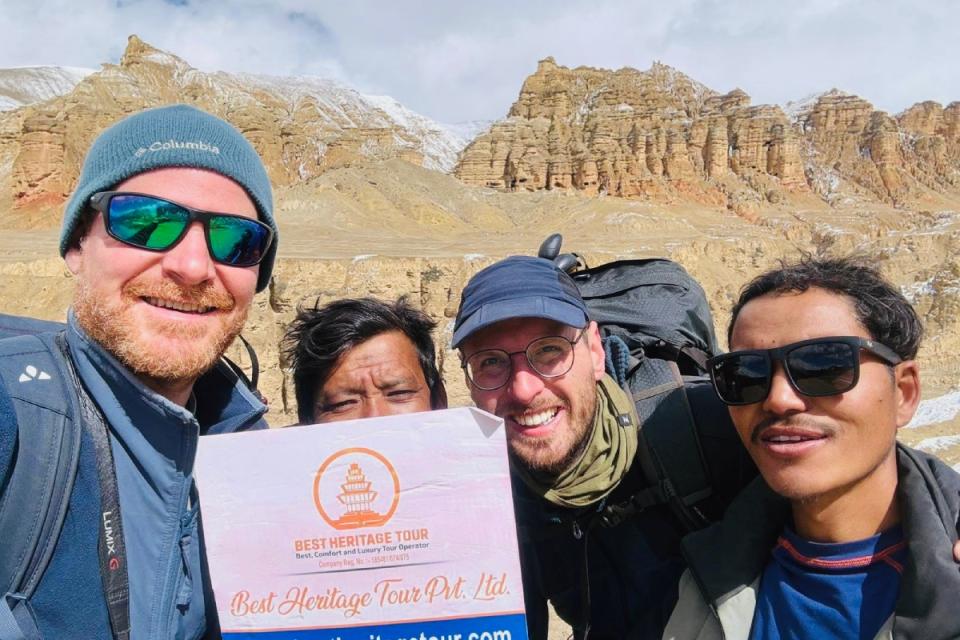
The Advantage: Rain Shadow Regions: Crucially, some regions lie in the rain shadow of the high mountains (e.g., Upper Mustang, Upper Dolpo, and Nar Phu Valley). These areas receive minimal rainfall and are optimal trekking destinations during the monsoon.
B. What to Expect
-
Temperature: Hot, humid, and rainy. Expect heavy rain, primarily in the afternoon and evening.
-
Crowds: Very low. This is the season for those who prioritize solitude and the quiet beauty of a verdant landscape.
-
Best Treks: Upper Mustang, Upper Dolpo, and Nar Phu Valley (require special permits and experienced guides). Low-altitude treks can be attempted with proper rain gear and anti-leech protection, emphasizing early morning starts.
Trail Conditions At A Glance
|
Season |
Months |
Trail Condition Highlights |
View Clarity |
Recommended Treks |
|---|---|---|---|---|
|
Autumn |
Sep - Nov |
Dry, firm, stable. Passes open. Minimal snow/mud. |
Best: Crystal Clear |
EBC, Annapurna Circuit, Manaslu (All-Access) |
|
Spring |
Mar - May |
Damp early, dry later. Rhododendron blooms. Snow on high passes early in the season. |
Very Good: Clear mornings |
ABC, Langtang, Ghorepani (Avoid passes in March) |
|
Monsoon |
Jun - Aug |
Muddy, slippery, leeches in forests. Landslide risk. |
Low/Unreliable |
Rain Shadow Regions (Upper Mustang, Dolpo) |
|
Winter |
Dec - Feb |
Icy, deep snow above 4,000m. Passes often closed. |
Excellent at lower altitude |
Poon Hill, Pikey Peak, Lower Mustang (Low-Altitude Focus) |
Choosing the right time to trek is as important as choosing the right gear. By understanding the unique conditions each season presents, you can not only prepare better but also tailor your trek to the experience you truly desire - be it the solitude of winter, the flowers of spring, the absolute clarity of autumn, or the cultural isolation of a monsoon rain-shadow trek.
Best Heritage Tour crafts custom itineraries built on up-to-the-minute trail condition reports and local expertise, ensuring your safety and maximizing your enjoyment, regardless of the season.
Ready to find the perfect time for your Himalayan journey?
Contact Best Heritage Tour to Discuss Trail Conditions for Your Dream Trek!
Phone / WhatsApp / Viber: +977-9851149197 / +977-9810043046
Email: info@bestheritagetour.com / bestheritagetour@gmail.com
Website: www.bestheritagetour.com
Office: Thamel Marg, Kathmandu, Nepal
Author: Best Heritage Tour
Date: 4th December, 2025