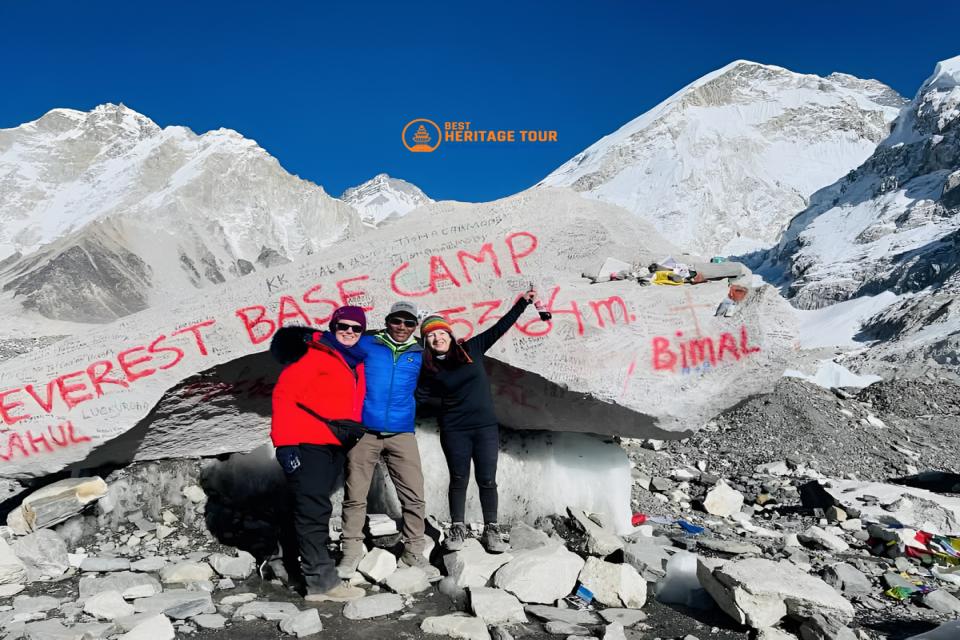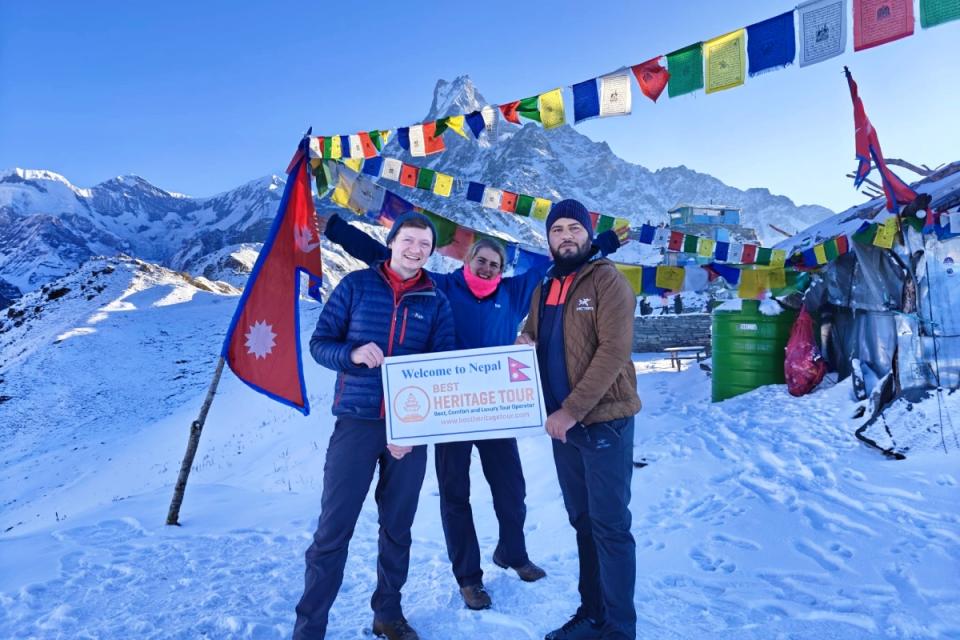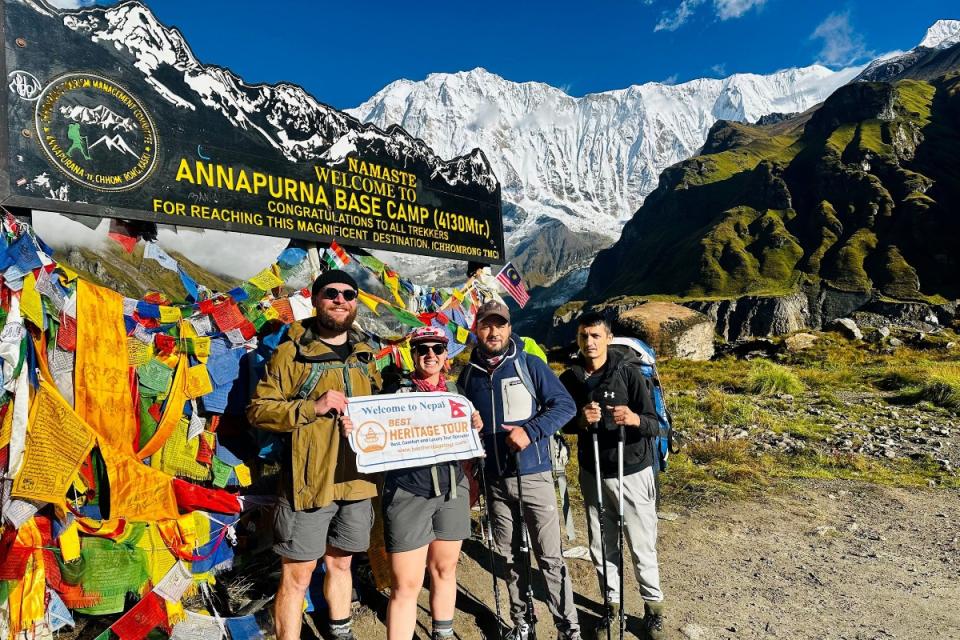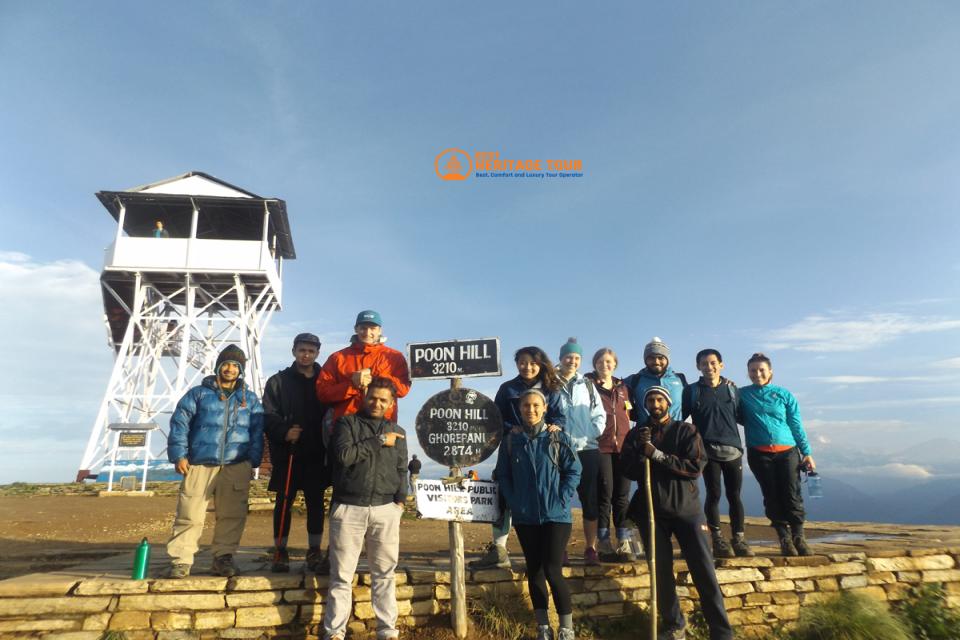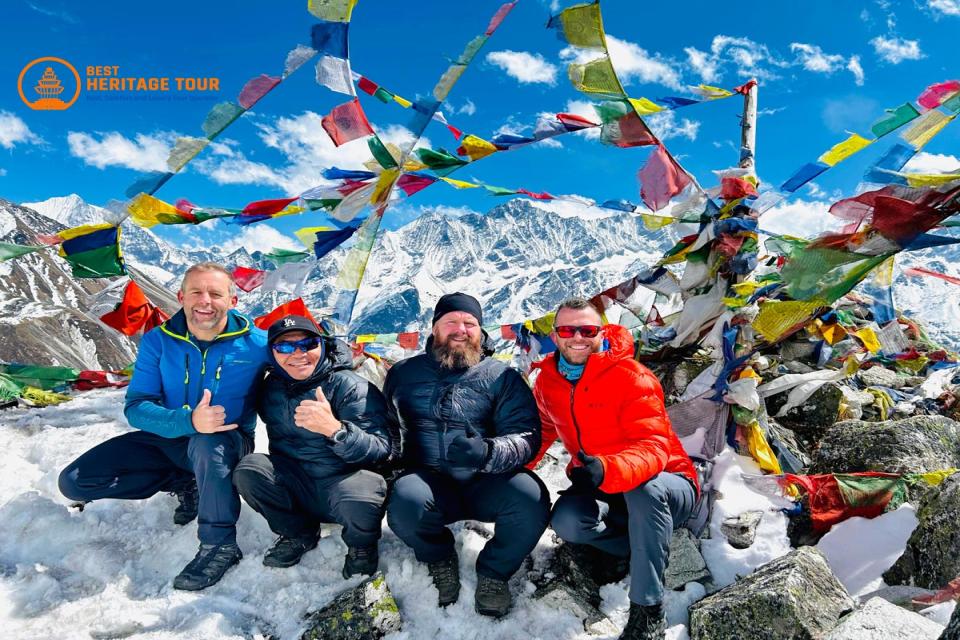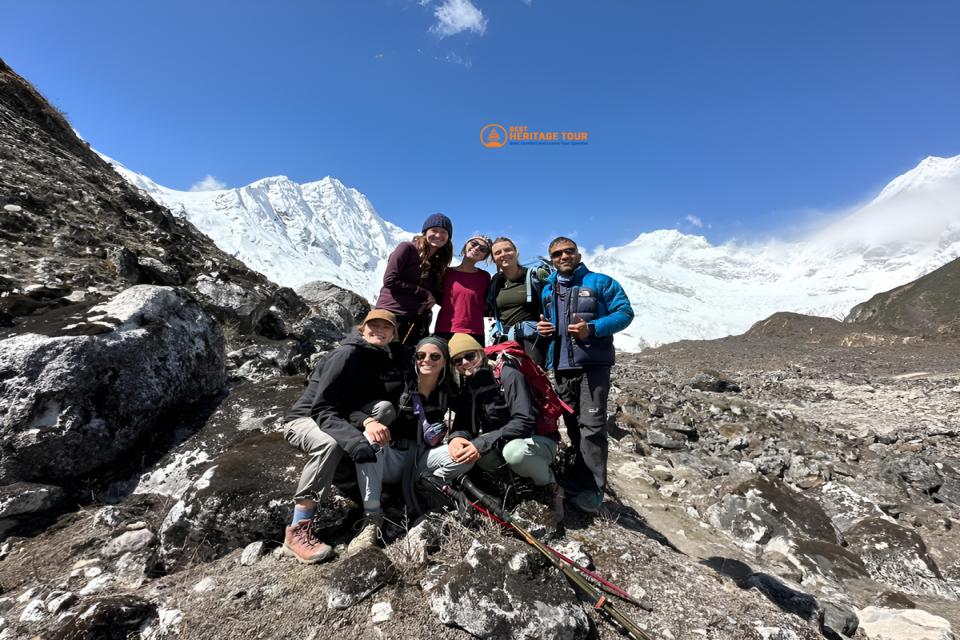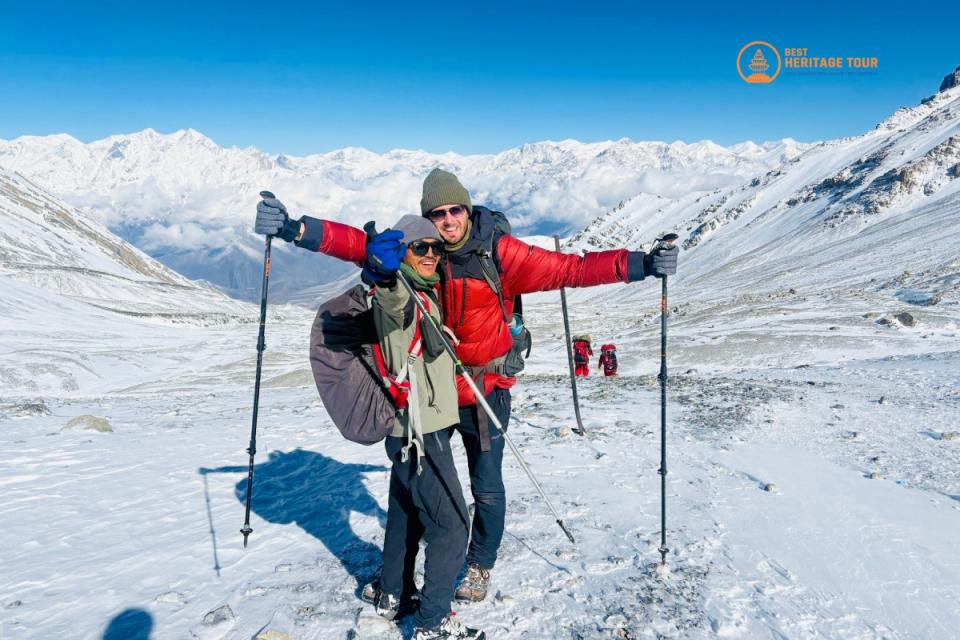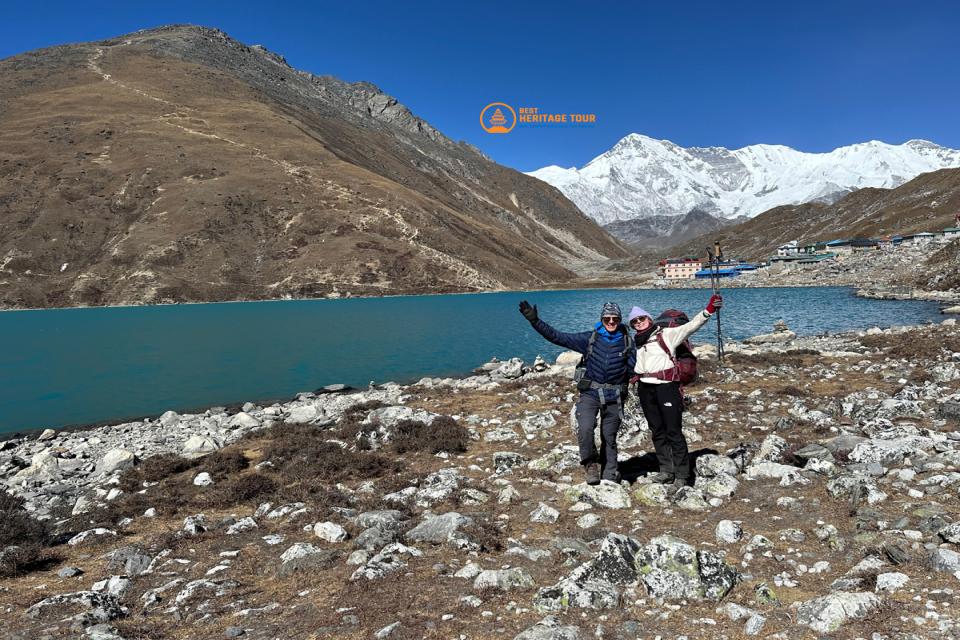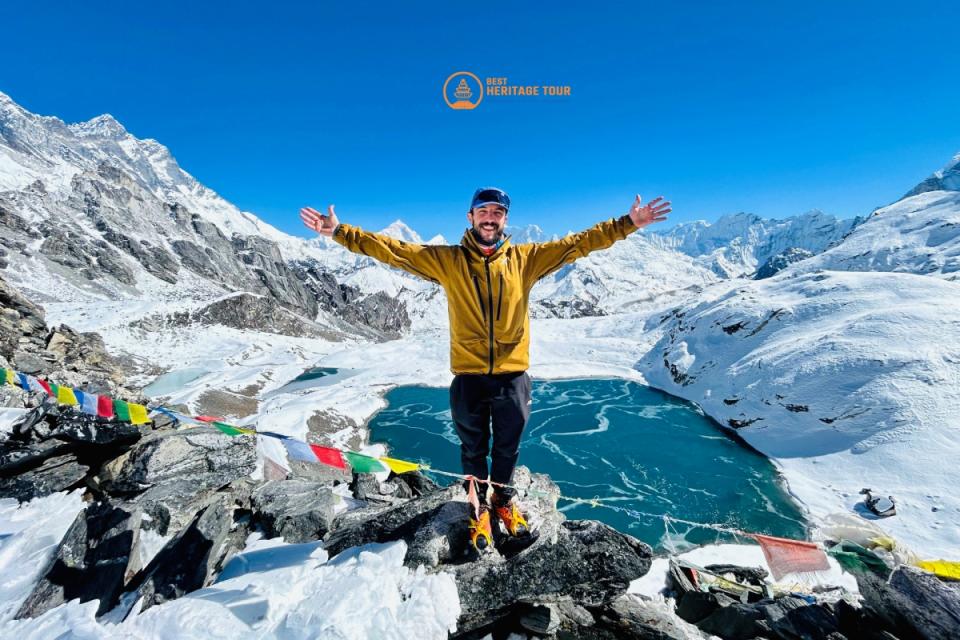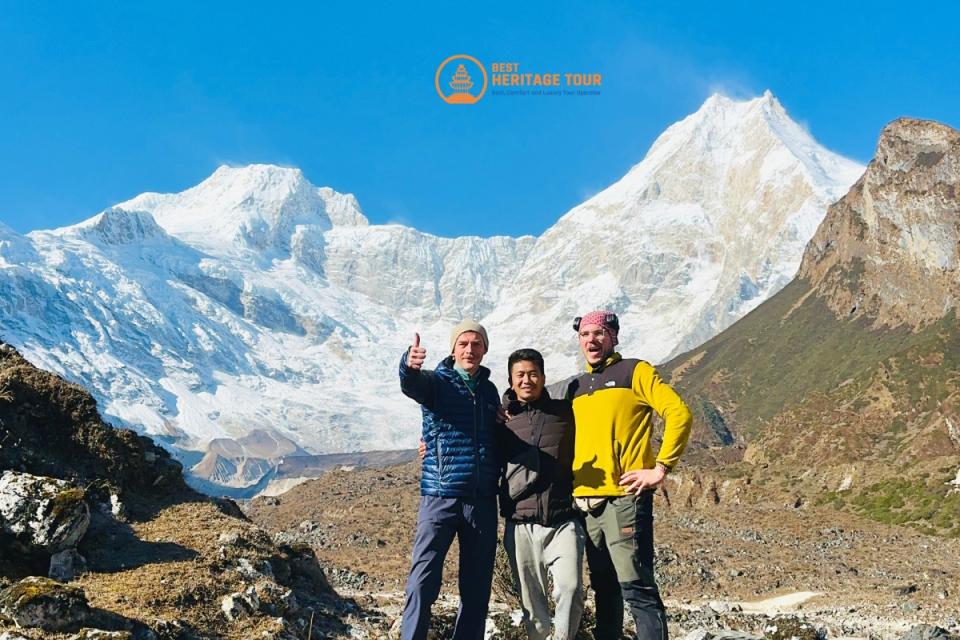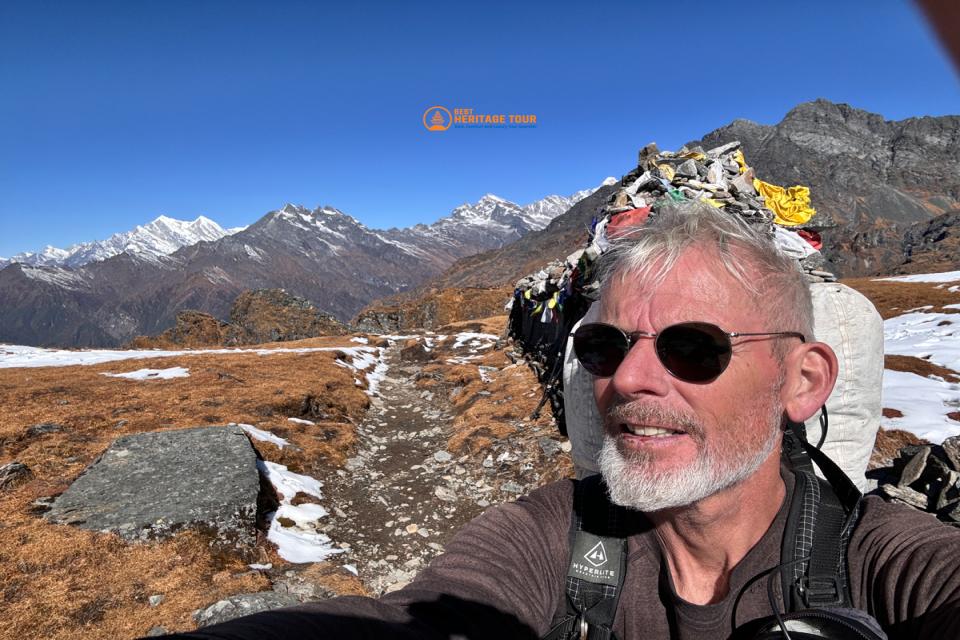
Nepal is more than a destination; it is an experience that transforms the soul. For the first-time trekker, stepping onto the ancient trails that wind beneath the world’s highest peaks is an exhilarating, yet often intimidating, prospect. The majesty of the Himalayas demands respect, preparation, and expert knowledge.
At Best Heritage Tour, we have guided countless adventurers - from seasoned mountaineers to complete novices - safely and successfully through the Annapurna, Everest, and Langtang regions. We understand the specific concerns and common mistakes made by those new to high-altitude trekking.
This comprehensive guide distils our decades of experience into 10 essential, non-negotiable trekking tips designed to ensure your first journey into the Nepali mountains is not just successful, but profoundly enjoyable. Read, prepare, and get ready to witness the unparalleled beauty of the Roof of the World.
Tip 1: Respect the Altitude - Walk “Bistari, Bistari” (Slowly, Slowly)
The number one mistake first-time trekkers make in Nepal is pushing too hard and ascending too fast. Altitude, not fitness, is the single greatest risk factor. Acute Mountain Sickness (AMS) is indiscriminate - it affects the fit and the unfit alike.
The Golden Rules of Acclimatization:
-
Ascend Gradually: Once above 3,000 meters (approx. 9,842 ft), your sleeping elevation should not increase by more than 300 to 500 meters per day.
-
Acclimatization Days: Ensure your itinerary includes dedicated rest days (often at places like Namche Bazaar or Manang). Use these days to Climb High, Sleep Low - take a short hike up to a higher point, then descend back to your lower lodge for the night. This tricks your body into adapting.
-
Pace Yourself: Forget your fastest hiking pace. In the Himalayas, the motto is Bistari, Bistari (slowly, slowly). Walk at a comfortable, sustainable pace that allows you to breathe easily and take in the view.
-
Consider Diamox: Consult your doctor about taking Acetazolamide (Diamox). It is a proven, prophylactic medication that aids the body's natural acclimatization process.
Safety Note: If you develop severe symptoms (a persistent headache not eased by painkillers, persistent nausea/vomiting, or severe fatigue), do not ascend further and be prepared to descend immediately. Descent is the only cure for serious AMS.
Tip 2: The Right Footwear is Non-Negotiable (Break Them In!)
Your feet are your most valuable asset on the trail. A blister can ruin an entire multi-day trek. Do not underestimate the ruggedness of Nepali trails, which range from loose scree and rocky steps to forest roots and, at higher altitudes, snow and ice.
Footwear Strategy:
-
Invest in Quality Boots: Choose boots with good ankle support, a stiff-enough sole for protection against rocky terrain, and a waterproof membrane (e.g., Gore-Tex).
-
Break Them In: This cannot be stressed enough. Wear your new boots daily for at least one month before your trip. Walk uphill, downhill, and across uneven ground. This molds the boot to your foot and highlights potential hot spots before the trek begins.
-
The Sock Game: Invest in Merino wool or high-quality synthetic hiking socks. Bring a mix of thin liner socks and thicker hiking socks. Never wear cotton socks while trekking, as cotton retains moisture and guarantees blisters.
-
Lodge Shoes: Pack a pair of lightweight sandals, Crocs, or running shoes. These are essential for wearing inside the teahouses and for quick trips outside at night, allowing your main boots to dry and your feet to breathe.
Tip 3: Hydration is Survival: Drink 4 Liters Daily
At high altitudes, the air is cold and dry. Your body loses moisture much faster through respiration (breathing) and increased urination (a natural physiological response to altitude). Dehydration drastically increases the risk and severity of AMS.
-
Minimum Target: Aim to drink 3.5 to 4 liters of fluid per day once you are trekking above 2,500 meters. This should primarily be water, with some herbal tea.
-
Purification Plan: Do NOT drink tap water. The most sustainable and ethical method is to use water purification tablets, liquid iodine, or a Steripen (UV filter). By purifying your own water, you avoid contributing to the massive plastic bottle waste problem in the Himalayas. Many teahouses now offer filtered or boiled water for a small fee; utilize this for safety.
-
Electrolytes: Carry ORS (Oral Rehydration Salts) or electrolyte tablets/powder. Adding electrolytes to some of your water helps your body absorb the fluid more effectively, replenishing essential minerals lost through sweat.
-
Avoid: Limit alcohol and excessive caffeine intake, as both are diuretics that promote dehydration and can mask AMS symptoms.
Tip 4: Master the Art of Layering: The Three-Layer System
Mountain weather is famously unpredictable; it can swing from scorching sun to freezing hail in minutes. The key to staying comfortable is the Three-Layer System, which allows you to regulate your body temperature without getting overly sweaty (which chills you) or freezing cold (which saps energy).
|
Layer |
Purpose |
Ideal Material |
When to Use |
|---|---|---|---|
|
Base Layer |
Wicks moisture away from the skin. |
Merino Wool or High-Quality Synthetic. NEVER Cotton. |
Worn directly against the skin while hiking. |
|
Mid Layer |
Provides warmth and insulation. |
Fleece or lightweight Puffy Jacket/Vest. |
Worn over the base layer, essential during breaks and cold sections. |
|
Shell Layer |
Protects against wind and rain/snow. |
Waterproof and Windproof Jacket (e.g., Gore-Tex). |
Worn only when needed to shield against external elements. |
Packing Pro-Tip: You can rent high-quality, cold-weather items like four-season sleeping bags and down jackets in Kathmandu or Pokhara for a fraction of the purchase price. This saves weight and money.
Tip 5: Go with a Local Guide and Porter (Ethically)
While it is possible to trek independently, hiring a local guide and porter is highly recommended for first-timers for safety, logistics, cultural enrichment, and, most importantly, ethical tourism.
-
Safety & Logistics: A licensed guide from a reputable company like Best Heritage Tour is trained in first aid, fluent in the local language (Nepali, Sherpa, etc.), knows the emergency evacuation procedures, and manages all teahouse bookings and permits.
-
Cultural Connection: Your guide is your window into the local culture. They can translate, explain local customs, and help you connect meaningfully with the mountain communities.
-
The Porter System: Porters are the backbone of Himalayan trekking. Hiring a porter supports the local economy directly. Best Heritage Tour adheres strictly to ethical guidelines: we ensure porters are well-paid, insured, equipped with proper gear, and never carry more than 25 kg, which is split between two trekkers.
-
Lighten Your Load: The porter carries your main duffel bag, leaving you to carry only a light 30L-40L daypack with essentials (water, snacks, shell jacket). This makes trekking significantly more enjoyable.
Tip 6: Budget for the Unexpected (Carry Cash)
Trekking in the mountains is not cheap, particularly as you gain elevation. Every service and commodity must be carried up by porters or yaks, which increases the price drastically.
-
Cash is King: Once you leave Pokhara or the Kathmandu Valley, ATMs are non-existent or unreliable. You must carry enough Nepalese Rupees (NPR) in cash for the entire trek.
-
Daily Expenses: Plan for USD $30-$40 per person, per day, in addition to your package cost (which covers accommodation and meals). This is for:
-
Hot showers (extra fee at teahouses).
-
Charging electronic devices.
-
Bottled water/boiled water (if not purifying your own).
-
Snacks (Chocolates, soft drinks, Pringles - often expensive).
-
Tips for the guide and porter (crucial).
-
-
Tipping Culture: Tipping is customary and highly appreciated, recognizing the hard work of your crew. A common guideline is 10-15% of your crew's salary for the trek duration, distributed at the end of the trip.
Tip 7: Eat Carbs, Avoid Meat (High-Altitude Diet)
Your appetite can decrease at high altitude, but your body needs more fuel. Your guides will recommend the best dietary choices for safety and energy.
-
Carbohydrates are Fuel: Your body metabolizes carbohydrates more efficiently using less oxygen than fats or proteins. Dal Bhat (lentils, rice, and curry) is the local superfood. It is calorie-dense, nutritious, and comes with the famous mantra: "Dal Bhat power, 24 hour!" Plus, refills are often free!
-
Avoid High-Risk Foods: It is best to avoid meat dishes as you gain altitude. Refrigeration and cleanliness standards are inconsistent in remote villages, increasing the risk of food poisoning, which, combined with altitude, can be dangerous.
-
Eat Frequently: Eat smaller, more frequent meals. Force yourself to eat, even if your appetite is low.
Tip 8: Secure Comprehensive Travel Insurance
A serious illness or injury in the Himalayas often requires helicopter evacuation, which is expensive and often requires upfront payment.
-
Altitude Coverage: Ensure your policy explicitly covers emergency helicopter evacuation up to your trek's maximum altitude (e.g., 5,500 meters for EBC). Many standard policies cap coverage at 2,500-4,000 meters.
-
Check the Fine Print: Verify that the policy covers medical expenses, trip cancellation/interruption, and lost/delayed baggage. Carry a physical copy of your insurance details, policy number, and the 24-hour emergency contact number with you at all times.
Tip 9: Respect the Culture and the Environment
You are a guest in a deeply spiritual and ancient land. Trekkers have a responsibility to respect the environment and the people.
-
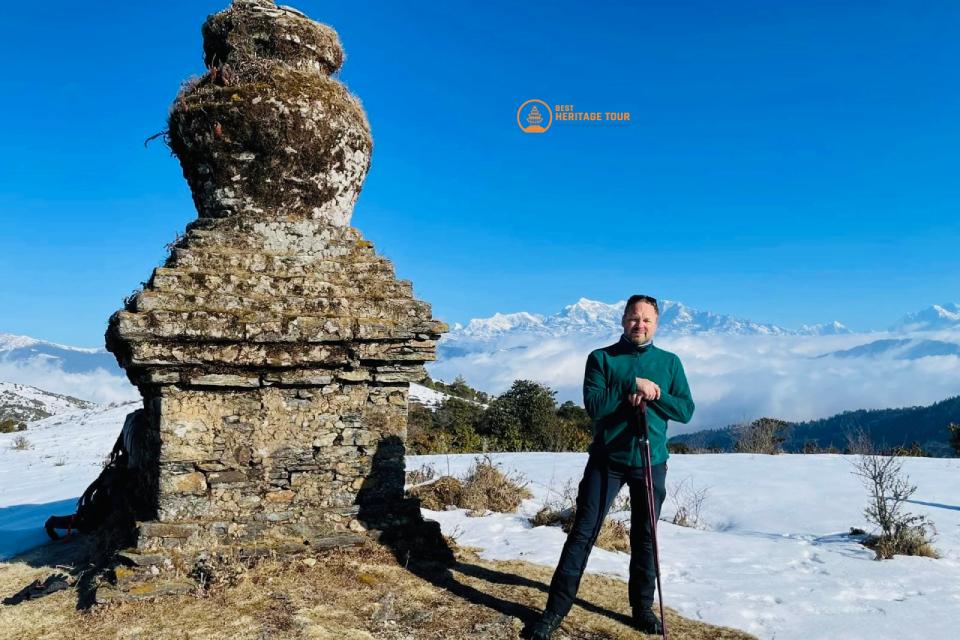
Mani Walls and Prayer Wheels: Always walk clockwise around chortens (stupa-like structures), monasteries, and Mani walls (stones carved with Buddhist prayers). Spin prayer wheels only in the clockwise direction. This is a sign of deep respect.
-
Dress Modestly: In villages and monasteries, dress modestly. While on the trail, trekking gear is fine, but ensure your body is covered in sacred areas.
-
Leave No Trace: Pack out everything you pack in (the "carry-in, carry-out" principle). Use designated bins, minimize plastic use, and never litter. Your Best Heritage Tour guide will reinforce these principles daily.
Tip 10: The Power of Mental Preparation
Nepal trekking is as much a mental challenge as a physical one. There will be tough days - days of persistent uphill, cold, or low energy.
-
Embrace Discomfort: Understand that trekking involves temporary discomfort. The rewards - the views, the culture, the feeling of accomplishment - are worth the struggle.
-
Focus on the Goal: Break the day's trek into small, manageable segments. Focus on walking to the next small teahouse or the next bend in the trail, not the distant destination.
-
Flexibility: Be mentally prepared for things to change - weather delays, flight cancellations (especially to Lukla), or a slight itinerary change for safety. The ability to be patient and flexible is essential for enjoying the Himalayan experience.
Bonus Tip: Physical Training (Start Early!)
While fitness doesn't prevent AMS, it makes the experience much more enjoyable.
-
4-6 Months Out: Focus on cardiovascular endurance (running, cycling, swimming) and leg strength (squats, lunges, step-ups).
-
Simulate the Load: Practice walking uphill on stairs or local trails while wearing your trekking boots and carrying the weighted daypack you plan to use. This gets your body used to the specific demands of the trek.
Conclusion: Your Trek Starts with the Right Partner
The Himalayas are the ultimate classroom, and every challenge met on the trail delivers a profound reward. By following these Top 10 Trekking Tips for First-Time Trekkers in Nepal, you are not just preparing your gear, but preparing your mindset.
Choosing a reputable, ethical, and experienced local guide service is your best defense against the unexpected. At Best Heritage Tour, we handle all the logistics, safety protocols, and local liaison, allowing you to focus completely on the majesty of the mountains and the rich culture of the Nepali people.
We invite you to join us for a safe, responsible, and unforgettable journey into the heart of the world's most spectacular mountains.
Ready to Plan Your First Unforgettable Trek?
Contact Best Heritage Tour
Phone / WhatsApp / Viber: +977-9851149197 / +977-9810043046
Email: info@bestheritagetour.com / bestheritagetour@gmail.com
Website: www.bestheritagetour.com
Location: Thamel Marg, Kathmandu, Nepal
Author: Best Heritage Tour
Date: 30th November, 2025