While the South Everest Base Camp (EBC) in Nepal is globally famous for its classic trekking trails, the North Everest Base Camp in Tibet (China) offers an entirely different, arguably more dramatic, and historically rich journey. Instead of a multi-day hike, the North EBC adventure is an epic high-altitude overland drive combined with cultural exploration of the vast Tibetan Plateau.
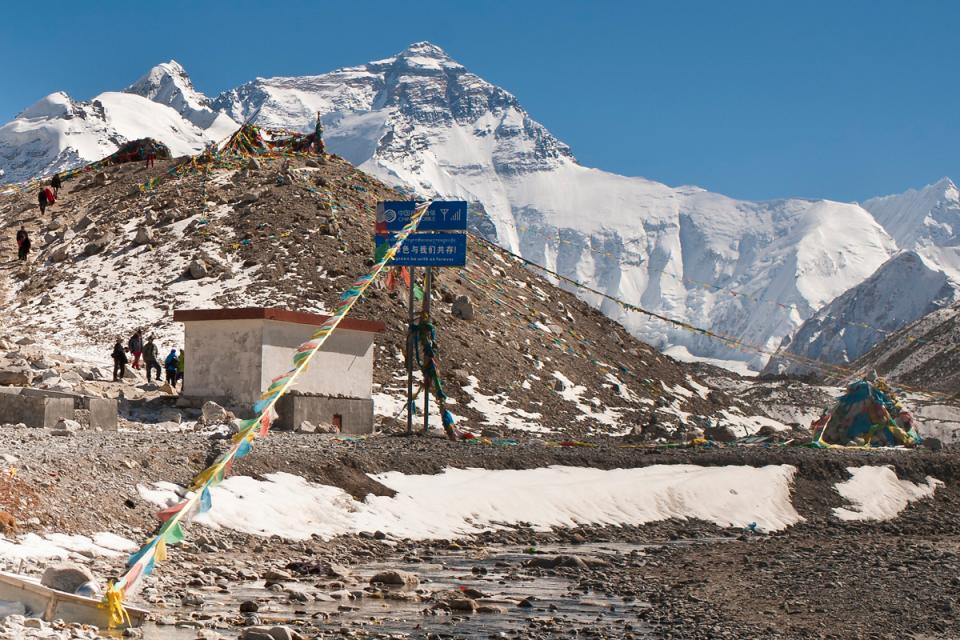
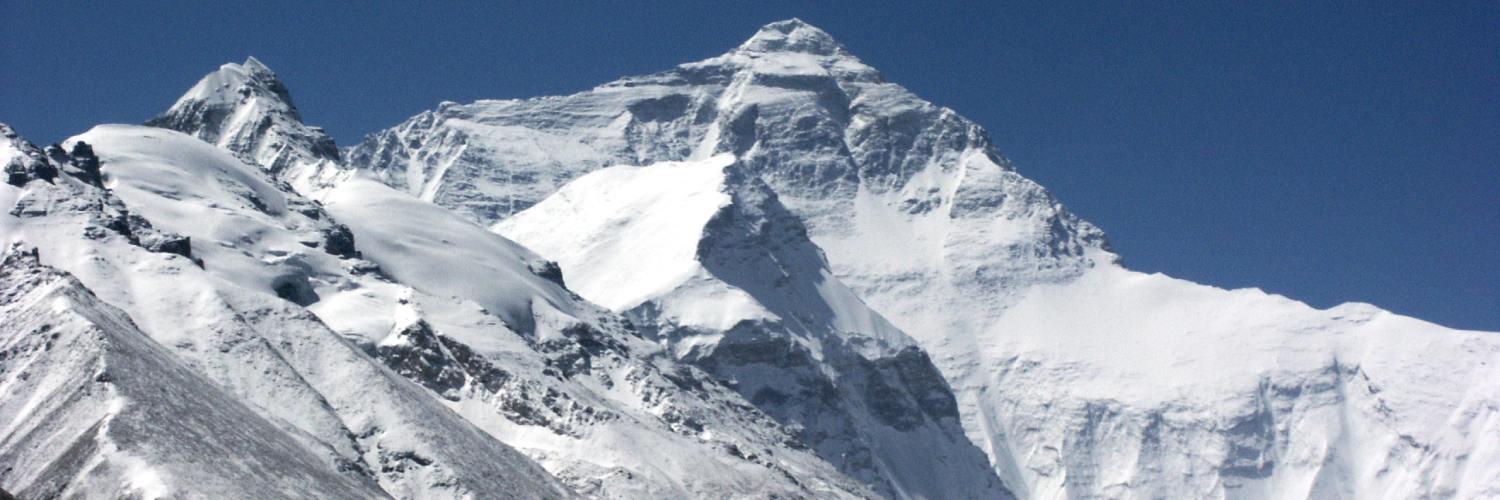
At an altitude of approximately 5,200 meters (17,060 ft), the North EBC grants you a massive, unobstructed view of the Everest (Mount Qomolangma) North Face - a breathtaking wall of rock and ice that has captivated adventurers for a century.
Best Heritage Tour specializes in meticulously organizing this entire package, handling the complex permits, expert Tibetan guides, and reliable transportation required for this extraordinary journey.
Part I: North vs. South - The Unique Appeal of the Tibet EBC
The Tibet EBC experience is distinct from its Nepalese counterpart. It is less about hiking and more about a profound, cultural road trip across the "Roof of the World."
1. The Key Differences
|
Feature |
Nepal EBC (South) |
Tibet EBC (North) |
|---|---|---|
|
View |
Viewed from Kala Patthar (5,550m), partially obscured by Nuptse. |
Massive, unobstructed view of the North Face from 5,200m. |
|
Primary Route |
Multi-day trekking (12-14 days). |
Overland drive from Lhasa; minimal trekking required. |
|
Altitude Profile |
Gradual increase via trekking from 2,840m (Lukla). |
Reaches high altitude quickly, beginning acclimatization in Lhasa (3,650m). |
|
Cultural Focus |
Sherpa culture and Buddhist monasteries (Tengboche). |
Central Tibetan culture,Potala Palace, ancient monasteries (Rongbuk). |
|
Logistics |
Independent travel is now banned; requires a guide. |
Always requires a full package tour (guide, driver, private vehicle). |
2. The Unobstructed View
The primary draw of the North EBC is the visual reward. The base camp is situated closer to the mountain front, offering a direct line of sight to the summit. For photographers and mountaineering history buffs, the view of the North Face - the route of the early British expeditions - is unparalleled.
Part II: The Epic Route - From Lhasa to the Roof of the World
The most common and efficient way to reach the North EBC is the classic overland journey, typically beginning in Tibet’s cultural capital, Lhasa. Our tour usually spans 7 to 9 days, balancing necessary acclimatization with cultural sightseeing.
A. Lhasa: Cultural Acclimatization (3,650m)
The journey begins with 2-3 days of mandatory acclimatization in Lhasa, the historical capital. This is crucial for safely adjusting to the high plateau and is filled with unforgettable cultural sites.
|
Destination |
Altitude |
Significance |
|---|---|---|
|
Potala Palace |
3,700m |
Former winter residence of the Dalai Lamas; a UNESCO World Heritage Site. |
|
Jokhang Temple |
3,650m |
Tibet’s most sacred temple; center of Buddhist pilgrimage (Kora). |
|
Sera/Drepung Monasteries |
3,650m |
Iconic monastic universities known for their ancient traditions and famous Monk Debates (Sera). |
B. The Overland Drive: Lakes, Cities, and Passes
After Lhasa, the route follows the Friendship Highway, crossing incredibly high passes and passing through traditional Tibetan cities.
|
Key Leg of the Journey |
Major Highlights |
Altitude Peak |
|---|---|---|
|
Lhasa to Gyantse/Shigatse |
Yamdrok Lake (one of Tibet’s three holiest lakes), Karola Glacier, GyantseKumbum. |
Kambala Pass (4,794m) |
|
Shigatse |
Tashilhunpo Monastery (seat of the Panchen Lama; the second most important religious figure in Tibet). |
3,845m |
|
Shigatse to Shegar (New Tingri) |
Traversing vast, high-altitude plains; dramatic Tibetan plateau scenery. |
Gyatso La Pass (5,220m) |
C. The Final Ascent: Rongbuk and EBC
The last push takes you off the main highway and onto the bumpy, dramatic road toward the Base Camp area.
-
Rongbuk Monastery (5,000m): Recognized as the highest monastery in the world, Rongbuk provides the first truly massive view of Everest. Tourists usually spend the night near here in the local guesthouses or the tent camps (seasonal).
-
Everest Base Camp (5,200m): From the Rongbuk area, private tour vehicles are generally restricted. Visitors take a shuttle bus (or hike for about 8km) to reach the actual tourist EBC viewpoint, where the iconic North Face stands in full glory.
-
The Best Moment: Sunset and sunrise from EBC, watching the last and first light illuminate the massive north face in shades of gold and pink, is the climax of the entire journey.
Part III: The Barrier to Entry - Critical Permits and Documentation
Tibet is an autonomous region of China, meaning entry and travel are subject to stringent regulations. Unlike Nepal, solo travel is impossible. All foreigners must travel in an organized group with a pre-booked tour, guide, and driver.
1. Mandatory Permits (Managed by Best Heritage Tour)
Securing these documents is complex and time-sensitive. Best Heritage Tour manages this entire process for you:
|
Permit Name |
Issuing Authority |
Purpose |
Acquisition Time |
|---|---|---|---|
|
1. China Visa / Tibet Group Visa |
Chinese Embassy in Kathmandu/Home Country |
Necessary for entry into China. If entering from Nepal, a specific Group Visa is required, regardless of existing personal visas. |
4-7 working days (The most complex part). |
|
2. Tibet Travel Permit (TTP) |
Tibet Tourism Bureau (TTB) in Lhasa |
The fundamental permit allowing entry into Tibet itself. Required before entering Tibet. |
15-20 working days (Requires booking the tour package well in advance). |
|
3. Alien’s Travel Permit (ATP) |
Public Security Bureau (PSB) |
Required for travel outside Lhasa, including Shigatse and the EBC area. |
Secured by the guide in Lhasa/Shigatse upon arrival. |
|
4. Military Permit / Frontier Pass |
Military and Border Control |
Required for regions near the Nepalese and Indian borders (where EBC is located). |
Secured by the agency, often alongside the TTP. |
Pro Tip: Because of the complex permit process, especially the specialized Tibet Group Visa required for entering from Nepal, travelers must provide all necessary documents (passport copies, photos, job titles) to Best Heritage Tourat least one month before the planned departure date.
2. EBC Access Restrictions
Note that you cannot simply drive a private vehicle up to the final EBC viewpoint. Access is controlled:
-
Rongbuk to EBC: All private vehicles must stop at the designated parking area near Rongbuk Monastery. A mandatory shuttle bus must be taken for the final 4km to the official tourist EBC site (5,200m).
Part IV: Essential Travel Tips and Safety on the Plateau
The Tibetan Plateau presents unique challenges, primarily due to its extreme altitude. Preparation is not just recommended - it is a matter of safety.
1. Altitude Sickness Prevention
The entire journey is conducted at high altitude, meaning Acclimatization is the single most critical factor.
-
Go Slow, Sleep Low: Our itinerary is built with adequate rest days in Lhasa (3,650m) and carefully timed overnight stays (never ascending more than 300-500m sleeping elevation per day, especially after Lhasa).
-
Hydration is Key: Drink a minimum of 4 liters of water/hot liquid daily. Avoid alcohol, caffeine, and smoking.
-
Medication: We recommend consulting your doctor about Diamox (Acetazolamide) before travel. Best Heritage Tour carries emergency oxygen supplies in all vehicles for immediate relief.
2. Best Season to Visit
The best time to travel coincides with the dry seasons, offering the clearest views of Everest.
|
Season |
Months |
Visibility and Conditions |
|---|---|---|
|
Spring |
April, May |
Excellent visibility, clear skies, increasing warmth. Peak expedition time means lively EBC. |
|
Autumn (Best) |
September, October |
Post-monsoon clarity; dry, stable weather, cold nights but superb views. Considered the absolute best time. |
|
Summer |
June, July, August |
Warmer, but prone to afternoon clouds/rain (monsoon effect), which can obscure the Everest view. |
|
Winter |
November to March |
Extremely cold but often very clear views. Fewer tourists and lower prices, but requires heavy winter gear. |
3. What to Pack for the North Face
Even in summer, temperatures at 5,200m plummet after sunset. Layers are vital.
Outerwear: Down jacket (must be -10°Crated or better), windproof/waterproof shell, fleece layers.
-
Extremities: Warm hat, thick waterproof gloves, thermal socks, and sturdy hiking boots.
-
Sun Protection: SPF 50+ sunscreen, lip balm with UV protection, and high-quality, wrap-around UV-blocking sunglasses (The sun intensity at this altitude is extreme).
-
Hygiene: Wet wipes/hand sanitizer (facilities at guesthouses can be basic).
Conclusion: Your Passport to the Roof of the World
The Tibet Everest Base Camp tour is a bucket-list achievement that combines the historical grandeur of Lhasa with the raw, untouchable majesty of Mount Everest's North Face. It is a seamless blend of cultural depth and high-altitude adventure that is only possible with expert logistical support.
Best Heritage Tour provides that essential expertise: managing every complex permit, providing safe, comfortable 4x4 transport across the plateau, and assigning experienced Tibetan guides who unlock the cultural secrets of the region. We ensure your focus remains solely on the incredible journey ahead.
The epic view of the North Face awaits you. Secure your fully permitted, expertly guided Tibet EBC expedition today!
Phone / WhatsApp / Viber: +977-9851149197 / +977-9810043046
Email: info@bestheritagetour.com / bestheritagetour@gmail.com
Website: www.bestheritagetour.com
Location: Thamel Marg, Kathmandu, Nepal
Author: Best Heritage Tour
Date: 1st December, 2025