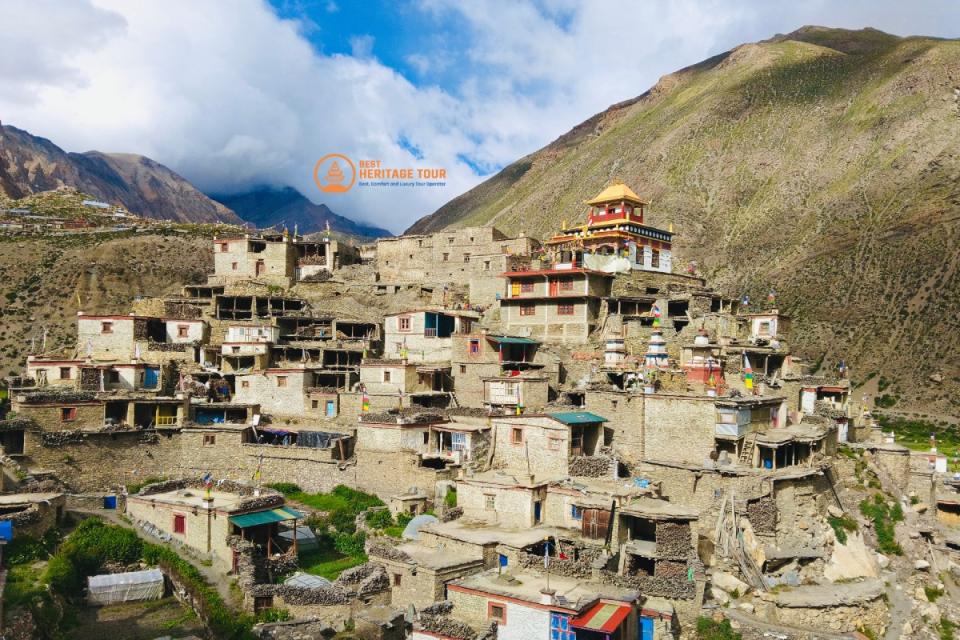
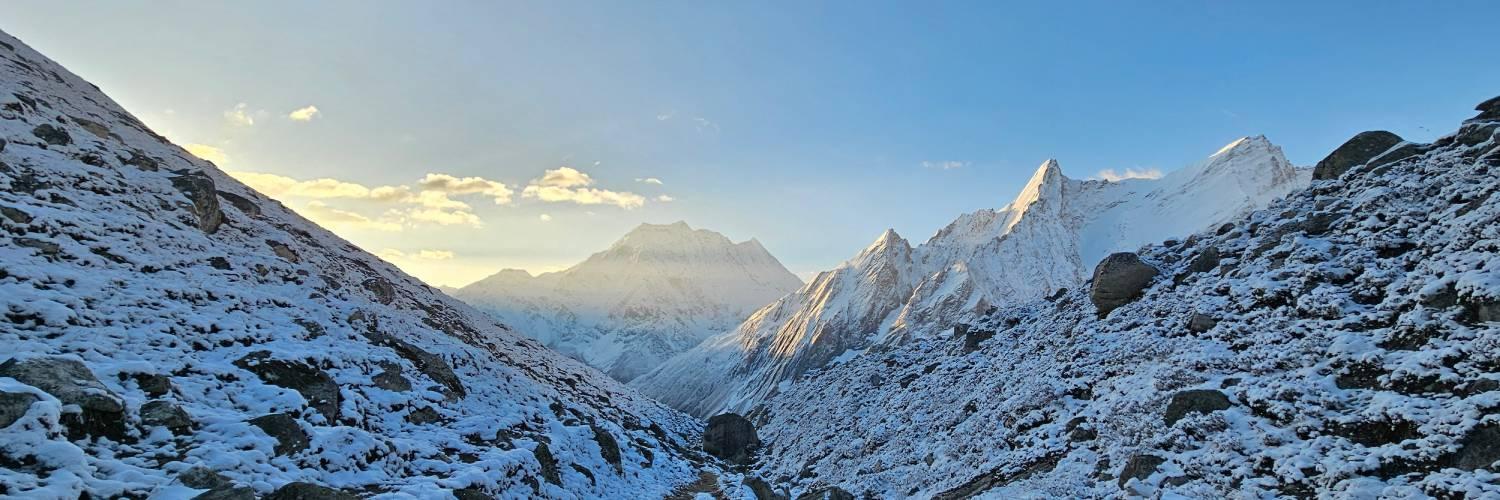
The pinnacle of any great Himalayan circuit is the pass crossing. It is the moment of ultimate challenge, physical reckoning, and unparalleled reward. For trekkers deciding between the Annapurna Circuit Trek (ACT) and the Manaslu Circuit Trek (MCT), the choice often boils down to a technical understanding of their respective high points: Thorong La Pass and Larkya La Pass.
While both passes hover above the 5,000m mark and require meticulous preparation, they offer dramatically different experiences regarding elevation, duration, approach, and logistics.
At Best Heritage Tour, we understand that conquering the pass is the ultimate goal. This expert comparison breaks down the key differences between Thorong La (5,416m) and Larkya La (5,106m) to help you prepare for your summit day.
The Vitals - Elevation, Duration, and Season
While Thorong La is higher, the complexity of the crossing is not determined by altitude alone.
1. Thorong La Pass (Annapurna Circuit)
The ACT's highest point is a major altitude milestone, making it a severe test of acclimatization.
-
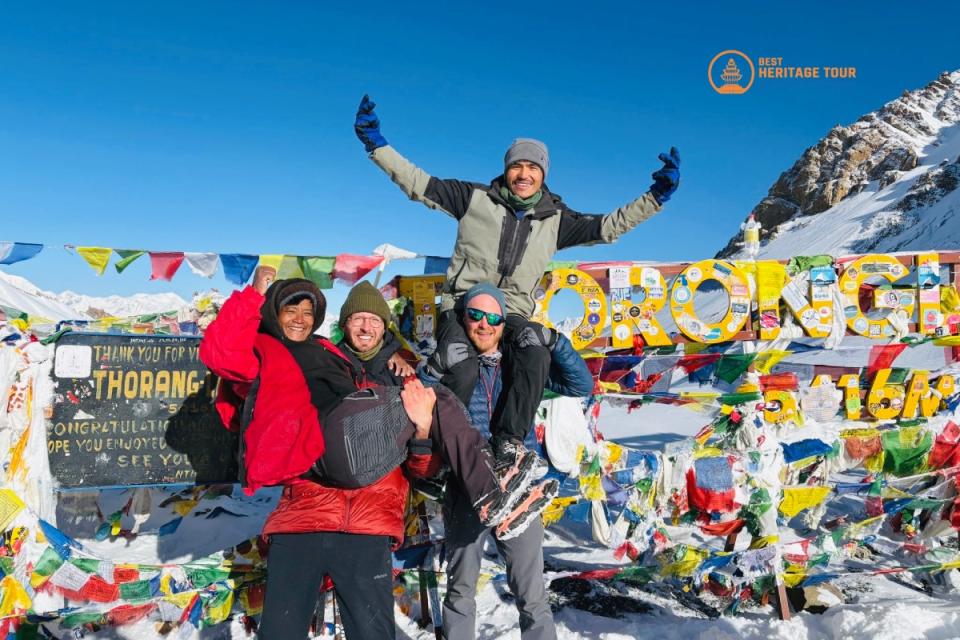
Altitude: 5,416m (17,769ft) - One of the highest trekking passes in the world.
-
Starting Point: Typically Thorong Phedi (4,535m) or High Camp (4,880m).
-
Summit Day Duration: approx. 7 - 10 hours (from Phedi/High Camp to Muktinath). The actual climb to the pass is often approx. 4 - 5 hours.
-
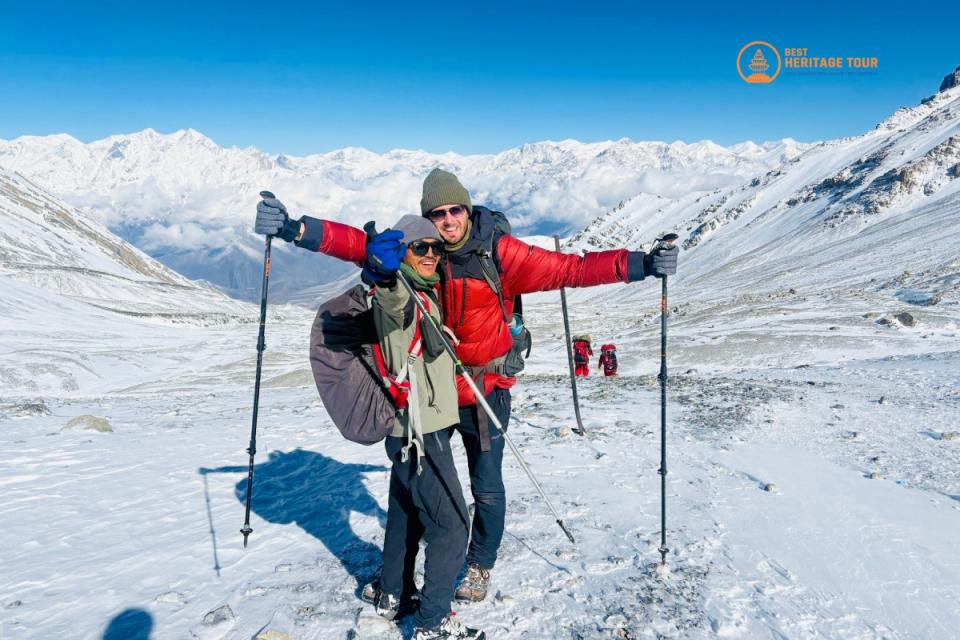
Defining Challenge: Pure elevation. The climb from High Camp is short, steep, and demanding due to the extreme lack of oxygen at 5,000m+.
-
Acclimatization Priority: The crucial rest day is spent in Manang (3,540m), where side trips (like to Ice Lake or Gangapurna Lake) are mandatory for acclimatization before the rapid ascent to Phedi.
2. Larkya La Pass (Manaslu Circuit)
The MCT's high point is lower in elevation but is located in a significantly more isolated environment, making the summit day a test of endurance.
-
Altitude: 5,106m (16,752ft) - A substantial high-altitude pass, but 310m lower than Thorong La.
-
Starting Point: Dharamsala / Larkya Phedi (4,460m).
-
Summit Day Duration: approx. 8 - 12 hours (from Dharamsala to Bimthang). The descent to Bimthang is long and demanding, making this an endurance challenge.
-
Defining Challenge: Sheer distance and isolation. The ascent to the pass and the long, sustained descent on the other side make it a marathon day.
-
Acclimatization Priority: Acclimatization is spread across multiple villages (Samagaon at 3,530m and Samdo at 3,875m), often including a final acclimatization push to Samdo Peak (4,800m).
The Ascent and Descent Experience
The geography of the approach and exit defines the character of each crossing.
1. The Thorong La Crossing (ACT)
The experience is defined by the proximity of supporting infrastructure and the directness of the climb.
-
The Approach: The final push is often made easier by the close proximity of the High Camp teahouse, allowing trekkers to start the ascent with a relatively fresh body at 4:00 AM.
-
The Trail: The trail is wide, well-worn, and typically sees heavy traffic, meaning footsteps are usually already established in the snow, making navigation simpler. The climb is a steep, continuous upward grind.
-
The Descent: The immediate descent from Thorong La into the Kali Gandaki Gorge (toward Muktinath) is fast and steep. While rough on the knees, the sharp drop in altitude is a rapid relief from the thin air of the pass, and the village of Muktinath offers immediate, well-established teahouse comfort.
2. The Larkya La Crossing (MCT)
This crossing is defined by its remoteness, the complexity of its descent, and its raw wilderness feel.
-
The Approach: The trail from Dharamsala is less direct than Thorong La's. The path is often narrower, traversing glacial moraine and sometimes requiring careful navigation across ice and rockfall areas, demanding more focus.
-
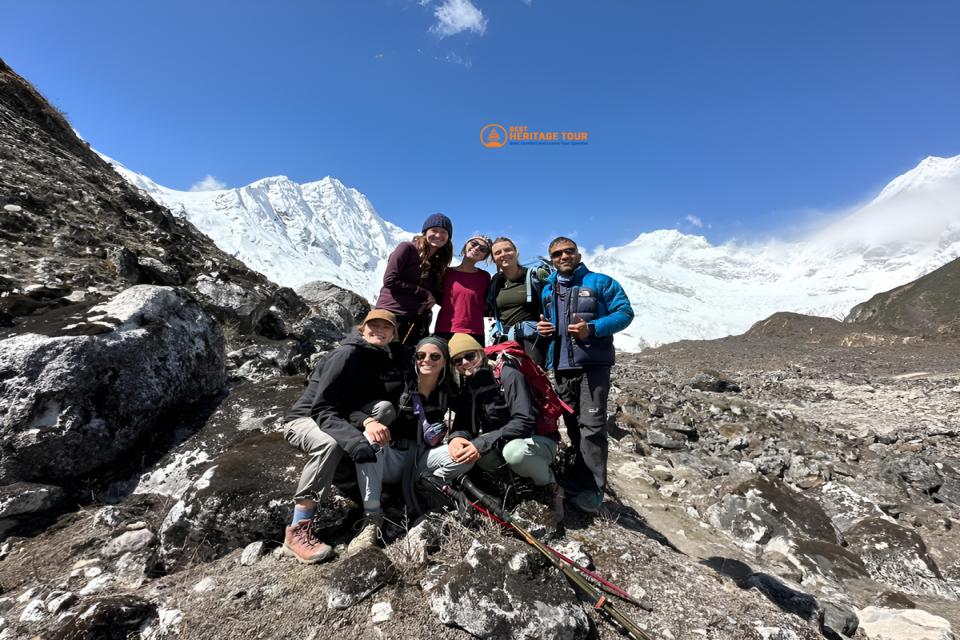
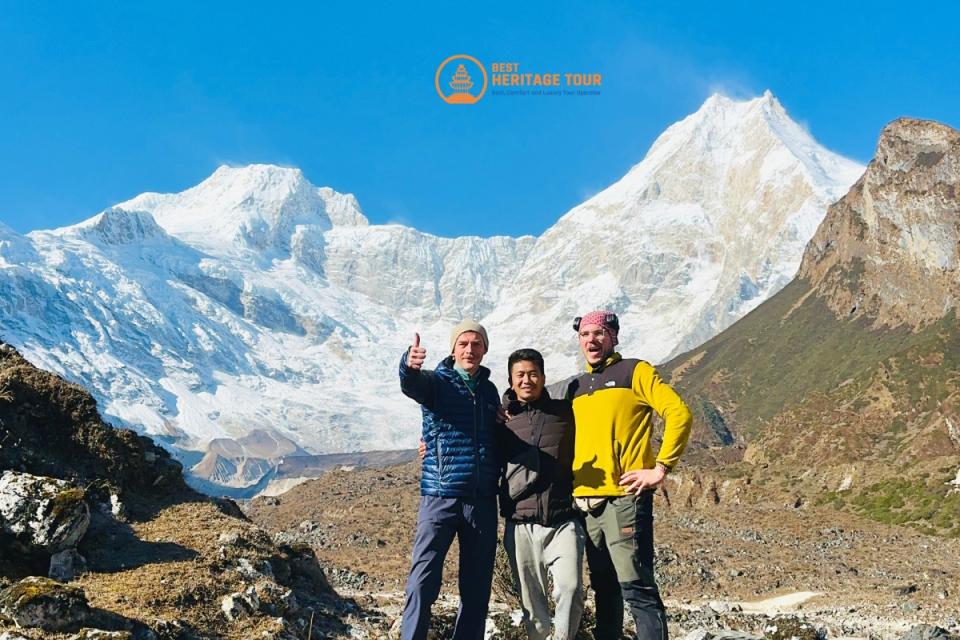
The Trail: The pass itself is marked by a cluster of prayer flags, but the surrounding peaks (Himalung, Cheo Himal) give it a raw, untamed feel. The trail is far less trafficked, often requiring the guide to break fresh trail after a snowfall.
-
The Descent: This is the most enduring aspect of the Larkya La day. The descent down the western side into the beautiful Bimthang Valley is long, sustained, and relentless (often 5+ hours downhill). Trekkers need to conserve energy for this long downhill slog, which is mentally and physically draining.
The Logistics and Safety Contrast
Safety protocols and logistical realities are drastically different due to the level of surrounding development.
1. Safety and Amenities
|
Feature |
Thorong La Pass (ACT) |
Larkya La Pass (MCT) |
|---|---|---|
|
Emergency Support |
Access to a small medical post in Manang and relatively easier logistics for non-helicopter extraction (near Jomsom). |
No medical posts above Samagaon. Rescue is entirely dependent on helicopter evacuation. |
|
Teahouse Support |
A dedicated High Camp (4,880m) provides a slightly better night's rest closer to the pass. |
Dharamsala/Larkya Phedi (4,460m) is the final stop. The facilities here are minimal and very basic, requiring trekkers to be completely self-sufficient. |
|
Navigation |
Very well-marked with flags and clear foot traffic; lower risk of getting lost. |
Higher risk of poor visibility in snow/fog; complete reliance on the guide's expertise. |
2. The Weather Dynamic
Both passes are subject to extreme, sudden weather changes, but the consequences differ:
-
Thorong La: The altitude makes a sudden drop in temperature or high winds dangerous due to increased AMS risk, but the proximity to Muktinath and Jomsom provides faster egress.
-
Larkya La: While lower, the exposure on the long descent means a sudden blizzard or white-out can lead to high-risk situations (hypothermia, disorientation). The total isolation means external help takes longer.
Best Heritage Tour Safety Note: Both crossings must be started well before dawn (ideally 4:00 AM) to ensure you are over the highest point before 10:00 AM, minimizing exposure to afternoon winds and potential cloud cover.
Conclusion: Which Pass is Right for Your Adventure?
Choosing between Thorong La and Larkya La is choosing the kind of high-mountain challenge you are seeking: a challenge of extreme altitude supported by civilization, or a challenge of pure endurance and wilderness isolation.
|
Choose Thorong La (5,416m) If... |
Choose Larkya La (5,106m) If... |
|---|---|
|
Your primary goal is the highest altitude milestone on a trekking pass. |
Your primary goal is isolation and a true wilderness adventure. |
|
You want the benefit of established medical and teahouse support at High Camp. |
You are prepared for a longer, more rugged, 10+ hour summit day with basic facilities. |
|
You prefer a faster, steeper descent to quickly drop into the Mustang region. |
You want the feeling of breaking trail in a remote location where you rely only on your team. |
Whichever path you choose, crossing either Thorong La or Larkya La will be the most rewarding day of your Himalayan adventure. Best Heritage Tour provides the expert guides, meticulous acclimatization plans, and emergency support to ensure your summit day is safe, successful, and unforgettable.
Ready to Conquer Your Himalayan Pass?
Contact Best Heritage Tour today to plan your specialized Annapurna or Manaslu Circuit Trek itinerary.
Phone / WhatsApp / Viber: +977-9851149197 / +977-9810043046
Email: info@bestheritagetour.com / bestheritagetour@gmail.com
Website: www.bestheritagetour.com
Office: Thamel Marg, Kathmandu, Nepal
Author: Best Heritage Tour
Date: 14th December, 2025