Are you ready to swap the towering limestone peaks of the Himalayas for the emerald depths of a subtropical jungle? Welcome to Chitwan, the "Heart of the Jungle" and Nepal's premier destination for wildlife enthusiasts and cultural seekers alike.
As a UNESCO World Heritage site since 1984, Chitwan National Park represents one of the best-preserved conservation success stories in Asia. At Best Heritage Tour, we believe that a journey to Nepal isn't complete without witnessing the raw, untamed beauty of the Terai plains. Whether you are a seasoned trekker looking for a "recovery" destination after the Everest Base Camp or a first-time traveler seeking an authentic encounter with the wild, Chitwan offers a rhythm that is both exhilarating and deeply soul-soothing.
In this guide, we dive deep into the best things to do in Chitwan in 2026, providing you with the expert insights you need to plan an unforgettable jungle escape.
1. The Classic Jeep Safari: Going Deep into the Core
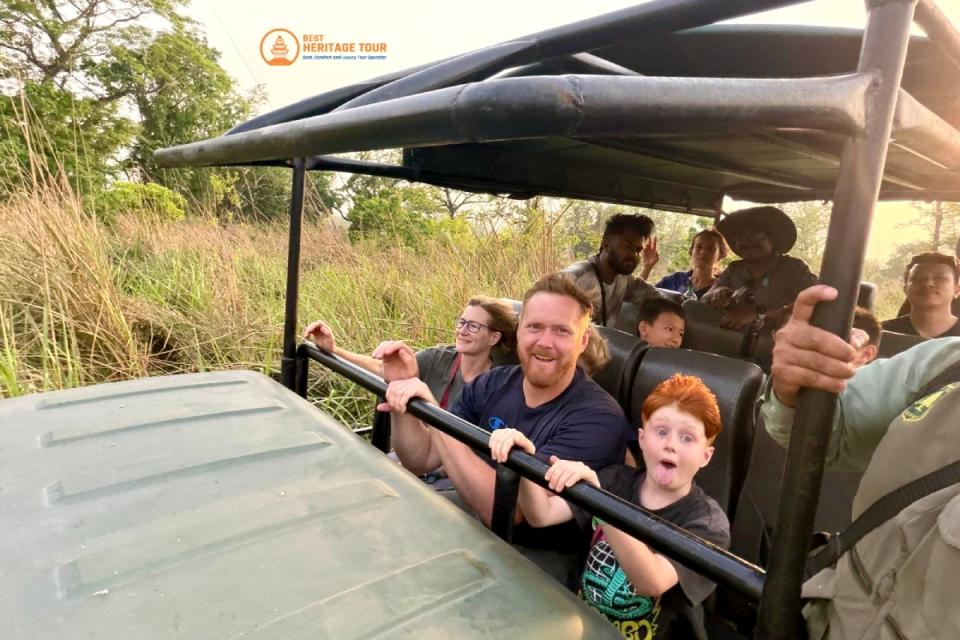
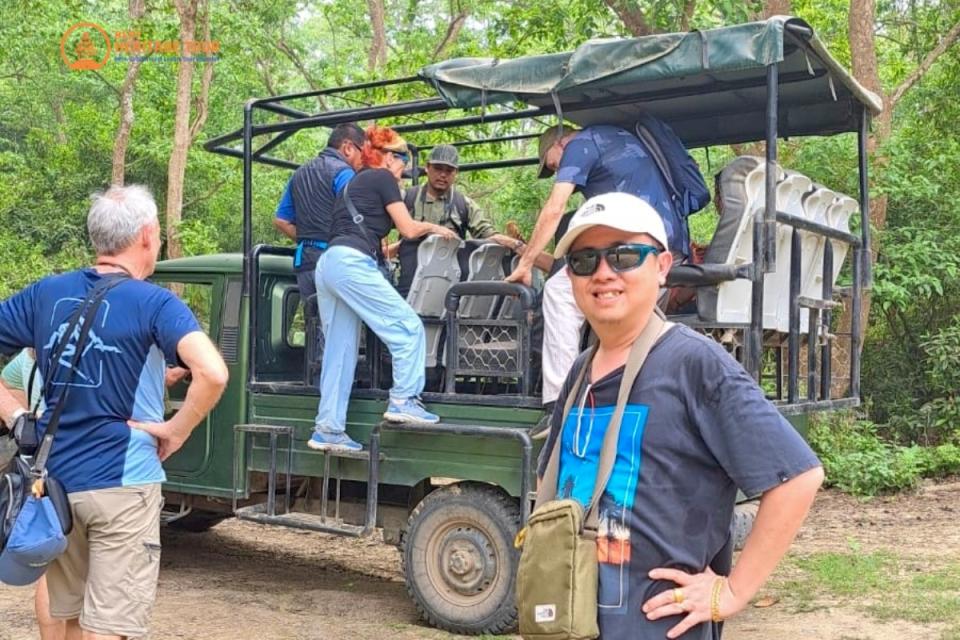
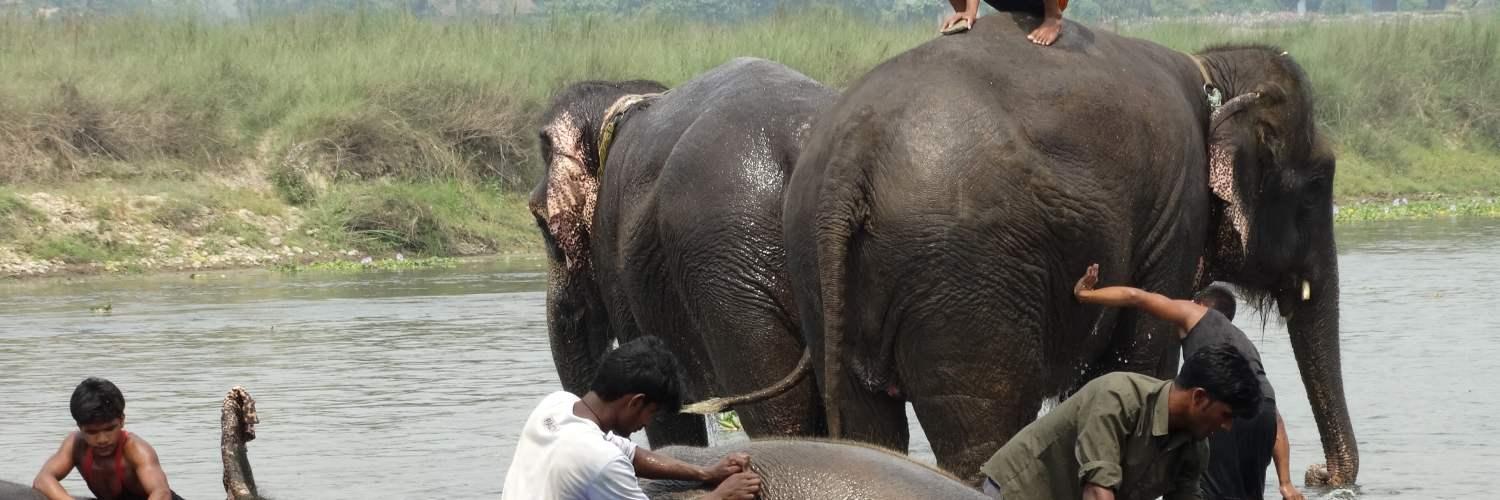
If there is one quintessential experience in Chitwan, it is the Jeep Safari. While elephant safaris have been the traditional choice, the 2026 travel landscape has seen a significant shift toward motorized safaris and ethical wildlife viewing.
A Jeep safari allows you to cover vast distances - from the dense Sal forests to the sprawling "Elephant Grass" (which can grow up to 8 meters high!).
-
The Experience: You’ll venture into the "core area" of the park. Our expert naturalists at Best Heritage Tour accompany you, using their trained ears and eyes to track the rustle of leaves or the warning calls of deer.
-
The Goal: Spotting the Greater One-Horned Rhinoceros. Chitwan is home to over 600 of these prehistoric-looking beauties. If the "Jungle Gods" are smiling, you might even catch a glimpse of the elusive Royal Bengal Tiger.
2. Jungle Walking: The Ultimate Thrill for Trekkers
For those who have spent weeks trekking through the Annapurnas, a Jungle Walk in Chitwan offers a different kind of physical challenge. This is not just a hike; it’s a sensory immersion.
Walking on foot through territory inhabited by rhinos, sloth bears, and wild elephants is an adrenaline rush unlike any other.
-
Safety First: You are never alone. At least two licensed nature guides will lead the way, armed with bamboo poles and an incredible knowledge of animal behavior.
-
What You’ll Learn: This is the best way to learn about the "small things" - medicinal plants, rare insects, and the art of tracking paw prints (pugs) in the soft mud.
3. Canoeing on the Rapti River: A Silent Drift
As the morning mist lifts off the Rapti River, there is no better way to start your day than in a traditional dugout canoe, carved from a single tree trunk.
This is the preferred activity for photographers and birdwatchers. The silence of the water allows you to get incredibly close to the riverine life.
-
The Crocodiles: Keep your eyes peeled for the Gharial, a rare, fish-eating crocodile with a long, thin snout, and its more aggressive cousin, the Marsh Mugger.
-
The Birds: Chitwan is a global hotspot for avian life, boasting over 540 species. Look out for the Giant Hornbill, the Ruddy Shelduck, and the vibrant Kingfishers darting over the water.
4. Tharu Cultural Immersion: Meeting the Land Keepers
At Best Heritage Tour, we emphasize the "Heritage" in our name. To visit Chitwan and only see the animals is to miss half the story. The Tharu people are the indigenous inhabitants of the Terai, known for their unique resistance to malaria and their deep, spiritual connection to the forest.
-
Village Tours: We take you into the heart of a Tharu village. Observe the traditional mud-and-clay houses decorated with beautiful geometric art.
-
The Tharu Stick Dance: In the evening, the community gathers to perform the "Dhangari Tharu" dance. The rhythmic clacking of sticks and the vibrant energy of the dancers tell stories of courage, harvest, and life in the jungle.
5. Beesh Hazar Tal (20,000 Lakes)
Located in the buffer zone of the national park, this oxbow lake system is a hidden gem often overlooked by the average tourist. For the conscious traveler, Beesh Hazar Tal offers a serene escape.
-
Why Visit: It is an internationally recognized Ramsar site (wetland of importance). It serves as a vital watering hole for wildlife, especially during the dry season (February to April).
-
Activity: Many of our guests enjoy renting a mountain bike and cycling through the forest trails to reach the lake - a perfect blend of adventure and wildlife spotting.
6. Conservation in Action: The Gharial Breeding Center
Sustainability is at the core of 2026 travel. A visit to the Gharial Breeding Center in Kasara is an educational experience that highlights the fragile balance of our ecosystem.
The Gharial is critically endangered. Here, you can see the efforts being made to hatch eggs in a protected environment before releasing the juveniles back into the wild. It’s a sobering yet hopeful look at how tourism can directly support conservation.
Planning Your Trip: The "Best Heritage Tour" Expert Tips
To ensure your Chitwan adventure is seamless, we’ve compiled the essential "Need-to-Knows" for 2026.
When to Go: The Seasonal Breakdown
-
Peak Season (October to March): The weather is perfect - cool mornings and sunny days. The grass is shorter after the annual "controlled burns" in January/February, making wildlife sightings (especially tigers) much more frequent.
-
The Shoulder Season (April to June): It gets hot (sometimes over 35°C), but this is when the animals congregate at the waterholes. If you can handle the heat, the wildlife viewing is spectacular.
-
The Monsoon (July to September): The park becomes a lush, green paradise. While some tracks are closed for Jeeps, the river activities and village tours remain magical.
What to Pack: The "Jungle Survival" List
Chitwan requires a different wardrobe than the mountains:
-
Earth-Toned Clothing: Avoid bright reds, whites, or yellows. Stick to greens, browns, and khakis to blend into the environment.
-
Insect Repellent: Essential for the evening "Sundowner" sessions by the river.
-
Binoculars: Don't rely on your phone camera for distant sightings.
-
Comfortable Walking Shoes: For those thrilling jungle treks.
Ethical Considerations for 2026
As a responsible travel company, Best Heritage Tour encourages Ethical Wildlife Encounters. We prioritize activities that do not cause stress to the animals. In 2026, we highly recommend the Jeep Safari and Jungle Walks as the most sustainable ways to experience the park's majesty.
The Verdict: Is Chitwan Worth It?
In a world that is increasingly paved and digital, Chitwan is a reminder of the raw power of nature. It is a place where time slows down, where the primary soundtrack is the call of the peacock and the ripple of the river.
Whether you are here to check the "One-Horned Rhino" off your bucket list or to learn the ancient traditions of the Tharu people, Chitwan will leave an indelible mark on your soul.
Conclusion
Chitwan is more than just a destination; it is an experience of harmony between man and nature. From the thrill of a tiger track to the golden sunsets over the Rapti River, every moment here feels like a scene from a wildlife documentary.
As the leading experts in Nepal’s cultural and natural heritage, Best Heritage Tour is ready to welcome you to the jungle. We don’t just show you the animals; we tell the story of the land.
Are you ready to start your jungle adventure?
Phone / WhatsApp / Viber: +977-9851149197 / +977-9810043046
Email: info@bestheritagetour.com / bestheritagetour@gmail.com
Website: www.bestheritagetour.com
Office: Thamel Marg, Kathmandu, Nepal
Author: Best Heritage Tour
Date: 20th January, 2026