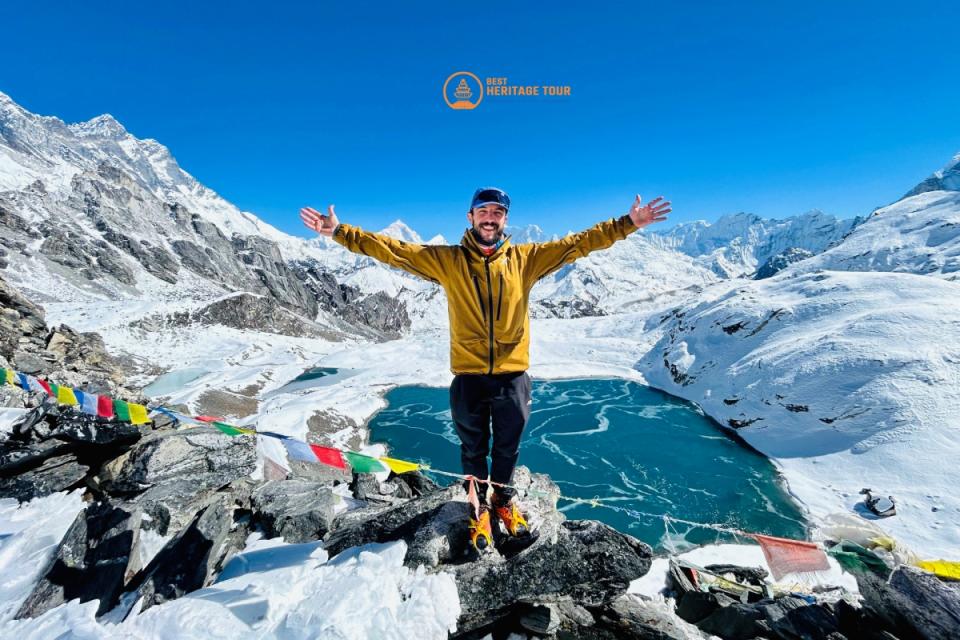
So, you’ve finally booked your flight, packed your down jacket, and broken in your hiking boots. You’ve seen the photos of Everest and Annapurna, and you think you know what to expect. You’re prepared for the thin air, the steep climbs, and the breathtaking views.
But here at Best Heritage Tour, we’ve guided thousands of travelers through our backyard, and we’ve noticed something: it’s rarely the mountains themselves that leave the deepest impression. It’s the little things - the quirks of the trail, the warmth of the people, and the logistical "surprises" that no guidebook can fully capture.
If you are planning your first Himalayan adventure, here are the things that will truly surprise you while trekking in Nepal.
1. The "Nepal Flat" Phenomenon
In most parts of the world, "flat" means a level surface. In Nepal, we have a saying: "A little bit up, a little bit down." New trekkers are often surprised to find that even on days labeled as "easy" or "flat" in the itinerary, they are constantly ascending and descending stone stairs. This is what locals affectionately call "Nepali Flat." Because the terrain is so rugged, trails rarely follow a straight line. You will drop 300 meters only to climb 400 meters an hour later.
The Lesson: Don’t look at the map and assume a valley walk will be effortless. Your calves will be working hard every single day!
2. The Luxury of the "Teahouse" Culture
When people think of trekking in the highest mountains on Earth, they often imagine rugged camping and shivering in tents. While expedition-style camping still exists, most popular routes (like Everest Base Camp or the Annapurna Circuit) feature a robust network of Teahouses.
You might be surprised by how civilized it feels. You aren't just sleeping in a shack; you are staying in a family-run lodge.
-
The Food: You can get everything from traditional Dal Bhat to yak burgers, spring rolls, and even Snickers rolls.
-
The Social Hub: The dining room is always the heart of the lodge, heated by a central stove (often fueled by dried yak dung - another surprise!). It’s where stories are swapped and friendships are forged.
3. The Power of Dal Bhat (24-Hour Power)
You will see a slogan printed on t-shirts all over Kathmandu: "Dal Bhat Power, 24 Hour!" You might think it’s just a funny tourist meme, but you’ll soon realize it is a biological fact.
Dal Bhat (lentil soup, rice, vegetable curry, and pickles) is the fuel of the Himalayas. What surprises trekkers most is the unlimited refills. When you order Dal Bhat, the host will keep coming back to top off your rice and lentils until you are completely full. It is the most cost-effective and nutritious meal for a hiker. By day three, you’ll likely stop ordering pizza and join the locals in their love for this national staple.
4. The "High-Way" of Mules and Yaks
On the trails of Nepal, you aren't the top of the food chain - the animals are. Since there are no roads in the high-altitude regions, everything from toilet paper to building materials is carried by porters, mules, or yaks.
The surprise comes the first time you hear the clanging of bells behind you. You have to move quickly to the mountainside (never the cliffside!) to let a caravan of 20 yaks pass. The sheer volume of traffic on these ancient trade routes is a living testament to how these mountain communities have survived for centuries.
5. Wi-Fi and Cell Service in the Wilderness
It is a strange sensation to be standing in the shadow of an 8,000-meter peak and realize you have 4G signal. While we encourage our guests at Best Heritage Tour to unplug and enjoy the serenity, the availability of technology is often a shock.
In many regions, you can buy a "link" card for high-speed internet. However, be prepared: the higher you go, the more expensive it gets to charge your phone or use the Wi-Fi. It’s a stark reminder of the incredible infrastructure work required to bring connectivity to the clouds.
6. The Changing Landscape (It’s Not Just Snow)
Many travelers expect to see snow from day one. In reality, trekking in Nepal is a journey through multiple climate zones.
-
The Lowlands: You’ll start in lush, subtropical jungles with monkeys, banana trees, and humid heat.
-
The Mid-country: You’ll walk through rhododendron forests (which are spectacular in the spring) and pine groves.
-
The High Altitude: Only in the final stages do you reach the "alpine desert" and the glaciated peaks you see in photos.
The sheer biodiversity of a single 12-day trek is often the most underrated part of the experience.
7. The Suspension Bridges
If you have a fear of heights, the first suspension bridge might be a surprise you didn't ask for! These long, swaying metal bridges draped in prayer flags are iconic. They are incredibly safe and engineered to withstand heavy loads, but crossing one over a roaring glacial river hundreds of feet below is an adrenaline rush every single time.
8. The Depth of Spirituality
Nepal is a land where the mountains are considered homes of the gods. You will encounter:
-
Mani Walls: Stone tablets carved with mantras. (Always walk to the left of them out of respect!)
-
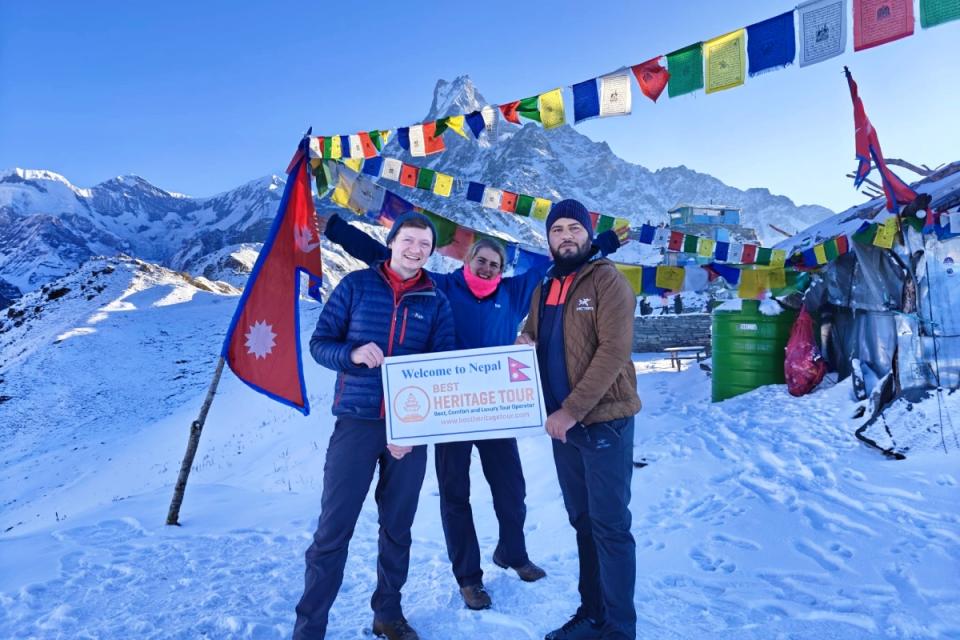
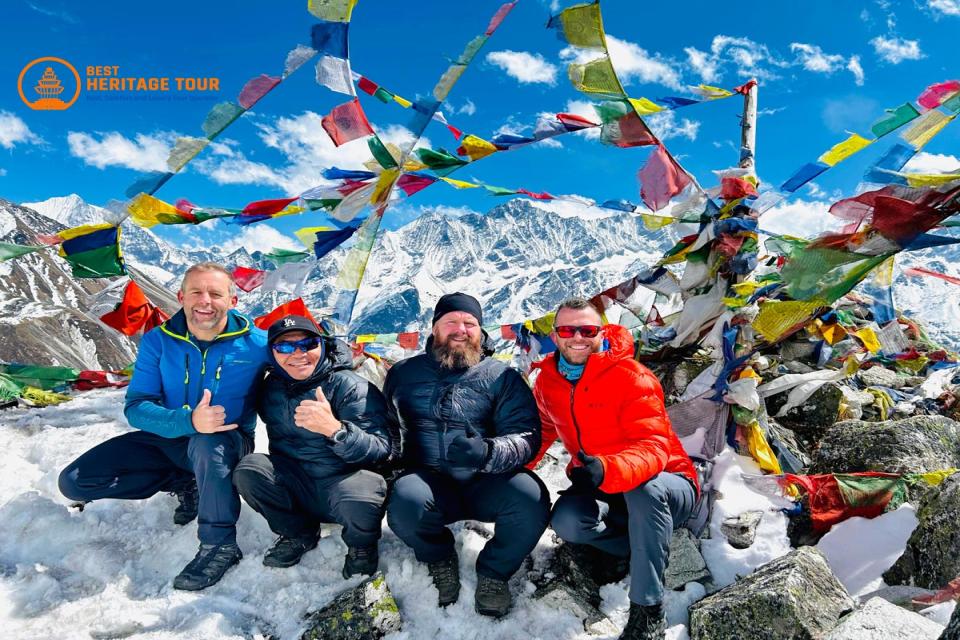
Prayer Flags: Sending prayers into the wind.
-
Stupas: White domes that seem to watch over the valley with painted eyes.
The spiritual energy isn't just for show; it’s woven into the daily life of the Sherpa, Tamang, and Gurung people you will meet. The sense of peace in these high altitudes is palpable and often leads to deep personal reflection for our trekkers.
9. You Don't Need to Be an "Elite Athlete"
Many people stay away from Nepal because they think they aren't "fit enough." While you certainly need a good level of cardio and leg strength, trekking in Nepal is a test of endurance and mental grit, not speed.
You will be surprised to see people in their 60s and 70s on the trail, as well as families with children. The secret is the pace. Walking slowly (the "Sherpa shuffle") allows your body to acclimate to the altitude. It’s a marathon, not a sprint.
10. The Cost of Water
As you ascend, the price of a bottle of water can quadruple. This surprises people until they realize that a human being had to carry that bottle on their back for three days to get it to that lodge.
Pro Tip from Best Heritage Tour: To save money and the environment, bring a reusable bottle and water purification tablets or a LifeStraw. It’s the responsible way to trek.
11. The Weather's Unpredictability
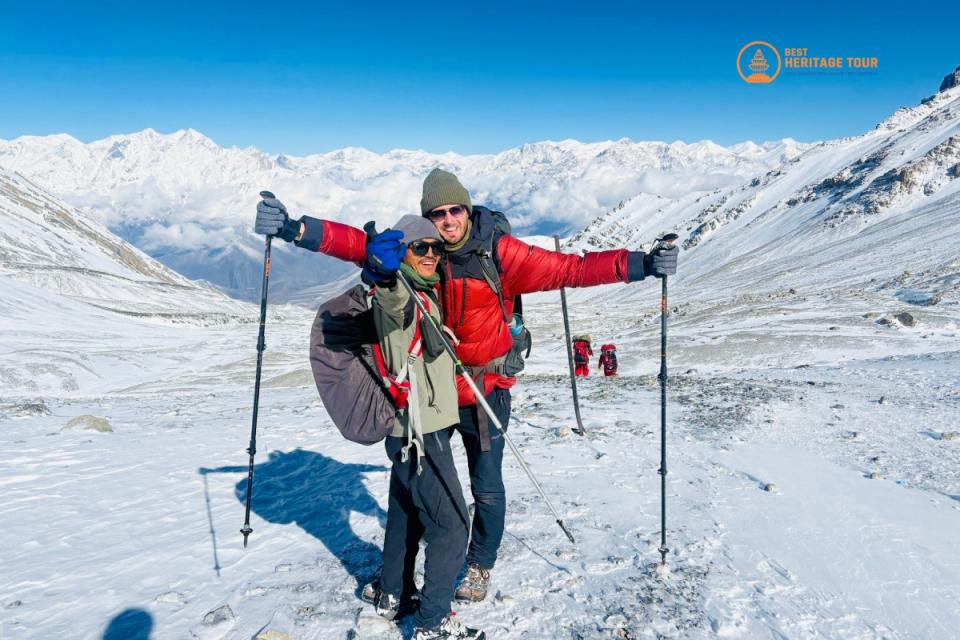
The mountains make their own weather. You can start the morning in a t-shirt under a cloudless blue sky and be in a localized snowstorm by 2:00 PM. This "micro-climate" behavior is why we always emphasize a layering system for your clothing. The sun at high altitudes is also incredibly intense - you will get sunburned much faster than you expect!
12. The Cleanliness of the Air (and the Dust)
The air at 4,000 meters is the crispest, purest air you will ever breathe. However, the trails can be incredibly dusty, especially during the dry season. Many trekkers are surprised to develop the "Khumbu Cough" - a dry cough caused by inhaling fine dust and cold air.
Expert Advice: Wearing a buff or a mask over your nose and mouth while trekking can be a lifesaver.
13. The Friendliness of the Locals
Perhaps the most beautiful surprise is the hospitality. In many parts of the world, tourism can create a barrier between locals and visitors. In Nepal, the "Namaste" spirit is genuine. Your porter isn't just someone carrying your bag; they are a fountain of local knowledge. Your lodge host isn't just a business owner; they often treat you like a guest in their own home.
14. Your Own Resilience
Finally, the biggest surprise will be yourself.
There will be a moment - perhaps on a steep climb or a cold morning - where you think you can’t go any further. And then, you’ll take another step. You’ll reach the pass. You’ll see the sunrise over the Himalayas. You will be surprised by how much your body and mind can handle when stripped of the distractions of modern life.
Conclusion: Ready for the Adventure?
Nepal is a land of contrasts. It is rugged yet welcoming, challenging yet deeply rewarding. While the mountains bring you here, it’s the "surprises" - the taste of the tea, the sound of the yak bells, and the kindness of strangers - that will stay in your heart long after you return home.
At Best Heritage Tour, we don’t just organize trips; we curate experiences. We handle the logistics, the safety, and the planning so that you can focus on enjoying every surprise the Himalayas have to offer.
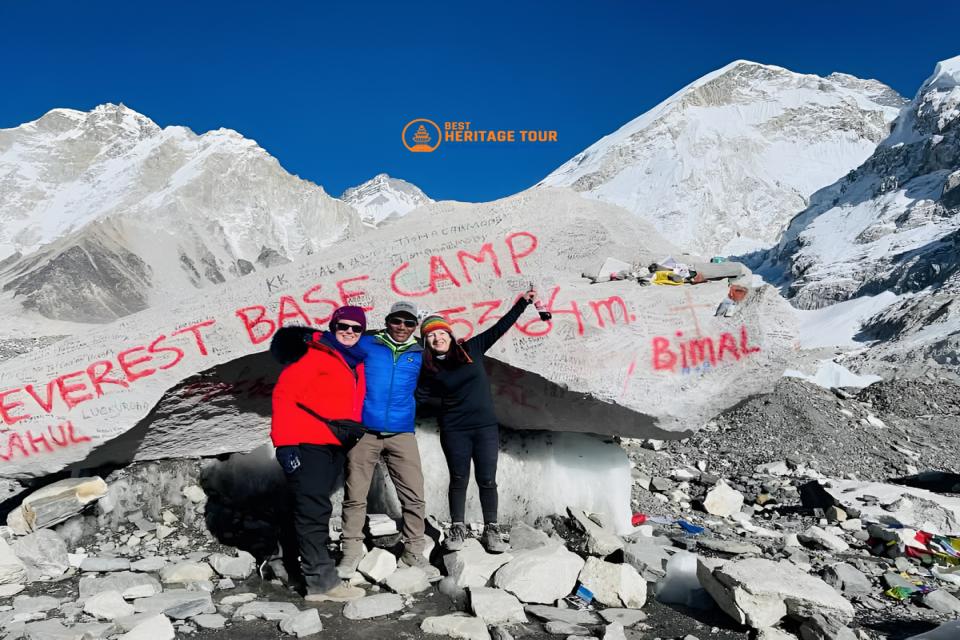
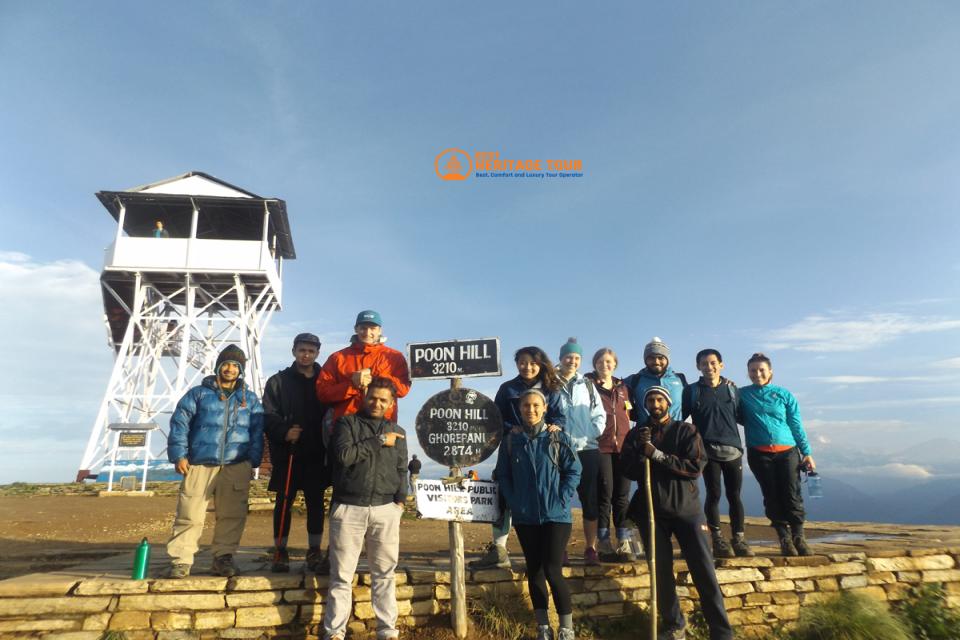
Whether you are eyeing the legendary Everest Base Camp, the spiritual journey of the Manaslu Circuit, or the stunning vistas of Poon Hill, we are here to guide you every step of the way.
Are you ready to be surprised?
Phone / WhatsApp / Viber: +977-9851149197 / +977-9810043046
Email: info@bestheritagetour.com / bestheritagetour@gmail.com
Website: www.bestheritagetour.com
Office: Thamel Marg, Kathmandu, Nepal
Author: Best Heritage Tour
Date: 19th January, 2026