For many, Nepal is synonymous with the towering heights of Everest or the golden temples of Kathmandu. But for the true seeker - the traveler who yearns for silence, raw landscapes, and a culture frozen in the grace of the 13th century - there is a place that remains one of the world’s last great Himalayan secrets.
Welcome to Tsum Valley.
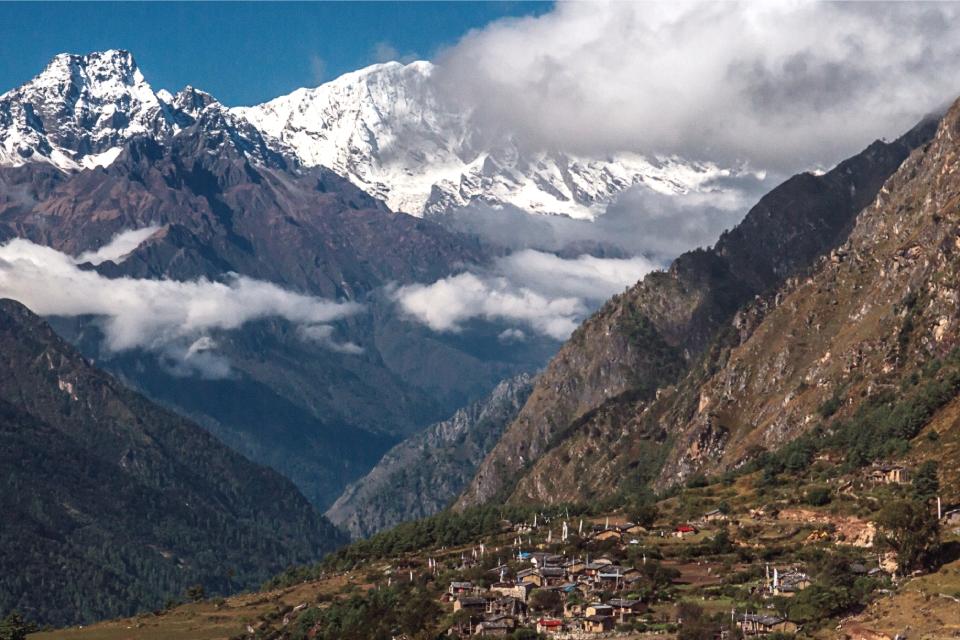
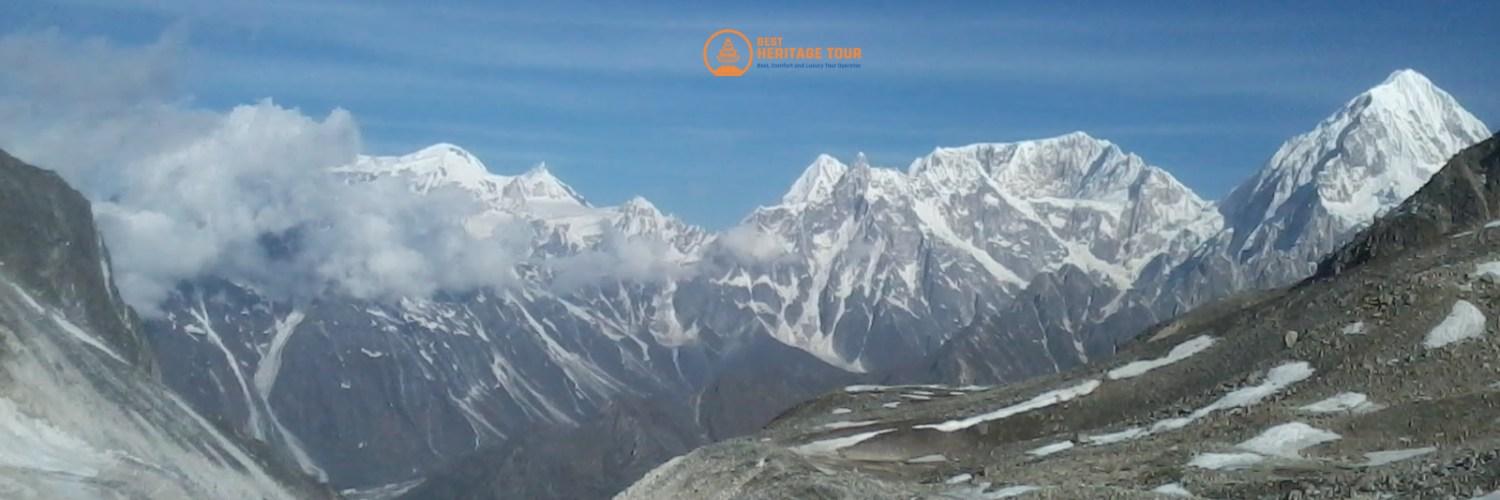
At Best Heritage Tour, we don’t just see Tsum as a trekking destination; we see it as a pilgrimage into the heart of Tibetan Buddhism and untouched nature. Tucked away in the northern Gorkha district, under the shadows of the majestic Ganesh Himal, Sringi Himal, and Boudha Himal ranges, Tsum Valley (derived from the Tibetan word ‘Tsombo,’ meaning vivid) was only opened to tourists in 2008.
In this guide, we explore why Tsum Valley should be at the top of your bucket list and exactly what awaits you in this "Beyul" (Sacred Hidden Valley).
Why Visit Tsum Valley? The Allure of the Forbidden
If you are wondering why you should choose Tsum over the more famous Annapurna or Everest circuits, the answer lies in its authenticity. Tsum Valley isn't a "tourist hub"; it is a living museum.
1. The Land of Non-Violence (Shyakya)
Tsum Valley is perhaps the only place on Earth where a formal "non-violence" policy is legally and spiritually enforced. Since 1920, the local leaders and monks established the Shyakya, which prohibits the killing of any living beings. There are no slaughterhouses, no hunting, and no fishing. This creates a profound sense of peace that you can actually feel in the air.
2. A Living Time Capsule of Tibetan Culture
While the modern world moves at a frantic pace, the "Tsumbas" (the indigenous people of the valley) live according to ancient traditions. Their dialect, their dress, and their polyandrous family structures are unique remnants of a Tibetan culture that has largely vanished elsewhere.
3. Remote Solitude
While the Manaslu Circuit has grown in popularity, the "side trip" into Tsum Valley remains remarkably quiet. You won’t find crowded tea houses or "apple pie" menus here. You will find simple hospitality, butter tea, and the sound of wind whistling through prayer flags.
Top Things to See in Tsum Valley: The Sacred Landmarks
Tsum Valley is divided into Upper Tsum and Lower Tsum. To truly experience the valley, one must venture into the higher reaches where the tree line fades and the monasteries become more ancient.
1. Mu Gompa: The Highest Point
Perched at 3,700 meters, Mu Gompa is the largest and oldest monastery in the region. Established in the 19th century, it houses ancient religious texts, statues of Avalokiteshvara, and Padmasambhava.
-
The Experience: Staying at the monastery or the nearby guest house allows you to witness the morning prayers. The view of the Tibetan border from here is nothing short of spiritual.
2. Rachen Gompa (The Nunnery)
Located in the Shiar Khola Valley, Rachen Gompa is a nunnery belonging to the Ngakpa sect. It is beautifully adorned with intricate murals depicting the history of Buddhism. The sight of the red-robed nuns chanting against the backdrop of snow-capped peaks is a photographer's dream.
3. Milarepa’s Piren Phu (Pigeon Cave)
High on a rugged cliff near the village of Burji, you will find the Piren Phu cave. It is believed that the great Tibetan saint and poet, Milarepa, meditated here. The cave features two separate grottoes and is filled with ancient scripts and carvings. The energy here is palpable, offering a glimpse into the ascetic life of Himalayan mystics.
4. The Chortens and Mani Walls
Tsum Valley boasts some of the longest Mani walls (stone walls inscribed with prayers) in Nepal. The wall at Kanji is particularly impressive. Walking past these walls - always keeping them to your right - is a meditative practice in itself.
Top Things to Do in Tsum Valley: More Than Just Trekking
1. Immerse in Local Tsumba Hospitality
In Tsum, you are a guest, not just a customer. One of the best things to do is spend an evening in a local home. Try the Salt Butter Tea (Su-Chya) and Tsampa (roasted barley flour). If you’re lucky, you might be invited to witness a local festival where the villagers perform traditional dances in their heavy, hand-woven costumes.
2. Wildlife and Nature Photography
Because of the Shyakya (non-violence) tradition, wildlife thrives. It is common to see the Himalayan Thar (mountain goat) and Blue Sheep grazing near the trails, unbothered by human presence. Keep your eyes peeled for the elusive Snow Leopard, which is known to roam the higher ridges of the Ganesh Himal.
3. Crossing the High Passes
For the adventurous, Tsum Valley serves as a gateway to high-altitude challenges. Exploring the base camps of the Ganesh Himal or pushing toward the Ngula Dhojhyang Pass (5,093m) on the Tibetan border offers a physical challenge that matches the spiritual one.
4. Witness the "Kyimo Lung" (Peaceful Valley) Flora
The trek transitions from lush rhododendron and pine forests in the lower sections to alpine meadows and desert-like landscapes in the upper valley. In spring, the forests explode in shades of red and pink.
Essential Travel Logistics for Tsum Valley
As a professional travel company, Best Heritage Tour ensures you are prepared for the unique logistics of this restricted region.
The Best Time to Visit
-
Spring (March to May): The weather is stable, and the wildflowers are in full bloom. This is the best time for photography.
-
Autumn (September to November): The skies are crystal clear, offering the most dramatic views of the peaks. This is also the peak trekking season.
-
Winter (December to February): While beautiful, the upper valley becomes extremely cold, and many villagers migrate to lower elevations.
Difficulty and Physical Fitness
The Tsum Valley trek is considered Moderate to Strenuous. You don’t need mountaineering skills, but you should be comfortable walking 6–7 hours a day on uneven terrain. The maximum altitude reaches roughly 3,700m at Mu Gompa (unless you opt for higher passes), making altitude sickness a factor to monitor closely.
Permits and Regulations
Tsum Valley is a Restricted Area. To preserve its culture and environment, the Nepal government requires:
-
Restricted Area Permit (RAP): Costs vary between autumn and spring.
-
MCAP & ACAP: Manaslu Conservation Area and Annapurna Conservation Area permits.
-
Mandatory Guide: You cannot trek Tsum Valley solo. You must be accompanied by a licensed guide from a registered trekking agency like ours.
A Sample Itinerary: 10 Days of Discovery
While we customize every trip, a standard journey with Best Heritage Tour looks like this:
|
Day |
Destination |
Highlights |
|---|---|---|
|
01 |
Arrival & Kathmandu Prep |
Cultural sightseeing and permit processing. |
|
02 |
Drive to Soti Khola & Trek |
Following the Budhi Gandaki River. |
|
03 |
Entering Tsum Valley |
Philim to Lokpa (the gateway) and Chumling. |
|
04-07 |
Upper Tsum Exploration |
Chhekampar, Nile, and the ascent to Mu Gompa. |
|
08 |
Spiritual Immersion |
Rachen Gompa and Milarepa’s Cave. |
|
09-10 |
Descent and Return |
Retracing steps to Kathmandu. |
Conclusion: Your Journey Awaits
Tsum Valley is not just a place on a map; it is a feeling. It is the sound of a monk’s horn echoing across a valley, the sight of the sun hitting the Ganesh Himal, and the warmth of a Tsumba smile. It is a place where time slows down, allowing you to reconnect with yourself.
Are you ready to step off the beaten path and into the "Valley of Happiness"? Let Best Heritage Tour be your bridge to this sacred land. With our local expertise, commitment to safety, and passion for Nepal’s heritage, we ensure your trek is more than just a holiday - it’s a life-changing experience.
Contact Best Heritage Tour Today!
Phone / WhatsApp / Viber: +977-9851149197 / +977-9810043046
Email: info@bestheritagetour.com / bestheritagetour@gmail.com
Website: www.bestheritagetour.com
Office Location: Thamel Marg, Kathmandu, Nepal
Author: Best Heritage Tour
Date: 19th December, 2025