While the West of Nepal captivates with towering peaks and ancient trade routes, the Far East holds a secret of deep, quiet beauty: Ilam. Known as the "Tea Capital of Nepal," this mesmerizing district is a world away from the dust and clamor of city life, offering a unique type of cultural immersion centered on lush green landscapes, sustainable agriculture, and the rich traditions of the Eastern Himalayan people.
The heritage of Ilam is not carved in stone temples or fortified trade checkpoints; it is woven into the very earth - in the rolling, perfectly manicured slopes of its tea gardens, the centuries-old practices of its ethnic communities (especially the Rai, Limbu, and Lepcha), and the pristine, biodiverse forests.
As specialists in authentic Nepali cultural experiences, Best Heritage Tour (BHT) invites you on a journey to explore Ilam. This comprehensive guide will highlight Ilam’s unique history, its vital role in Nepal's agricultural economy, and the reasons why it stands as the ultimate destination for eco-conscious travelers and those seeking the tranquility of Nepal's "Green Paradise."
The History of the Leaf - Ilam’s Agro-Heritage
The central pillar of Ilam’s identity is tea. Its story begins over 160 years ago, establishing a unique agricultural heritage that redefined the local landscape and economy.
1. The Birth of Nepali Tea (Since 1863)
The establishment of the Ilam Tea Estate in 1863 marked the birth of Nepal's tea industry. Influenced by the thriving Darjeeling plantations just across the border, Chinese tea seeds were introduced, instantly recognizing Ilam’s perfect terroir - the high altitude (4,500 to 7,200 feet), cool, misty climate, and rich, acidic soil.
-
Early Struggle and Resurgence: For decades, the industry remained underdeveloped due to political turmoil. However, in the late 20th century, economic liberalization and a shift toward quality, specialty processing (Orthodox tea) allowed Ilam to flourish.
-
The Orthodox Advantage: Ilam is famed for its Orthodox tea (hand-plucked and traditionally processed), prized internationally for its delicate, aromatic flavor profile, often featuring floral, fruity, and muscatel notes.
2. A Sustainable Future: Organic & Smallholder Farming
Today, the Ilam Tea Capital of Nepal is synonymous with sustainable and ethical production. While larger estates exist (like Ilam and Kanyam), the industry is increasingly dominated by thousands of smallholder, family-run farms.
-
Eco-Conscious Practices: Many Ilam farmers have embraced organic farming methods, reducing chemical inputs and relying on the region’s natural biodiversity. This not only enhances the tea’s quality but cements Ilam’s role as a key Agro-Tourism Destination Nepal.
-
Farm-to-Cup Experience: Visiting Ilam is an opportunity to directly engage with this heritage: watch the hand-plucking process, tour a processing factory, and taste award-winning teas at the source - a profound connection to the land and its history.
The Cultural Mosaic of the Eastern Hills
Ilam’s population is a rich cultural mosaic of diverse ethnic groups, whose traditions and festivals add depth to the tranquil scenery. This is the heart of Eastern Nepal Cultural Heritage.
1. The Dominant Communities: Limbu, Rai, and Lepcha
Ilam is a melting pot, but the Limbu and Rai communities (both part of the Kirati group) are central to the region’s identity, alongside the unique presence of the Lepcha people.
-
Kirat Traditions: The Limbu and Rai follow the ancient Kirat Mundhum religion, which worships nature, the sun, the moon, and rivers. Festivals like Udhauli and Ubhauli (linked to the agricultural calendar and seasonal migration) are celebrated with traditional dances and elaborate rituals, offering travelers a vibrant cultural glimpse.
-
The Lepcha Connection: The Lepcha, historically considered the aboriginal inhabitants of the surrounding Eastern Himalayas (including Sikkim and Darjeeling), maintain a strong cultural presence, particularly around Shree Antu. Plans for a Lepcha museum underscore the community's commitment to preserving its distinct language and customs.
-
Homestay Hospitality: The rise of community-based homestays, especially in areas like Shree Antu, allows visitors to experience the legendary Eastern Nepalese hospitality firsthand, sampling local cuisine and observing the daily rhythms of these communities.
2. The Charkhol Identity: Land of Four Rivers
Ilam is often referred to as Charkhol (the area of four rivers): the Jogmai, Puwamai, Mai, and Deaumai. This deep connection to water is not just geographical but spiritual, influencing pilgrimage sites and local folklore.
Essential Ilam: Views, Vistas, and Sacred Sites
While the tea gardens are everywhere, several specific locations are vital to the Ilam experience, offering spectacular views and spiritual solace.
1. Antu Danda: The Sunrise Spectacle
Antu Danda (Shree Antu), situated at an altitude of approximately 2,328 meters, is Ilam’s most celebrated viewpoint.
-
The Viewpoint: It offers an unparalleled spectacle of the sunrise and sunset over the flatlands of the Terai, the vast rolling tea gardens, and the distant Himalayan peaks, including the third-highest mountain, Mt. Kanchenjunga.
-
Experience: Trekking or driving to the view tower before dawn to witness the sunrise is the quintessential Sunrise Viewpoint Ilam experience, perfectly blending natural beauty with tranquil solitude.
2. Mai Pokhari: Sacred Lake and Ramsar Site
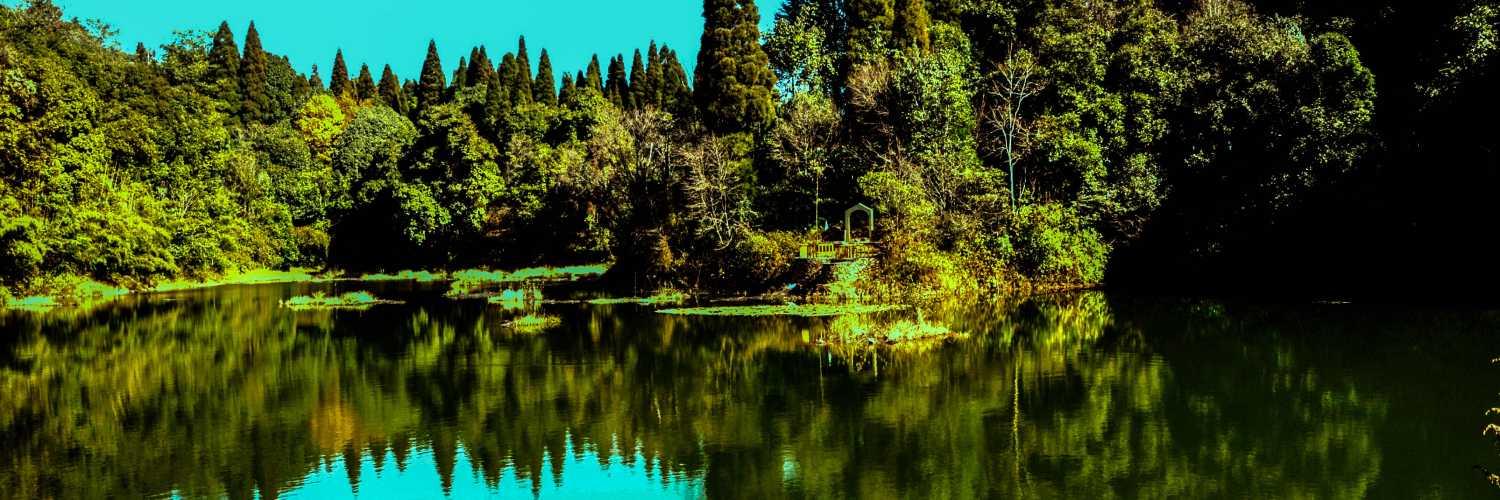
A short drive from Ilam Bazaar lies Mai Pokhari, a nine-cornered lake revered by both Hindus and Buddhists as the abode of the Goddess Bhagawati.
-
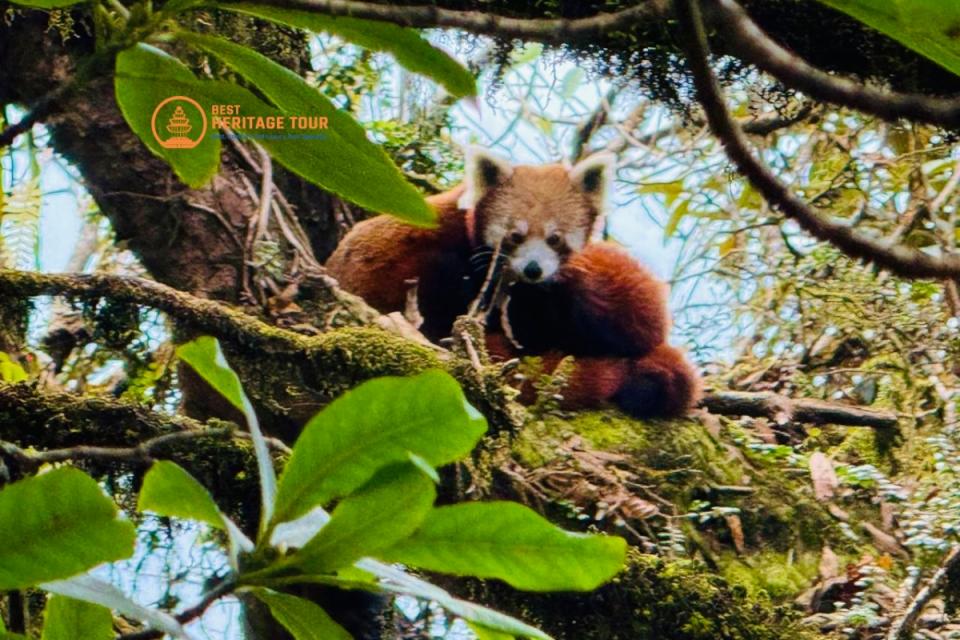
Ecological Heritage: The site is recognized internationally as a Ramsar Site (a wetland of international importance), emphasizing its critical role in biodiversity. It is surrounded by dense forest featuring juniper, oak, rhododendron, and a variety of rare flora and fauna, including the endangered Red Panda and numerous orchids.
-
Pilgrimage: Annually, during Kartik Ekadashi (October/November), a large fair is held, attracting pilgrims from Nepal and India, making it a key religious and ecological draw.
3. Kanyam and Fikkal: The Iconic Tea Gardens
While the Ilam Tea Estate is historic, Kanyam is the most iconic and frequently photographed tea plantation.
-
Kanyam's Charm: Its vast, undulating hills are perfect for picnics, horse riding, and photography, making it the face of Ilam Nepal Tea Tourism.
-
Fikkal: Fikkal Bazaar acts as a key commercial hub and a gateway for visitors coming from the Indian border, serving as an important center for the distribution of Ilam’s cash crops.
4. Sandakpur: The Himalayan Vantage (A Trekking Option)
For those who wish to merge heritage with a moderate trek, Sandakpur (3,636m), located on the Nepal-India border, is Ilam's highest point. From here, five of the world's highest peaks - Everest, Kanchenjunga, Makalu, Lhotse, and Kumbakarna - are visible, adding a rare, high-altitude dimension to the Eastern Hill experience.
Conclusion: Ilam, A Destination for the Discerning Traveler
Ilam is Nepal’s answer to the traveler seeking relaxation, natural beauty, and a deep appreciation for agricultural and ethnic cultural heritage. It is a region of quiet resilience, where the daily ritual of growing and processing fine tea is a testament to centuries of tradition.
By focusing on Ilam, Best Heritage Tour offers a refreshing alternative to traditional mountain treks. We specialize in creating custom Agro-Tourism itineraries that allow you to fully immerse yourself in the gentle slopes, the welcoming local communities, and the sublime beauty of Eastern Nepal.
Trade peaks for plantations and explore the gentle heart of the Himalayas. Contact us today to plan your tranquil Ilam heritage experience.
Phone / WhatsApp / Viber: +977-9851149197 / +977-9810043046
Email: info@bestheritagetour.com / bestheritagetour@gmail.com
Website: www.bestheritagetour.com
Office: Thamel Marg, Kathmandu, Nepal
Author: Best Heritage Tour
Date: 7th December, 2025