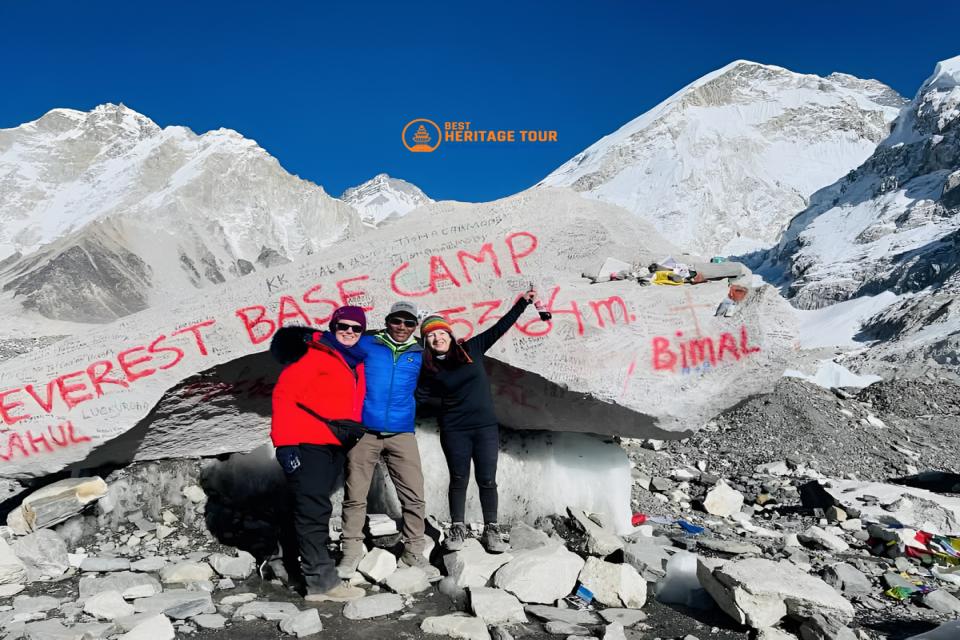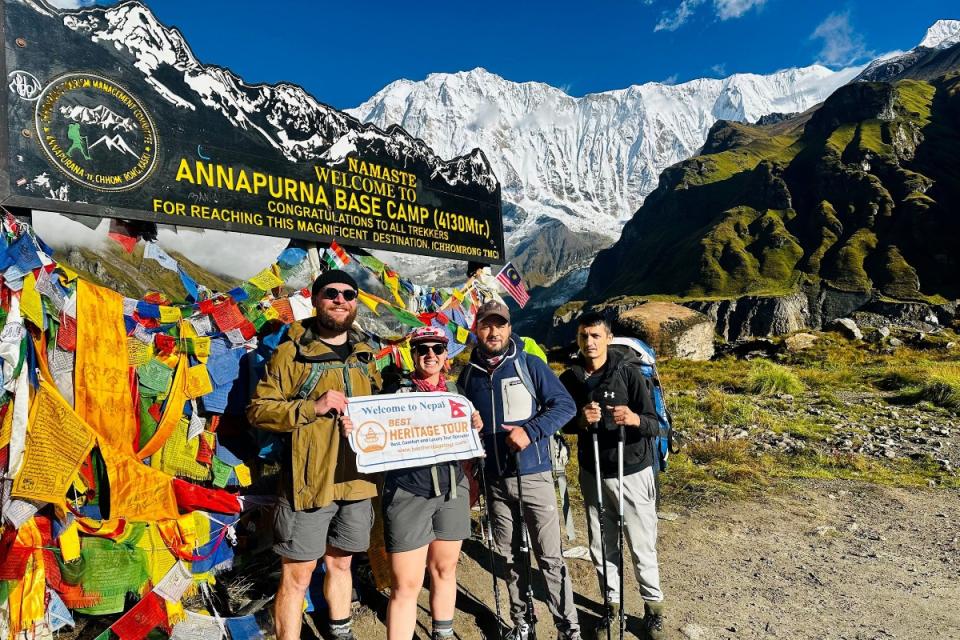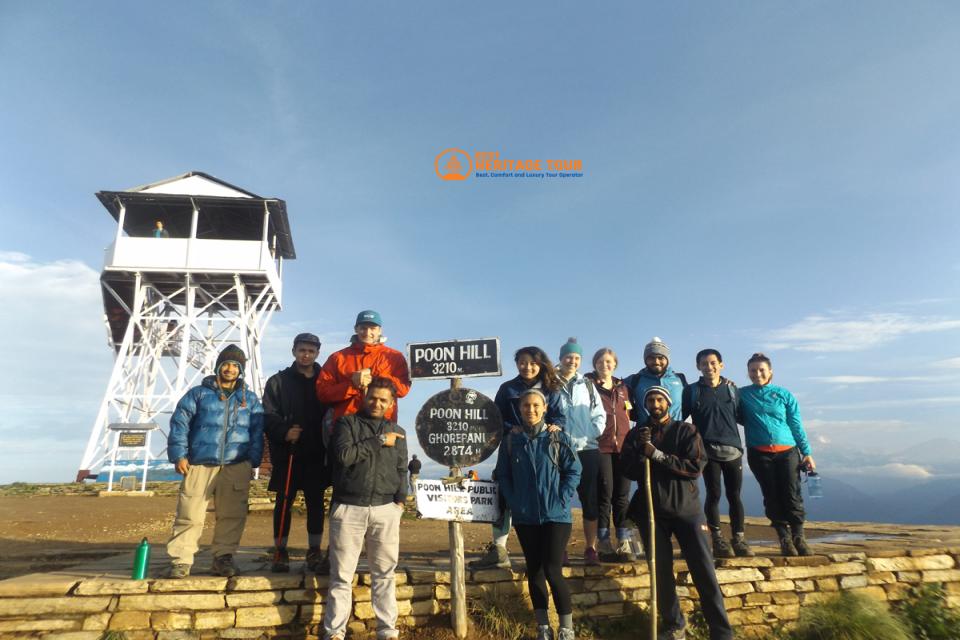
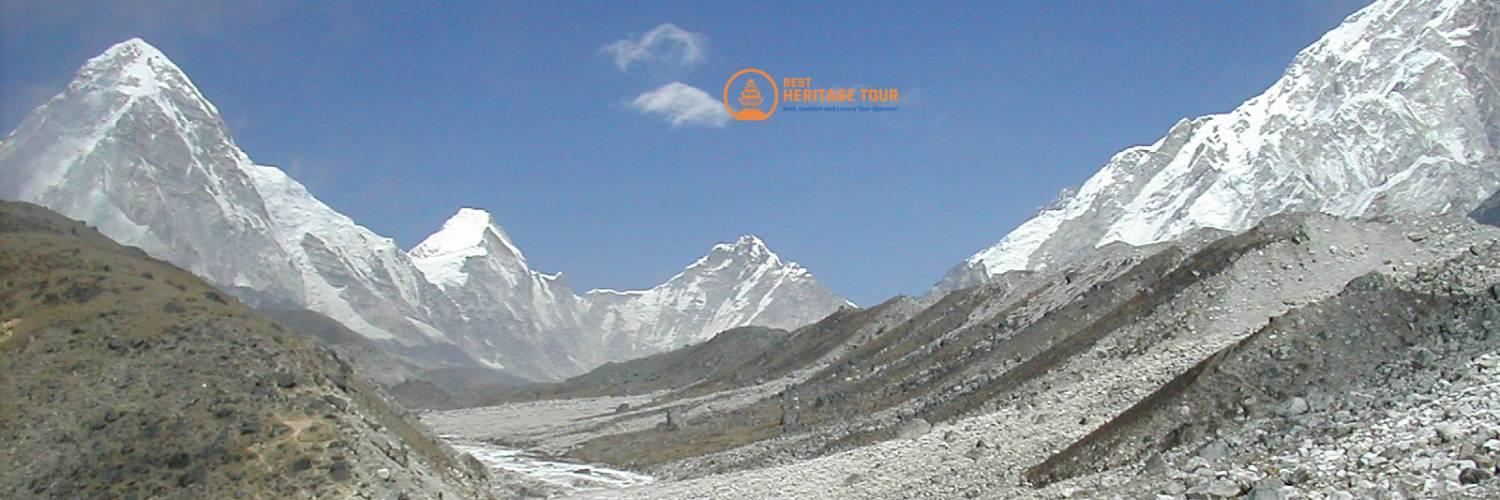
The decision to trek the Annapurna Circuit, Everest Base Camp (EBC), or the Langtang Valley is the start of a life-changing adventure. But between booking your trip and landing in Kathmandu, the crucial task is preparation. What do you really need to carry? What food should you eat for energy? And how do you stay safe from Altitude Sickness (AMS)?
This detailed guide by Best Heritage Tour (BHT) cuts through the noise to provide first-time trekkers with the essential, practical information needed for a successful and safe Himalayan journey.
Packing Smart - The Layering System
The weather in the Himalayas changes rapidly, often cycling through three seasons in a single day. The secret to comfort and safety is the three-layer clothing system.
1. The Base Layer (Moisture Management)
This layer sits against your skin and manages sweat. Crucial Rule: Avoid Cotton. Cotton traps moisture, which rapidly chills you when you stop moving, leading to a high risk of hypothermia.
-
Tops & Bottoms: 2-3 sets of Merino Wool or high-quality synthetic thermal underwear (long-sleeved shirt and leggings). Merino wool is preferred as it wicks sweat, insulates even when damp, and resists odor (allowing you to wear it for several days).
-
Socks: 4-6 pairs of Merino Wool Trekking Socks (varying thicknesses) and 2 pairs of lightweight liner socks. Change your socks daily to prevent blisters and fungal infections.
2. The Mid-Layer (Insulation)
This layer retains body heat and provides warmth when temperatures drop.
-
Fleece Jacket: A light-to-mid-weight fleece jacket or pullover. This is your primary insulation layer for trekking during colder hours and for wearing inside the teahouse dining room.
-
Insulated Vest/Jacket: A synthetic-fill or light down vest/jacket can be used over the fleece for extra warmth during breaks or cold evenings.
3. The Outer Layer (Protection)
Your shell layer protects you from wind, rain, and snow.
-
Waterproof & Windproof Shell Jacket: A breathable shell (like Gore-Tex or similar material) is essential. It must be windproof for high-altitude passes and waterproof for unexpected rain or snow.
-
Waterproof Trousers: Lightweight, waterproof, and windproof shell pants to pull over your trekking trousers during bad weather.
Essential Gear Checklist (Must-Haves)
|
Item |
Specification |
Why It's Essential |
|---|---|---|
|
Sleeping Bag |
4-Season, rated to at least -10°C to -20°C for high treks. |
Teahouse rooms can be freezing at night; a good bag is non-negotiable. (Can be rented in Kathmandu/Pokhara) |
|
Trekking Boots |
Broken-in, waterproof, with good ankle support. |
Protects from uneven terrain and prevents blisters. Break them in before you arrive! |
|
Daypack |
25-35 Liters, with a Rain Cover. |
Carries your water, camera, snacks, jacket, and valuables while the porter carries the main duffel. |
|
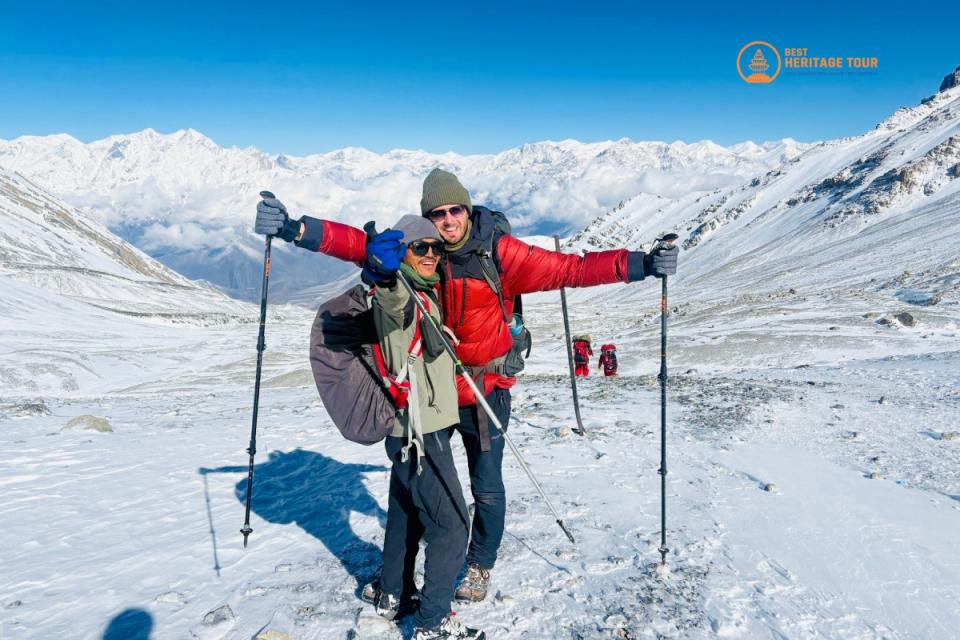
Trekking Poles |
Highly recommended. Adjustable, shock-absorbing. |
Reduces impact stress on knees, especially on long, steep descents. |
|
Headlamp |
Must have, with extra batteries/USB charge. |
Essential for early morning starts (like Poon Hill/Kala Patthar) and for navigating dim teahouses. |
|
Water Purifier |
Tablets, SteriPen, or Lifestraw. |
Reduces plastic waste and is far cheaper than buying bottled water every day. |
|
Sun Protection |
SPF 50+ Sunscreen, SPF Lip Balm, and UV-protective Sunglasses. |
High altitude sun exposure is intense and causes snow blindness/severe burns. |
Fueling the Body - The Trekker's Diet
Trekking is a marathon, not a sprint. Your body needs maximum calories and carbohydrates to sustain daily exertion and fight the effects of altitude.
1. The Undisputed Champion: Dal Bhat
Dal Bhat (Lentil Soup with Rice) is the national dish and the perfect trekking meal. It consists of white rice, lentil soup (dal), and seasonal vegetable curry (tarkari), often with a side of achaar (pickle).
-
Why it works: It's rich in complex carbohydrates (rice) for slow-release energy and protein (lentils) for muscle repair.
-
The Motto: "Dal Bhat Power 24 Hour!" The best part is that in most teahouses, Dal Bhat is refillable - you get unlimited servings of rice and dal until you say stop, ensuring you meet your caloric demands.
2. High-Altitude Foods to Prioritize
-
Garlic Soup: Highly recommended at higher altitudes. Local Sherpas believe it helps with blood circulation and the prevention of Acute Mountain Sickness (AMS).
-
Carbohydrate-Rich Options: Items like Tibetan Bread (fried bread), Pancakes, Macaroni/Spaghetti, and Potatoes are excellent for energy.
-
Hot Beverages: Stick to Ginger Lemon Honey Tea or Hot Water to stay hydrated. Avoid excessive caffeine and alcohol, which can exacerbate dehydration and altitude symptoms.
3. Important Food Safety Rule
-
Avoid Meat: Beyond Namche Bazaar (EBC) or Chomrong (ABC), meat is often transported by porters/yaks for days without proper refrigeration. The risk of food poisoning is too high. Stick to vegetarian meals.
-
Snacks: Carry your own energy bars, nuts, dried fruit, and chocolate bars from Kathmandu/Pokhara, as they become extremely expensive at high altitudes.
Altitude Safety - The Golden Rules of Ascent
Acute Mountain Sickness (AMS) is the single biggest threat to your trek. AMS is caused by ascending too quickly to elevations where the air pressure and oxygen levels are lower. The key to prevention is a slow, steady, and structured acclimatization plan.
The Three Golden Rules of Altitude Safety
-
Hike High, Sleep Low: Whenever possible (as on the ABC trek), hike to a higher viewpoint during the day, then descend to a lower altitude to sleep. This helps your body produce more red blood cells without the stress of sleeping at extreme height.
-
Never Ascend with Symptoms: If you develop mild symptoms of AMS (headache, mild nausea, fatigue), do not go higher. Rest at your current elevation. If symptoms worsen, you must DESCEND IMMEDIATELY.
-
The Max Ascent Rule: Above 3,000 meters (approx. 10,000 feet), your sleeping elevation should not increase by more than 300-500 meters (1,000-1,600 feet) per night. This is why organized trekking itineraries include specific rest days.
Acclimatization Day Itinerary (Example: EBC Trek)
|
Day & Location |
Altitude (m / ft) |
Activity & Purpose |
|---|---|---|
|
Namche Bazaar |
3,440 m / 11,286 ft |
Acclimatization Day. Hike to Everest View Hotel (3,880m) then return to sleep at Namche (Climb High, Sleep Low). |
|
Dingboche |
4,410 m / 14,468 ft |
Acclimatization Day. Hike to Nangkartshang Peak (4,750m) then return to sleep at Dingboche (Critical Rest Day). |
Symptoms of AMS
|
Severity |
Symptoms |
Action Required |
|---|---|---|
|
Mild AMS |
Mild headache, loss of appetite, slight nausea, insomnia. |
Stop ascending. Rest at current altitude. Hydrate. Symptoms should improve in 24 hours. |
|
Severe AMS |
Severe headache (not relieved by painkillers), vomiting, severe dizziness, confusion, difficulty walking (Ataxia). |
EMERGENCY DESCENT IS REQUIRED. Do not wait. Descend immediately to a lower altitude. |
Medication Note: Consult your doctor about Diamox (Acetazolamide). It helps speed up acclimatization by increasing breathing and urine output. If prescribed, start taking it one day before ascending above 3,000 meters.
Conclusion: Preparation is the Key to Peak Enjoyment
The best way to ensure an enjoyable and unforgettable experience in the Himalayas is through meticulous planning. By focusing on smart packing (the layering system), adequate fueling (Dal Bhat Power!), and respecting the Golden Rules of Altitude, you prepare yourself to meet the mountains on their own terms.
Best Heritage Tour provides expert-led treks with safety as the highest priority, ensuring proper acclimatization schedules and guiding you every step of the way.
Ready to pack your bag and take on the Annapurna or Everest trails? Contact BHT to finalize your itinerary and receive your personalized packing consultation.
Phone / WhatsApp / Viber: +977-9851149197 / +977-9810043046
Email: info@bestheritagetour.com / bestheritagetour@gmail.com
Website: www.bestheritagetour.com
Office: Thamel Marg, Kathmandu, Nepal
Author: Best Heritage Tour
Date: 7th December, 2025