Tea Houses of Langtang Valley
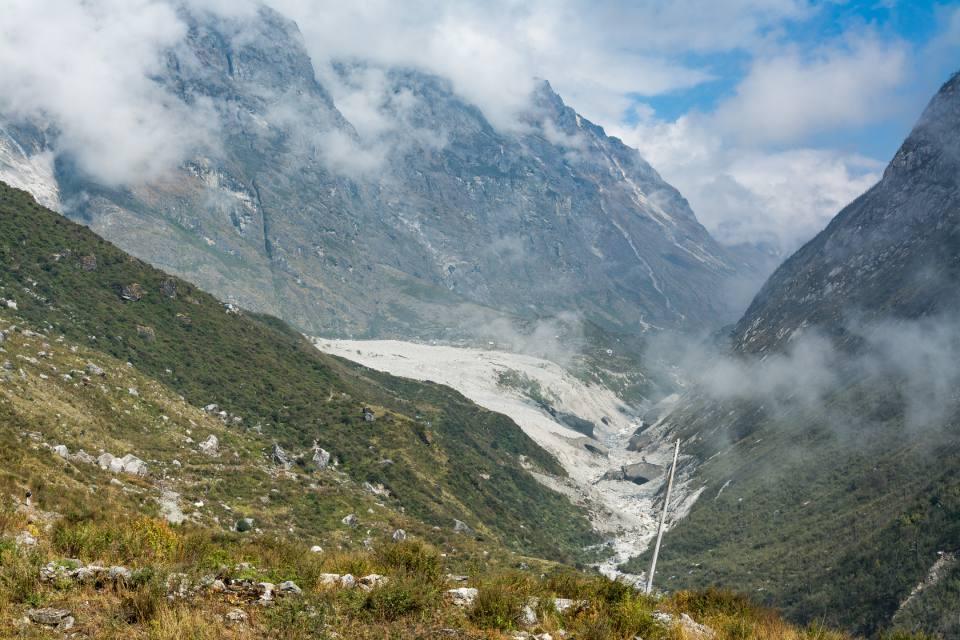
For many, the Langtang Valley is known as the "Valley of Glaciers." But for those of us at Best Heritage Tour, it is the "Valley of Resilience." Tucked away in the north-central Himalayas, just a stone's throw from the Tibetan border, the Langtang trek offers a unique intimacy that you won’t find in the bustling Everest or Annapurna regions.
The heart of this experience isn't just the towering peaks of Langtang Lirung; it is the tea houses. These mountain lodges are more than just a bed for the night - they are the pulse of the valley, rebuilt with love and grit following the 2015 earthquake.
Whether you are a seasoned trekker or a first-time traveler, understanding the nuances of Langtang’s tea house culture is the key to an unforgettable journey.
What Exactly is a Langtang Tea House?
In the early days of Himalayan exploration, "tea houses" were literal huts where travelers could stop for a cup of tea. Today, they have evolved into charming, family-run guesthouses.
In Langtang, these structures are typically built from local stone and wood. Following the reconstruction of the valley, many new lodges now feature improved insulation, larger windows for mountain views, and even modern amenities like solar-powered charging and Wi-Fi. However, the soul remains the same: a communal space where the scent of burning yak dung or firewood in the central stove mingles with the steam from fresh ginger-lemon-honey tea.
The Life Cycle of a Day in a Tea House
To truly appreciate the Langtang experience, one must understand the rhythm of lodge life.
The Morning Ritual
Your day begins early. Usually around 6:30 AM, you’ll be woken by the soft sound of movement in the hallway. Breakfast is a social affair. At Best Heritage Tour, we always recommend trying the Tibetan Bread - a deep-fried, puffy flatbread served with local honey or yak butter.
The Mid-Day Stop
As you trek from Syabrubesi to Lama Hotel, you’ll encounter smaller settlements like Pairo or Bamboo. These are perfect for a "tea break." These midday stops are crucial for hydration and give you a chance to chat with lodge owners about the trail conditions ahead.
The Evening Gathering
The evening is the highlight. As the sun dips behind the ridges and the temperature plummets, everyone migrates to the Dining Hall. This is the only heated room in the building. Here, you’ll see trekkers from across the globe sharing stories, guides playing cards, and the "Didi" (older sister/hostess) busy in the kitchen.
Accommodation: What to Expect from Your Room
We believe in setting honest expectations. While the hospitality is five-star, the facilities are "mountain-standard."
-
The Rooms: Most tea houses offer twin-sharing rooms. They are simple: two wooden beds, thin mattresses, a pillow, and a heavy quilt.
-
The "Lodge" vs. "Tea House" Distinction: In lower altitudes like Syabrubesi, you might find "lodges" with attached bathrooms. As you climb higher toward Kyanjin Gompa (3,870m), the facilities become more basic.
-
Pro Tip: Even though blankets are provided, we always provide our guests with high-quality -10°C sleeping bags. The mountain nights are notoriously chilly, and a personal sleeping bag adds an extra layer of warmth and hygiene.
The Langtang Menu: Fueling Your Trek
Food in the Langtang Valley is surprisingly diverse, considering everything is brought in by mule or human porter.
Dal Bhat: The Unrivaled King
The local saying goes: "Dal Bhat Power, 24 Hour." This platter of steamed rice, lentil soup, vegetable curry, and spicy pickles is the staple. The best part? Refills are free. If you are hungry after a 6-hour hike, Dal Bhat is your best friend.
Local Specialties
-
Yak Cheese: Langtang is famous for its Swiss-style cheese factory in Kyanjin Gompa. Try it fresh or melted on a "Yak Burger."
-
Sukuti: Dried meat (usually buff or yak), often sauteed with spices.
-
Sea Buckthorn Juice: A tart, vitamin-C-rich juice made from local mountain berries. It’s excellent for recovery and altitude.
Western Comforts
Surprisingly, you can find pasta, pizza (with yak cheese!), pancakes, and even apple pie. The quality varies, but at 3,500 meters, a warm plate of macaroni can feel like a gourmet feast.
Major Tea House Hubs Along the Trail
1. Syabrubesi (1,500m) - The Gateway
This is the trailhead. Accommodations here are the most "luxurious," with many offering private hot showers, 24/7 Wi-Fi, and extensive menus. It’s a great place to do a final gear check.
2. Lama Hotel (2,470m) - The Forest Refuge
Actually a small cluster of lodges in a clearing, Lama Hotel is surrounded by dense rhododendron and bamboo forests. You’ll likely hear the Langtang Khola river rushing nearby all night. It’s the perfect mid-altitude acclimatization stop.
3. Langtang Village (3,430m) - The Symbol of Resilience
The old village was tragically destroyed in 2015. Today, a "New Langtang Village" has been built nearby. The tea houses here are modern and built with better safety standards. Staying here is a direct way to support the local community's recovery.
4. Kyanjin Gompa (3,870m) - The High Point
The final destination for most. The tea houses here offer panoramic views of Langtang Lirung and Kimshung. Because it’s a hub, the lodges are quite large and social. Don't forget to visit the local monastery and the cheese factory!
Our Insider Tips for a Smooth Stay
-
Order Dinner Early: Most kitchens get overwhelmed around 7:00 PM. We recommend placing your dinner order as soon as you arrive at the lodge (around 4:00 PM).
-
Bring a Power Bank: While charging is available, it can be expensive and slow. A high-capacity power bank is a lifesaver.
-
Respect the "House Rules": These are family homes. Remove your shoes before entering the carpeted dining areas or bedrooms.
-
Stay Hydrated: Drink at least 3-4 liters of water a day. Tea houses sell "Hot Lemon," which is great for staying hydrated without the caffeine jitters.
-
The "Squat" Reality: While some lodges have Western-style toilets, many still use traditional squat toilets. Carry your own toilet paper and hand sanitizer, as these are rarely provided.
Sustainability and the Tea House Economy
When you stay in a Langtang tea house, you aren't just a tourist; you are a patron of a fragile mountain economy. At Best Heritage Tour, we pride ourselves on partnering with lodge owners who practice sustainable waste management and source their vegetables from local high-altitude gardens.
By eating and sleeping in these establishments, you provide the income necessary for families to send their children to school in Kathmandu and keep the ancient Tamang traditions alive in the valley.
Conclusion
The tea houses of Langtang Valley offer a glimpse into the soul of the Himalayas. They represent the warmth of the Nepalese people, the beauty of simple living, and the incredible resilience of a community that refused to be defined by tragedy.
Walking into a warm dining hall after a long day of trekking, being greeted with a smile and a steaming bowl of garlic soup, is an experience that stays with you long after you've returned home.
Are you ready to experience the legendary hospitality of Langtang for yourself?
Contact Best Heritage Tour to book your Langtang Trip
Phone / WhatsApp / Viber: +977-9851149197 / +977-9810043046
Email: [email protected] / [email protected]
Website: www.bestheritagetour.com
Office: Thamel Marg, Kathmandu, Nepal