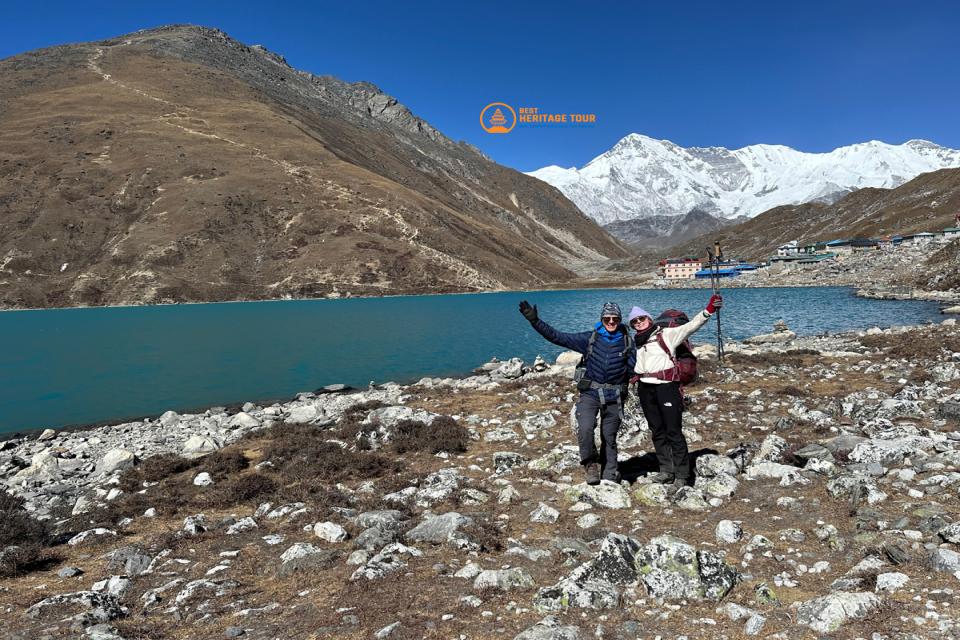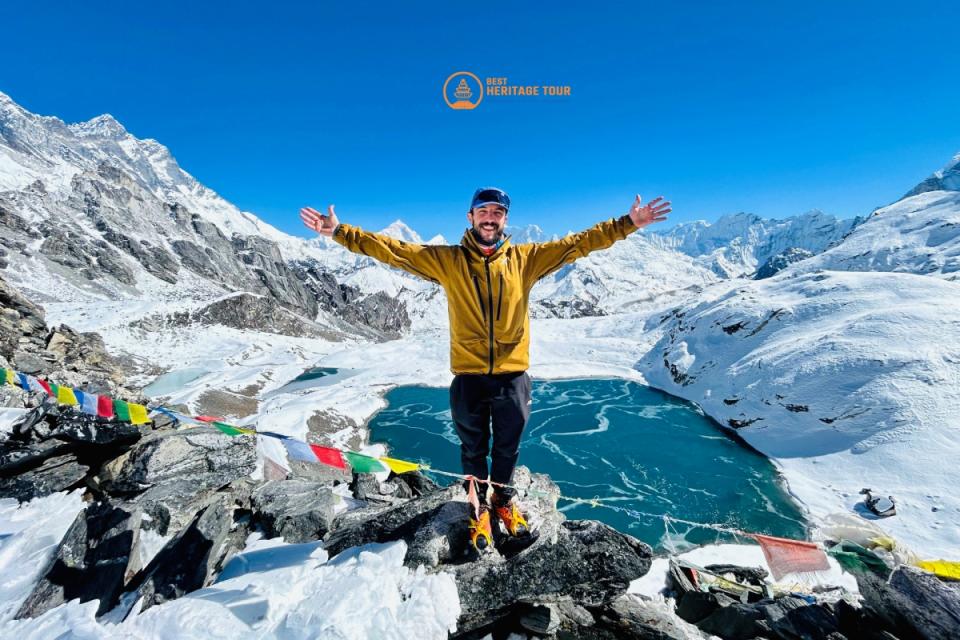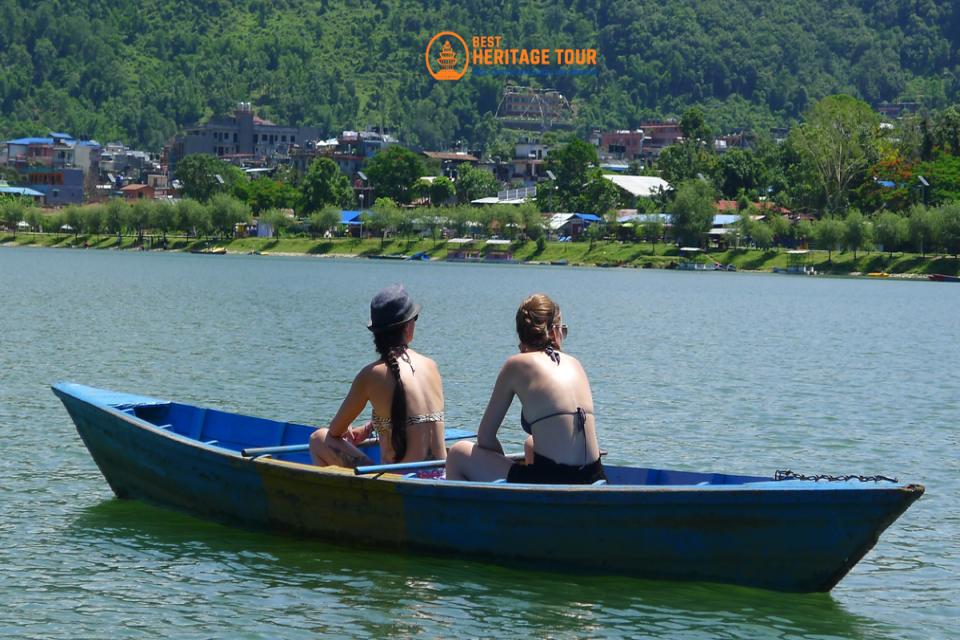
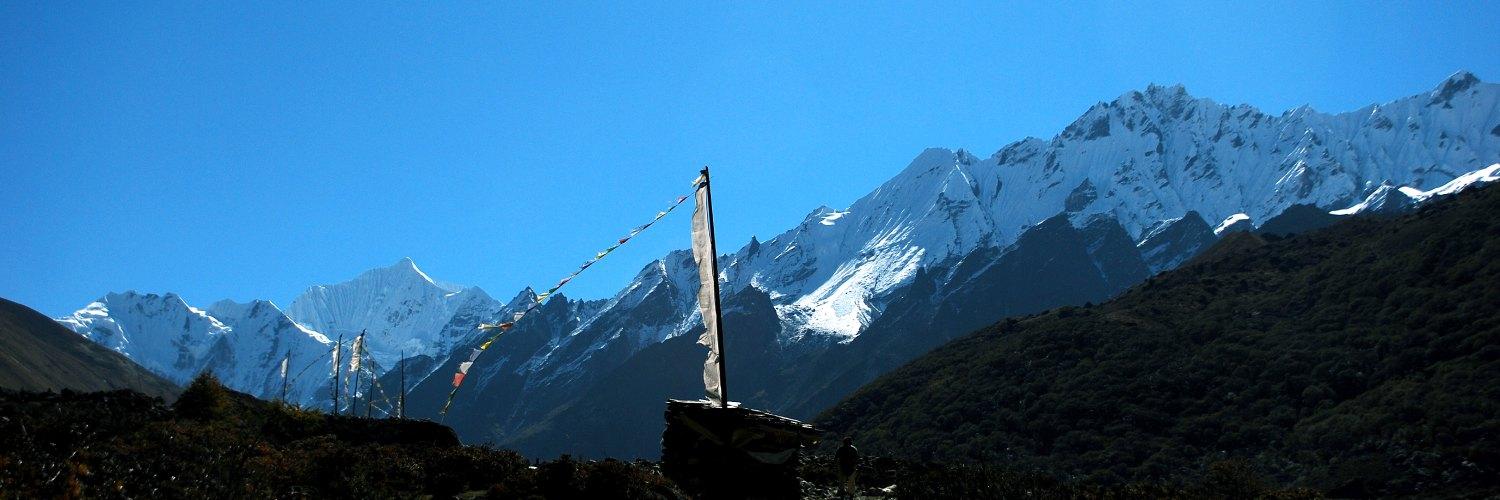
Choosing to explore the Himalayas as a woman - whether you’re a seasoned trekker or a first-time solo adventurer - is a decision that often comes with a mix of exhilaration and a few lingering questions. Is it safe? Will I be respected? What if I get lost on the trail?
At Best Heritage Tour, we’ve spent years guiding women through the winding alleys of Kathmandu and the soaring heights of the Everest and Annapurna regions. We have seen firsthand how Nepal transforms travelers, but we also know that safety is the foundation of any great adventure.
As we move into 2026, Nepal remains one of the most welcoming, spiritually grounding, and safest destinations for solo female travelers in Asia. In this comprehensive guide, we’re breaking down everything you - and your family back home - need to know about navigating the "Land of the Himalayas" with confidence.
The Big Question: Is Nepal Safe for Solo Female Travelers in 2026?
The short answer is a definitely yes.
In the latest global safety indices for 2025 and 2026, Nepal consistently ranks as one of the safest countries in South Asia. Unlike many Western urban centers, violent crime against tourists is incredibly rare here. The Nepali philosophy of Atithi Devo Bhava (The Guest is God) isn't just a marketing slogan; it’s a deeply ingrained cultural value.
Whether you are sipping ginger tea in a mountain teahouse or navigating the vibrant markets of Thamel, you will likely find that locals are protective and respectful of solo women. However, "safe" doesn’t mean "carefree." Being a smart traveler means understanding the local nuances - from the 2023 trekking regulations to cultural etiquette that opens doors (and hearts).
Navigating the New Trekking Rules: Why You’re Never Truly Alone
One of the most significant updates for 2026 travelers is the continuation of the mandatory guide requirement for solo trekkers in most national parks.
While the "solo" in solo trekking used to mean being completely isolated, the Nepal Tourism Board now requires most hikers to be accompanied by a licensed guide. For a solo female traveler, this is actually a massive safety upgrade.
-
Navigation: Trails in the Langtang or Manaslu regions can be confusing. A guide ensures you never take a wrong turn.
-
Health Monitoring: Altitude sickness (AMS) doesn't care how fit you are. A professional guide is trained to spot early symptoms that you might miss yourself.
-
Social Buffer: Having a local guide acts as a bridge between you and the local communities, ensuring you’re treated with the utmost respect in remote villages.
Pro Tip: At Best Heritage Tour, we offer female-led trekking teams. If you feel more comfortable sharing a tent or a trail with another woman, we can pair you with our highly trained female guides who provide a unique perspective on Himalayan life.
Cultural Etiquette: Dressing and Acting for Respect
Nepal is a conservative society, particularly once you leave the "tourist bubbles" of Kathmandu and Pokhara. Understanding the local "dress code" is your best tool for minimizing unwanted attention.
How to Dress
-
Shoulders and Knees: Keep them covered. In villages and at religious sites, wearing sleeveless tops or short shorts is seen as disrespectful.
-
The "Scarf" Hack: Always carry a light pashmina or scarf in your daypack. It’s perfect for covering your shoulders when entering a temple or wrapping around you if you feel a bit too noticed in a local bus.
-
Trekking Gear: Leggings are fine for the trail, but we recommend wearing a long shirt or a "trekking skirt" over them when walking through villages.
Social Interaction
-
The Namaste: Skip the handshake. Pressing your palms together and saying "Namaste" is the gold standard for respectful greeting.
-
Public Displays of Affection: If you happen to meet someone or are traveling with a partner, keep PDA to a minimum. It’s simply not common in Nepali culture.
Urban Safety: Kathmandu and Pokhara After Dark
The cities in Nepal are vibrant and generally very safe, but they require a different kind of "street smarts" than the mountains.
-
Transport: Use reputable ride-sharing apps like Pathao or InDrive. They track your journey and provide a set price, eliminating the "tourist tax" and ensuring a safer ride than an unmarked taxi.
-
Nightlife: Thamel (Kathmandu) and Lakeside (Pokhara) stay active late. While it's safe to walk these well-lit main strips, avoid the dark, narrow side-alleys after 10 PM. If you’ve had a few drinks, always have your hostel or hotel call a specific taxi for you.
-
Street Scams: You might encounter "holy men" offering blessings for money or children asking for milk. A polite but firm "Nai" (No) and continuing to walk is the best way to handle these situations.
Staying Connected: The Digital Safety Net
In 2026, Nepal’s digital infrastructure is better than ever. You can now get 4G (and in some places 5G) signals even in the shadow of Mount Everest.
-
Get a Local SIM: Pick up an Ncell or Nepal Telecom (NTC) SIM card at the airport. It costs less than $10 and gives you the ability to use GPS and stay in touch with your family.
-
Share Your Itinerary: Before you head into the mountains, leave your detailed route with us (Best Heritage Tour) and a contact back home.
-
Offline Maps: Download Maps.me or Google Maps for offline use. While your guide knows the way, having your own map provides an extra layer of confidence.
Health and Hygiene for Women
Traveling solo means you are your own primary caregiver. Here’s how to stay in peak form:
-
The Period Talk: Menstrual products (especially tampons) are hard to find outside of major cities. If you’re heading on a 12-day trek, pack what you need. Many female trekkers in 2026 have switched to menstrual cups, which are eco-friendly and easier to manage in the mountains.
-
Water Safety: Never drink tap water. Use a LifeStraw or water purification tablets. Staying hydrated is the #1 way to prevent altitude sickness.
-
Insurance is Non-Negotiable: Ensure your travel insurance covers emergency helicopter evacuation up to 6,000 meters. For your family’s peace of mind, this is the most important document in your bag.
The Verdict: Should You Go?
If you are waiting for a sign to book that ticket to Kathmandu, this is it. Nepal in 2026 is more accessible, safer, and more empowering for women than ever before. You will find a version of yourself on these trails that you never knew existed - resilient, peaceful, and capable of climbing mountains (both literal and metaphorical).
Your heritage adventure starts with a single step. Are you ready to take it?
Ready to plan your solo journey?
Phone / WhatsApp / Viber: +977-9851149197 / +977-9810043046
Email: info@bestheritagetour.com / bestheritagetour@gmail.com
Website: www.bestheritagetour.com
Office: Thamel Marg, Kathmandu, Nepal
Author: Best Heritage Tour
Date: 8th January, 2026