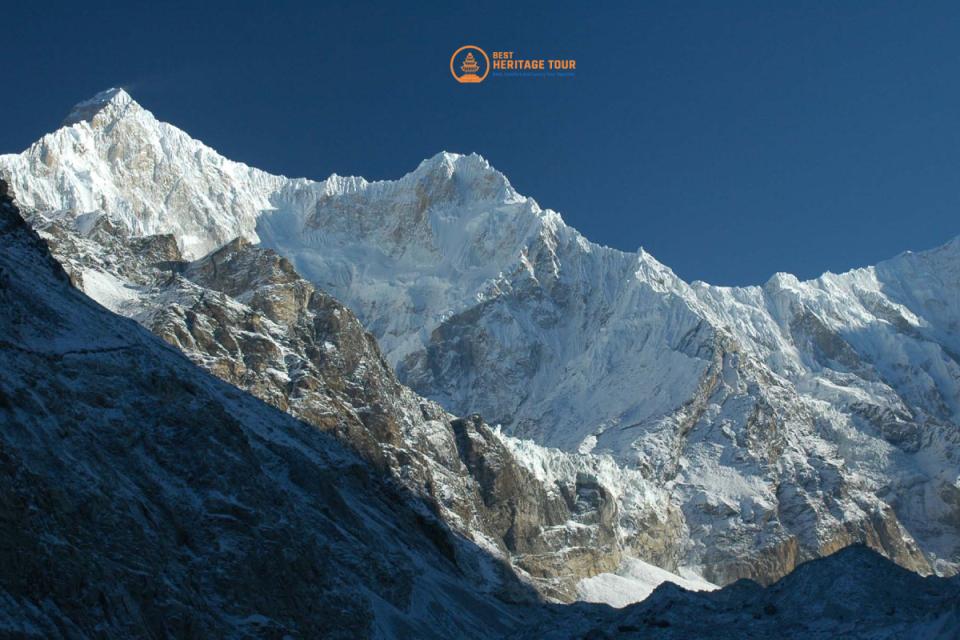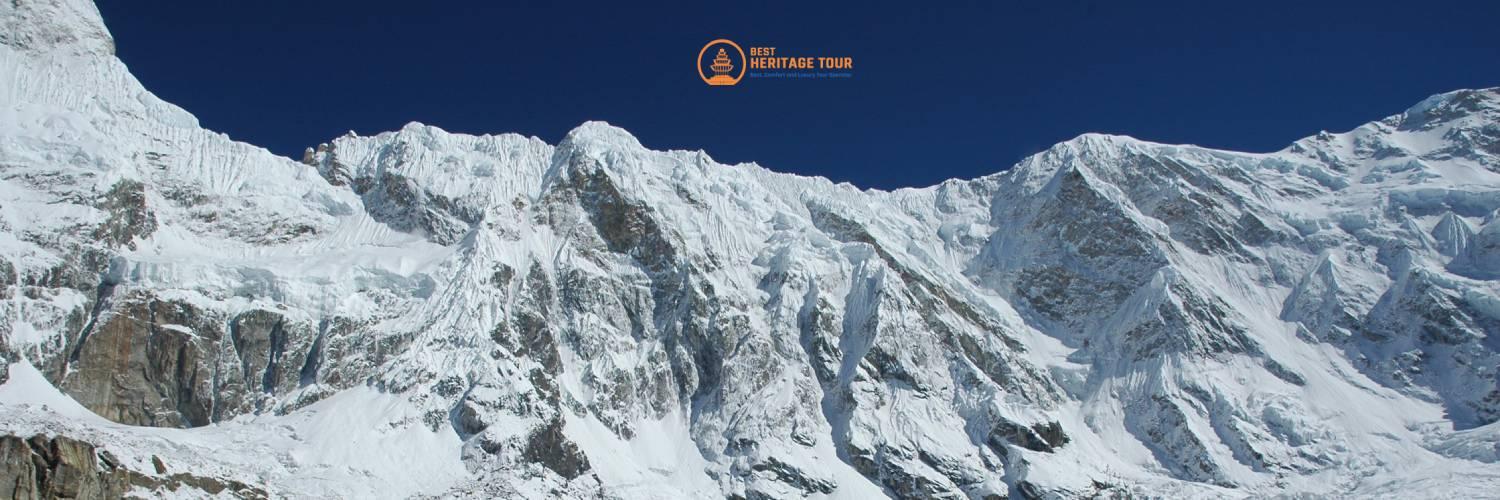
The name Kanchenjunga whispers a challenge - a colossal, frozen tapestry woven into the eastern horizon of Nepal. As the world’s third-highest peak, standing sentinel at 8,586 meters (28,169 ft), it guards one of the planet’s most diverse and least-trodden trekking regions. For the seasoned trekker, the Kanchenjunga Full Circuit Trek is the ultimate prize, a journey that demands stamina, reverence, and a deep desire for true Himalayan isolation.
For years, completing this majestic loop - connecting both the North and South Base Camps - required a commitment of 25 to 30 days. But as your trusted local experts - Best Heritage Tour, we have leveraged recent infrastructure developments, strategic drive routes, and an optimized trekking pace to craft the most efficient and comprehensive adventure possible: The 18-Day Shortest Kanchenjunga Circuit Trek Itinerary.
This is not a trek for the faint of heart, but for the fit, ambitious, and time-conscious explorer who seeks a profound connection with the raw spirit of the Himalayas. We invite you to step away from the crowded paths of the Everest and Annapurna regions and immerse yourself in the authentic wilderness of the Kanchenjunga Conservation Area.
Why Choose the Shortest Kanchenjunga Circuit Trek Itinerary?
The Kanchenjunga region is a land of extremes. You traverse lush, sub-tropical forests in the lower valleys, home to the elusive Red Panda, before ascending into the arid, high-alpine deserts of the Tibetan plateau. It is the only trek in Nepal that offers a full cultural and ecological spectrum.
By adopting our optimized 18-day schedule, you achieve several critical advantages:
-
Maximum Efficiency for Experienced Trekkers: You cover the essential Kanchenjunga North Base Camp (Pangpema at 5,143m) and Kanchenjunga South Base Camp (Oktang Viewpoint at 4,730m) without compromising safety or acclimatization. This is the ultimate time-saver for those with limited annual leave.
-
Cultural Immersion, Expedited: Our itinerary incorporates essential stops in diverse cultural villages - from the Limbu and Rai communities in the lower regions to the distinct Tibetan Buddhist settlements like Ghunsa and Phale higher up.
-
True Wilderness Experience: Kanchenjunga sees only a fraction of the trekkers compared to other regions. This 18-day route is your pass to the pristine solitude of the Eastern Himalayas.
Kanchenjunga Circuit Trek Difficulty: A Reality Check
Before considering the 18-Day Kanchenjunga Trek, it is crucial to understand its nature. This trek is graded as Strenuous or Challenging.
|
Challenge Factor |
Detail & Impact on the 18-Day Trek |
|---|---|
|
Altitude |
We reach a maximum elevation of 5,143m (16,873 ft) at North Base Camp. Acute Mountain Sickness (AMS) is a real risk. Our itinerary includes a crucial Acclimatization Day at Ghunsa (Day 6) and follows the golden rule of climb high, sleep low when possible. |
|
Remoteness |
The trail is far from infrastructure. Teahouses are basic, facilities are limited, and emergency evacuation can be complex and expensive. This route demands self-reliance and comprehensive travel insurance (including helicopter rescue). |
|
Terrain |
Expect long days (6-8 hours), rugged, rocky trails, crossing glacial moraines (especially around Lhonak and Kambachen), steep ascents, and challenging high-pass crossings like the Sele La Pass. |
|
Daily Commitment |
The shortest itinerary requires high fitness. Days are longer and breaks are minimal compared to a 25-day schedule. Trekkers must be prepared for the physical and mental demands of continuous high-altitude trekking. |
Best Heritage Tour Pro Tip: This trek is best suited for individuals who have completed at least one high-altitude trek (like the Annapurna Circuit or Everest Base Camp) and maintain excellent cardiovascular fitness.
The Shortest Kanchenjunga Circuit Trek Itinerary: Your 18-Day Adventure
This carefully structured itinerary is designed to maximize the trekking experience while minimizing travel days through the strategic use of flights and rugged local transportation on newly accessible roads.
Phase 1: Entry to the Wilderness (Days 1-5)
This phase involves rapid transit into the remote Kanchenjunga region and the gradual ascent through the lower river valleys.
|
Day |
From / To (Altitude) |
Activity / Distance |
Highlights & Acclimatization Note |
|---|---|---|---|
|
Day 1 |
Kathmandu (1400m) → Bhadrapur (91m) → Taplejung (1820m) |
Fly & Drive: Morning flight to Bhadrapur, followed by a long, scenic 7-8 hour drive to Taplejung. |
Transition from city to the Eastern hills. Taplejung is the district headquarters and a cultural hub. |
|
Day 2 |
Taplejung (1820m) → Sekathum (1650m) |
Drive & Trek Start: An essential time-saving drive (5-6 hours) by local public transportation to the official trailhead at Sekathum. |
The road is rough but cuts off several days of walking. The real trekking begins here, following the Ghunsa Khola. |
|
Day 3 |
Sekathum (1650m) → Amjilasa (2498m) |
Trek: Approx. 6-7 hours. |
A beautiful day of walking through forests, climbing steeply out of the river valley. You enter the Kanchenjunga Conservation Area’s lush zone. |
|
Day 4 |
Amjilasa (2498m) → Gyabla (2725m) |
Trek: Approx. 5-6 hours. |
A more moderate trek day, passing through rhododendron and bamboo forests. Enjoy the first clear views of the valley. |
|
Day 5 |
Gyabla (2725m) → Ghunsa (3415m) |
Trek: Approx. 6 hours. |
Significant altitude gain. Pass through Phale, a major Tibetan refugee village, before arriving at Ghunsa, the most significant Sherpa/Tibetan settlement on the northern route. |
Phase 2: North Base Camp & High Altitude Challenge (Days 6-10)
This is the high-altitude core of the trek, requiring careful acclimatization and navigating rugged, glacial terrain to reach the North Base Camp.
|
Day |
From / To (Altitude) |
Activity / Distance |
Highlights & Acclimatization Note |
|---|---|---|---|
|
Day 6 |
Ghunsa (3415m) |
Acclimatization Day: Rest Day. Hike Ghunsa Ree. |
CRUCIAL ACCLIMATIZATION. A short, high-altitude hike to Ghunsa Ree allows your body to prepare for the 4,000m+ elevations, following the "climb high, sleep low" principle. |
|
Day 7 |
Ghunsa (3415m) → Kambachen (4145m) |
Trek: Approx. 5-6 hours. |
A steady, demanding climb. The landscape transforms into a dramatic alpine zone with views of Mt. Jannu (Kumbhakarna) beginning to dominate. |
|
Day 8 |
Kambachen (4145m) → Lonak (4792m) |
Trek: Approx. 5 hours. |
A high-altitude push. The trail crosses a rocky moraine. Lonak is a sparse, high-altitude outpost right on the edge of the glacier, with basic amenities. |
|
Day 9 |
Lonak (4792m) → Kanchenjunga North Base Camp (5143m) → Lonak (4792m) |
Trek (Round Trip): Approx. 7-8 hours. |
GOAL ACHIEVED (North): Trek to Pangpema, the North Base Camp (KBC). Witness the jaw-dropping north face of Kanchenjunga, massive glaciers, and surrounding peaks like Jannu, Kabru, and Pyramid Peak. Return to Lonak. |
|
Day 10 |
Lonak (4792m) → Ghunsa (3415m) |
Trek (Descent): Approx. 7-8 hours. |
A long but necessary descent to Ghunsa, losing altitude quickly to aid recovery and prepare for the next phase. |
Phase 3: Crossing the Pass to the South (Days 11-14)
This phase is the true circuit element, involving the challenging traverse over the high passes to connect the North and South sides of the massif.
|
Day |
From / To (Altitude) |
Activity / Distance |
Highlights & Acclimatization Note |
|---|---|---|---|
|
Day 11 |
Ghunsa (3415m) → Sele La Camp (4240m) |
Trek: Approx. 5-6 hours. |
A steep climb away from the main valley to the high camp. This isolated camp prepares you for the pass crossing the next day. |
|
Day 12 |
Sele La Camp (4240m) → Cheram (3868m) |
Trek: Approx. 8-9 hours. |
PASS DAY! A challenging day crossing the Sele La Pass (approx. 4,480m) and potentially two other minor passes (Sinion La and Mirgin La). A dramatic shift in landscape and a long descent to Cheram. |
|
Day 13 |
Cheram (3868m) → Ramche (4580m) |
Trek: Approx. 4-5 hours. |
A shorter, crucial trek day that gains altitude gradually along the Yalung Glacier, bringing us closer to the South Base Camp area. |
|
Day 14 |
Ramche (4580m) → Oktang Viewpoint (4730m) → Ramche (4580m) |
Trek (Round Trip): Approx. 4-5 hours. |
GOAL ACHIEVED (South): A sunrise trek to the Oktang Viewpoint - the South Base Camp - for a mesmerizing view of the South face of Kanchenjunga and the enormous Yalung Glacier. Return to Ramche. |
Phase 4: Exit and Farewell (Days 15-18)
The final days involve a rapid but rewarding descent, exiting the wilderness and transitioning back to the urban life of Kathmandu.
|
Day |
From / To (Altitude) |
Activity / Distance |
Highlights & Acclimatization Note |
|---|---|---|---|
|
Day 15 |
Ramche (4580m) → Tortang (2995m) |
Trek (Descent): Approx. 7-8 hours. |
A long day losing over 1,500m in altitude, transitioning back into dense rhododendron and pine forests. |
|
Day 16 |
Tortang (2995m) → Sekathum (1576m) |
Trek (Descent): Approx. 6-7 hours. |
Following the river back down through the lower valleys, you arrive at Sekathum, connecting with the road network. |
|
Day 17 |
Sekathum (1576m) → Ilam (approx. 1200m) |
Drive: A long drive (7-8 hours) by public transportation to Ilam. |
Exiting the core restricted area. Ilam is famous for its stunning rolling green tea gardens - a beautiful change of scenery and a sign you are back in civilization. |
|
Day 18 |
Ilam → Bhadrapur → Kathmandu (1400m) |
Drive & Fly: Drive to Bhadrapur (2-3 hours) and take the flight back to Kathmandu. |
The final transit day, completing the Kanchenjunga Circuit. Transfer to your hotel for a much-deserved hot shower and rest. |
Best Time for the Kanchenjunga Circuit Trek
The timing of your Kanchenjunga Full Circuit Trek is critical to your success and enjoyment. The best seasons offer stable weather, clear mountain views, and manageable trail conditions.
|
Season |
Months |
Conditions & Why It’s Recommended |
|---|---|---|
|
Autumn (Peak Season) |
September, October, November |
Best Time. Clear skies, moderate temperatures, and dry trails. Provides the highest chance of seeing the Kanchenjunga massif in its full glory. |
|
Spring (Second Best) |
March, April, May |
Stable weather, warmer temperatures, and the incredible sight of the lower hills exploding with blooming rhododendron forests. |
|
Winter |
December, January, February |
Extremely cold, especially at high camps. Passes like Sele La are often snowbound and require mountaineering experience, making the short itinerary highly risky. |
|
Monsoon |
June, July, August |
Trails are slippery, road access is often blocked by landslides, and mountain views are obscured by clouds. Not recommended for the shortest Kanchenjunga trek due to logistical risk. |
Conclusion: Your Kanchenjunga Full Circuit Trek Awaits
The Shortest Kanchenjunga Circuit Trek Itinerary is a testament to the fact that the greatest adventures don't always demand the longest commitment - they just require the most efficient, safest, and most knowledgeable planning. This 18-day journey promises an intimate encounter with the third highest peak on earth, a deep dive into the unique cultures of Eastern Nepal, and an achievement that stands among the most prestigious in the trekking world.
Are you ready to claim your view of the Five Treasures of the Great Snow?
Let the local experts at Best Heritage Tour handle every logistical challenge, from the required permits to the safest acclimatization strategy, so you can focus on the majesty of the trail.
Book Your 18-Day Kanchenjunga Adventure Today!
Phone / WhatsApp / Viber: +977-9851149197 / +977-9810043046
Email: info@bestheritagetour.com / bestheritagetour@gmail.com
Website: www.bestheritagetour.com
Office: Thamel Marg, Kathmandu, Nepal
Author: Best Heritage Tour
Date: 16th December, 2025